
Clinical trial data show that gene therapy can improve hearing in adults as well as in children with mutations in the otoferlin gene (OTOF).
Category: biotech/medical – Page 771

Psilocybin treatment extends cellular lifespan and improves survival of aged mice
Psilocybin, the naturally occurring psychedelic compound produced by hallucinogenic mushrooms, has received attention due to considerable clinical evidence for its therapeutic potential to treat various psychiatric and neurodegenerative indications. However, the underlying molecular mechanisms remain enigmatic, and few studies have explored its systemic impacts. We provide the first experimental evidence that psilocin (the active metabolite of psilocybin) treatment extends cellular lifespan and psilocybin treatment promotes increased longevity in aged mice, suggesting that psilocybin may be a potent geroprotective agent.
Kato, K., Kleinhenz, J.M., Shin, YJ. et al. Psilocybin treatment extends cellular lifespan and improves survival of aged mice. npj Aging 11, 55 (2025). https://doi.org/10.1038/s41514-025-00244-x.

Single antiviral shot could offer better protection than flu vaccines
A long-lasting formulation of an antiviral drug greatly reduced people’s risk of a symptomatic flu infection in a trial, and should even be effective against new strains

Synovial tissue atlas in juvenile idiopathic arthritis reveals pathogenic niches associated with disease severity
An atlas of the cellular and molecular landscape of the juvenile idiopathic arthritis synovium defines tissue niches associated with disease severity.

Ancient DNA reveals make-up of Roman Empire’s favourite sauce
Bones found at the site of an ancient fish-processing plant were used to genetically identify the species that went into a fish sauce, often known as garum, eaten throughout the Roman Empire

Novartis receives approval for first malaria medicine for newborn babies and young infants
Basel, July 8, 2025 – Novartis today announced Coartem® (artemether-lumefantrine) Baby has been approved by Swissmedic as the first malaria medicine for newborns and young infants. The new treatment, also known as Riamet® Baby in some countries, was developed in collaboration with Medicines for Malaria Venture (MMV) to treat the potentially deadly mosquito-borne disease.
Eight African countries also participated in the assessment and are now expected to issue rapid approvals under the Swiss agency’s Marketing Authorization for Global Health Products procedure.1 Novartis plans to introduce the infant-friendly treatment on a largely not-for-profit basis to increase access in areas where malaria is endemic.
“For more than three decades, we have stayed the course in the fight against malaria, working relentlessly to deliver scientific breakthroughs where they are needed most,” said Vas Narasimhan, CEO of Novartis. “Together with our partners, we are proud to have gone further to develop the first clinically proven malaria treatment for newborns and young babies, ensuring even the smallest and most vulnerable can finally receive the care they deserve.”
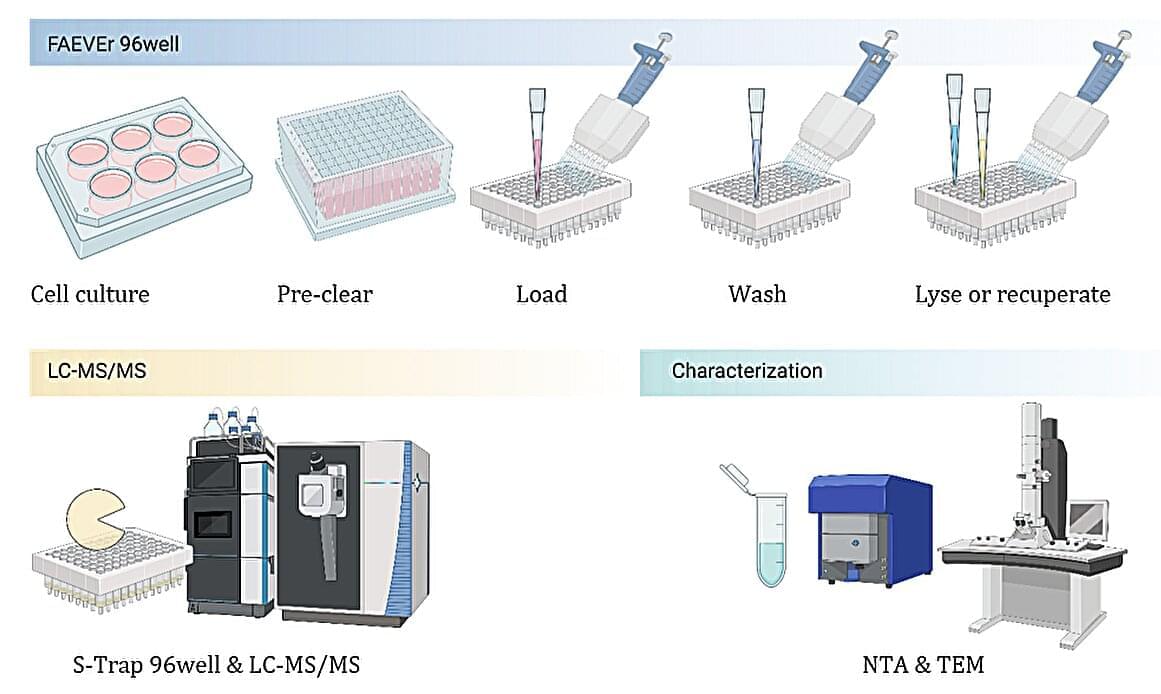
Platform enhances purity and reproducibility of extracellular vesicle proteomics
A group of researchers at the VIB‑UGent Center for Medical Biotechnology has developed a new platform to isolate and analyze extracellular vesicles (EVs), nanosized particles secreted by cells and playing a role in cellular communication and disease development. Called FAEVEr, the method increases the throughput of EV enrichment and is significantly more cost‑efficient than existing methods. The study is published in the Journal of Extracellular Vesicles.
Extracellular vesicles (EVs) are small particles that carry proteins, RNA, and other biomolecules from their cell of origin. They hold much promise for diagnostics and therapeutics, but isolating them from complex biofluids at high purity and throughput remains a major challenge. EVs are incredibly small—between 30 and 150 nanometers in size.
To capture these tiny containers of messengers, scientists need to rely on sophisticated equipment such as ultracentrifuges. Unfortunately, these traditional methods of EV enrichment are time‑consuming and resource‑intensive with relatively low throughput.
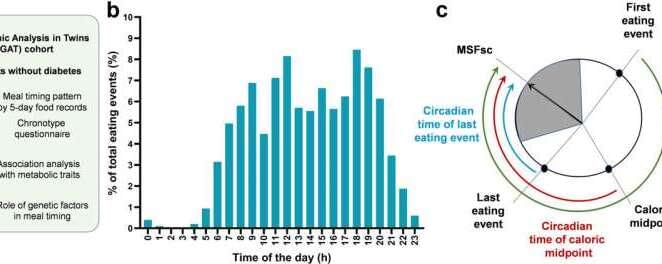
Late eating is associated with impaired glucose metabolism
Our metabolic processes differ depending on the time of day and many of them are more active in the morning than in the evening. Although studies show that eating late in the day is associated with an increased risk of obesity and cardiovascular diseases, little is known about how the time we eat affects glucose metabolism and to what extent this is genetically defined.
Prof. Olga Ramich from the German Institute of Human Nutrition Potsdam-Rehbrücke (DIfE) and her team recently investigated this using data from a twin cohort from 2009-10. Their article was published in the journal eBioMedicine.
The circadian system is a hierarchically structured 24-hour time control system in the body that regulates behavior and metabolism via a central clock in the brain and peripheral clocks in organs such as the liver or pancreas. As a result, our metabolic processes differ depending on the time when we eat, which leads to diurnal fluctuations in glucose metabolism and the release of hormones after a meal.
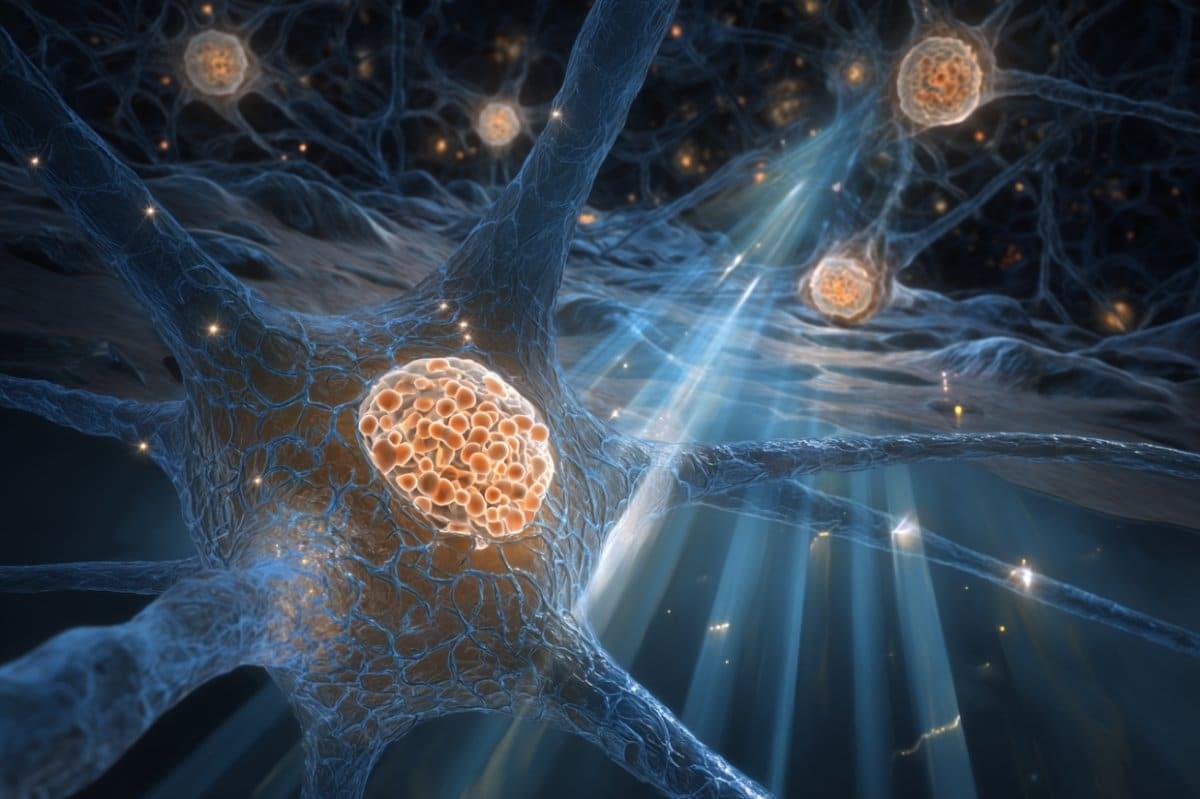
Retinal Cells Rewire to Preserve Vision in Degenerative Eye Disease
New research shows that retinal neurons can rewire to preserve vision in retinitis pigmentosa, a genetic disease causing blindness.
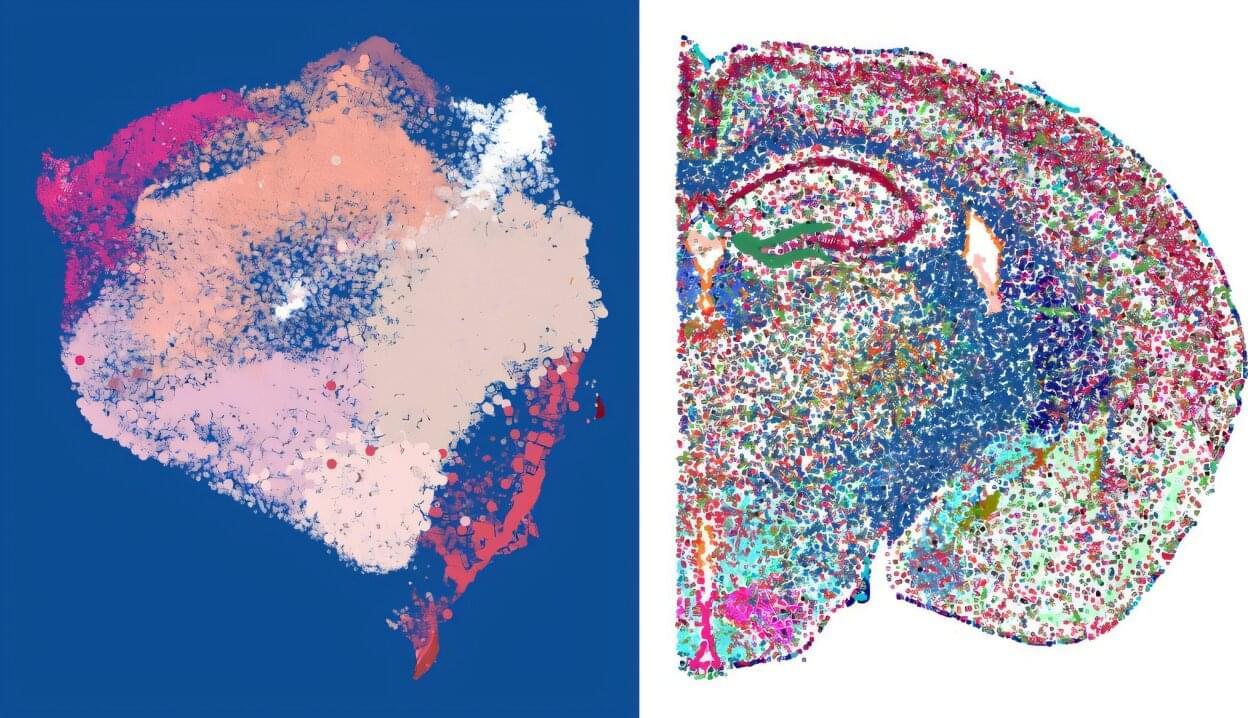
Bioinformatics software detects cancer-related changes in single-cell studies
In recent years, the analysis of single-cell and spatial data has revolutionized biomedical research, making it possible to observe what happens in biological samples with an unprecedented level of detail. Interpreting this data, however, is not easy because different software offers different results which are hard to compare.
Taking this issue as the starting point, a research group from the University of Trento has developed the “Cell Marker Accordion,” a bioinformatics tool that makes the identification of cell types in the new generation data clearer and more robust. The results of the research, conducted in collaboration with Yale University (United States), the University of Trondheim (Norway), Policlinico di Milano and the Institute of Biophysics of the National Research Council—CNR, are published in Nature Communications.
“With Cell Marker Accordion we wanted to build a tool that helps researchers not only to classify cells, but also to understand why they have been classified in a certain way,” explains Emma Busarello, a Ph.D. candidate in biomolecular sciences at the University of Trento and first author of the work.