Engineered bacteria turned recycled plastic into paracetamol, a common analgesic, offering a fossil-free route to pharmaceuticals.

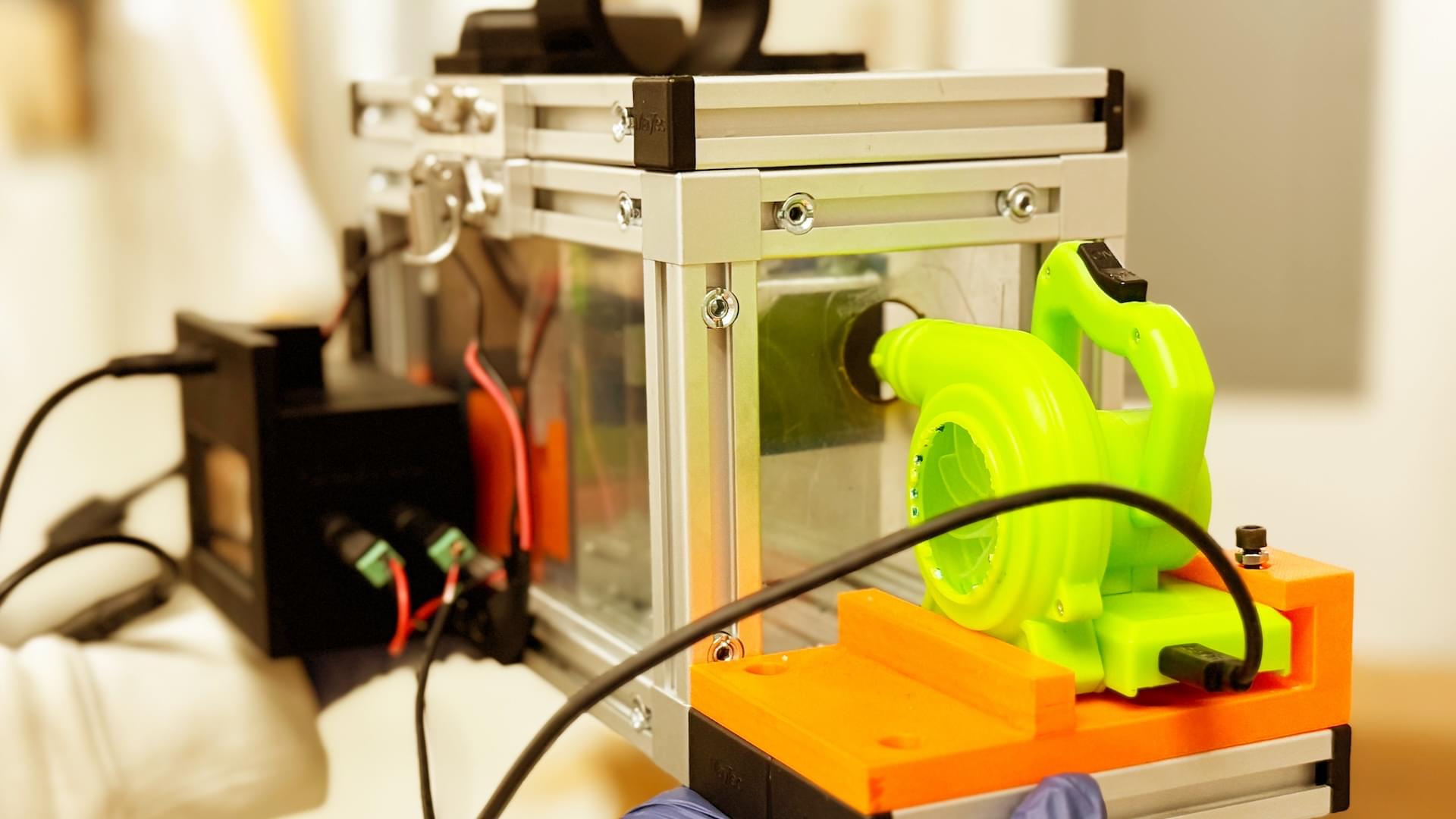
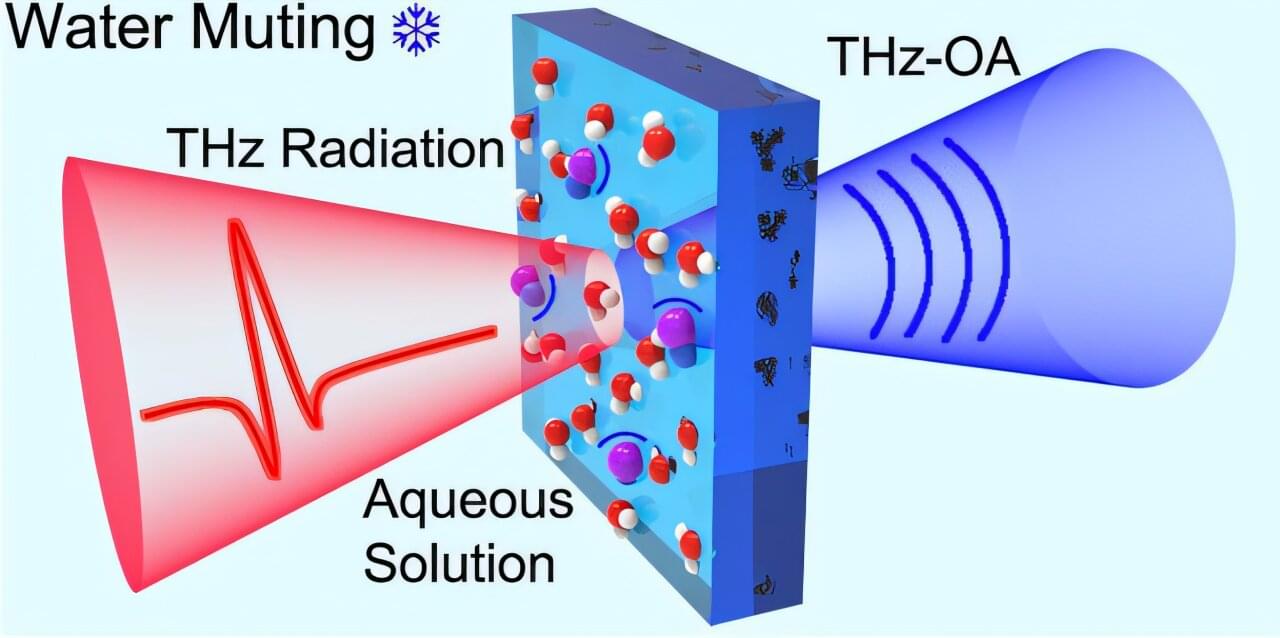
In a new study, researchers demonstrate long-term, non-invasive monitoring of blood sodium levels using a system that combines optoacoustic detection with terahertz spectroscopy. The paper is published in the journal Optica.
Accurate measurement of blood sodium is essential for diagnosing and managing conditions such as dehydration, kidney disease and certain neurological and endocrine disorders.
Terahertz radiation, which falls between microwaves and the mid-infrared region of the electromagnetic spectrum, is ideal for biological applications because it is low-energy and non-harmful to tissues, scatters less than near-infrared and visible light and is sensitive to structural and functional biological changes.
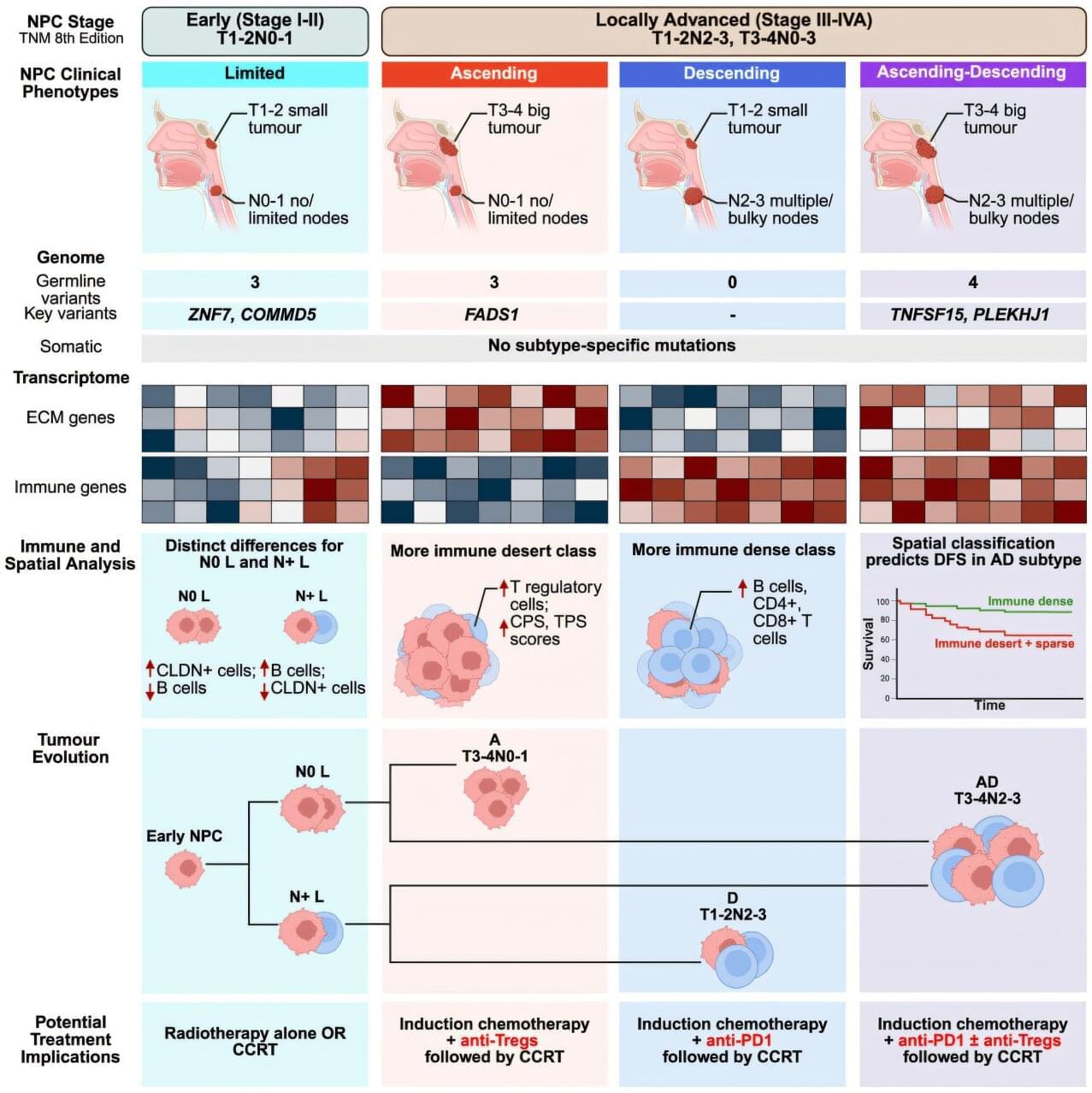
A study led by clinician-scientists and researchers at the National Cancer Centre Singapore (NCCS) has found that the tumor immune microenvironment (TIME) plays a critical role in the progression of nasopharyngeal carcinoma (NPC) commonly known as nose cancer. These insights are paving the way for precision oncology approaches, some of which are currently used in clinical trials at NCCS. The findings are published in Cell Reports Medicine.
NPC is a type of head and neck cancer that originates in the nasopharynx—the passageway behind the nose. It is prevalent in Southeast Asia, Southern China and North Africa and occurs more frequently in men. In Singapore, NPC is the 10th leading cause of cancer death in men and is the third most common cancer in men aged 30 to 49.
Due to the anatomy of the nasopharynx, NPC often spreads insidiously and is typically diagnosed at a locoregionally advanced stage, where cancer has spread within the head but not to distant parts of the body.
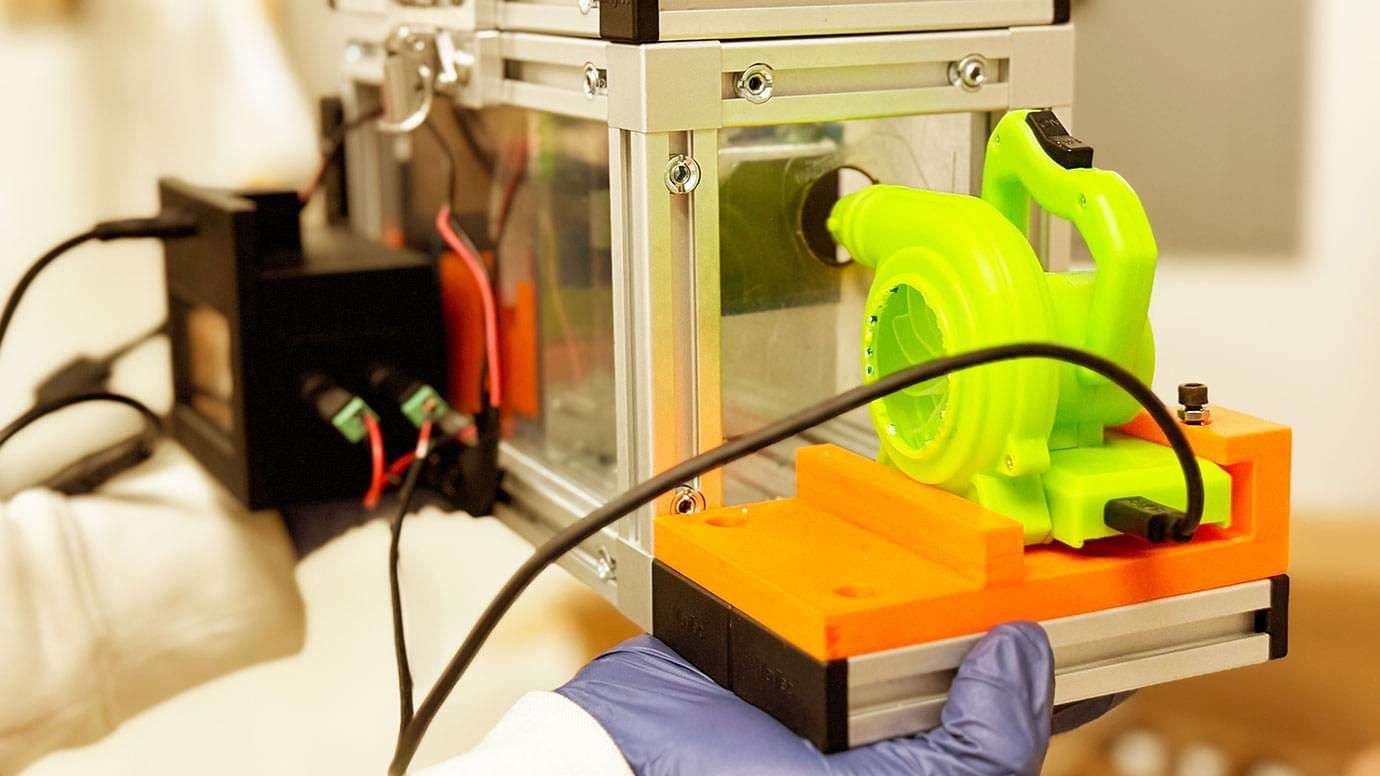
If you’ve ever sat waiting at the doctor’s office to give a blood sample, you might have wished there was a way to find the same information without needles.
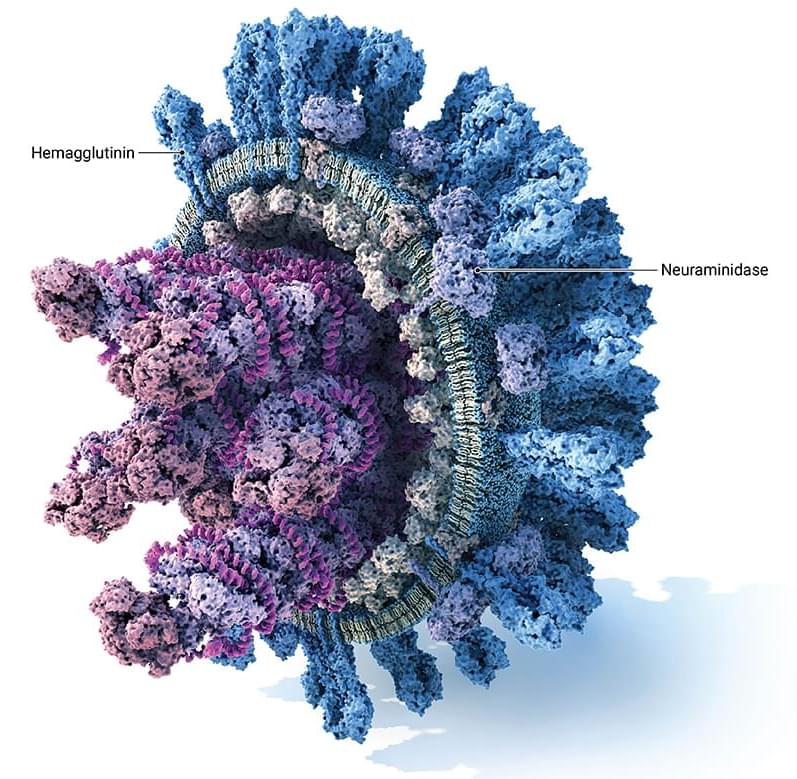
But for all the medical breakthroughs of the 20th century, the best way to detect molecules has remained through liquids, such as blood. New research from the University of Chicago, however, could someday put a pause on pinpricks. A group of scientists announced they have created a small, portable device that can collect and detect airborne molecules—a breakthrough that holds promise for many areas of medicine and public health.
The researchers envision the device, nicknamed ABLE, could detect airborne viruses or bacteria in hospital or public spaces, improve neonatal care or allow people with diabetes to read glucose levels from their breath. The entire device is just four by eight inches across.
Portable tech captures molecules in breath to aid medical care from diabetes to at-risk newborn development.
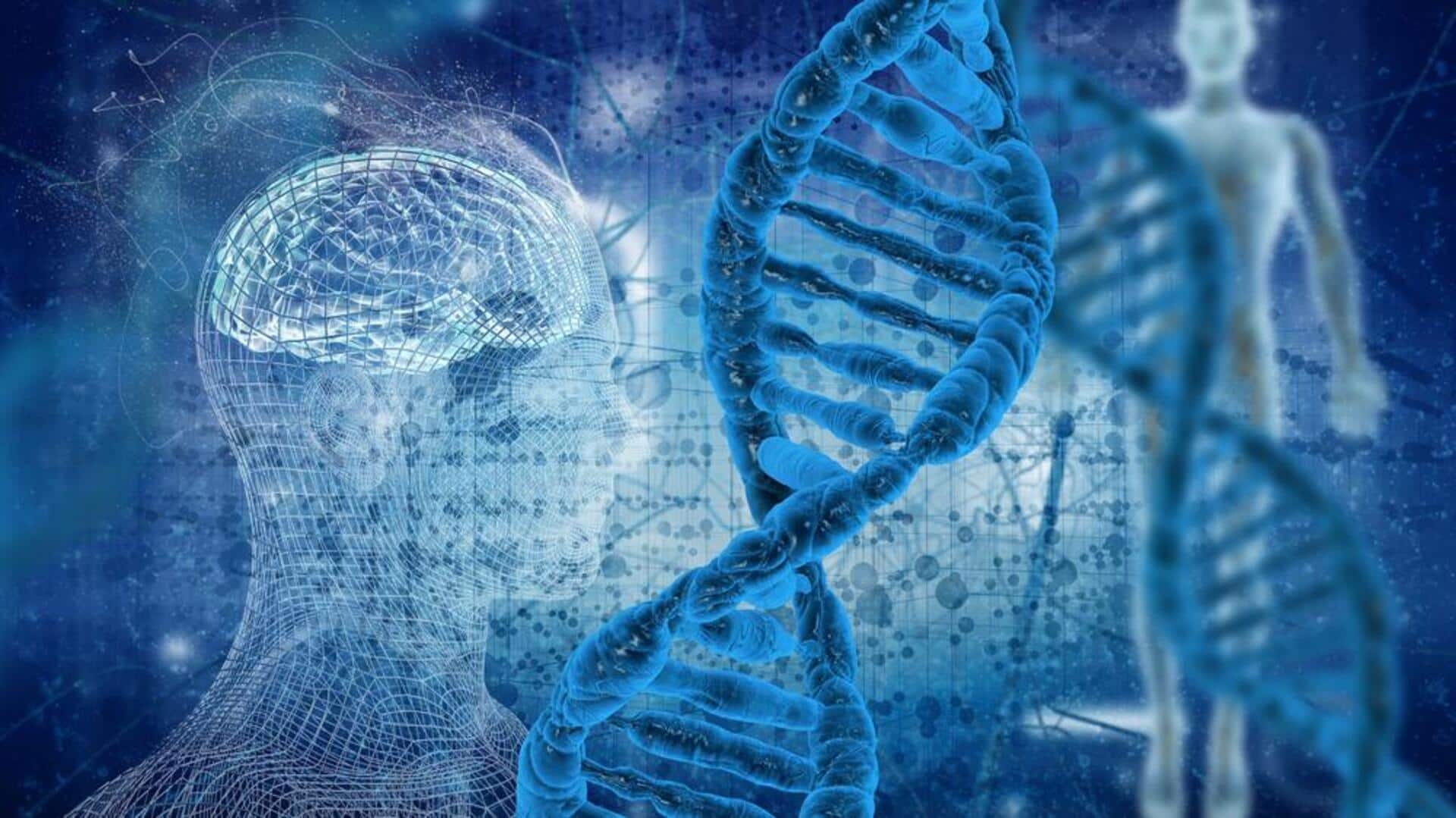
In a groundbreaking development, scientists have started working on the building blocks of human life from scratch.
The project, dubbed the Synthetic Human Genome Project, is being funded by London-based Wellcome Trust, the World’s largest medical charity, with an initial investment of £10 million (approximately $12.7 million).
The research has been largely considered taboo due to fears that it could lead to designer babies or unintended consequences for future generations.
(That’s not my taboo. Creating Synthetic DNA can lead to the creation of synthetic humans. It can be useful in stopping wildlife extinction, but we don’t know the implications of what happens when we do. TheThe BBC also reported on this. Link in comments)
Work has started on a groundbreaking, yet contentious, project to create artificial human DNA from scratch, marking a potential world first.
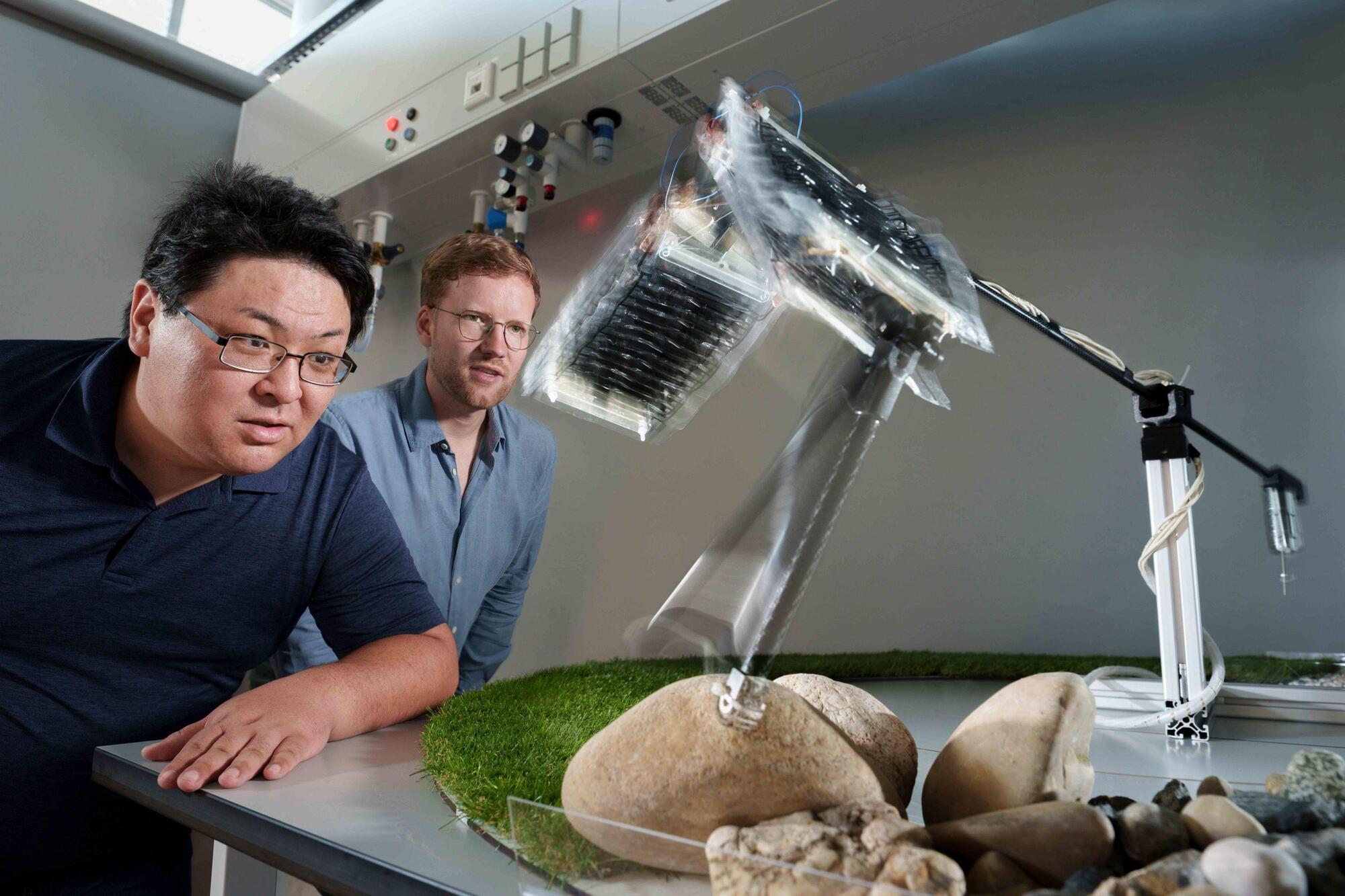
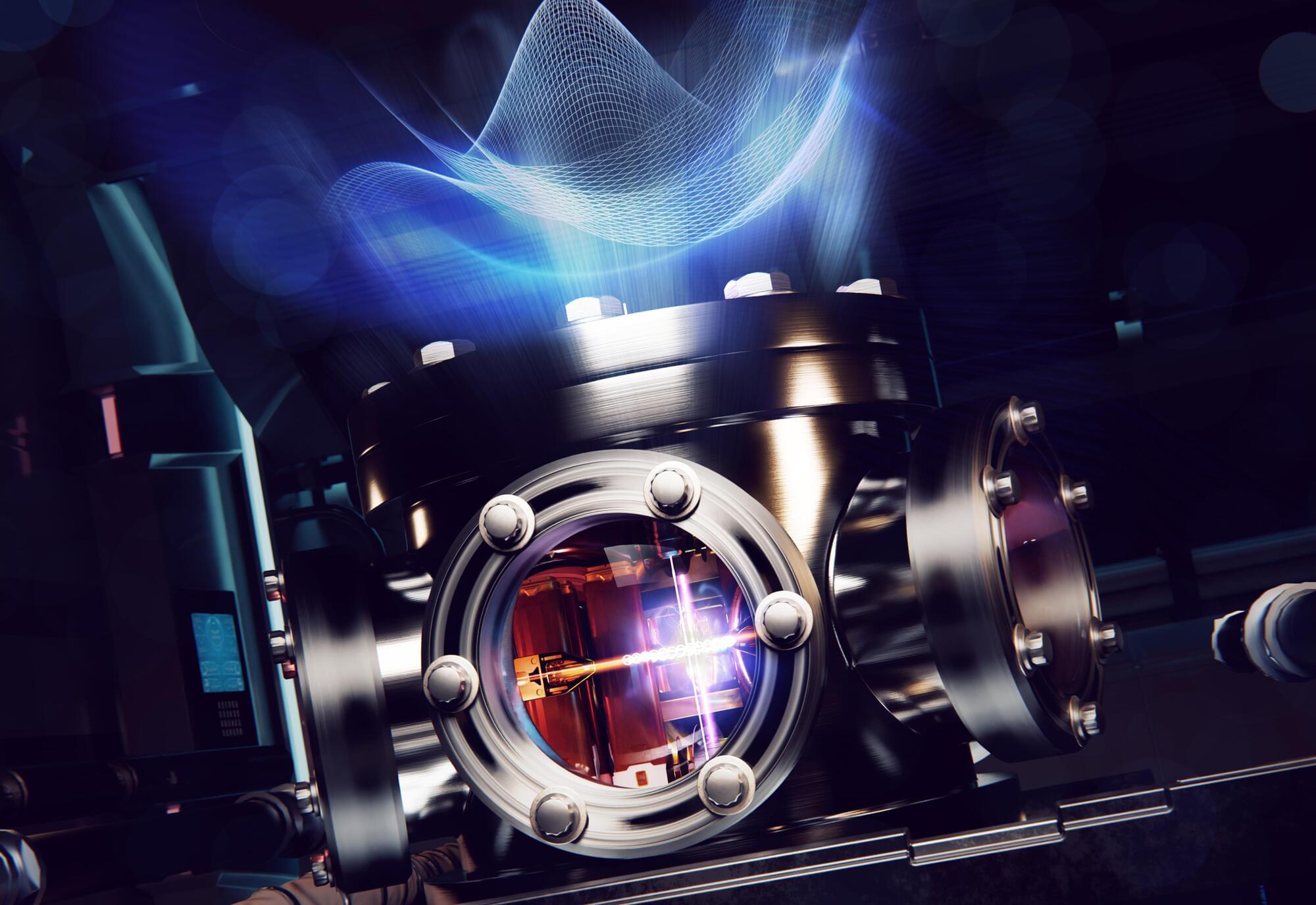
Researchers at the University of Sydney have successfully performed a quantum simulation of chemical dynamics with real molecules for the first time, marking a significant milestone in the application of quantum computing to chemistry and medicine.
Understanding in real time how atoms interact to form new compounds or interact with light has long been expected as a potential application of quantum technology. Now, quantum chemist Professor Ivan Kassal and Physics Horizon Fellow Dr Tingrei Tan, have shown it is possible using a quantum machine at the University of Sydney.
The innovative work leverages a novel, highly resource-efficient encoding scheme implemented on a trapped-ion quantum computer in the University of Sydney Nanoscience Hub, with implications that could help transform medicine, energy and materials science.
University of Sydney scientists have made a big step towards future design of treatments for skin cancer or improved sunscreen by modelling photoactive chemical dynamics with a quantum computer.
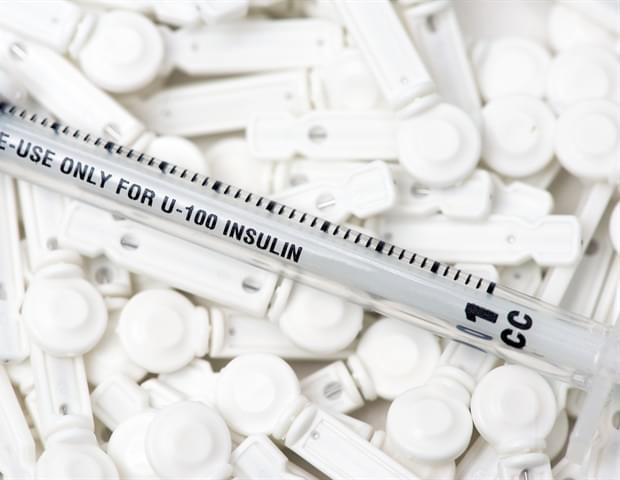
Diabetes is a very prevalent disease that, unfortunately, still has no treatment. People with diabetes need to monitor their blood glucose levels (BGLs) regularly and administer insulin to keep them in check. In almost all cases, BGL measurements involve drawing blood from a fingertip through a finger prick. Since this procedure is painful, less invasive alternatives that leverage modern electronics are being actively researched worldwide.