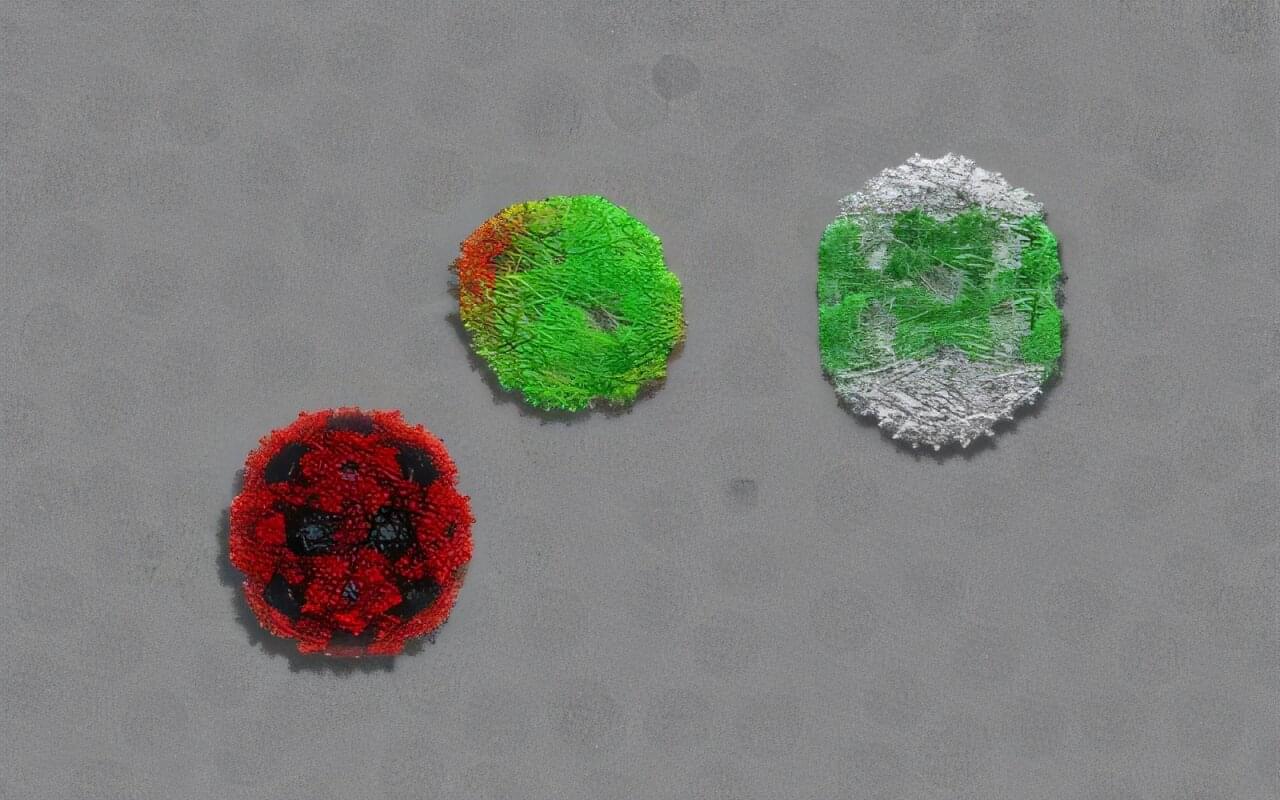
Researchers at San Diego State University and Michigan State University are shedding new light on how viruses meticulously pack their genetic material — a breakthrough that could help researchers engineer antivirals and gene therapies.
Category: biotech/medical – Page 714

This tiny animal could help humans colonize Mars
Scientists reveal how the Dsup protein found in tardigrades protects DNA from extreme radiation, which is key for future space missions.

The future of AI is human: Rice, Baylor College of Medicine to lead Center for Humanities-based Health AI Innovation
CHHAIN, supported by a $500,000 NEH grant, will serve as a central hub for exploring how humanities-based insights, particularly those grounded in ethics, history and patient narratives, can shape the future of responsible AI in health care.

Exercise and the Organ-Brain Axis: Regulation of Neurological Disorders by Emerging Exerkines
Research on exercise and brain disorders has traditionally focused on its direct regulatory effects on neurons and synapses, neglecting peripheral organ-mediated pathways. To address this gap, this review proposes the novel concept of the “multi-organ-brain axis.” This concept posits that during brain disorders, functional alterations in peripheral organs such as skeletal muscle, heart, liver, adipose tissue, and spleen can disrupt metabolic and immune homeostasis, thereby bidirectionally modulating brain function via signaling molecules and metabolites.
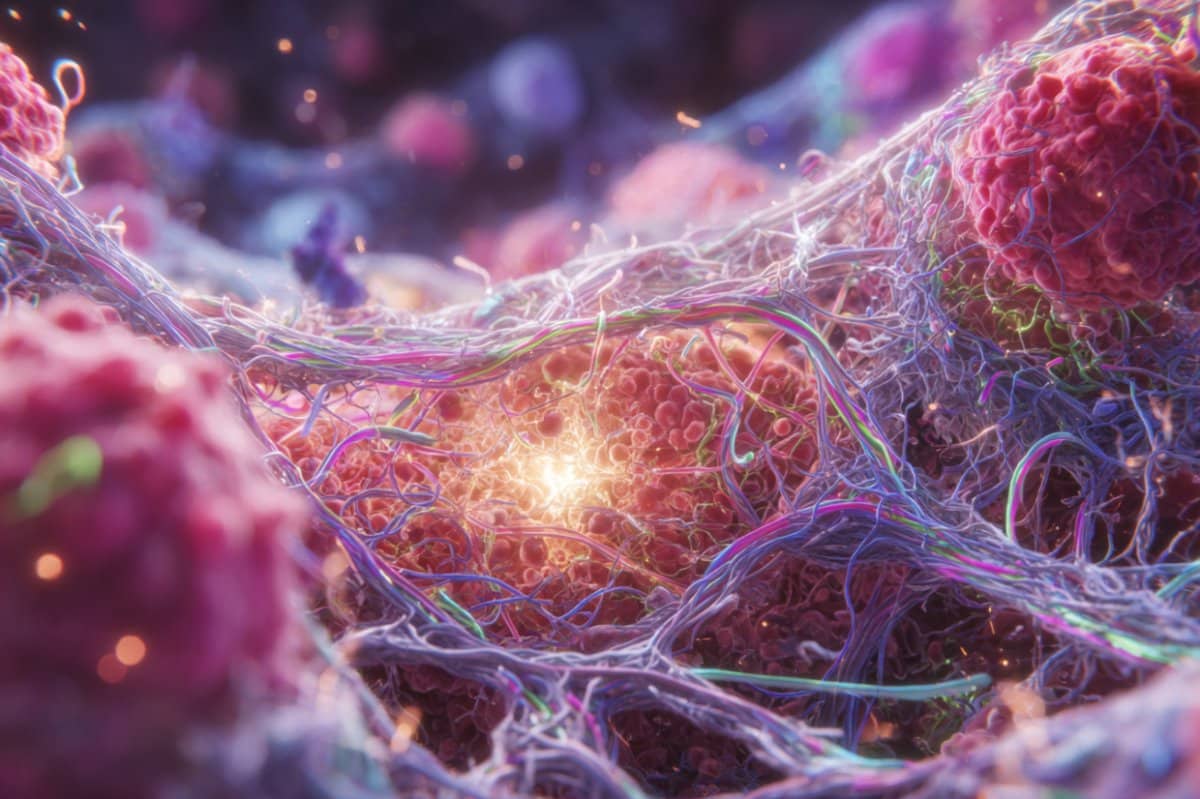
Bacteria and Viruses Join Forces in New Cancer-Killing Therapy
Researchers have developed CAPPSID, a novel cancer therapy that teams bacteria and viruses to infiltrate and destroy tumors.
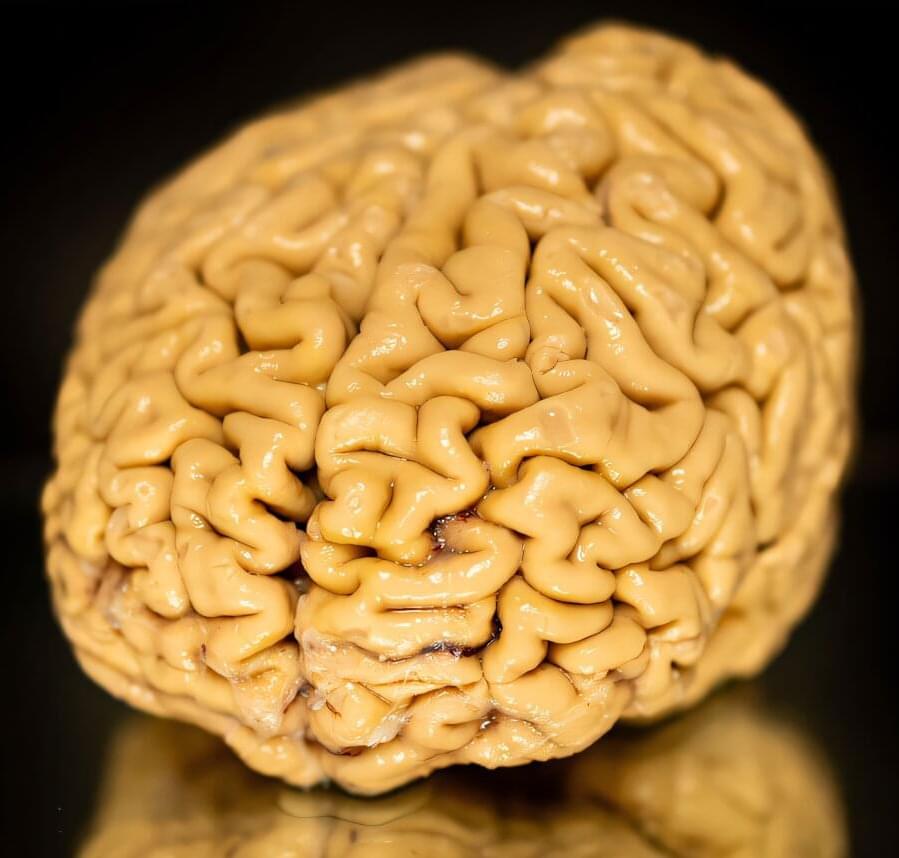
The first 25 years of SuperAger research show cognitive decline is not an inevitable part of aging
For 25 years, scientists at Northwestern Medicine have been studying individuals aged 80 and older—dubbed “SuperAgers”—to better understand what makes them tick.
These unique individuals, who show outstanding memory performance at a level consistent with individuals who are at least three decades younger, challenge the long-held belief that cognitive decline is an inevitable part of aging.
Over the quarter-century of research, the scientists have seen some notable lifestyle and personality differences between SuperAgers and those aging typically—such as being social and gregarious—but “it’s really what we’ve found in their brains that’s been so earth-shattering for us,” said Dr. Sandra Weintraub, a professor of psychiatry and behavioral sciences and neurology at Northwestern University Feinberg School of Medicine.
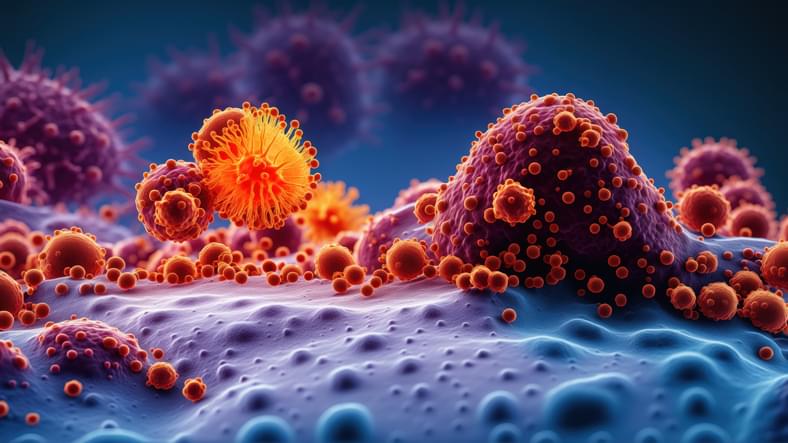
Metastatic Cancers Eliminated by CD40 Agonistic Antibody
Researchers demonstrate that an engineered antibody improves a class of drugs that has struggled to make good on its early promise.
How one biotech company is accelerating the drug discovery workflow
From harnessing AI to integrating complex workflows, biotech leader Cytiva doesn’t just supply tools for drug discovery—it anticipates the industry’s future challenges and develops solutions before its partners even know they need them

What people who live to 100 years old have in common, according to science
Studies show that centenarians, people who live to 100, accumulate health conditions more slowly and have a lower disease burden compared to shorter-lived individuals.
AI model uses glucose spikes to reveal hidden diabetes risk before symptoms appear
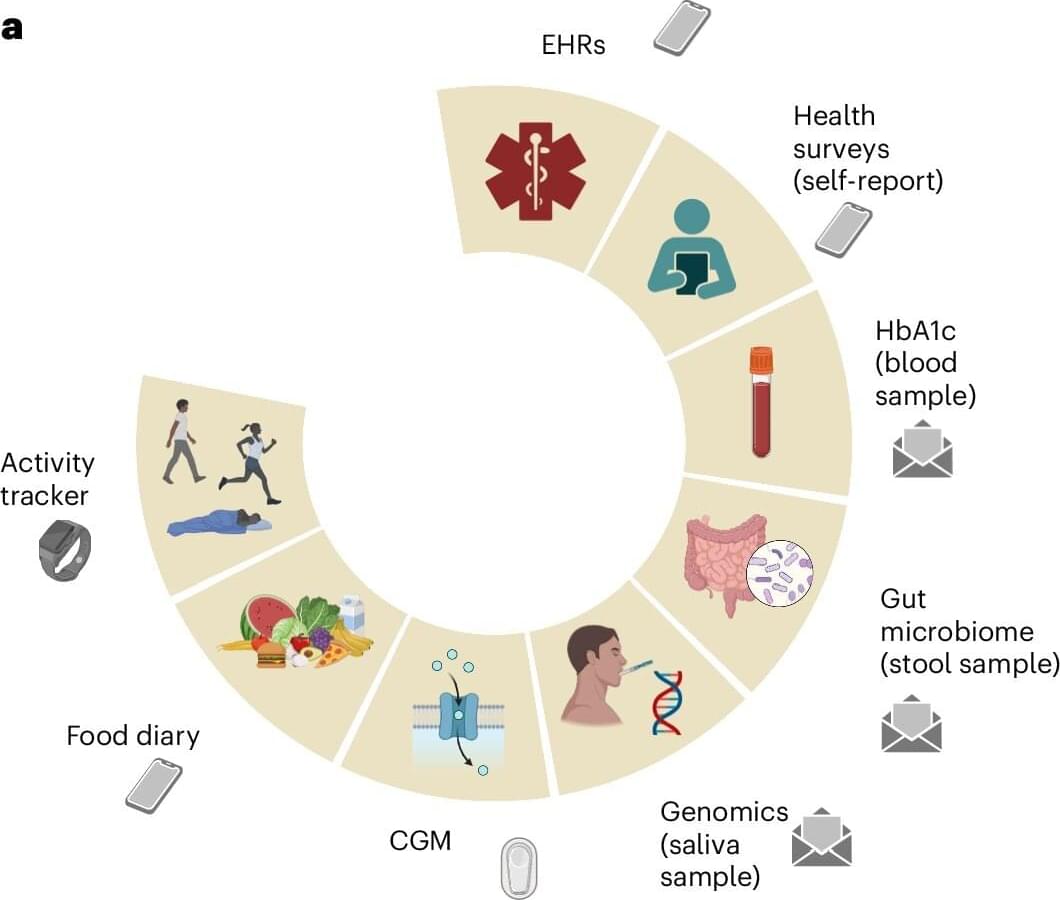
Spread the love 19 11 To diagnose either type 2 diabetes or pre-diabetes, clinicians typically rely on a lab value known as HbA1c. This test captures a person’s average blood glucose levels over the previous few months. But HbA1c cannot predict who is at highest risk of progressing from healthy to prediabetic, or from prediabetic to full-blown diabetes.