This could be the first-ever drug approved to treat aging, and clinical trials begin this year.
Category: biotech/medical – Page 716
Scientists Discover “Master Key” Protein for Stronger Memory and Learning
Research led by Rutgers suggests there could be significant new possibilities for treating neurodegenerative diseases and brain injuries.
Researchers have uncovered how a specific protein supports the stability of connections between brain cells, which are essential for learning and memory.
According to the scientists, their findings, published in the journal Science Advances.
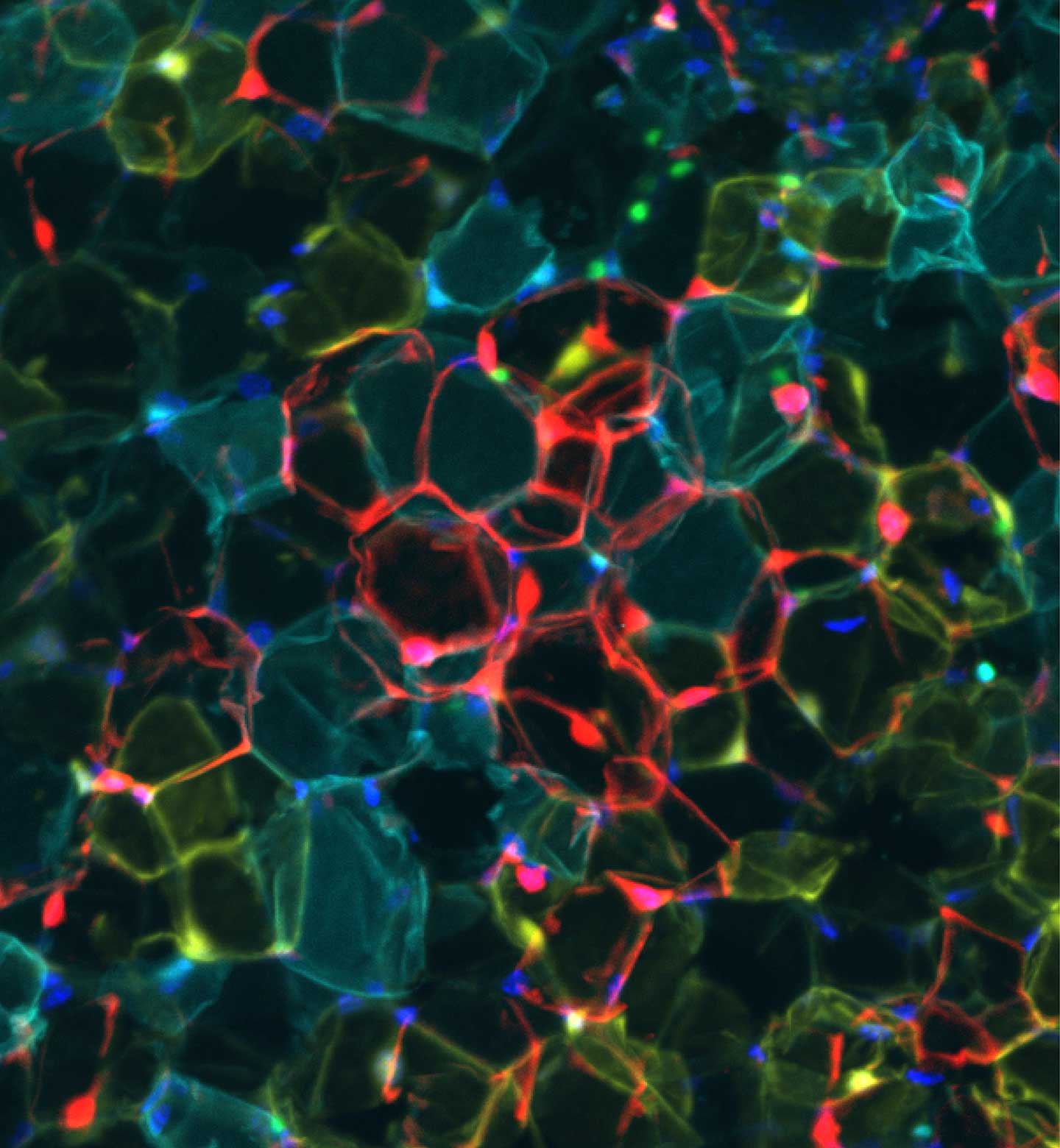
Scientists Discover How to Make Ordinary Fat Cells Burn Calories
A new approach for turning calorie-storing white fat into beige fat, which we burn to keep our body temperatures, could potentially inform development of new type of obesity treatments.
Gel Repairs Cartilage Without Surgery, With Electricity
Instead of requiring surgery to insert a solid scaffold, the gel could be simply injected into the knee, a much less invasive procedure

Diabetic Man With Gene-Edited Cells Produces His Own Insulin—No Transplant Drugs Required
A proof-of-concept study finds that donated insulin-producing cells can be genetically modified to avoid provoking the recipient’s immune system.
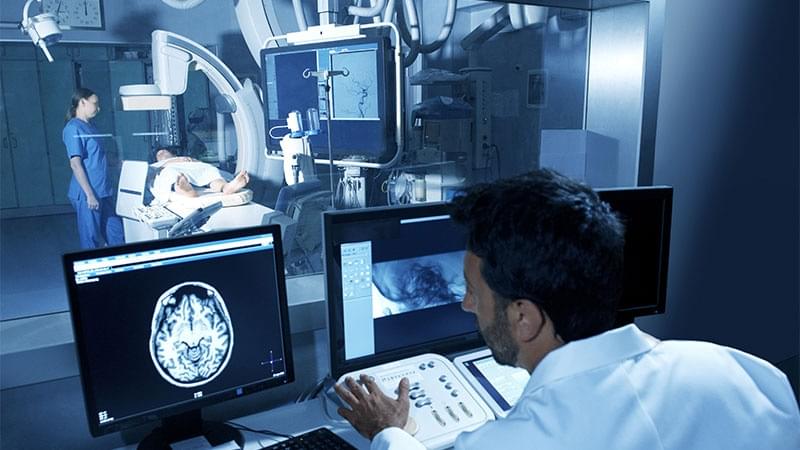
Simple CT Tweak Detects Stroke Clots 6x Faster, Study Shows
Just 14 patients need screening with extended CT angiography to find one clot, according to the DAYLIGHT study, improving stroke management.
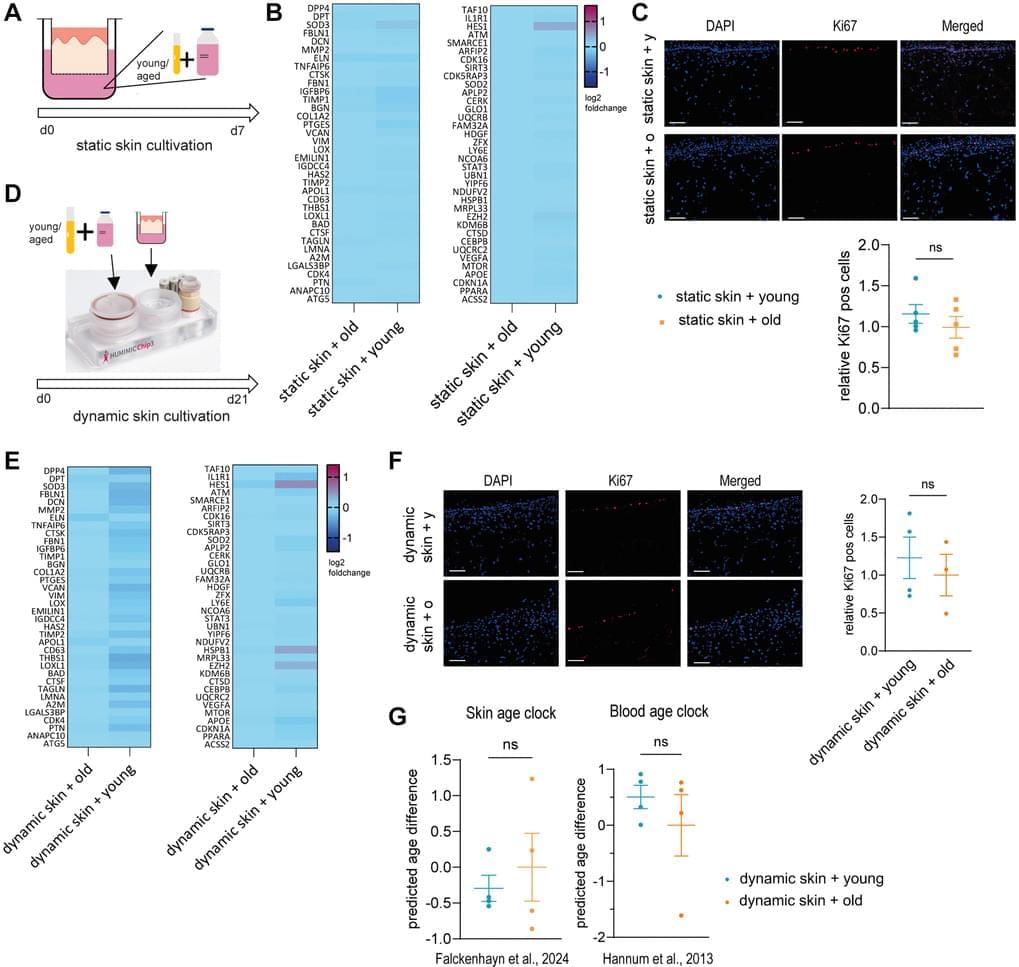
Systemic factors in young human serum influence
Aging is a complex process that significantly contributes to age-related diseases and poses significant challenges for effective interventions, with few holistic anti-aging approaches successfully reversing its signs. Heterochronic parabiosis studies illuminated the potential for rejuvenation through blood-borne factors, yet the specific drivers including underlying mechanisms remain largely unknown and until today insights have not been successfully translated to humans. In this study, we were able to recreate rejuvenation of the human skin via systemic factors using a microphysiological system including a 3D skin model and a 3D bone marrow model. Addition of young human serum in comparison to aged human serum resulted in an improvement of proliferation and a reduction of the biological age as measured by methylation-based age clocks in the skin tissue. Interestingly, this effect was only visible in the presence of bone marrow-derived cells. Further investigation of the bone marrow model revealed changes in the cell population in response to young versus aged human serum treatment. Using proteome analysis, we identified 55 potential systemic rejuvenating proteins produced by bone marrow-derived cells. For seven of these proteins, we were able to verify a rejuvenating effect on human skin cells using hallmarks of aging assays, supporting their role as systemic factors rejuvenating human skin tissue.
Aging | doi:10.18632/aging.206288. Johanna Ritter, Cassandra Falckenhayn, Minyue Qi, Leonie Gather, Daniel Gutjahr, Johannes Schmidt, Stefan Simm, Stefan Kalkhof, Janosch Hildebrand, Thomas Bosch, Marc Winnefeld, Elke Grönniger, Annette Siracusa.
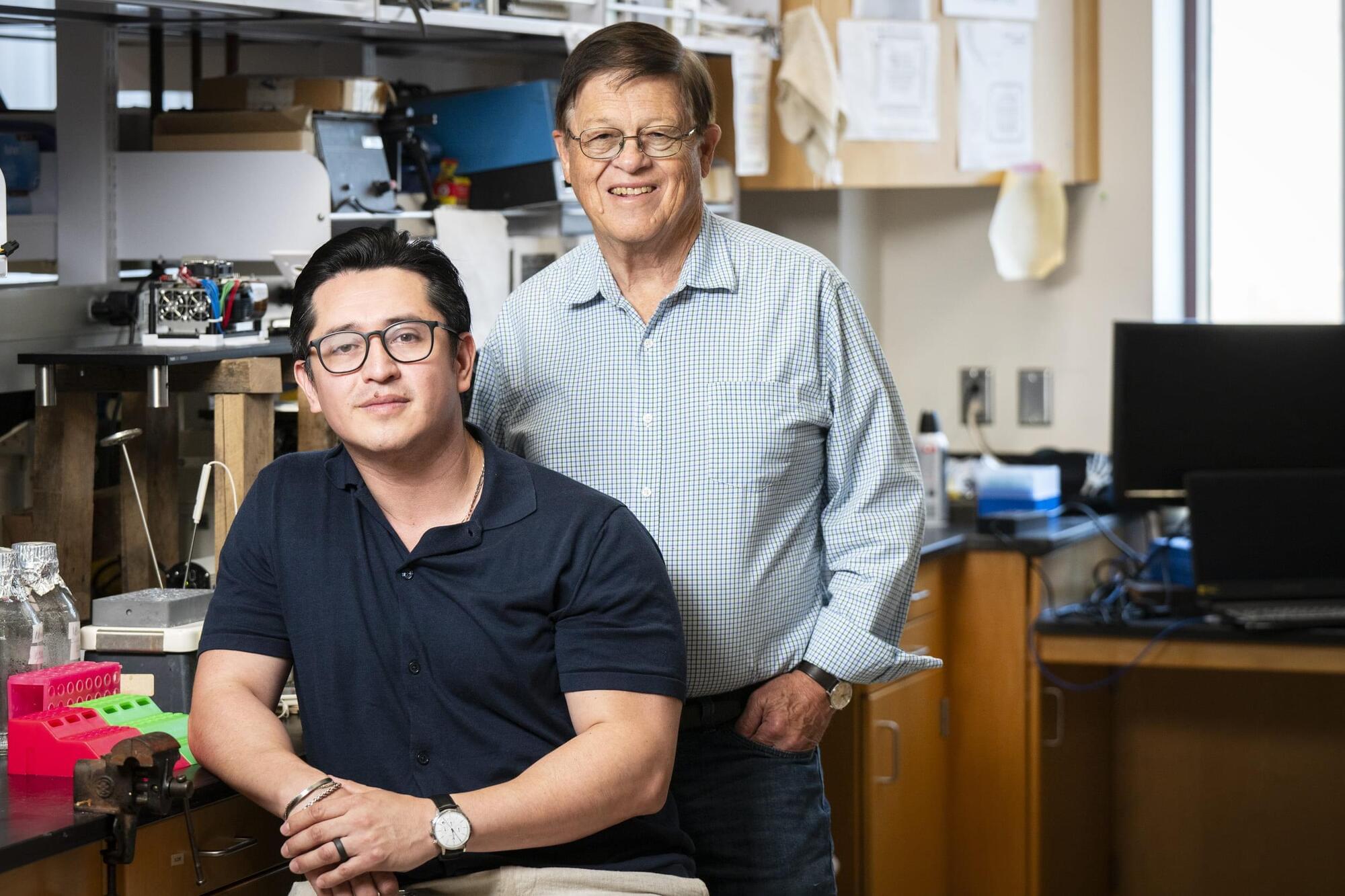
UC Irvine researchers find combination of natural compounds for brain cleaning
Treatment removes harmful protein buildup associated with Alzheimer’s disease
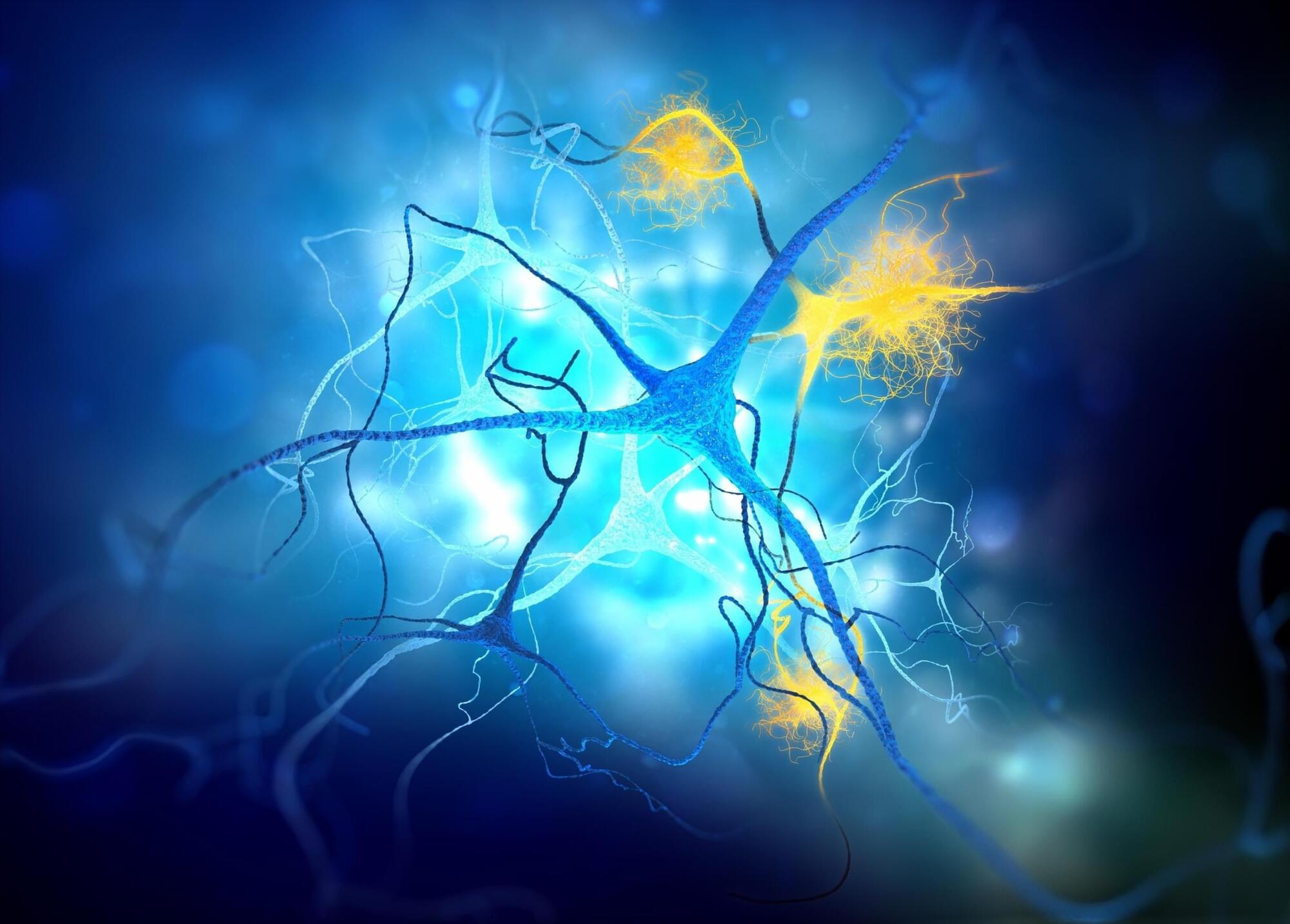
Common drug shows potential to treat Alzheimer’s
Researchers find that tiny doses of lithium could slow Alzheimer’s symptoms by reducing brain plaques and protecting neural connections.
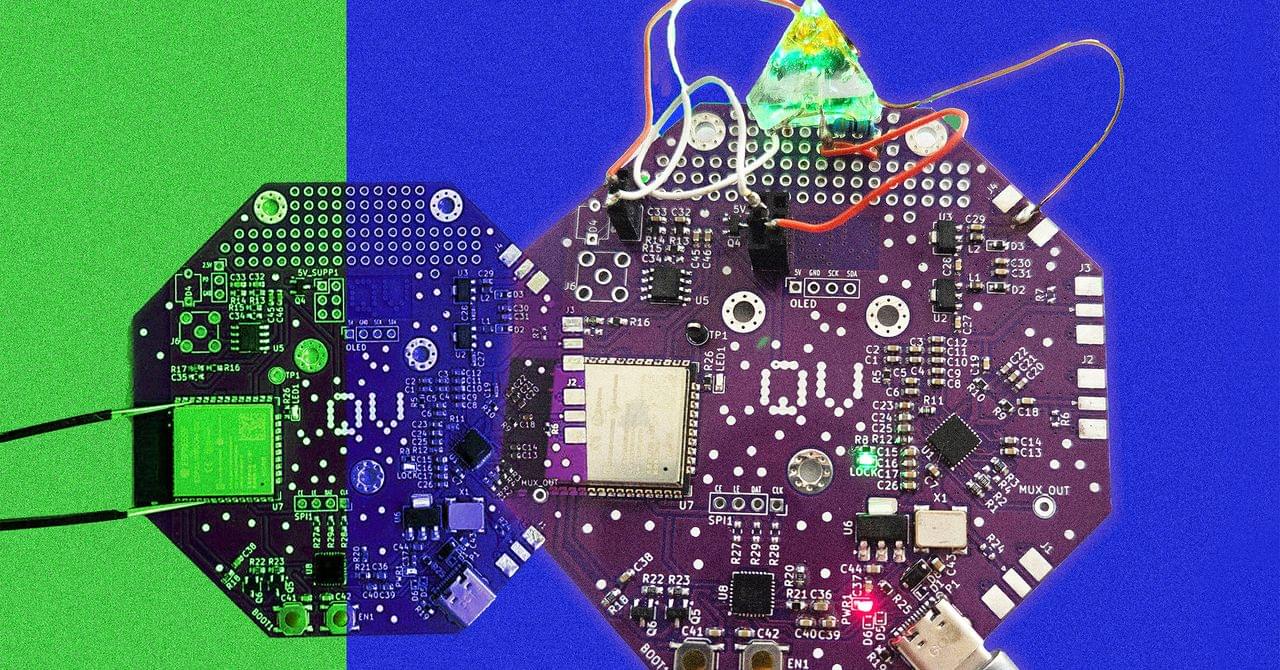
A Special Diamond Is the Key to a Fully Open Source Quantum Sensor
Quantum sensors can be used in medical technologies, navigation systems, and more, but they’re too expensive for most people. That’s where the Uncut Gem open source project comes in.