Toggle light / dark theme

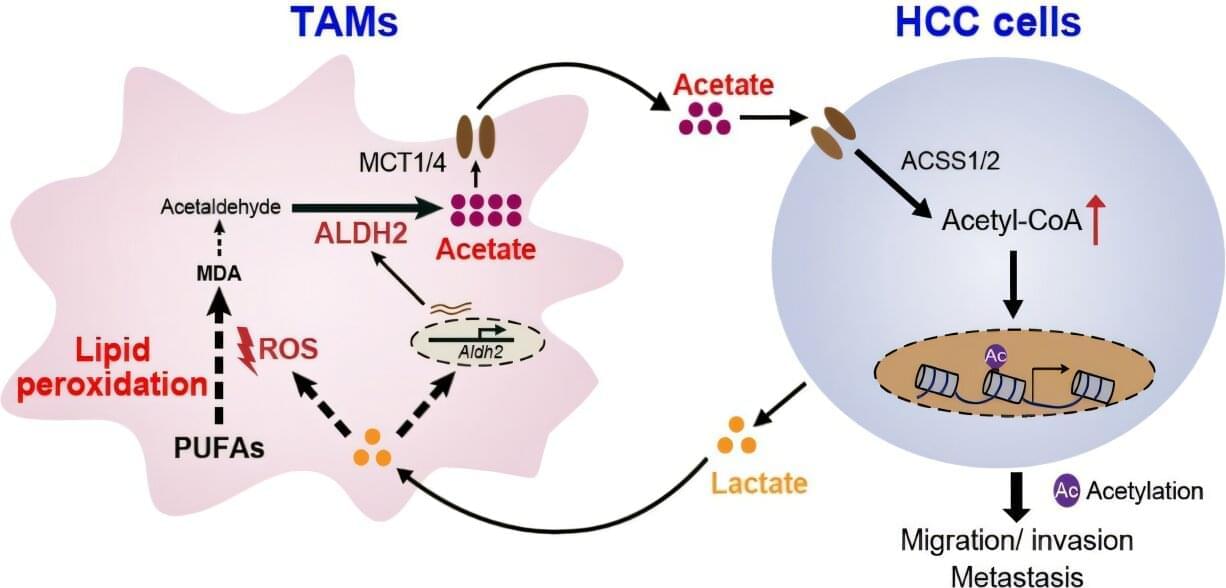
Chemotherapy-Induced Molecular Changes in Skeletal Muscle

The aim of the following paper was to overview the body-composition-related changes and molecular effects of different chemotherapy agents used in cancer treatment on skeletal-muscle remodeling.

— Pedrosa, et al.

Full text is available


Paraneoplastic conditions such as cancer cachexia are often exacerbated by chemotherapy, which affects the patient’s quality of life as well as the response to therapy. The aim of this narrative review was to overview the body-composition-related changes and molecular effects of different chemotherapy agents used in cancer treatment on skeletal-muscle remodeling. A literature search was performed using the Web of Science, Scopus, and Science Direct databases and a total of 77 papers was retrieved. In general, the literature survey showed that the molecular changes induced by chemotherapy in skeletal muscle have been studied mainly in animal models and mostly in non-tumor-bearing rodents, whereas clinical studies have essentially assessed changes in body composition by computerized tomography.

Psychology-based tasks assess multi-modal LLM visual cognition limits

Electric sparks are used for welding, powering electronics, killing germs or for igniting the fuel in some car engines. Despite their usefulness, they are hard to control in open space—they split into chaotic branches that tend to go toward the closest metallic objects.

A recent study published in Science Advances uncovers a way of transporting electricity through air by . The level of control of the electric sparks allows guidance of the spark around obstacles, or guiding it to hit specific spots, even in non-conductive materials.

“We observed this phenomenon more than one year ago, then it took us months to control it, and even longer to find an explanation,” says Dr. Asier Marzo from the Public University of Navarre, lead researcher of the work.

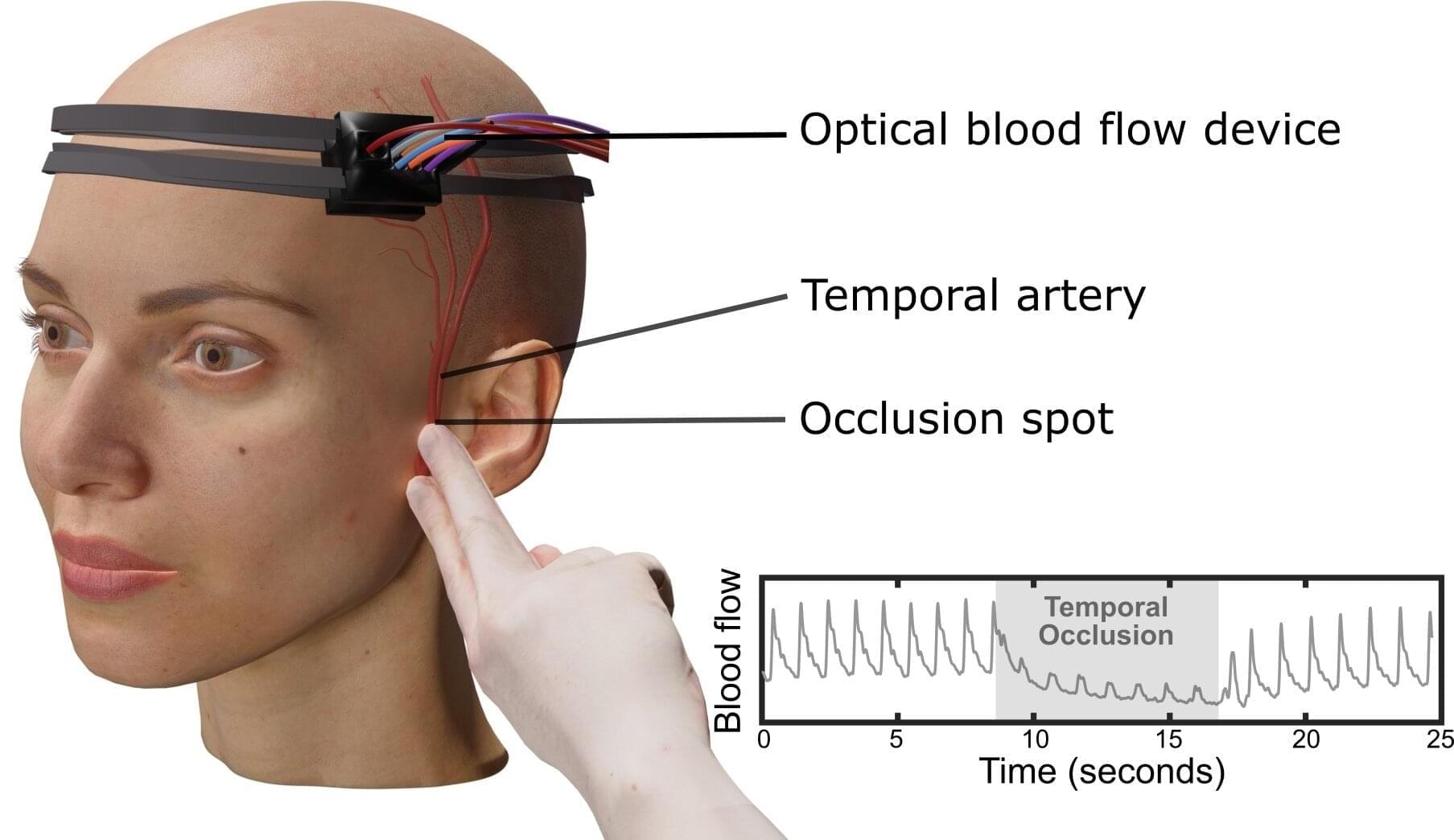
Self-powered graphene smart sensor takes the pain out of wound monitoring

The largest solar storm in two decades hit Earth in May 2024. For several days, wave after wave of high-energy charged particles from the sun rocked the planet. Brilliant auroras engulfed the skies, and some GPS communications were temporarily disrupted.

With the help of a serendipitously resurrected small NASA satellite, scientists have discovered that this also created two new temporary belts of energetic particles encircling Earth. The findings are important to understanding how future solar storms could impact our technology.

The new belts formed between two others that permanently surround Earth called the Van Allen Belts. Shaped like high above Earth’s equator, these permanent belts are composed of a mix of high-energy electrons and protons that are trapped in place by Earth’s magnetic field. The energetic particles in these belts can damage spacecraft and imperil astronauts who pass through them, so understanding their dynamics is key to safe spaceflight.

ChromoGen: Diffusion model predicts single-cell chromatin conformations

An interesting paper where Schuette et al. develop a generative diffusion-based AI model for predicting the 3D structure of chromatin. Their model takes chromatin accessibility sequence data as input and outputs a statistical distribution of predicted 3D chromatin structures. Remarkably, their model generalizes across cell types, making it broadly useful! #computationalbiology #ai #generativeai


Computational approaches for predicting chromatin conformations de novo using only sequencing data remain scarce. Compared to existing polymer simulation–based prediction approaches, ChromoGen maintains unique advantages. The generative nature of ChromoGen enables efficient production of statistically independent samples, thus avoiding the inefficient navigation of state space that polymer simulations require to produce a diverse set of conformations. Moreover, ChromoGen’s transformer-based front end provides additional advantages, extracting features from sequencing data and placing the information in low-dimensional embeddings that the diffusion model handles efficiently. This powerful design markedly reduces the computational cost of each diffusion step, providing a practical means to achieve cell type–specific de novo predictions with the full benefit of DNA sequence and chromatin accessibility data. In contrast, incorporating DNA sequence information into polymer models has long been a challenging task that is often indirectly addressed by incorporating various histone marks.

In its current form, ChromoGen can be immediately applied to any cell type with available DNAse-seq data, enabling a vast number of studies into the heterogeneity of genome organization both within and between cell types to proceed. However, several improvements could enhance its utility. Notably, the current model exclusively predicts chromatin conformations in 1.28-Mb regions at 20-kb resolution, the latter restriction primarily stemming from our decision to maximize resolution within the constraints imposed by the available Dip-C data. However, higher-resolution single-cell datasets are becoming available, such as those at 5-kb resolution (50), and we anticipate that ChromoGen will require no modifications to perform well after training on these improved datasets. Similarly, we anticipate that ChromoGen can be directly applied to longer genomic regions if using a lower resolution, e.g.

Rewriting the Rules of Aging: New Chromatin Discovery Challenges Conventional Wisdom

Published in the Journal of the American Chemical Society, the research by scientists at King’s College London and their collaborators suggests that chromatin—the complex of DNA

DNA, or deoxyribonucleic acid, is a molecule composed of two long strands of nucleotides that coil around each other to form a double helix. It is the hereditary material in humans and almost all other organisms that carries genetic instructions for development, functioning, growth, and reproduction. Nearly every cell in a person’s body has the same DNA. Most DNA is located in the cell nucleus (where it is called nuclear DNA), but a small amount of DNA can also be found in the mitochondria (where it is called mitochondrial DNA or mtDNA).

Second type of bird flu detected in US dairy cows

Dairy cattle in Nevada have been infected with a new type of bird flu that’s different from the version that has spread in U.S. herds since last year, Agriculture Department officials said Wednesday.

The detection indicates that distinct forms of the virus known as Type A H5N1 have spilled over from wild birds into cattle at least twice. Experts said it raises new questions about wider spread and the difficulty of controlling infections in animals and the people who work closely with them.

“I always thought one bird-to-cow transmission was a very rare event. Seems that may not be the case,” said Richard Webby, an influenza expert at St. Jude Children’s Research Hospital.

This Drug Could Potentially Prevent Alzheimer’s Disease

Link :


Clinical trials are underway for a drug that could potentially prevent Alzheimer’s long before it kicks in. Researchers from Washington University School of Medicine are studying the effects of an experimental antibody called remternetug.

The drug was developed by pharmaceutical giant Eli Lilly. It is designed for genetically predisposed people to develop Alzheimer’s and its study focuses on young people aged 18 and up.

Remternetug targets amyloid beta, a protein that forms plaque in the brain. The presence of plaque is one of the key hallmarks of Alzheimer’s disease. Other recently approved drugs, like donanemab, also target amyloid plaque, since that seems to be what you attack if you want to chip away at Alzheimer’s.

Indonesia’s new capital could become a hot spot for infectious diseases

A 2020 assessment of IKN by the National Planning and Development Agency highlighted the risks, citing data including the abundance of disease-carrying mosquitoes. At least two construction workers caught malaria in 2022 while at the site, according to the Ministry of Health. Last year, 54 cases were reported there, but the ministry claimed the patients were infected elsewhere. Although the construction authority has taken some control measures, such as handing out mosquito nets to workers, it’s not well-equipped for the job, says Mirza Buana, a legal scholar at Lambung Mangkurat University in South Kalimantan: “It has all the authorities but no capabilities.” The agency has shifted most of the tasks—such as vector control and screening workers entering or leaving IKN—to district health officials, who have struggled to keep up.

Surendra is particularly worried about the potential spread of P. knowlesi, a parasite first discovered in the 1930s. It emerged as a public health threat in the early 2000s, in areas in the Malaysian part of Borneo where forests were cleared for oil palm plantations. It has since been identified in many Southeast Asian countries.

P. knowlesi primarily infects long-tailed macaques, highly adaptable monkeys that thrive at the forest edge, and is spread by forest-dwelling Anopheles mosquitoes that occasionally bite humans as well. People working in or near the forest, including hunters and loggers, are at the highest risk. Because it has an animal reservoir, the disease is impossible to eliminate completely. Mosquitoes don’t transmit P. knowlesi between people—or very poorly—but some scientists worry that could change.

Scientists recode the genome for programmable synthetic proteins

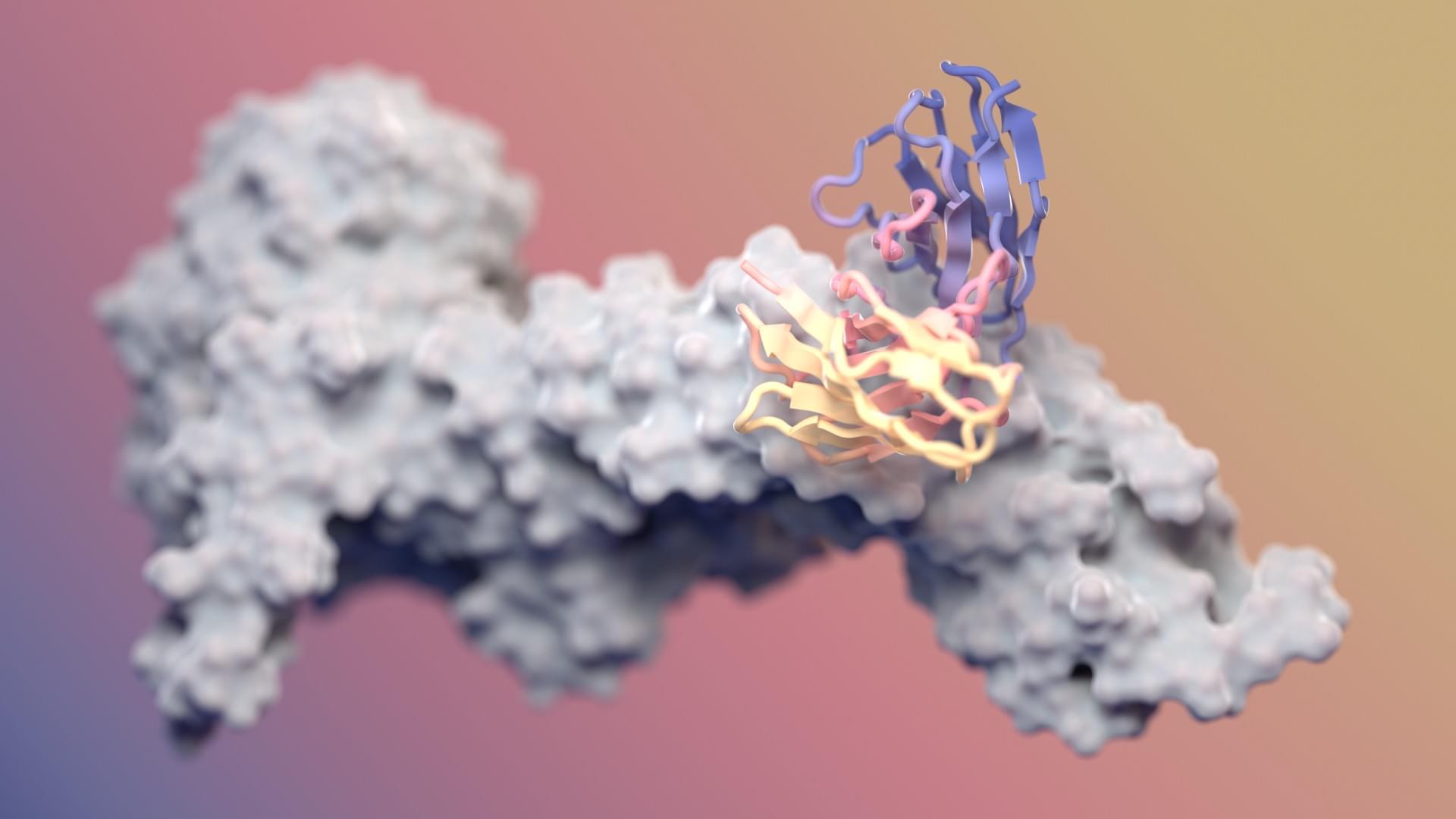
Synthetic biologists from Yale were able to re-write the genetic code of an organism—a novel genomically recoded organism (GRO) with one stop codon—using a cellular platform that they developed enabling the production of new classes of synthetic proteins. These synthetic proteins, researchers say, offer the promise of innumerable medical and industrial applications that can benefit society and human health.

The creation of the landmark GRO, known as “Ochre”—which fully compresses redundant, or “degenerate” codons, into a single codon—is described in a new study published in the journal Nature. A codon is a sequence of three nucleotides in DNA or RNA that codes for a specific amino acid, which serves as the biochemical building blocks for proteins.

“This research allows us to ask fundamental questions about the malleability of genetic codes,” said Farren Isaacs, professor of molecular, cellular and at Yale School of Medicine and of biomedical engineering at Yale’s Faculty of Arts and Sciences, who is co-senior author of the paper. “It also demonstrates the ability to engineer the genetic code to endow multi-functionality into proteins and usher in a new era of programmable biotherapeutics and biomaterials.”

/* */