Two institutions collaborate for first time in setting up new laboratory in Hong KongFocus will be on inventing means of improving diagnosis of diseases so treatment can start earlier.


Researchers have identified over 6,000 antibiotic resistance genes found in bacteria that inhabit the human gut, which is home to trillions of micro-organisms, mainly bacteria.
“Most gut bacteria live in a harmless relationship with the human host. However, the gut is also home to bacteria that can cause infections in hospitalised patients,” said one of the researchers Willem van Schaik, Professor at the University of Birmingham.
“Unfortunately, these bacteria are becoming increasingly resistant to antibiotics and we need to understand the processes that contribute to this development,” he added.
Biotechnology
Genome editing through CRISPR-Cas systems has the potential to correct genetic mutations that occur in diseased cells, such as cancer cells. However, the ability to selectively activate CRISPR-Cas systems in diseased cells is important to ensure that gene editing only occurs where it is wanted. Zhu et al. developed a system whereby gene editing could be activated by a magnetic field, thus allowing spatial control. The use of nanomagnets in their system also improved transduction into target cells in tumor-bearing mouse models. This approach could potentially allow the translation of CRISPR-Cas systems into therapeutic agents.
Nat. Biomed. Eng. 10.1038/s41551-018‑0318-7 (2018).
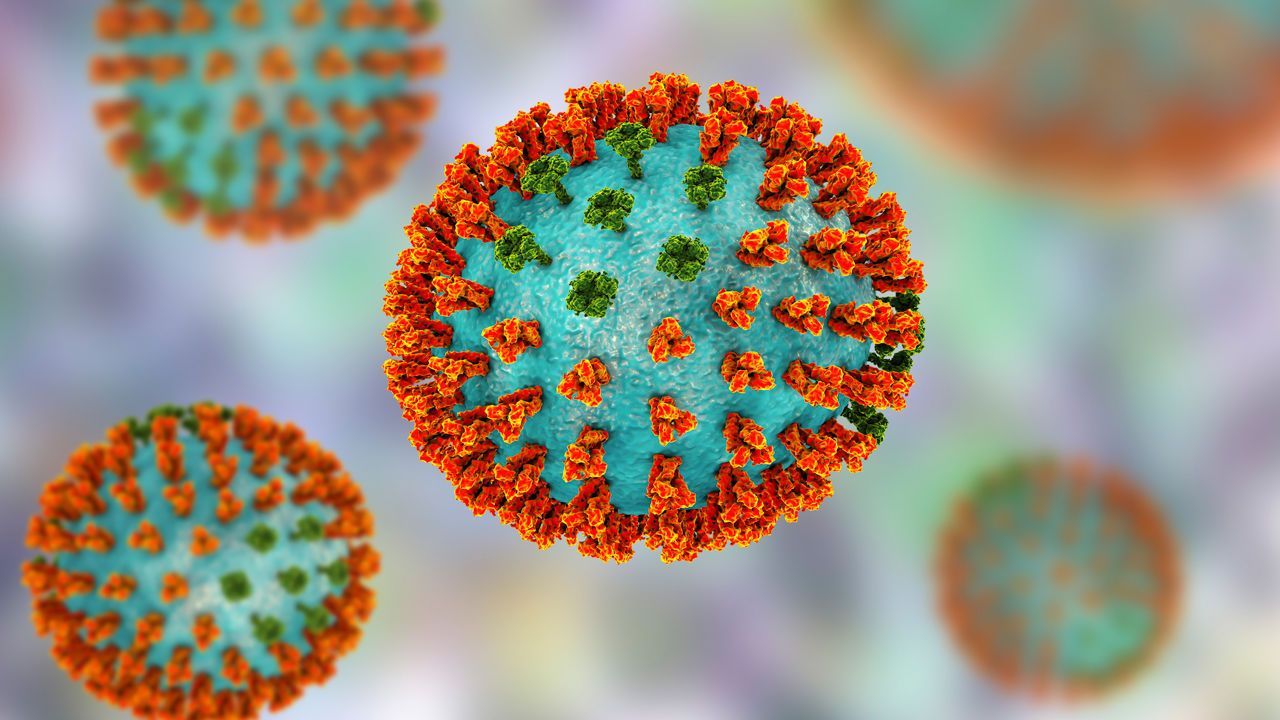
In theory, a universal flu vaccine would work if it contained parts of the virus that remained the same from year to year, the so-called conserved epitopes that make the pathogen less viable if they change. But no one has yet found the viral pieces capable of stimulating an immune response that stops most flu viruses afflicting humans.
A rapidly changing virus and a complex immune response stymie developers.

From blizzards on top of Mount Everest to the extreme cold of the Arctic to the scorching heat of the Sahara deserts, researchers can now recreate the Earth’s most extreme climates and conditions — all in one place.
The research infrastructure, terraXcube, which opened to the public in Bolzano, South Tryol, Italy, on November 30, can simulate the world’s most extreme climate and weather conditions. It can recreate environmental factors such as air pressure, air humidity, and solar radiation individually or in combination, enabling researchers to investigate how the human body reacts to various extreme climatic conditions.
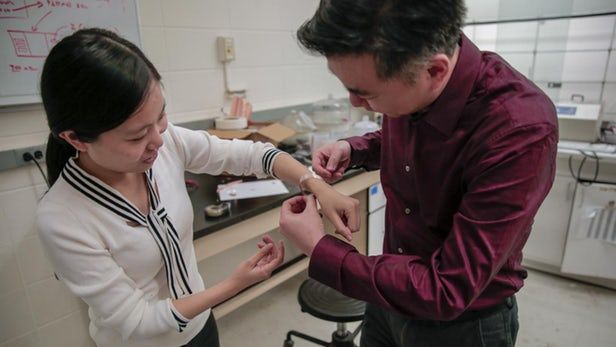
For some time now, scientists have known that electrical currents can help heal chronic wounds. And while there are electrotherapy units that are in use, they can be quite bulky and complex. That’s why researchers have created an “electric bandage” that’s powered by the motion of the body.

Very excited to join IdeaXme (http://radioideaxme.com/) as Longevity Ambassador, utilizing this wonderful media platform to help expand global awareness of the people engineering a future free of aging, disease, degeneration, and suffering.
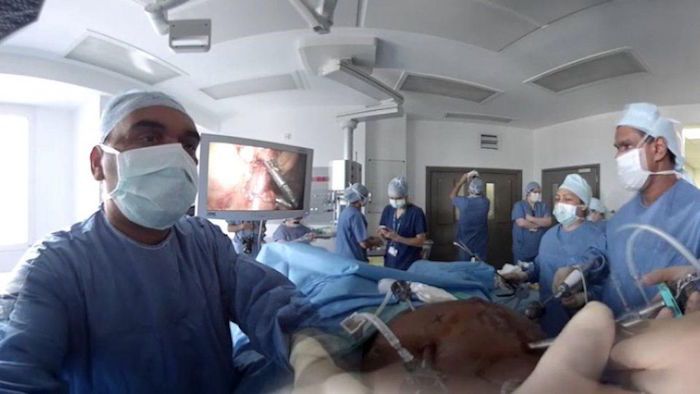
Surgery filmed in 360° and live-streamed to remote doctors could already be happening in a hospital near you.
The healthcare industry should be using Artificial Intelligence (AI) to a far greater degree than at present, but progress has been painfully slow. The same factors that make the healthcare system so attractive to AI developers – fragmented or non-existent data repositories, outdated computer systems and doctor shortages – are the same things that have stopped AI from providing the gains that should be created.
The healthcare sector also presents unique obstacles for AI: data must flow freely through AI systems to achieve real results, but extracting data from handwritten patient files or PDFs is cumbersome for us, and difficult for AI. Despite technical and operational challenges, new research suggests that the arrival of the tech giants into the industry may provide the data and the capital required to digitize this fairly untapped market.

When did you first get the science bug? For me, it was my professor Tom Carlson who taught a summer class about medical ethnobotany. Seeing him chase bumblebees around the University of California, Berkeley botanical garden and describe how they fit into a foxglove flower was a life-changing experience. And this personal story is not unique—many of us can probably name a science teacher, professor, parent, or educator who got us hooked on science. That’s why education is such an important part of what we do at Science Friday. We know that’s where the spark for science often ignites.
It’s also why we team up with science educators across the country in our Science Friday Educator Collaborative Program, in which educators work with SciFri staff to develop resources for science learners everywhere. Two of this year’s Educator Collaborators, Randy Otaka and Katie Brown guide us through their creative process of designing hands-on STEM activities—from modeling camouflaging cephalopod skin with cocktail umbrellas to using design thinking to better engineer shelters for disaster relief. And if you are an educator and this sounds like something you want to do, applications are now open for the 2019 program! Science Friday’s education director Ariel Zych joins Ira to tell you how to be a part of the next cohort.
Apply for the 2019 SciFri Educator Collaborative cohort! You can click on the green notepad at the top of this page or click here to go straight to the form. We will be accepting applications until Friday, January 4th, 2019 5 PM EST.

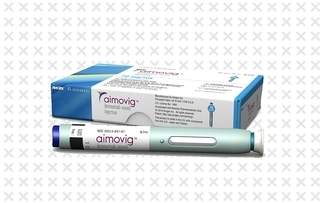
Countless new products and medications hit stores’ shelves and doctors’ prescription pads every year. Many are a result of small tweaks to already available treatments. A select few, though, totally change the game: A preventative migraine drug slashes monthly headaches in half, an injectable gene restores sight to those with a degenerative eye condition, and a better-designed sunscreen helps more people keep damaging rays at bay. These 10 medical advances represent how science, technology, and creative thinking can help us live longer, better lives.
Aimovig by Amgen & Novartis