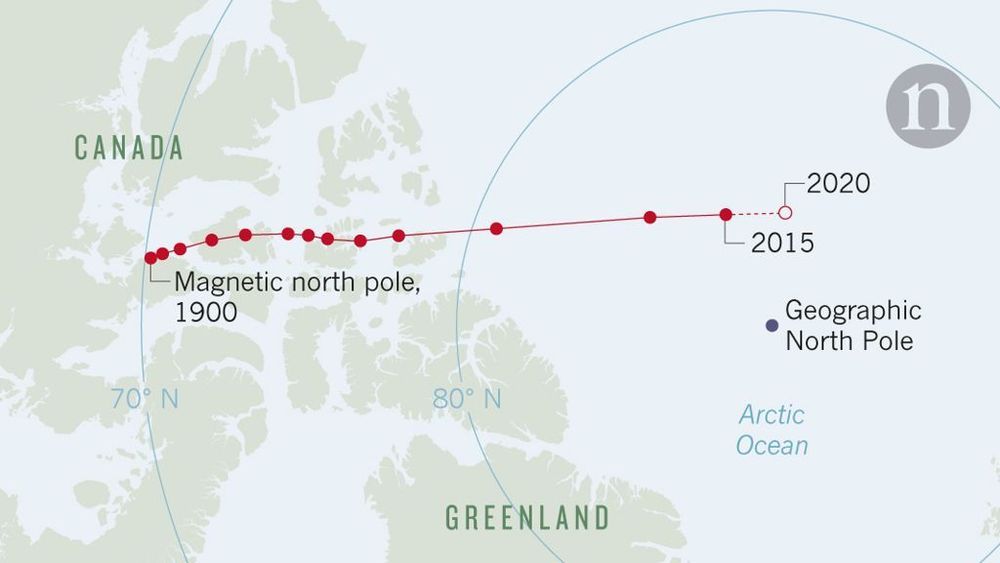
Erratic motion of north magnetic pole forces experts to update model that aids global navigation.
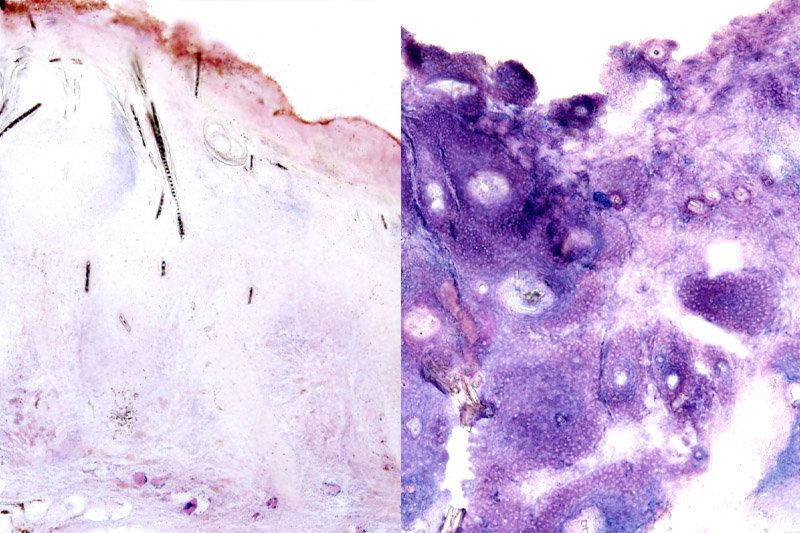
Scientists at the Eli and Edythe Broad Center of Regenerative Medicine and Stem Cell Research at UCLA have discovered that squamous cell skin cancers do not require increased glucose to power their development and growth, contrary to a long-held belief about cancer metabolism.
The findings could bring about a better understanding of many cancers’ metabolic needs and lead to the development of more effective therapies for squamous cell skin cancer and other forms of epithelial cancer.
The research, led by senior authors Heather Christofk and Bill Lowry, was published in the journal Nature Communications.
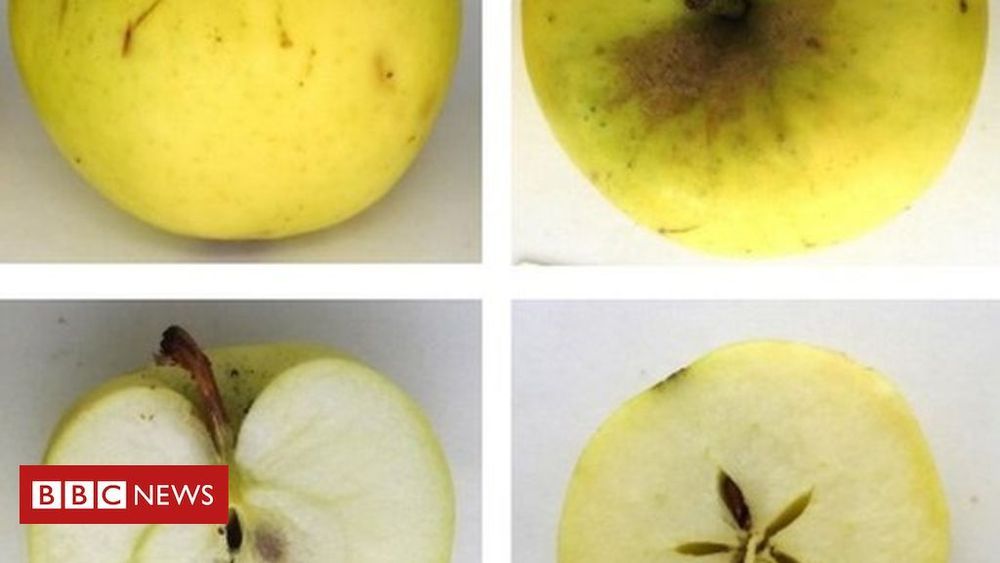
A total of 73 previously unrecorded varieties of apples and pears believed to be unique to Wales have been discovered by researchers.
About 200 trees were DNA-tested in the two-year project to find, catalogue and preserve new varieties.
Some have been propagated and are now being grown in 13 community orchards around Wales.
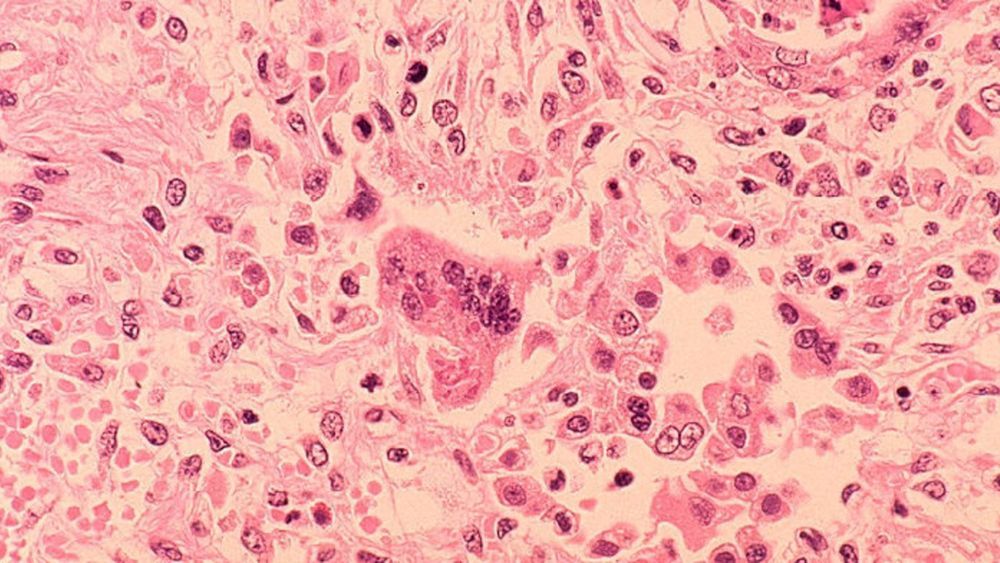
New York is in the midst of an outbreak of measles, a childhood disease that shouldn’t really exist in the U.S. any longer. On Tuesday, NBC News reported, New York health officials said the state has seen more than 100 cases of the vaccine-preventable disease since last September—a tally not seen in decades. The majority of these cases have happened among the unvaccinated.
Measles is a highly infectious disease that can be spread with a simple cough or sneeze. Its flu-like symptoms are usually followed by a distinctive, splotchy red rash that runs down from head to feet. And though most people recover without incident after a week’s time, measles can rarely cause more serious complications like hearing loss, permanent brain damage, and even death. These risks are more likely in the very young; measles can also cause birth problems in children whose mothers contract it while pregnant.
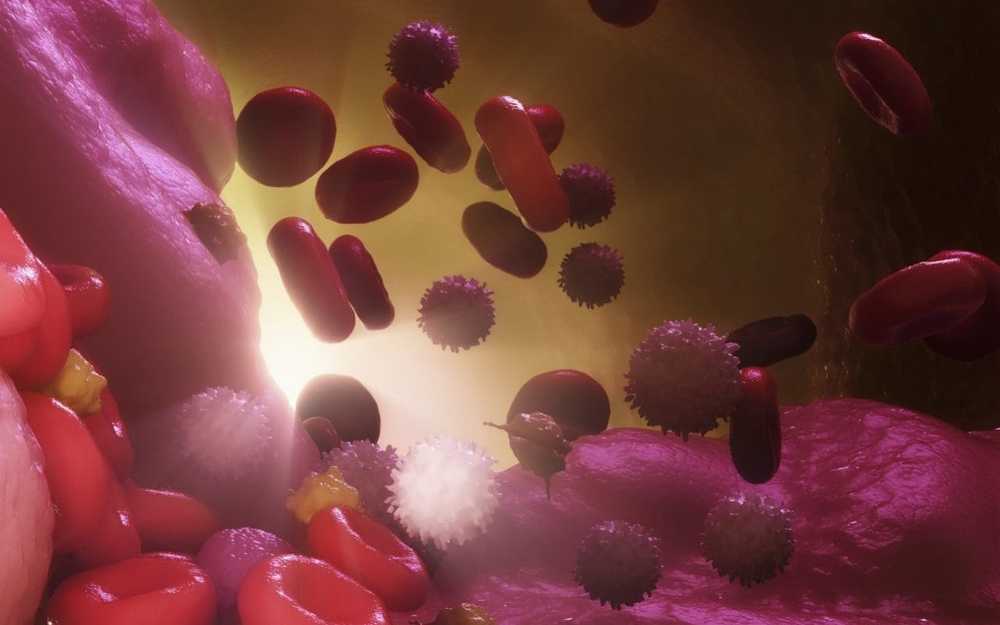
A drug to fight ageing may finally be on the horizon after the first trial in humans showed ‘impressive’ results.
For many years scientists have known that an accumulation of senescent cells in the body is linked to ageing symptoms such as frailty and arthritis, as well as diseases such as Alzheimer’s and Parkinson’s.
Senescent cells — also known as zombie cells — are not completely dead so are not cleared out by the body, but are too damaged to repair tissue or carry out normal functions. Unable to repair itself or clear out the waste, the body gradually deteriorates.
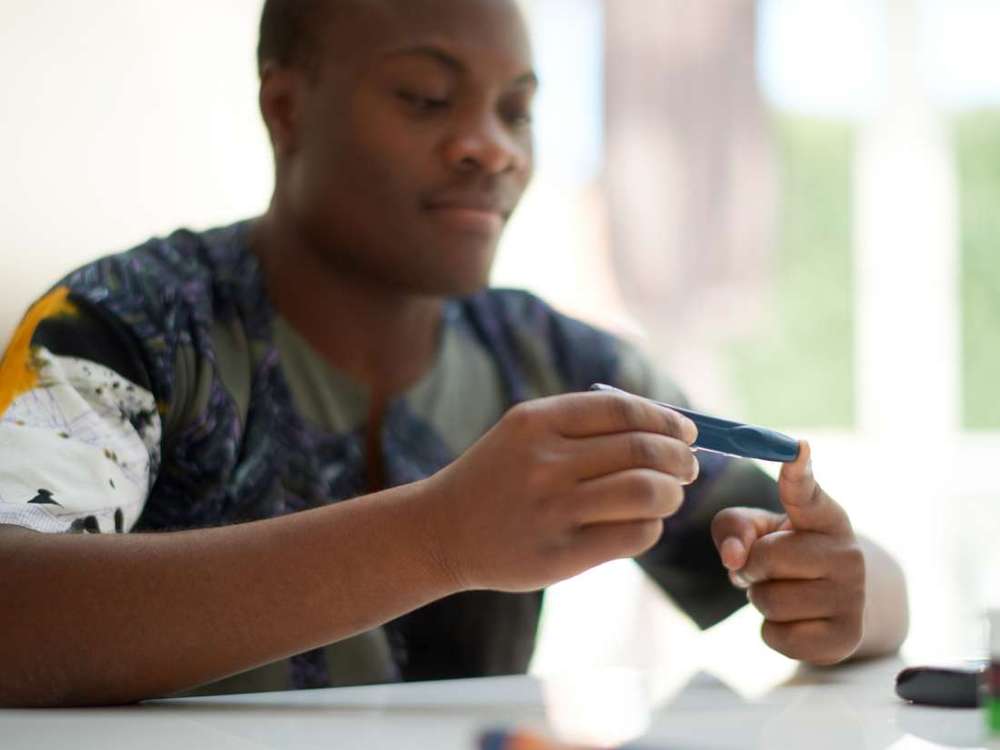
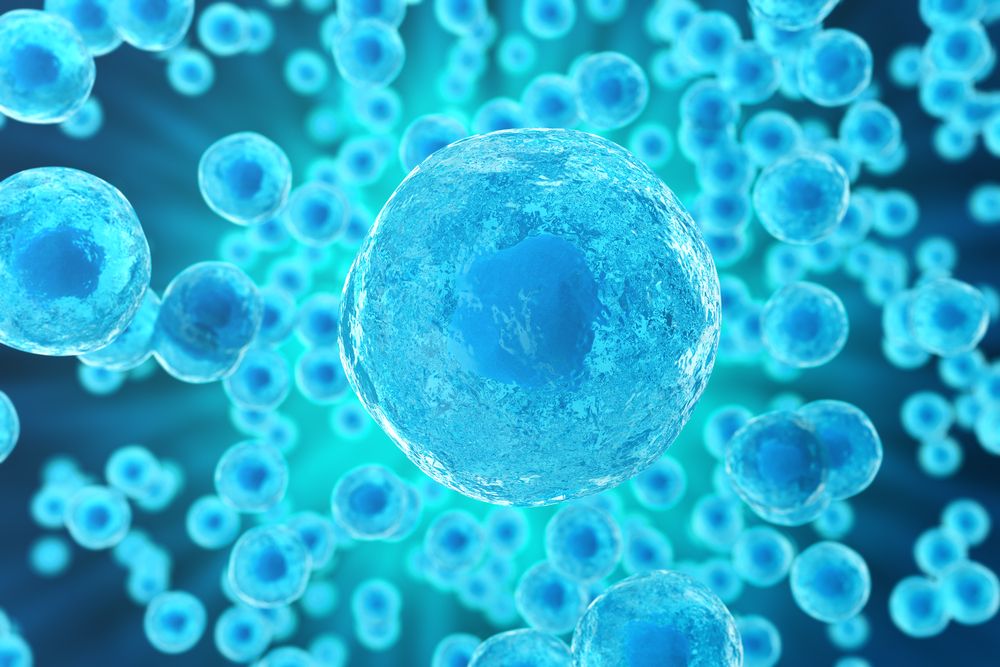
A new study published in Nature Metabolism finally reveals the answer to how NMN enters the cell in order to become NAD+ and that it does not need to convert into NR to do so.
In the last few years, there has been considerable interest in restoring levels of the nicotinamide adenine dinclueotide (NAD+) coenzyme to combat age-related diseases. Evidence suggests that NAD+ systemically declines with age in a variety of organisms, including rodents and humans, which contributes to the development of many age-related diseases and metabolic conditions.
What is NAD+?
Nicotinamide adenine dinucleotide (NAD) is a coenzyme found in all living cells. It is a dinucleotide, which means that it consists of two nucleotides joined through their phosphate groups. One nucleotide contains an adenine base, and the other contains nicotinamide.

A new device developed by Stanford University researchers could make it easier for doctors to monitor the success of blood vessel surgery. The sensor, detailed in a paper published Jan. 8 in Nature Biomedical Engineering, monitors the flow of blood through an artery. It is biodegradable, battery-free and wireless, so it is compact and doesn’t need to be removed and it can warn a patient’s doctor if there is a blockage.
“Measurement of blood flow is critical in many medical specialties, so a wireless biodegradable sensor could impact multiple fields including vascular, transplant, reconstructive and cardiac surgery,” said Paige Fox, assistant professor of surgery and co-senior author of the paper. “As we attempt to care for patients throughout the Bay Area, Central Valley, California and beyond, this is a technology that will allow us to extend our care without requiring face-to-face visits or tests.”
Monitoring the success of surgery on blood vessels is challenging as the first sign of trouble often comes too late. By that time, the patient often needs additional surgery that carries risks similar to the original procedure. This new sensor could let doctors keep tabs on a healing vessel from afar, creating opportunities for earlier interventions.

Humanity is under threat. At least according to Sir Martin Rees, one of Britain’s most esteemed astronomers.
These two kinds of technologies enable just a few people to have a hugely wide-ranging and maybe even global cascading effect. This leads to big problems of governance because you’d like to regulate the use of these things, but enforcing regulations worldwide is very, very difficult. Think how hopeless it is to enforce the drug laws globally or the tax laws globally. To actually ensure that no one misuses these new technologies is just as difficult. I worry that we are going to have to minimize this risk by actions which lead to a great tension between privacy, liberty and security.
Do you see ways that we can use and develop these technologies in a responsible way?
We’ve got to try. We can’t put the genie back in the bottle. We’ve just got to make sure that we can derive benefits and minimize risks. When I say we have a bumpy ride, I think it is hard to imagine that there won’t be occasions when there are quite serious disruptions caused by either error or by design using these new powerful technologies.
Is an American syndicated talk show airing daily on television in the U.S., Canada, Mexico, Australia, Ireland, Sweden and Finland. It debuted on September 8, 2008. The hour-long daytime program is produced by Phil McGraw and his son Jay McGraw and is distributed domestically and globally by CBS Television Distribution. The series is a spin-off of Dr. Phil and is the first talk show to be a third generation talk show spin-off, as Dr. Phil itself spun off The Oprah Winfrey Show.
Rejuvenation is a medical discipline focused on the practical reversal of the aging process.
Rejuvenation is distinct from life extension. Life extension strategies often study the causes of aging and try to oppose those causes in order to slow aging. Rejuvenation is the reversal of aging and thus requires a different strategy, namely repair of the damage that is associated with aging or replacement of damaged tissue with new tissue. Rejuvenation can be a means of life extension, but most life extension strategies do not involve rejuvenation.
Facebook: https://www.facebook.com/agingreversed
Twitter: https://twitter.com/Aging_Reversed
Support the Channel: https://goo.gl/ciSpg1
Channel t-shirt: https://teespring.com/aging-reversed