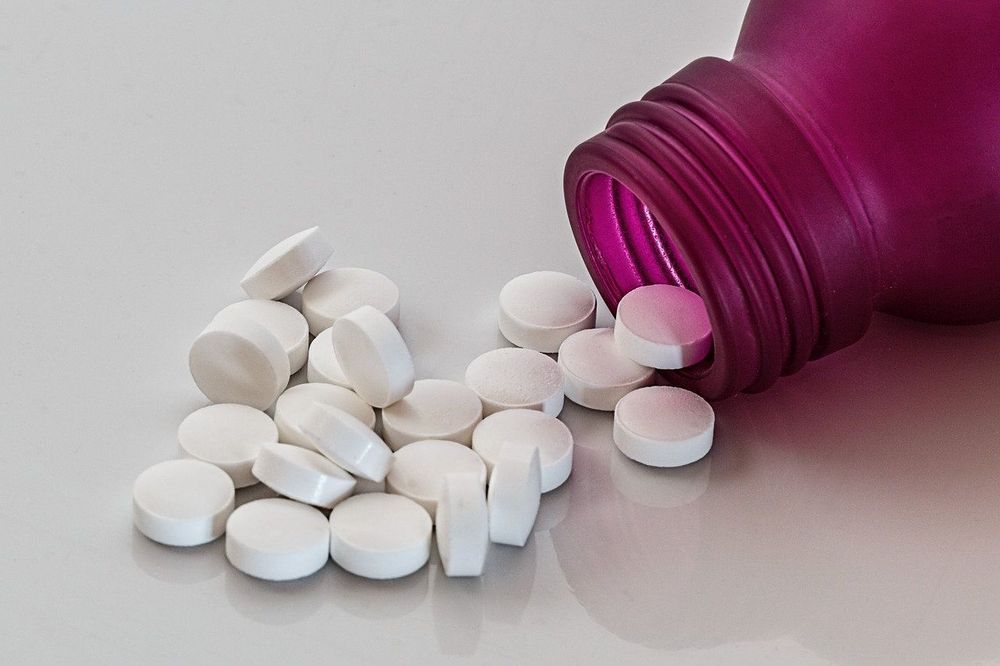
Common over-the-counter pain reliever acetaminophen, which is sold under brand names like Tylenol, may increase the risk of stroke in diabetics, according to a new study. This particular pain medication is available to purchase without a prescription in the majority of countries where it is sold, contributing to its popularity with consumers.
Category: biotech/medical – Page 3,225
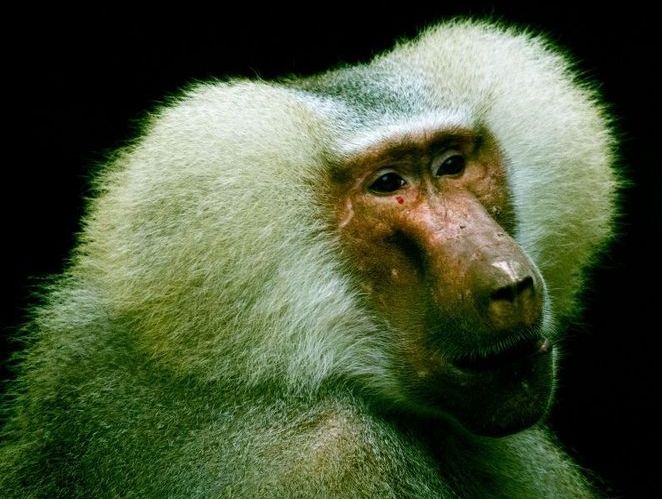
Baboons With Pig Hearts Bring Us Closer to Human-Pig Transplants
We’re headed toward a future in which anyone who needs a new heart gets one.

Amphibian ‘apocalypse’ caused by most destructive pathogen ever
The first-ever global tally of the disease’s toll reveals that it caused declines in at least 501 frog and salamander species.

2019 Gairdner Awards: Winners hailed for discoveries on DNA replication and power of stem cells to fight cancer
It is fitting, then, that the groundbreaking research he’s done on mental health has, in a very real way, improved the lives of millions of people in the developing world.
Dr. Patel is the 2019 recipient of the prestigious John Dirks Canada Gairdner Global Health Award, which recognizes “his world-leading research in global mental health, providing greater knowledge on the burden and the determinants of mental disorders in low- and middle-income countries and pioneering approach for the treatment of mental health in low-resource settings.”
Dr. Patel, a professor of global health at Harvard University, said, modestly, that his greatest achievement is “having generated knowledge to change hearts and minds about the importance of mental health everywhere in the world.”

Program: We are happy to announce Professor Barker as a speaker for the 2019 Undoing Aging Conference
http://www.undoing-aging.org/news/professor-richard-barker-t…nbrFm8JTxA
Richard is an internationally respected leader in healthcare and life sciences. He says: “I’m focused on accelerating precision medicine technologies to advance our healthy lifespan”.
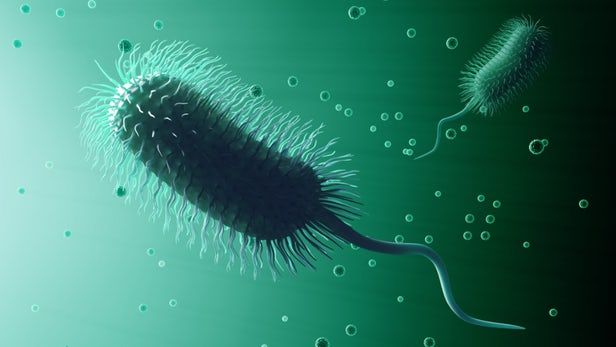
Anti-evolution drugs could keep gambling bacteria from developing antibiotic resistance
Bacteria are fast evolving resistance to antibiotics, which is fast-tracking us to a future where our best drugs no longer work and simple infections become life-threatening once again. While new antibiotics are in the works, the bugs will eventually develop resistances to those too, so a longer term strategy might be to prevent them from evolving in the first place. A new study has found that bacteria use clever gambles to adapt – and showed how we could rig the game in our favor.

Transplant Patients Need Anti-Rejection Drugs. Why Won’t Insurers Pay for Some of Them?
Drugs to prevent organ rejection are not always covered for patients who had transplants before they enrolled in Medicare.
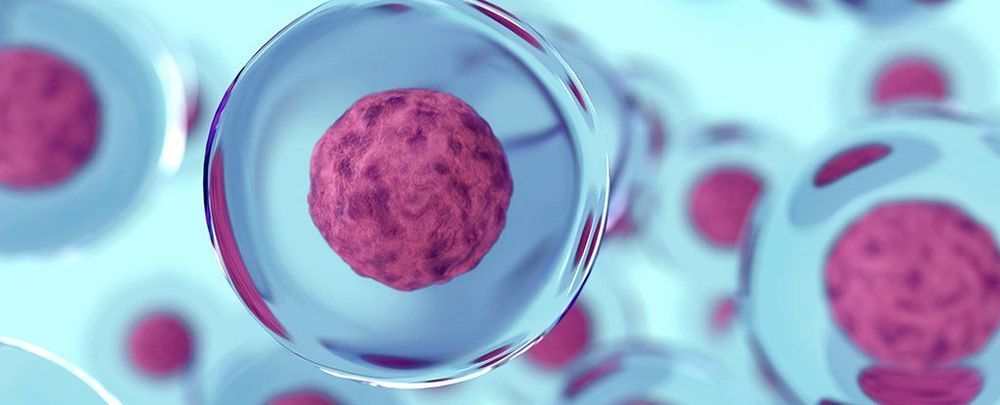
Scientists Create an Artificial Cell That Makes Its Own Energy
Artificial cells created inside the lab have taken another major step forward, with scientists developing cells that are able to produce their own chemical energy and synthesise parts of their own construction.
That makes these artificial cells a lot more like real, biological cells – cells that can construct and organise their own building blocks naturally.
Not only could this help us understand how real cells work and come into being in the first place, it could also be vital for a host of other areas of research – such as ongoing efforts to produce artificial organs and other body tissue to fight back against disease.
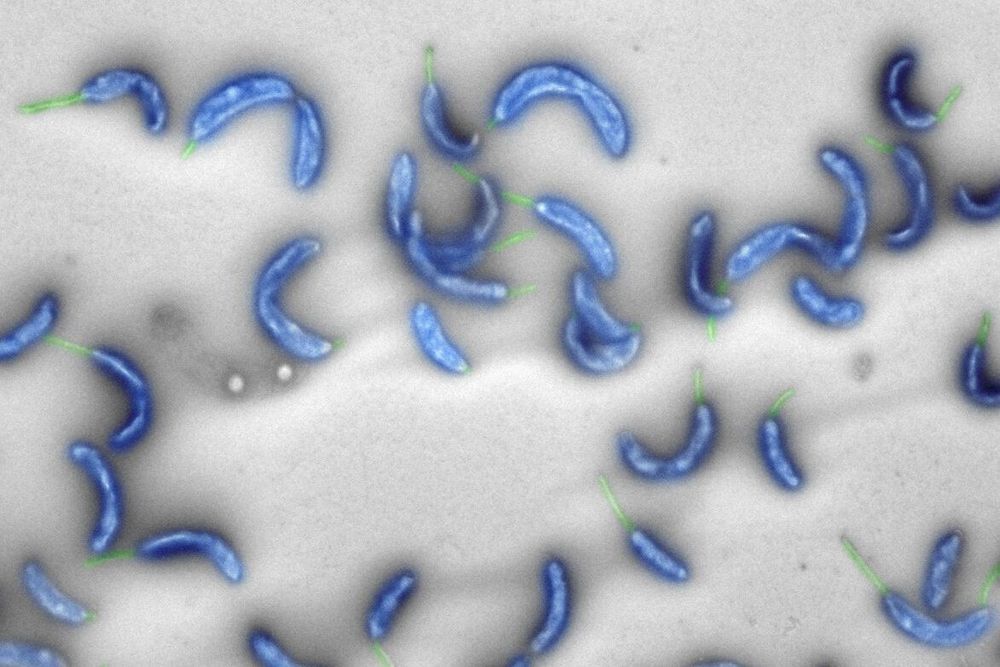
First bacterial genome created entirely with a computer
All the genome sequences of organisms known throughout the world are stored in a database belonging to the National Center for Biotechnology Information in the United States. As of today, the database has an additional entry: Caulobacter ethensis-2.0. It is the world’s first fully computer-generated genome of a living organism, developed by scientists at ETH Zurich. However, it must be emphasised that although the genome for C. ethensis-2.0 was physically produced in the form of a very large DNA molecule, a corresponding organism does not yet exist.

Building blocks of DNA and RNA could have appeared together before life began on Earth
Scientists for the first time have found strong evidence that RNA and DNA could have arisen from the same set of precursor molecules even before life evolved on Earth about four billion years ago.