Toggle light / dark theme

“Interscatter” Tech Converts Bluetooth For WiFi-Connected Implants

Nice.


Engineers at the University of Washington (UW) have devised a new method of wireless communication that converts Bluetooth transmission from mobile devices into Wi-Fi signals. Using this “interscatter” communications technology allows medical devices and implants with limited power sources to gain the ability to send data using low-power Wi-Fi signals to smartphones and smartwatches.

The UW team previously described the technique of “backscattering” ambient RF signals — repurposing existing RF signals in the environment — to enable device-to-device communication without the need for onboard power sources. Now, the team builds on that prior research to introduce “interscattering,” the inter-technology, over-the-air conversion of Bluetooth signals to create Wi-Fi transmissions.

The researchers wrote in a paper that novel medical devices, such as smart contact lenses and neural implants, currently have power constraints that limit their ability to generate Wi-Fi, Bluetooth, or ZigBee transmissions to communicate with smartphones, watches, and tablets. To overcome this, the researchers suggest an interscaterring communication system.

An Interview with Kelsey Moody of Ichor Therapeutics, Bringing a SENS Therapy for Macular Degeneration to the Clinic

Will Ichor Therapeutics be the first to clinic with a SENS based approach?


As I mentioned last week, earlier this year Fight Aging! invested a modest amount in the Ichor Therapeutics initiative to develop a treatment for macular degeneration, joining a number of other amateur and professional investors in helping to get this venture started. The approach taken here is based on the results of research carried out at the Methuselah Foundation and SENS Research Foundation over much of the past decade, funded by philanthropists and the support of our community of longevity science enthusiasts. This is how we succeed in building the future: medical science in the laboratory leads to medical development in startup companies, each new stage bringing treatments capable of repairing specific forms of age-related molecular damage that much closer to the clinic.

Ichor Therapeutics is one of a growing number of success stories to emerge from the SENS rejuvenation research community. Young scientists, advocates, and donors involved in earlier projects — years ago now — have gone on to build their own ventures, while retaining an interest in stepping up to do something meaningful to help bring an end to aging. Back in 2010, Kelsey Moody worked on the LysoSENS project to find ways to break down damaging metabolic waste in old tissues; fast-forward six years, and he is the now the CEO of a successful small biotechnology company with a great team, taking that very same technology and putting it to good use. I recently had the chance to ask Kelsey a few questions about the future of SENS rejuvenation research, as well as how the Ichor scientists intend to construct a new class of therapy for macular degeneration, one based on removing one of the root causes of the condition.

Quote:

Paralyzed Man Regains Hand Movement, Thanks to First-Ever Nerve-Transfer Surgery

Beginning with a twitch in his fingers about six months ago, a Canadian man has successfully re-animated his paralyzed hand after undergoing a nerve transfer surgery.

Tim Raglin regularly dove, headfirst, into the water at his family’s lake house. The 45-year old Canadian man had done so thousands of times without incident. In 2007, though Raglin hit his head on a rock in the shallow water, shattering a vertebra in his cervical spine.

His family pulled him to safety, saving him from drowning. However, for nine years, both his hands and feet were left paralyzed.

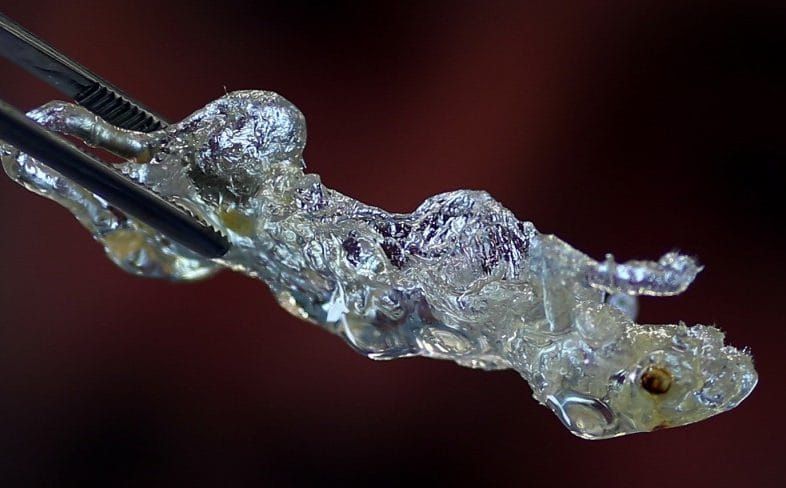
U of California: Nano submarines could change healthcare, says nanoengineer professor

Rebirth of the 1960s cult classic “Fantastic Voyage”; however, this time its not a movie.


When asked what exactly a “nano submarine” was, University of California San Diego chair of nanoengineering professor Joseph Wang described it as like something taken from the 1966 film Fantastic Voyage, where medical personnel board a submarine were shrunk to microscopic size to travel through the bloodstream of a wounded diplomat and save his life.

Professor Wang said his team was getting closer to the goal of using nano submarines in a variety of ways, minus the shrunken humans and sabotage of the 1966 film.

“It’s like the Fantastic Voyage movie, where you want to improve therapeutic and diagnostic abilities through proper timing and proper location to improve efficiency,” he said.

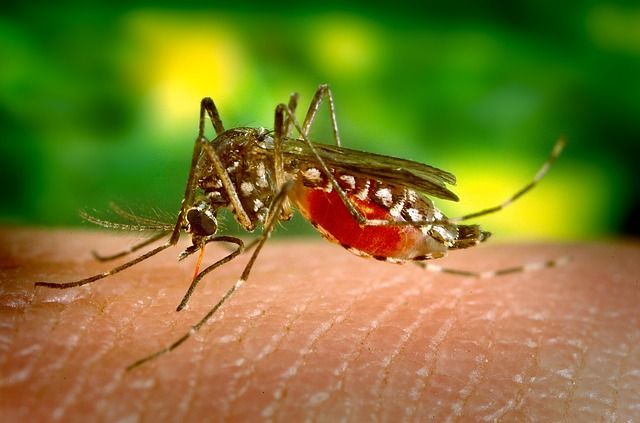
Brain Malware — Here’s How Hackers Can Get Inside Your Head

I have share my own risks on BMI a while back especially that which is connected (net, cloud, etc.)


brain malware 1Short Bytes: For a moment, forget computer and smartphone malware. There’s even a bigger danger in town in the form of brain malware. By exploiting brain-computer interfaces (BCI) being used in medical and gaming applications, hackers can read your private and sensitive data. Recently, a team of researchers from the University of Washington shed more light on the subject, demanding a policy-oriented regulation on BCIs.

Long-Term, Intensive Robot-Assisted Therapy Helps Paraplegic Patients Walk Again

NORWELL, Mass.—()— Last week, Nature Publishing Group sent the scientific areas of the Internet into a frenzy by publishing a groundbreaking study that proves the positive effects of long-term training with Brain Machine Interfaces (BMI) on patients who have suffered a spinal cord injury (SCI).

The study titled “Long-Term Training with a Brain-Machine Interface-Based Gait Protocol Induces Partial Neurological Recovery in Paraplegic Patients” was conducted by an international group of scientists, led by the Duke University neurobiologist Miguel Nicolelis and demonstrates that it’s never too late to start intensive therapy.

/* */