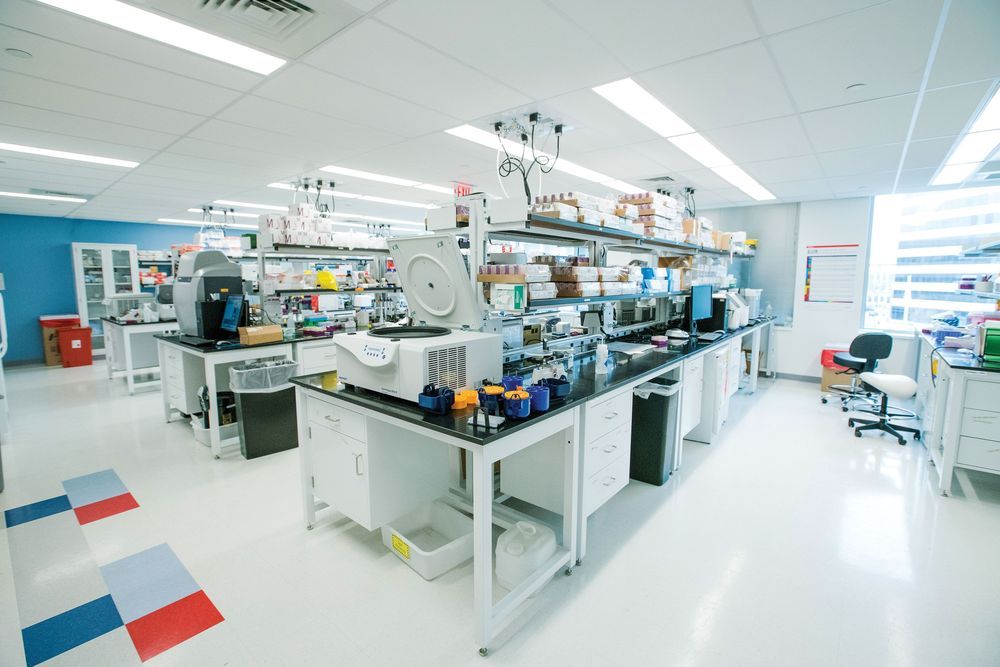
Thomas Durcan’s lab is growing 3D mini-brains in the search for a cure for Parkinson’s disease. Over the next year he is giving all his lab’s protocols, methods and results away.

A new method enables researchers to test algorithms for spotting genes that contribute to a complex trait or condition, such as autism.
Researchers often study the genetics of complex traits using genome-wide association studies (GWAS). In these studies, scientists compare the genomes of people who have a condition with those of people without the condition, looking for genetic variants likely to contribute to the condition. These studies often require tens of thousands of people to yield statistically significant results.
GWAS have identified more than 100 genomic regions associated with schizophrenia, for example, and 12 linked to autism. Results are often difficult to interpret, however. Causal variants for a condition may be inherited with nearby sections of DNA that do not play a role.

The Democratic Republic of the Congo (DRC) recorded at least 51 new cases of the Ebola virus since the beginning of the week, while two screening tents in Kasese, a Ugandan village that shares a border with the DRC, were burned after Ugandan workers detected a high fever in a Congolese boy trying to gain entry into Uganda.
Since the outbreak started nearly a year ago in North Kivu and Ituri provinces, DRC, neighboring countries have screened travelers through hundreds of points-of-entry (POE) screening sites.
On Wednesday, officials quoted in a Ugandan newspaper said the fires started after a teenage boy entering Uganda from the DRC tested positive for a high fever and was taken to a hospital in DRC.
David Sinclair PhD is a biologist and Professor of Genetics at Harvard Medical School, co-director of the Paul F. Glenn Center for the Biological Mechanisms of Aging and author of the forthcoming book “Lifespan: The Revolutionary Science of Why We Age — and Why We Don’t Have To”.
This conversation is about the science behind aging and David’s research on the biology of lifespan extension, treating diseases of aging and extending human lifespan.
Note — this is AUDIO ONLY (we didn’t film this podcast)
Enjoy!
✌🏼🌱 — Rich
PODCAST, BLOG & SHOW NOTES
http://bit.ly/richroll436
DAVID SINCLAIR, PhD

You don’t improve the body by breaking its parts. In the case of prostate cancer this might be a fair trade-off, but unless you have a specific medical condition that is serious and life-threatening you should not be poisoning yourself with metabolism breaking chemicals. They will have negative impacts all over the body as a rule.
A study of more than 150,000 men with prostate cancer found that a certain hormone treatment is linked with increased risks of dementia and Alzheimer’s.
There’s a 20-percent higher chance of having dementia for older men who have taken the prostate cancer treatment, according to the research study from JAMA Network. That drug treatment, called androgen deprivation therapy (ADT), is used to suppress male hormones (like testosterone) that can help to spread prostate cancer in the body.

Aging manifests itself through a decline in organismal homeostasis and a multitude of cellular and physiological functions. Efforts to identify a common basis for vertebrate aging face many challenges; for example, while there have been documented changes in the expression of many hundreds of mRNAs, the results across tissues and species have been inconsistent. We therefore analyzed age-resolved transcriptomic data from 17 mouse organs and 51 human organs using unsupervised machine learning3 –5 to identify the architectural and regulatory characteristics most informative on the differential expression of genes with age. We report a hitherto unknown phenomenon, a systemic age-dependent length-driven transcriptome imbalance that for older organisms disrupts the homeostatic balance between short and long transcript molecules for mice, rats, killifishes, and humans. We also demonstrate that in a mouse model of healthy aging, length-driven transcriptome imbalance correlates with changes in expression of splicing factor proline and glutamine rich (Sfpq), which regulates transcriptional elongation according to gene length. Furthermore, we demonstrate that length-driven transcriptome imbalance can be triggered by environmental hazards and pathogens. Our findings reinforce the picture of aging as a systemic homeostasis breakdown and suggest a promising explanation for why diverse insults affect multiple age-dependent phenotypes in a similar manner.
The transcriptome responds rapidly, selectively, strongly, and reproducibly to a wide variety of molecular and physiological insults experienced by an organism. While the transcripts of thousands of genes have been reported to change with age, the magnitude by which most transcripts change is small in comparison with classical examples of gene regulation2,8 and there is little consensus among different studies. We hence hypothesize that aging is associated with a hitherto uncharacterized process that affects the transcriptome in a systemic manner. We predict that such a process could integrate heterogenous, and molecularly distinctive, environmental insults to promote phenotypic manifestations of aging.
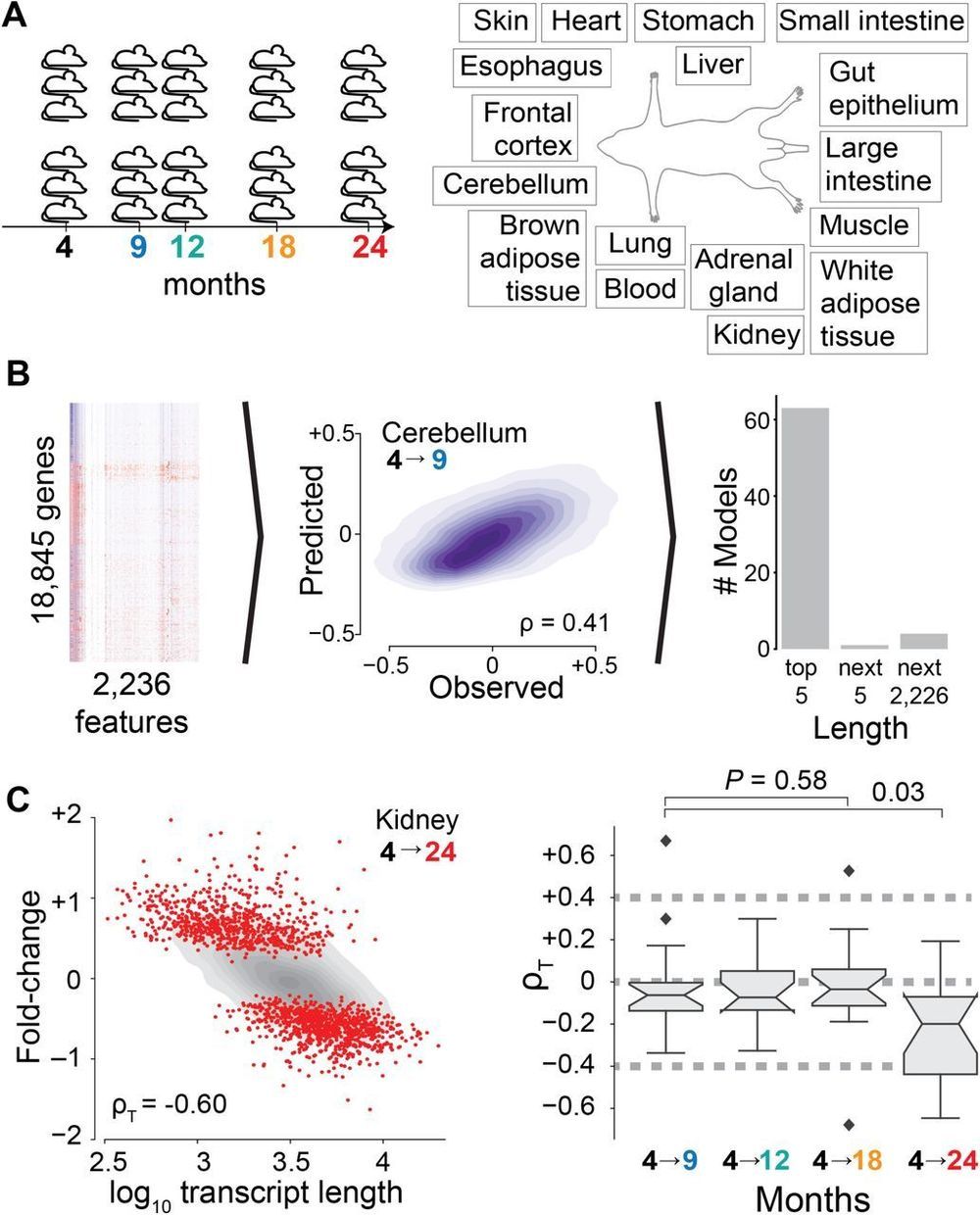
We use an unsupervised machine learning approach3 –5 to identify the sources of age-dependent changes in the transcriptome. To this end, we measure and survey the transcriptome of 17 mouse organs from 6 biological replicates at 5 different ages from 4 to 24 months raised under standardized conditions (Fig. 1A). We consider information on the structural architecture of individual genes and transcripts, and knowledge on the binding of regulatory molecules such as transcription factors and microRNAs (miRNAs) (Fig. 1B). We define age-dependent fold-changes as the log2-transformed ratio of transcripts of one gene at a given age relative to the transcripts of that gene in the organs of 4-month-old mice. As expected for models capturing most measurable changes in transcript abundance, the predicted fold-changes (Fig. S1) match changes empirically observed between distinct replicate cohorts of mice (Figs. S2 and S3).
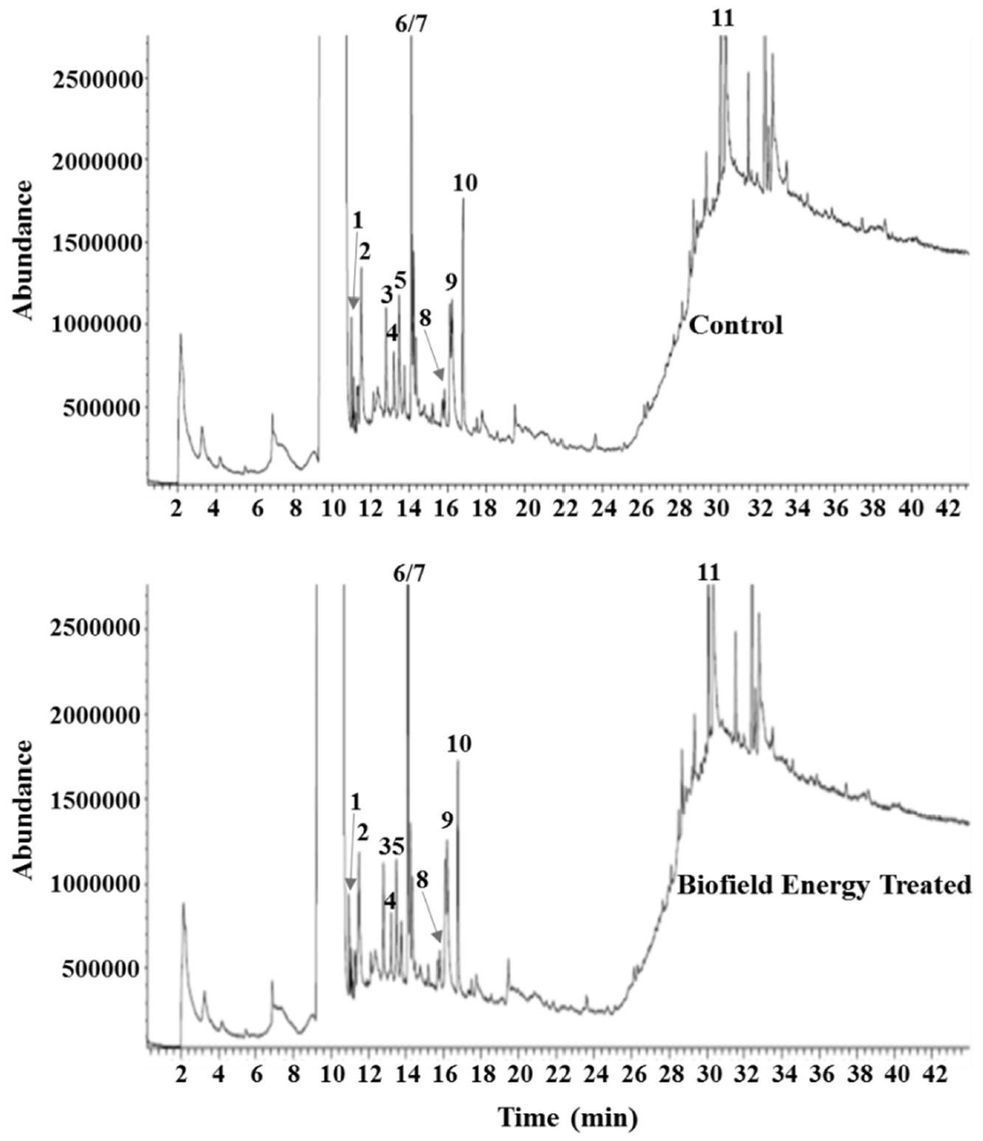
Withania somnifera (Ashwagandha) root extract is very popular ancient herbal medicine. The objective of the study was to characterize and evaluate the impact of The Trivedi Effect® — Energy of Consciousness Healing Treatment (Biofield Energy Healing) on phytoconstituents present in the ashwagandha root extract using GC-MS and NMR. Ashwagandha root extract was divided into two parts. One part was denoted as the control, while the other part was defined as The Trivedi Effect® — Biofield Energy Treated sample, which received The Trivedi Effect® — Energy of Consciousness Healing Treatment remotely from eighteen renowned Biofield Energy Healers. The GC-MS data indicated that the peak height and peak area of The Trivedi Effect® treated sample were found to be altered compared with the control sample. The peak height of the phytoconstituents present in the treated ashwagandha sample was altered significantly in the range of −8.32% to 89.25% compared with the control sample. Similarly, the peak area of the treated sample was altered significantly in the range of — 4.28% to 216.30% compared with the control sample. Overall, the change in the peak area% of the treated sample was significantly altered in the range of −18.29% to 170.18% compared with the control sample. The GC-MS and NMR analysis results identified the presence of withanolides such as glyco-withanolides, alkaloids, and sugars in the root extract in both the sample. The peak area of 2,3,4,5-tetrahydropyridazine , methyl ethyl sulfoxide , 5,6-dihydro-2-methyl-4(H)pyran-3,4-dione , diethoxy-2-methyl-propane , 2,3,4,5-tetrahydroxy-tetrahydro-pyran , and 3,4-dimethyl-2(3H)-furanone were significantly increased by 170.18%, 58.21%, 7.74%, 139.50%, 23.16%, and 45.63%, respectively in the treated sample compared with the control sample. On the contrary, the peak area% of 2-hydroxy-γ-butyrolactone was decreased by — 14.96% in the treated ashwagandha compared with the control sample. From the results, it can be hypothesized that The Trivedi Effect® — Biofield Energy Treatment might have the impact on the intrinsic physicochemical properties of the phytoconstituents present in the ashwagandha root extract and responsible for the alteration in the relative peak height/area of treated sample compared with the control sample. As a result, the concentrations of the phytoconstituents assumed to be increased in treated sample compared with the control sample. This treated ashwagandha root extract would be helpful for designing better nutraceutical/pharmaceutical formulations which might be providing a better therapeutic response against autoimmune diseases, nervous and sexual disorders, infectious diseases, antiaging, diabetes, cancer, immunological disorders, stress, arthritis, etc.
Keywords:
Biofield Energy Healing Treatment, Biofield Energy Healers, Consciousness Energy Healers, The Trivedi Effect®, Withania somnifera, Withanolides, GC-MS, NMR.
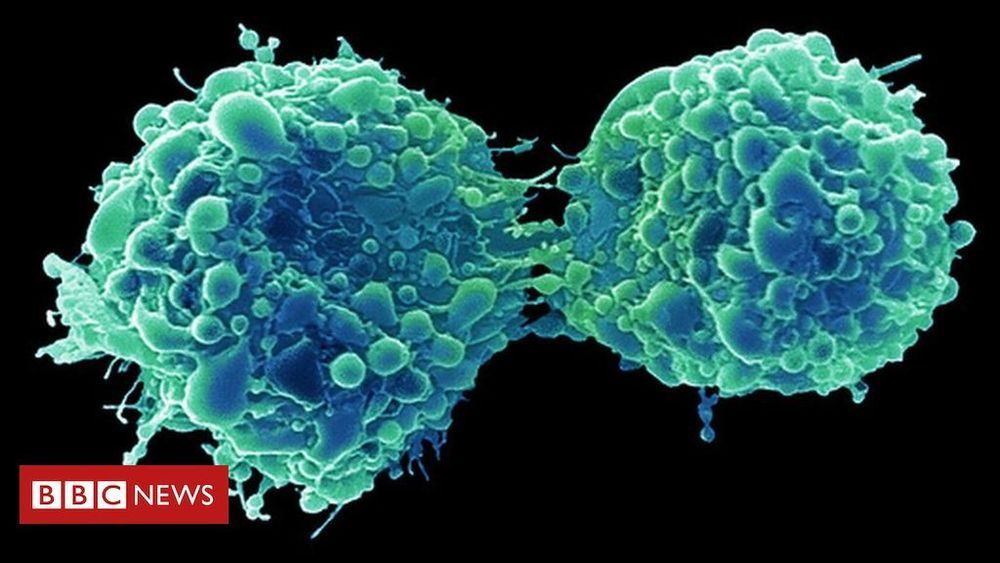
HOT OFF THE PRESS! The cohort size (15 patients) is small, but this approach of successfully using viruses against cancer is worth celebrating! https://www.bbc.com/news/health-48868261
A small UK study found promising signs of a kinder, less invasive treatment for the disease.