One major concern this time of year is how to undo the excess of the holidays. Helping the gut microbiome is a start. Health-Ade Kombucha is a fermented tea that contains probiotics—the same stuff you get from miso, sauerkraut, and yogurt—which can help add to the healthy bacteria in your gut. Have a serving in the morning to aid in digestion throughout the day.
Category: biotech/medical – Page 2,930
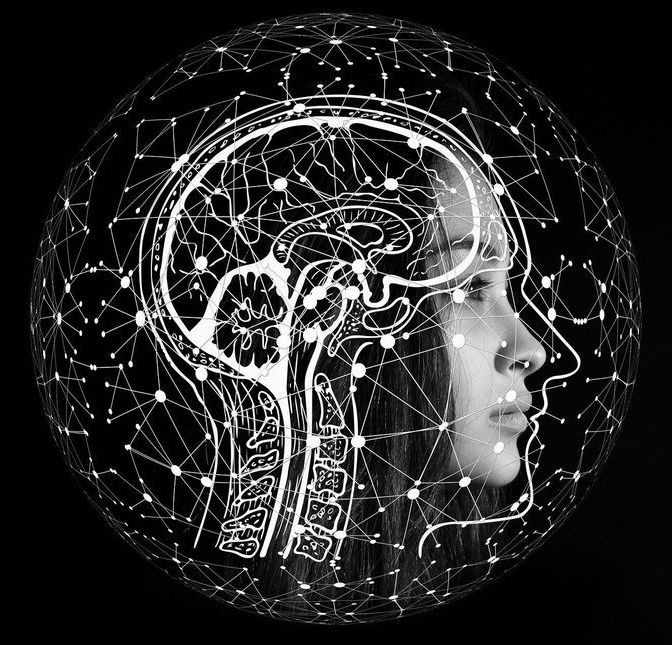
How nanoparticles from the environment enter the brain
A group of scientists from the Russian Academy of Sciences (ICG SB RAS) and the TSU Biological Institute has established a path through which nanoparticles of viruses and organic and inorganic substances from the environment enter the brain. Additionally, the researchers report a simple and inexpensive way to block their entry. The data obtained by the project could play a large role in medicine and pharmaceuticals, where nanoparticles are increasingly used for the diagnosis and treatment of serious diseases.
“There are a large number of nanoparticles of a wide variety of chemical elements and their compounds in the environment, ranging from harmless to toxic, for example, heavy metal oxides,” says Mikhail Moshkin, director of the Center for Laboratory Animal Genetic Resources of the ICG SB RAS. “Scientists have accumulated data that indicate the adverse effect of nanoparticles, for example, people who live closer than 50 meters to large highways may develop neurodegenerative diseases (Alzheimer’s, Parkinson’s and others) due to the accumulation of nanosized particles in the brain.”
The researchers sought to determine how nanoparticles enter the brain. They cannot penetrate through the lungs and blood vessels because the blood-brain barrier blocks them from the brain. Experiments conducted on rodents helped calculate the trajectory of the movement of nanoparticles.

Rapamycin May Slow Skin Aging
Once you hit a certain age you start to see subtle changes and many begin to search for options to hold onto the appearance of youthfulness for as long as they can in the form of lotions, potions, creams, supplements, serums, diets, and concoctions among others.
Soon there may be a new addition to the anti-aging lineup, that being rapamycin which is an FDA approved drug that is normally used to prevent organ rejection after transplant, the drug may also be helpful in slowing in aging skin according to a recent study published in Geroscience.
Studies have used rapamycin to effectively slow aging in worms, flies, and mice but this study from Drexel University College of Medicine is the first to show an effect on aging in human tissues, specifically the skin; findings showed signs of aging to be reduced including decreases in wrinkles, reduced sagging, and more even skin tone when delivered to humans topically.
Buzzing through the blood-brain barrier
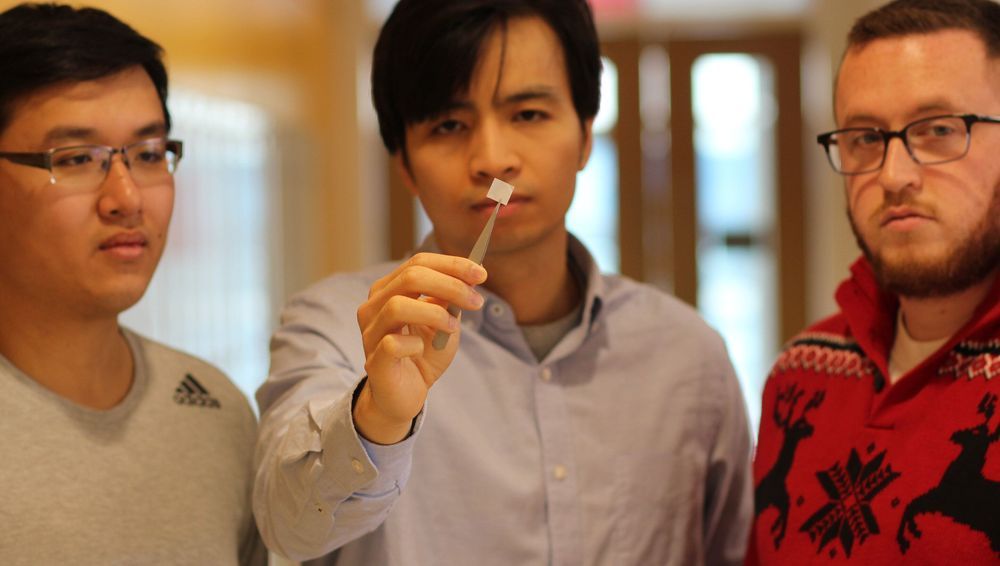
UConn engineers have designed a non-toxic, biodegradable device that can help medication move from blood vessels into brain tissues —a route traditionally blocked by the body’s defense mechanisms. They describe their invention in the 23 December issue of PNAS.
Blood vessels in the brain are lined by cells fitted together tightly, forming a so-called blood-brain barrier, which walls off bacteria and toxins from the brain itself. But that blood-brain barrier also blocks medication for brain diseases such as cancer.
“A safe and effective way to open that barrier is ultrasound,” says Thanh Nguyen, a biomedical engineer at UConn. Ultrasonic waves, focused in the right place, can vibrate the cells lining blood vessels enough to open transient cracks in the blood-brain barrier large enough for medication to slip through. But the current ultrasound technology to do this requires multiple ultrasound sources arrayed around a person’s skull, and then using an MRI machine to guide the person operating the ultrasounds to focus the waves in just the right place. It’s bulky, difficult, and expensive to do every time a person needs a dose of medication.
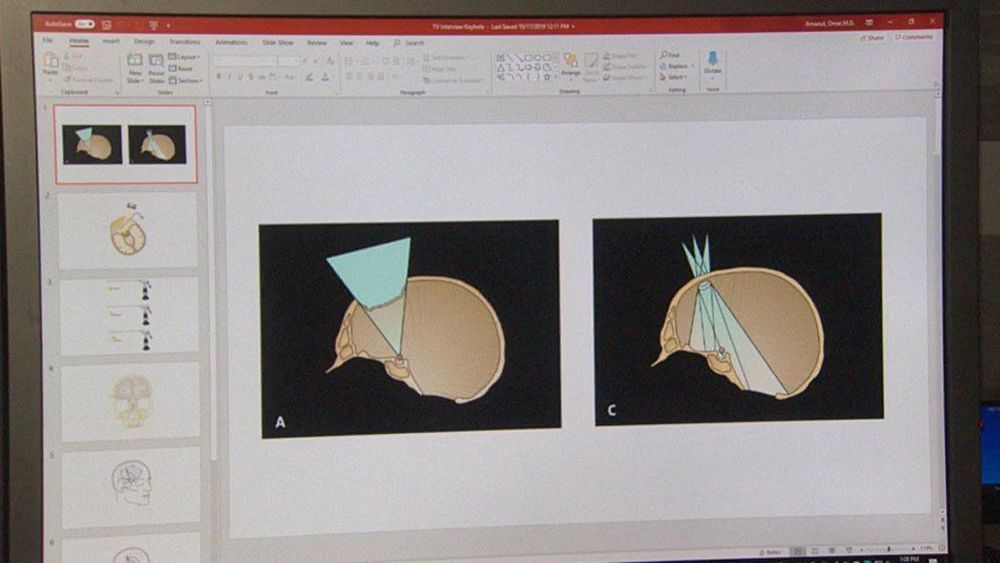
Mom With Brain Tumor Turns To Boston Hospital For Keyhole Brain Surgery
(CBS) — Imagine giving birth to a premature baby and then being told you have a brain tumor. That’s what happened to a woman from Holden. But thanks to a new approach at Brigham and Women’s Hospital, this new mom was able to have brain surgery and quickly return to her newborn son.
At 27 weeks pregnant, Bethany Shea was diagnosed with preeclampsia and had an emergency C-section. Then she went blind.
“It was a pregnancy complication due to my high blood pressure,” Bethany explained.

Nuclear Medicine
How Does it Work?
Technology Biotechnologies
At Roswell we have developed the first Molecular Electronics chip. We utilized advances in semiconductor technology, nano-fabrication and bio-sensors to create standard CMOS chips that directly integrate sensor molecules into the CMOS integrated circuits.
Going “on-chip” to deploy bio-sensors provides unprecedented economics, precision, portability, and scalability. Our first chip is designed to read DNA; future chips will be designed for protein detection and other diverse bio-sensing applications.