Sequencing multiple nCoV-2019 strains from patients, two teams from China has solved one piece of the outbreak puzzle—where the virus originated.
A vaccine designed to combat severe acute respiratory syndrome (SARS) and technological advances in vaccine platforms are likely to quicken the time it will take to develop a vaccine for the novel coronavirus that has killed at least 132 people and sickened nearly 6,000 others.
“I’m reasonably confident that within three months or less we’ll be in a Phase 1 trial” for a coronavirus vaccine, which would be record speed for this type of trial, Dr. Anthony Fauci, director of the National Institute of Allergy and Infectious Diseases (NIAID), said during a Tuesday video interview with the medical journal JAMA. It took 3.2 months to get a Zika vaccine into trials, he added.
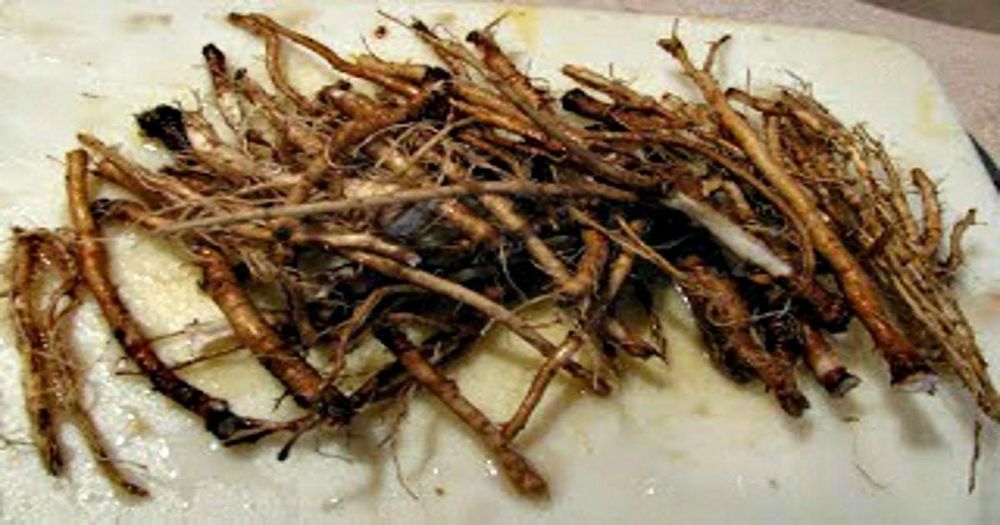
Though scientists and doctors around the world are trying to tackle the epidemics, there’s actually no cure or vaccination for saving patients from this deadly virus. However, Dr. Thanikasalam Veni, an Indian doctor who pays attention to Ayurveda and Siddha medicine, has created an herbal cure made from several plants in search of shutting down the invasion of Wuhan Coronavirus before it threatens more lives.
According to Dr. Thanikasalam, his cure basically consists of herb extracts, focusing on easing viral fever. Because experts have yet to come up with real Corona remedies, it’s considered an effective way to treat dengue, multi-organ failure as well as acute liver fever. With the availability of this new method, patients reportedly need to take just about 24–48 hours of curing to withstand the coronavirus infection.
In a statement, the Indian doctor said he aims to notice both the Chinese government and the World Health Organization (WHO) about the effectiveness of such herbal extract medicine for the multi-organ failure once a person has to suffer corona fever condition in most cases, which can result in his death.
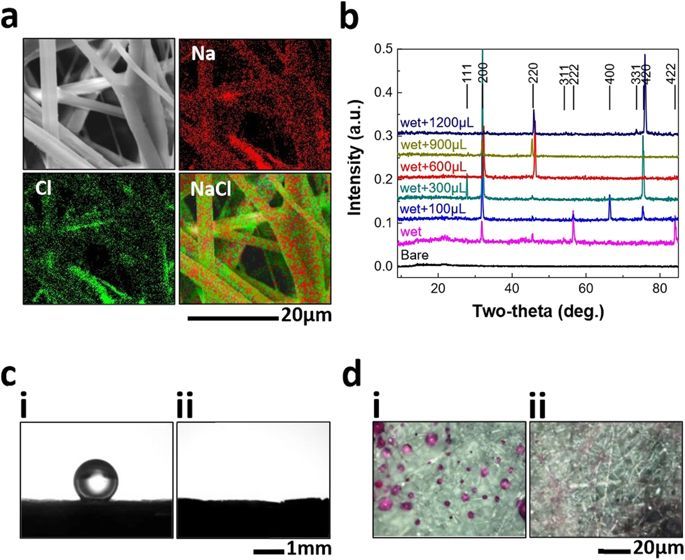
Aerosolized pathogens are a leading cause of respiratory infection and transmission. Currently used protective measures pose potential risk of primary/secondary infection and transmission. Here, we report the development of a universal, reusable virus deactivation system by functionalization of the main fibrous filtration unit of surgical mask with sodium chloride salt. The salt coating on the fiber surface dissolves upon exposure to virus aerosols and recrystallizes during drying, destroying the pathogens.

Using digital ai generated medicines plus human on a chip systems you could get new medicines out not in years but hours.
The next generation of MOC design at TissUse aims for a Human-on-a-Chip, increasing the number of interconnected organs toward acceptable organismal complexity. This number of organs is supposed to be efficient to provide human organismal homeostasis, sufficiently flexible for diverse disease modelling and to bear the potential of ultimately replacing animal models for systemic substance testing.

A drug molecule invented entirely by artificial intelligence is set to enter human clinical trials for the first time, marking a critical milestone for the role of machine learning in medicine.
The new compound, which has been designed to treat patients with obsessive-compulsive disorder, was developed by Oxford-based AI start-up Exscientia in collaboration with the Japanese pharmaceutical firm Sumitomo Dainippon Pharma.
In a sharp acceleration of the typical path to drug development, which can take about four and a half years, the AI-designed compound reached the point of entering clinical trials within just 12 months.

People without ANY symptoms can spread Wuhan Coronavirus.
The nation’s top infectious disease doctor says a new study published Thursday night shows people can spread the Wuhan coronavirus before symptoms set in.
German researchers found that the virus was transmitted by people without symptoms in five instances in one cluster of people: from a parent to a daughter; from that daughter to two colleagues; and from one of those colleagues to two other coworkers.
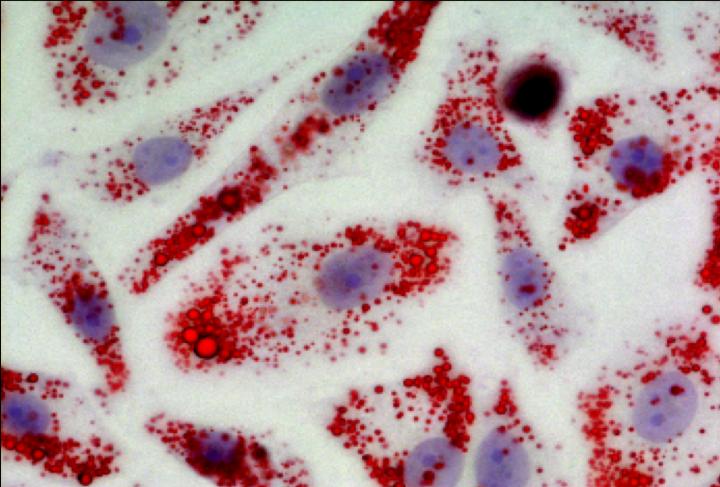
Olivier Feron, a University of Louvain researcher, studies how cancer spreads through the body via metastasis. His major discovery was that cancer cells multiply by using lipids as food. His latest discovery, published in the scientific journal Nature Communications, is that lipid storage promotes cancer invasiveness. A new drug currently being tested to treat obesity may also help fight metastasis.