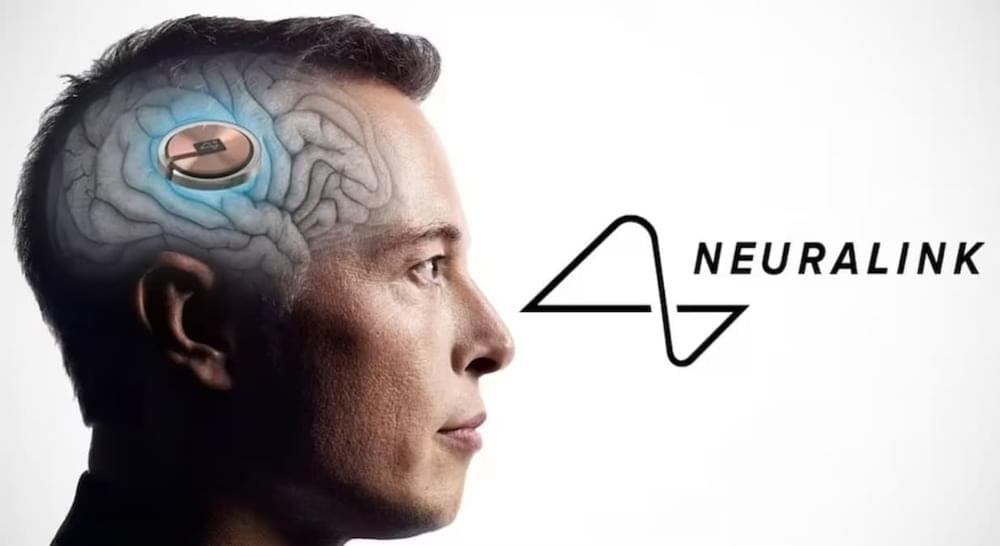
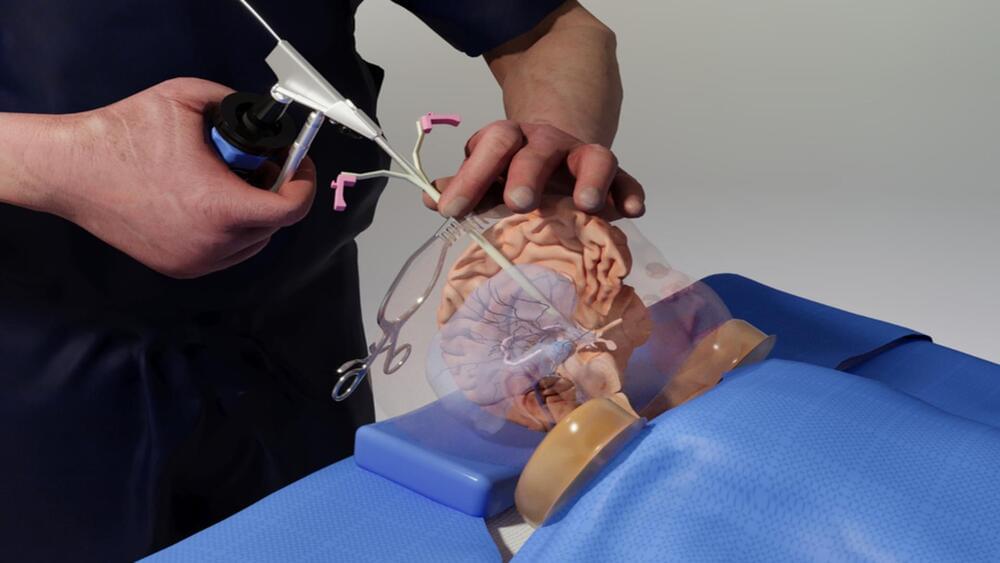
MIT and an AR/VR startup join forces to pioneer a new era in medical training. Dive into the future as a virtual avatar of a top neurosurgeon mentors learners globally.
Get alerts for new articles, or get an alert when an article is cited.
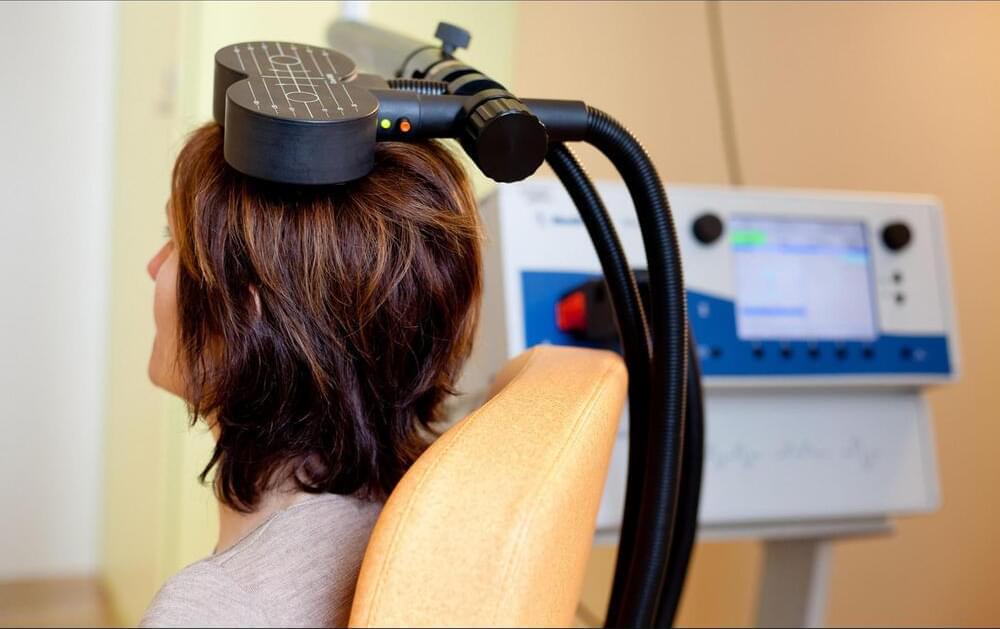
Even so, proponents say that TMS and other noninvasive brain-stimulation methods—which include updated forms of electroconvulsive therapy (ECT) and transcranial direct-current stimulation—have yet to achieve their full potential, both as research tools and as clinical treatments for a range of neurological conditions. To get there, researchers want to fully understand the biological mechanisms behind these techniques, along with finding more rigorous ways to test them in the lab, all with a view toward making treatments more tailored and reliably successful. With its demonstrated benefits and lack of serious side effects, Colleen Loo, a neurostimulation pioneer at the University of New South Wales, says, “there’s no reason TMS can’t be used as a frontline treatment” for major depression.


While trying to slim down a bit for her wedding day, one woman decided to take gray market semaglutide — and it landed her in the emergency room.
That woman, whom Healthline refers to as Amy Jenson to protect her privacy in its report, learned she was nearing prediabetic levels of the hemoglobin A1C at a visit to her naturopathic doctor. The naturopath suggested Jenson try semaglutide, the active ingredient in the Ozempic and Wegovy injectables, to help reach her goal weight and head off full-blown diabetes.
She purchased some semaglutide with B12 shots, which are often sold together in injectable forms from online and in-person pharmacies that operate in a legal grey area, from a compounding facility. She was initially prescribed a low dose that increased by small increments each month.
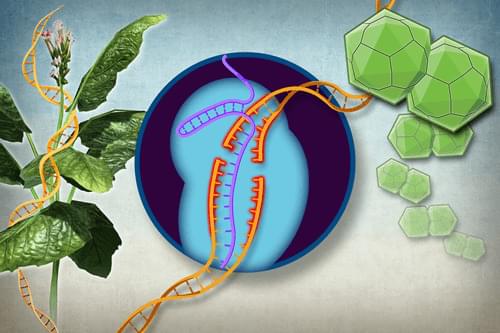
“Even primary school students and old farmers can master gene editing,” says [Southern University of Science and Technology, or SUSTech] scientist Zhu Jian-Kang, who has helped develop a new approach that could greatly simplify the difficult and time-consuming process of editing genes in plants.
While conventional methods of heritable gene editing in plants often take months, and in some cases up to a year, this innovative approach could reduce the process to about two weeks, according to [Cao Xuesong, a scientist at SUSTech and a member of Zhu’s team], who is also the first author of the study.

Aging reversed in dogs face_with_colon_three
Age-related decline in mobility and cognition are associated with cellular senescence and NAD+ depletion in dogs and people. A combination of a novel NAD+ precursor and senolytic, LY-D6/2 was examined in this randomized controlled trial. Seventy dogs were enrolled and allocated into placebo, low or full dose groups. Primary outcomes were change in cognitive impairment measured with the owner-reported Canine Cognitive Dysfunction Rating (CCDR) scale and change in activity measured with physical activity monitors. Fifty-nine dogs completed evaluations at the three-month primary endpoint, and 51 reached the six-month secondary endpoint. There was a significant difference in CCDR score across treatment groups from baseline to the primary endpoint (p=0.02) with the largest decrease in the full dose group. There were no significant differences between groups in changes in measured activity. However, the proportion of dogs that improved in frailty and owner-reported activity levels and happiness was higher in the full dose group than other groups. Adverse events occurred equally across groups. All groups showed improvement in cognition, frailty, and activity suggesting placebo effect and benefits of trial participation. We conclude that LY-D6/2 significantly improves owner-assessed cognitive function and may have broader effects on frailty, activity and happiness as reported by owners.
The authors have declared no competing interest.