Toggle light / dark theme

The Hunt For Aliens is a Grassroots Movement Funded by Billionaires

The search for aliens has become a grassroots movement for billionaires.


The last few years demonstrate that extraterrestrial research has finally moved into the mainstream — and money is pouring in fast.

Aside from a strange blip in the 1950s and early 1960s, the search for extraterrestrial life has primarily taken place at society’s fringes. Public figures have not historically risked their reputations advocating the search for alien life. And within the scientific community, the subject was largely (and understandably) sidelined until recent years, when telescopes that could detect new planets and instruments that found the ingredients for life on other worlds allowed serious-minded researchers to pass the laugh test.

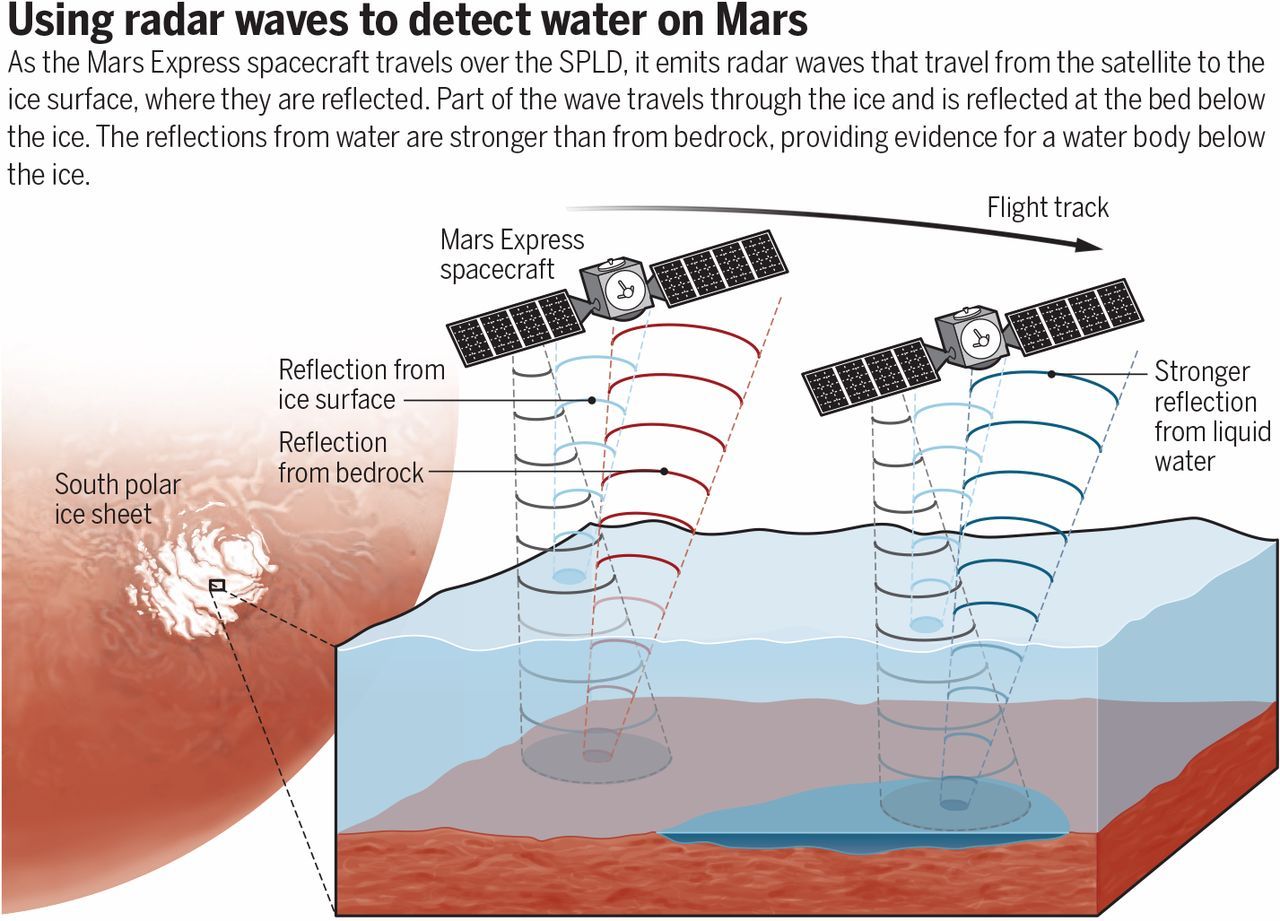
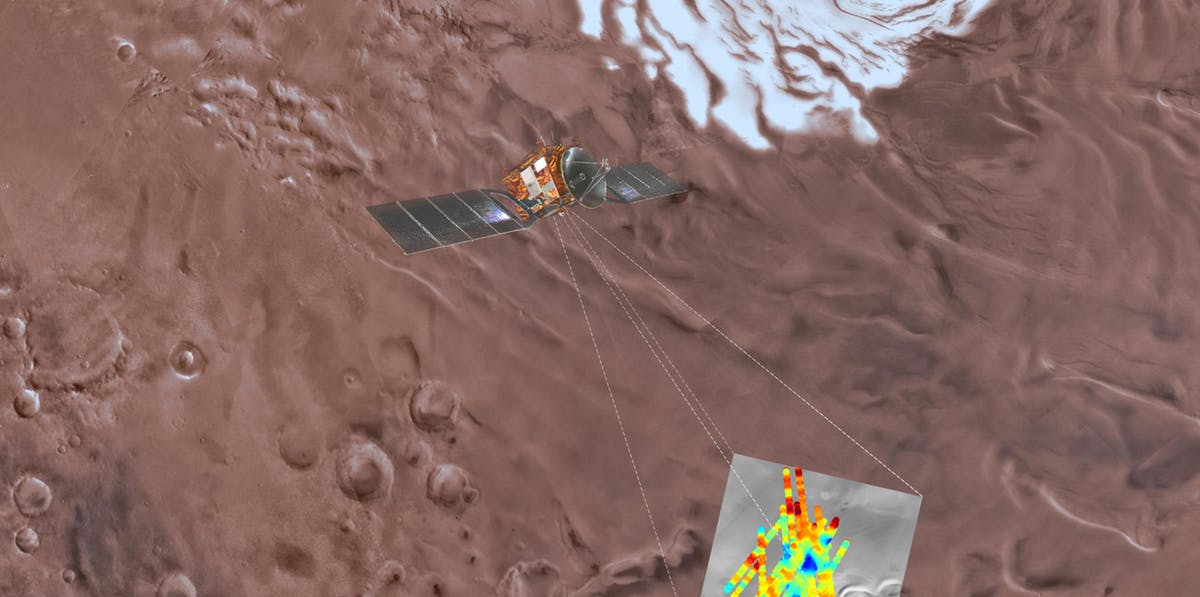
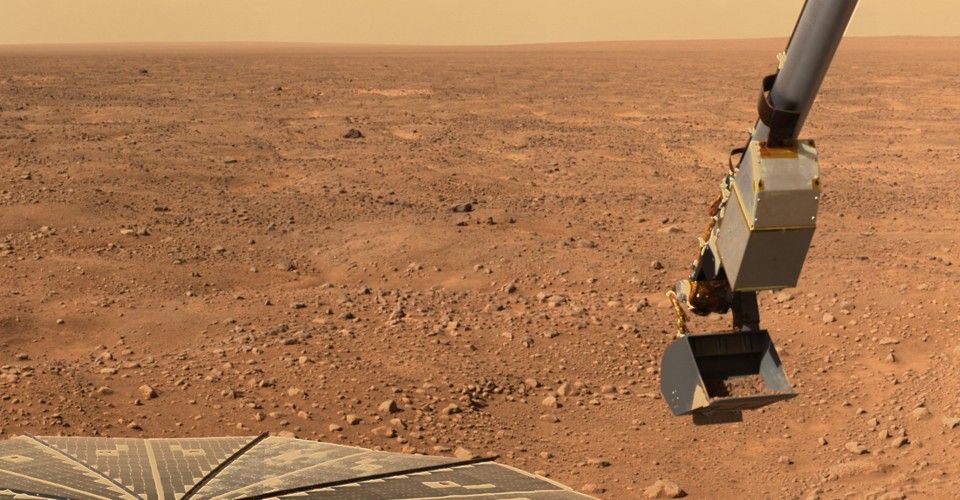
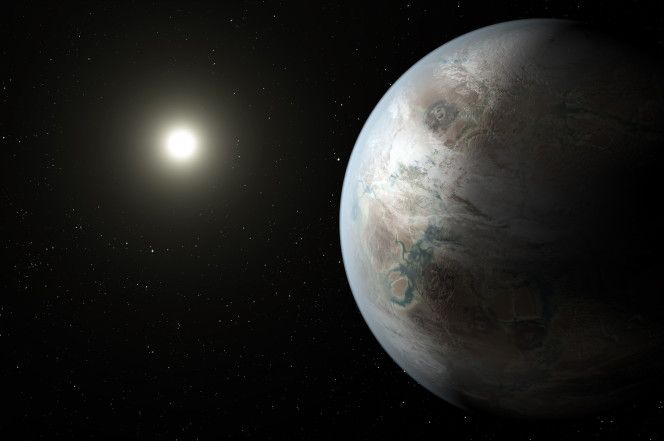
As a result, the last decade has seen a surge of interest in extraterrestrial research within the scientific community that has seized the public imagination. For example, the recent discovery of water on Mars immediately raised serious hopes from serious people we might find Martians. Every announcement that scientists have found another potentially habitable exoplanet (which includes the nearest exoplanet to Earth) causes days of clamor on the internet.

Astronomers Pinpointed the Location of Multiple Weird Radio Bursts Beyond Our Galaxy

Fast radio bursts, powerful pulses of radio energy of unknown cosmic origin, are a source of endless fascination to astronomers and alien conspiracy theory fodder to everybody else. But while most FRBs discovered to date are one-off events—a single chirp in the interstellar void, if you will—these phenomena got more interesting last year when astronomers discovered the very first FRB signal that repeats. Now, they’ve pinpointed its location.

Fast radio bursts: Scientists find the source of the most mysterious message in the universe

A mysterious signal coming from deep in the universe has finally been traced to its source.

Fast Radio Bursts, or FRBs, have only been heard 18 times and have been a puzzle to scientists since they were detected in 2007. Nobody knows where they could be coming from or how they might be triggered, with speculation ranging from a huge star, jets of material shooting out of a black hole – or even aliens.

FRBs are powerful but very short radio waves, which last no more than a millisecond.

Scientists say radio signals from deep space could be aliens

Scientists may have found proof that E.T. really is phoning home — in the form of powerful radio signals, which have been detected repeatedly in the same exact location in space.

Astronomy experts with the Green Bank Telescope in West Virginia and the Arecibo Observatory in Puerto Rico have discovered six new fast radio bursts (FRBs) emanating from a region far beyond our Milky Way galaxy, according to a recent report in the Astrophysical Journal.

The discovery — made in the direction of the constellation Auriga — is significant considering the fact that at least 17 FRBs have now been detected in this area. It is also the only known instance in which these signals have been found twice in the same location in space.

Interstellar Human Hibernation –Science of Deep-Space Travel from From ‘Aliens’ to ’Arrival‘

In “Passengers,” a 2016 science-fiction thriller film two space travelers wake up 90 years too soon from an induced hibernation on board a spaceship bound for a new planet. From “Aliens” to “Interstellar,” Hollywood has long used suspended animation to overcome the difficulties of deep space travel, but the once-fanciful sci-fi staple is becoming scientific fact. The theory is that a hibernating crew could stay alive over vast cosmic distances, requiring little food, hydration or living space, potentially slashing the costs of interstellar missions and eradicating the boredom of space travel.

The Goals of Extraterrestrial AI May “Conflict With Those of Biological Life”

In Brief

  • An expert on the intersection of science and philosophy posits that our current transition to “postbiological” life could have already been undertaken by extraterrestrial species.
  • She warns that these alien lifeforms could by artificially intelligent, in which case they could pose a tremendous threat to life on Earth.

Susan Schneider is a fellow at the Institute for Ethics and Emerging Technologies (IEET). She is also an associate professor of philosophy at the University of Connecticut, and her expertise includes the philosophy of cognitive science, particularly with regards to the plausibility of computational theories of mind and theoretical issues in artificial intelligence (AI).

In short, Schneider has a keen understanding of the intersection between science and philosophy. As such, she also has a unique perspective on AI, offering a fresh (but quite alarming) view on how artificial intelligence could forever alter humanity’s existence. In an article published by the IEET, she shares that perspective, talking about potential flaws in the way we view AI and suggesting a possible connection between AI and extraterrestrial life.

Scientists design living organisms that make chemical bonds not found in nature

Move over, chemists. Thanks to proteins from Icelandic bacteria, scientists at Caltech have managed to coax microbes into making silicon-carbon bonds, a feat that until now has been achieved only by humans in the lab.

The findings, published last week in the journal Science, could open the door to new avenues in organic chemistry and drug development — and could help scientists investigate essential mysteries, such as whether life could be based on silicon instead of carbon on other planets.

Scientists say weird signals from space are ‘probably’ aliens

A team of astronomers believes that strange signals emanating from a cluster of stars are actually aliens trying to tell the universe they exist.

The study, which appeared in the Publications of the Astronomical Society of the Pacific, analyzed the odd beams of light from 234 stars — a fraction of the 2.5 million that were observed.

The bizarre beacons led the paper’s authors, Ermanno F. Borra and Eric Trottier from Laval University in Quebec, to conclude that it’s “probably” aliens.

/* */