Toggle light / dark theme

Get the latest international news and world events from around the world.

Log in for authorized contributors

MICrONS Explorer: A virtual observatory of the cortex

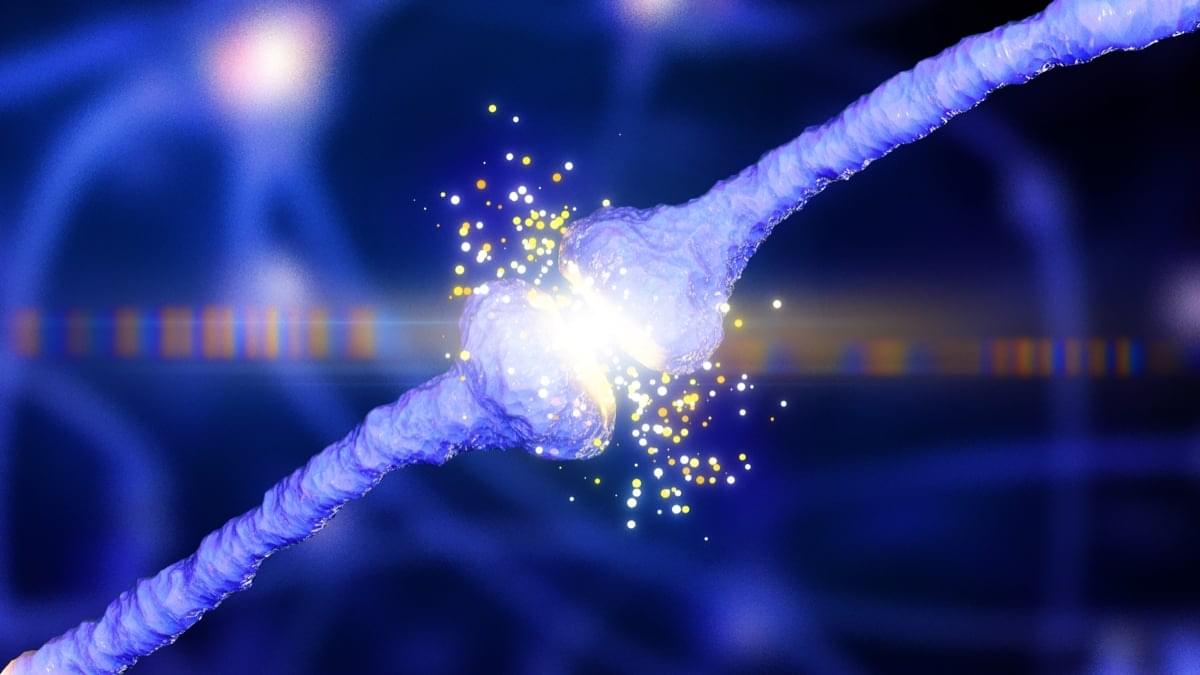
The Machine Intelligence from Cortical Networks (MICrONS) program seeks to revolutionize machine learning by reverse-engineering the algorithms of the brain. It is an ambitious program to map the function and connectivity of cortical circuits, using high throughput imaging technologies, with the goal of providing insights into the computational principles that underlie cortical function in order to advance the next generation of machine learning algorithms.

This website serves as a data portal to release connectivity and functional imaging data collected by a consortium of laboratories led by groups at the Allen Institute for Brain Science, Princeton University, and Baylor College of Medicine, with support from a broad array of teams, coordinated and funded by the IARPA MICrONS program. These data include large scale electron microscopy based reconstructions of cortical circuitry from mouse visual cortex, with corresponding functional imaging data from those same neurons.

Have a Scientific Request? Check out the Virtual Observatory of the Cortex (VORTEX) project, a BRAIN Initiative funded program to bring the MICrONS dataset to the research community. Access proofreading resources to answer your scientific questions.
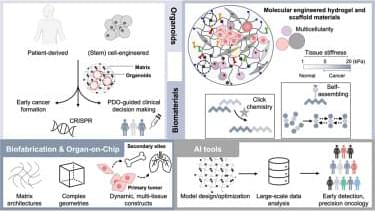
Reconstructing tumor tissues in 3D: From organoids to bioengineered niches

Tumor tissue engineering has opened new avenues for cancer research. With an emphasis on gastrointestinal malignancies, we summarize capabilities and limitations of patient-derived and engineered organoid models. We then discuss how innovations in biomaterial design, biofabrication, microfluidics, benchmarking, and AI converge to better emulate tumor tissues and advance translational modeling.

Stress tested, testing stress: Novel organoid models how the adrenal gland develops

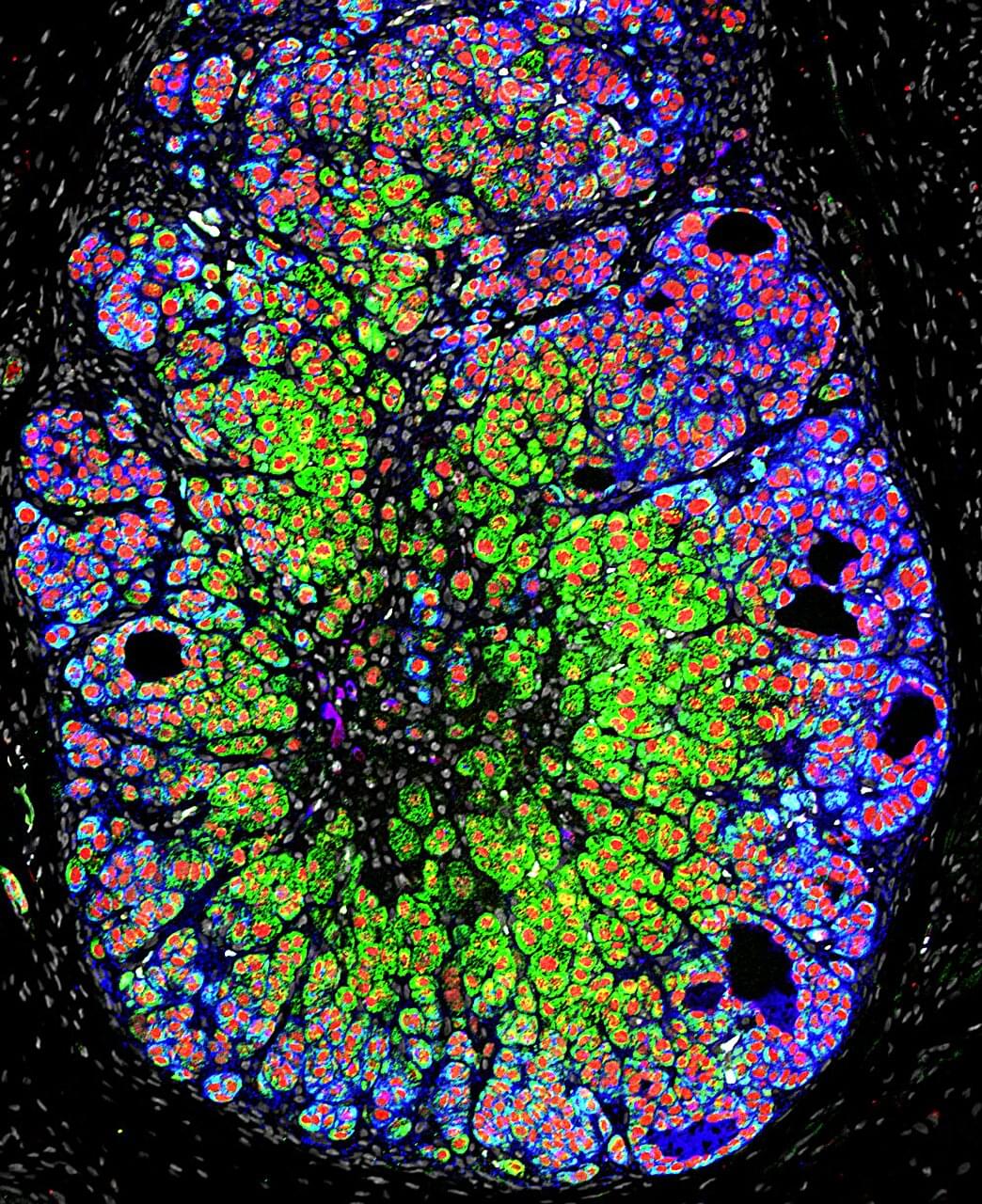
Sitting above each kidney are two small endocrine glands about the size of walnuts. These are the adrenal glands, responsible for producing hormones that help control some of the body’s most critical functions. Among these hormones, cortisol is particularly critical for survival. Often referred to as the “stress hormone,” it helps the body adapt to a wide range of challenges—both emotional and physical, such as trauma or infection—by regulating overall metabolism. Despite its central role in stress and endocrine biology, how the adrenal gland is built and how it functions remains poorly understood.

Now, researchers led by Kotaro Sasaki and Michinori Mayama of the School of Veterinary Medicine have developed a lab-grown organoid system that recapitulates the complex tissue structure, development, and function of the developing human adrenal cortex—the outer layer of the adrenal gland—providing a powerful platform to study its biology. These results, published in Cell Stem Cell, help establish a foundation for regenerative therapies targeting adrenal diseases.

“The adrenal cortex is a major endocrine organ and central to our stress response,” says Sasaki, the Richard King Mellon Associate Professor of Biomedical Sciences. “Despite its importance, adrenal biology has lagged behind that of other organs. Our goal was to create a mini adrenal gland in a dish to better understand how the human adrenal forms and begins to function.”

Get access to all the best AI models in one place at Mammouth

https://mammouth.ai.

Timestamps:
00:00 — New Way Of Computing
06:46 — How It Works
09:39 — Outlook.

My Podcast on Apple: https://podcasts.apple.com/at/podcast… Podcast on Spotify: https://open.spotify.com/show/3drr7A8… Let’s connect on LinkedIn: / anastasiintech Newsletter: https://anastasiintech.substack.com Instagram: / anastasi.in.tech Patreon: / anastasiintech.

Let’s connect on LinkedIn: / anastasiintech
Newsletter: https://anastasiintech.substack.com
Instagram: / anastasi.in.tech
Patreon: / anastasiintech.

Read more

Goodbye, Prediabetes, Hello, Type 2 Diabetes Stages?

The concept of “prediabetes” may be on its way out. Some experts are proposing a shift to staging type 2 diabetes instead, arguing that the current label can be misleading and may delay more proactive treatment. A stage-based approach could better reflect disease progression and encourage earlier intervention.


Leaders in the diabetes field are proposing eliminating the prediabetes label in favor of type 2 diabetes stages.

New ‘Unifying Theory’ May Explain How Alzheimer’s Emerges in The Brain

The origins of Alzheimer’s remain contentious, but a new study suggests the disease may emerge as two key proteins compete inside brain cells.

Alzheimer’s disease, the most common form of dementia, has long been associated with the build-up of two proteins in the brain: amyloid-beta and tau.

This new study ties those two together, offering a “unifying theory” that, according to the team of chemists proposing it, resolves some conflicting ideas about Alzheimer’s.

Study points toward immune reprogramming to treat candidiasis

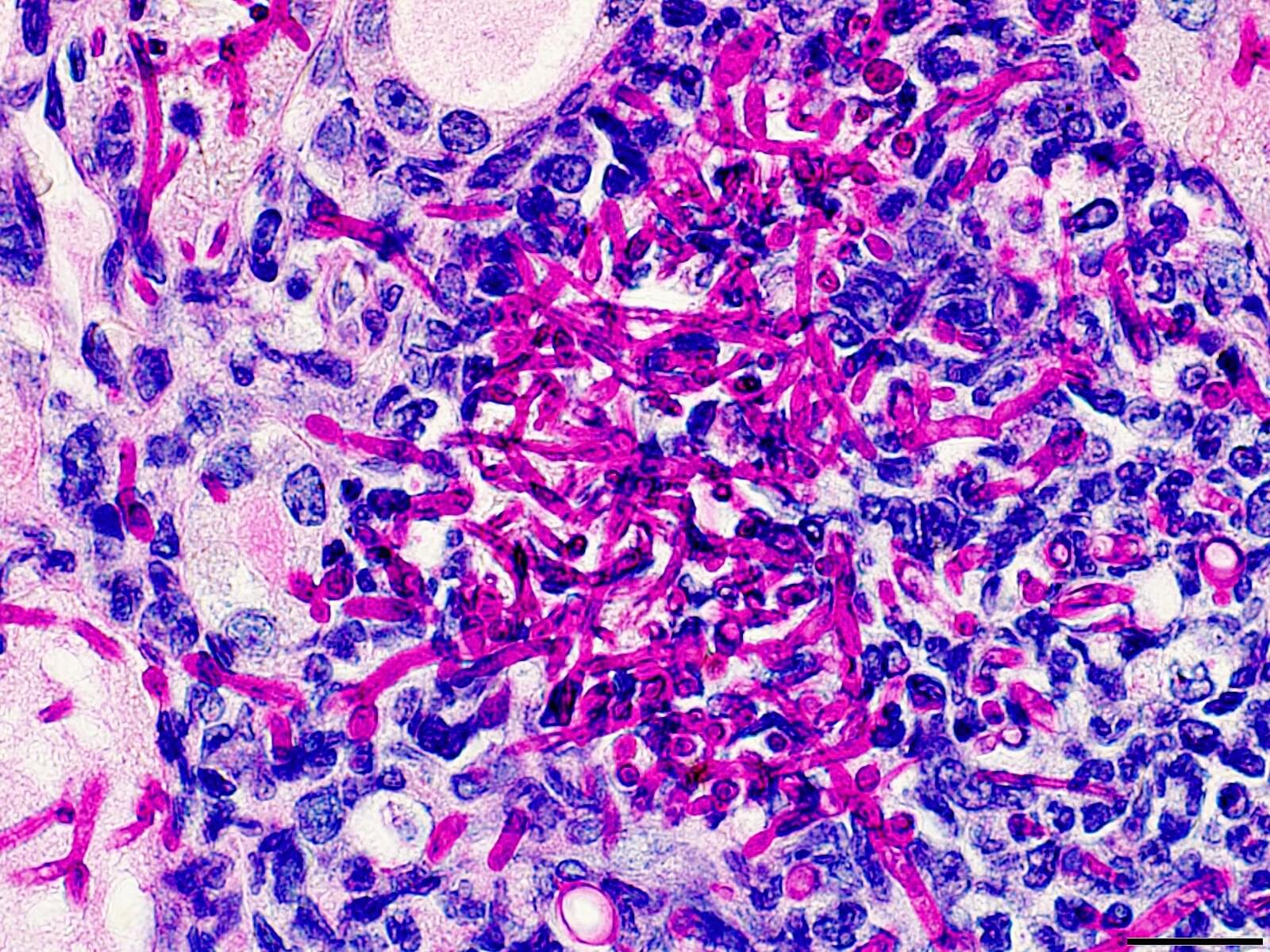
Systemic candidiasis is an opportunistic fungal infection that has been difficult to treat effectively. Research published in a paper in the April edition of Cell Host & Microbe suggests that immune metabolic reprogramming could be a new strategy to fight the infection rather than developing another specific antifungal medication.

The fungus Candida albicans causes infections that range from superficial on the skin and nails to invasive into organs and the bloodstream. In recent decades, systemic candidiasis has increased due to more patients with immunosuppression from disease or treatments, prolonged antibiotic exposure, and certain conditions such as kidney disease. Management of systemic candidiasis has become more difficult because of antifungal drug resistance, limited early diagnostic tools, and absence of approved fungal vaccines.

According to Partha Biswas, DVM, Ph.D., lead author of the paper, and a Professor in the Department of Microbiology and Immunology in the Renaissance School of Medicine (RSOM) at Stony Brook University, these challenges have become roadblocks to treating systemic candidiasis and illustrate the need for new and different therapeutic strategies.

Senescence in cancer: Hallmarks, paradoxes, and therapeutic promise

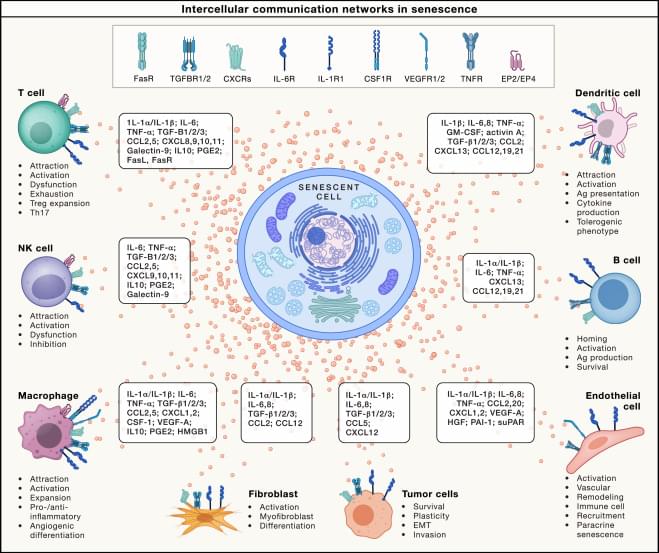
Now online! Cellular senescence, defined by six major hallmarks, is a program that halts cell division while rewiring chromatin, metabolism, microenvironment sensing, and immune interactions to either suppress or promote cancer and is an exciting frontier for precision therapy.

/* */