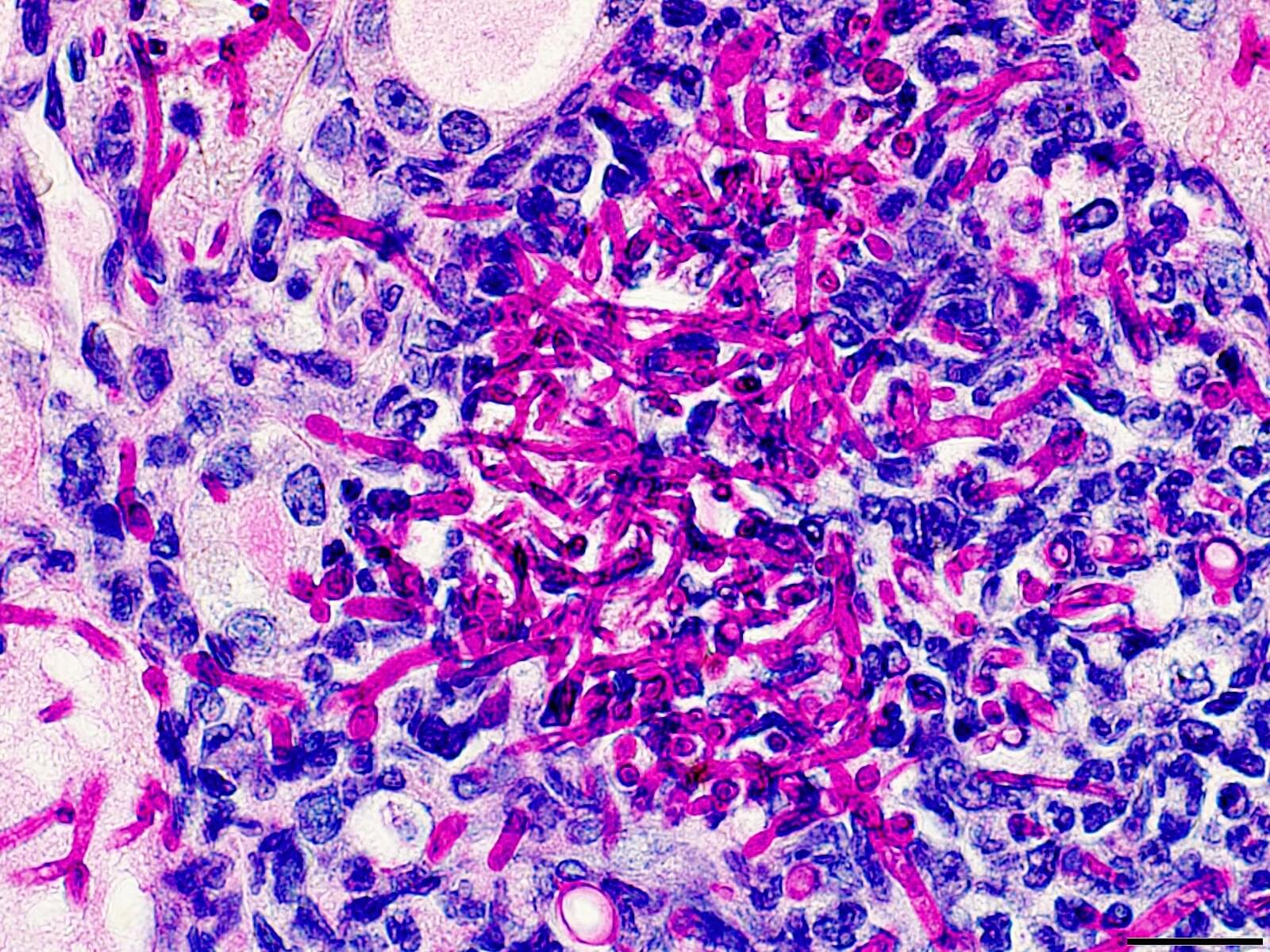
Systemic candidiasis is an opportunistic fungal infection that has been difficult to treat effectively. Research published in a paper in the April edition of Cell Host & Microbe suggests that immune metabolic reprogramming could be a new strategy to fight the infection rather than developing another specific antifungal medication.
The fungus Candida albicans causes infections that range from superficial on the skin and nails to invasive into organs and the bloodstream. In recent decades, systemic candidiasis has increased due to more patients with immunosuppression from disease or treatments, prolonged antibiotic exposure, and certain conditions such as kidney disease. Management of systemic candidiasis has become more difficult because of antifungal drug resistance, limited early diagnostic tools, and absence of approved fungal vaccines.
According to Partha Biswas, DVM, Ph.D., lead author of the paper, and a Professor in the Department of Microbiology and Immunology in the Renaissance School of Medicine (RSOM) at Stony Brook University, these challenges have become roadblocks to treating systemic candidiasis and illustrate the need for new and different therapeutic strategies.