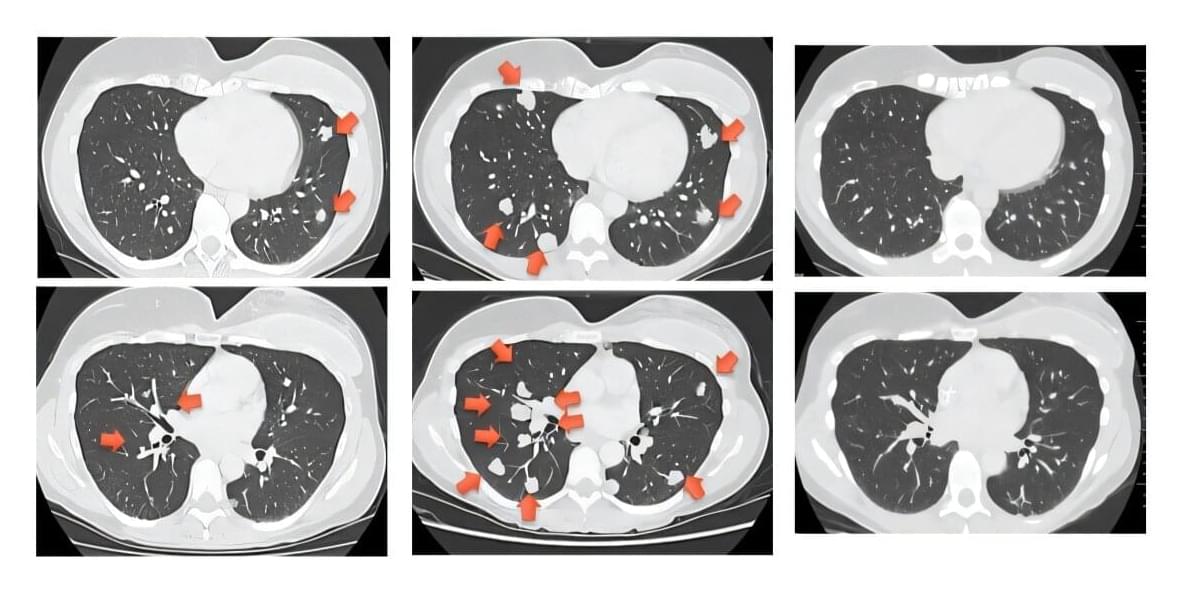
South Florida patients using a newly approved drug for pancreatic cancer say using the medication has significantly extended their survival with the deadly disease.
Normal distribution.
normal distribution calculator.
standard normal distribution table.
normal distribution curve.
standard normal distribution.
standard normal distribution calculator.
normal distribution formula.
inverse normal distribution calculator.
normal distribution and standard deviation.
normal distribution area calculator.
normal distribution algebra 2
normal distribution and z scores.
normal distribution approximation.
normal distribution area under curve.
normal distribution approximation of the binomial distribution calculator.
normal distribution and empirical rule.
application of normal distribution.
a standard normal distribution is a normal distribution with.
a normal distribution can be used.
a normal distribution curve.
a standard normal distribution table.
normal distribution biology.
normal distribution biology definition.
bell curve normal distribution.
normal distribution confidence interval.
normal distribution curve generator.
normal distribution curve calculator.
confidence interval normal distribution.
conditions for normal distribution.
normal distribution definition.
normal distribution desmos.
normal distribution density function.
normal distribution definition math.
normal distribution definition biology.
normal distribution data.
normal distribution data set.
normal distribution definition in statistics.
normal distribution data set example.
normal distribution diagram.
define normal distribution.
desmos normal distribution.
definition of normal distribution.
difference between binomial and normal distribution.
density function of normal distribution.
derivative of normal distribution.
draw a normal distribution curve in excel.
normal distribution examples and solutions.
#statistics #statquest #khanacademy #datacamp #datascientist
Prostate tumors can rewire amino acid metabolism to override the normal brakes on cholesterol production, a process that may fuel hormone therapy resistance, according to a new study.
The preclinical study, published in Nature Metabolism, revealed that a compound called propionyl-CoA, produced by the breakdown of amino acids isoleucine and valine during normal energy metabolism, acts as a signal that switches on cholesterol production. This helps prostate cancer cells adapt to the hormone-deprived conditions resulting from treatment and acquire more aggressive features.
By revealing this previously unrecognized connection, the study identified a potential weakness in prostate cancer that could be targeted with new drugs or, pending clinical testing, dietary strategies that reduce levels of isoleucine and valine. These essential amino acids are abundant in protein-rich foods such as meat, fish and dairy products.
Pacibekitug, a novel, long-acting monoclonal antibody that targets interleukin-6, produced sustained reductions in inflammatory markers in patients with chronic kidney disease (CKD) and at high inflammatory risk, with no clear dose-related safety signals identified, based on findings from the TRANQUILITY study presented at ESC Congress 2026.
Researchers for the phase II study conducted at 49 centers in the U.S., randomized (1:1:1:1) at total of 143 patients with stage 3–4 CKD and elevated high-sensitivity C-reactive protein (hs-CRP) to receive subcutaneous pacibekitug at doses of 25 mg every 90 days; 50 mg every 90 days; 15 mg every 30 days; or placebo for six months. The mean age of study participants was 69 years and 64% were women. Roughly 70% were on statins and 60% had diabetes.
Overall results showed pacibekitug treatment resulted in dose-dependent decreases in hs-CRP by day 30, which were sustained through day 180. Deepak Bhatt, MD, MPH, MBA, FACC, from the Icahn School of Medicine at Mount Sinai in New York, reported that median time-averaged change from baseline in hs-CRP through day 180 was +7% with placebo; −76% with pacibekitug 25 mg every 90 days; −85% with pacibekitug 50 mg every 90 days; and −89% with pacibekitug 15 mg every 30 days (all p0.0001 vs. placebo).
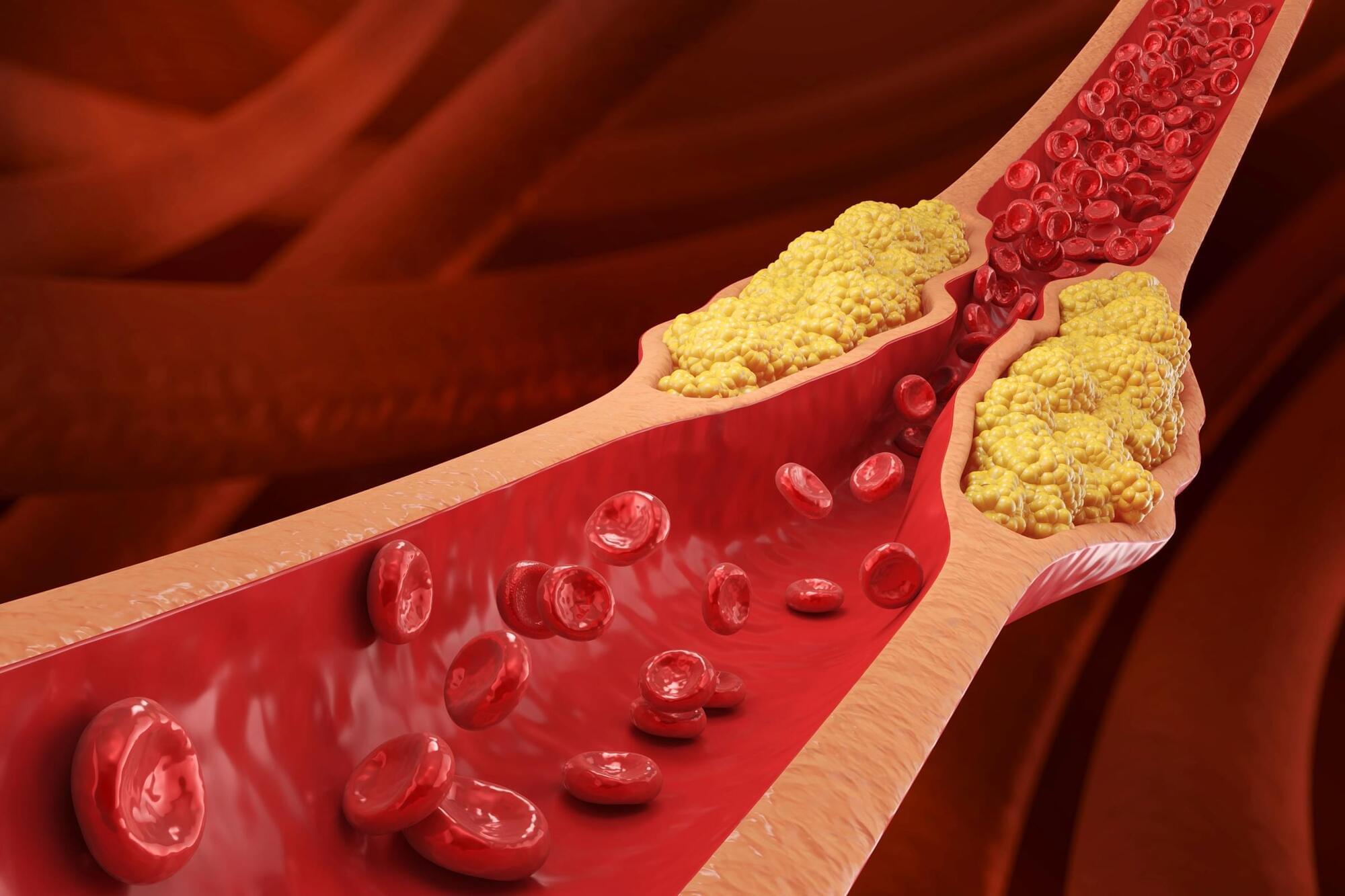
Silent atherosclerosis is detectable using imaging in early adulthood, with age-and sex-associated increases in prevalence across arterial territories and significant increases in plaque volume, based on results from the REACT trial presented at ESC Congress 2026 and simultaneously published in NEJM. The findings suggest the use of imaging from early adulthood “may provide an opportunity to improve primary prevention strategies and reduce the substantial burden of atherosclerotic cardiovascular disease,” researchers said.
REACT enrolled nearly 17,000 adults without known atherosclerotic cardiovascular disease (mean age 45; 51% women) from Denmark and Spain and placed them in five prespecified age strata that included a balanced number of men and women. Three-dimensional vascular ultrasonography of the carotid and femoral arteries, as well as coronary computed tomographic angiography (CCTA), were used to asses silent atherosclerosis at baseline.
Overall findings showed silent atherosclerosis was present in 57% of all the participants. Broken down by age, atherosclerosis was present in nearly 9% of men and 7% of women in the youngest age stratum (18 to 29 years), with prevalence increasing with age. Approximately 9 out of 10 individuals between the ages of 60 and 70 had atherosclerosis, researchers said.
Despite all the advertisements for engagement rings and necklace gifts, natural diamonds are imperfect. Their carbon atoms are arranged in a cubic lattice, but they nonetheless contain several types of crystallographic defects due to impurities that occasionally replace a carbon atom. The most common types of impurities are nitrogen and boron; “Type I” diamonds contain nitrogen impurities, which can be isolated or clustered, at concentrations of up to 1%, and make up about 95% of all natural diamonds.
More specifically, some diamonds have a nitrogen-vacancy (NV) impurity. A nitrogen atom replaces one carbon atom, and adjacent to it is an empty lattice spot. One type of solid-state clock, a diamond clock, uses this feature to measure time, as the defect has optical and nuclear spin states that can be manipulated with microwaves and other light. But the NV energy levels are strongly modified by temperature.
Now a group of researchers from the U.S. and Germany has developed a way to overcome this limitation. Their work is published in the journal Physical Review Applied.
Inside every electronic device, the flow of electricity is controlled by a switch called a transistor. For decades, these switches were made from silicon. More recently, engineers have turned to a material called gallium nitride (GaN), which enables small, efficient devices like smartphone chargers.
However, at very high voltages, electric fields inside these transistors can concentrate at specific points, causing them to fail prematurely. As a result, today’s GaN devices still struggle to perform at the highest voltage levels achieved by silicon.
To overcome this limitation, researchers in the Power and Wide-band-gap Electronics Research Lab (POWERlab) in EPFL’s School of Engineering have introduced a new class of GaN transistor: the intrinsic polarization superjunction, or iPSJ.
Texas engineers teamed up with the world’s largest semiconductor foundry to fabricate and test an emerging memory technology that could help meet the increasing energy demand of artificial intelligence.
Together with Taiwan Semiconductor Manufacturing Company (TSMC), researchers tested SOT-MRAM, a type of memory that can retain information even when power is off. It uses magnetic properties, making it faster while also consuming less energy than other memory technologies.
“The unique combination of speed, energy efficiency and endurance makes SOT-MRAM perfectly suited for AI applications, especially in devices where resources like power and memory are limited,” said Sam Liu, the first author of the new paper published in Science Advances and a recent UT Austin Ph.D. graduate. “SOT-MRAM hasn’t been considered for AI hardware since it can only hold two states, but we designed it so we can take advantage of the binary state while still being accurate.”