Timestamps: 00:00 Your head is older than your feet 00:48 Things left alone get ordered. Who ordered them? 07:00 Low entropy might be about you, not the universe 08:38 You can be in two cities at once, just not to you 11:02 Why start with Galileo when Einstein knew more? 19:34 Galileo misunderstood his own discovery 22:32 Einstein published a paper denying gravitational waves 25:08 The definition of time that explains nothing 26:50 Two clocks, two metres apart, two answers 31:06 Nothing gets recorded without something being lost 33:12 The chess program deliberates. So do you. 37:06 Can a machine have Einstein’s happiest thought? 39:52 Thirty minutes versus a month 44:10 Dark matter made of black holes the size of a hair 51:10 Ten years, unlimited money, a room full of junctions.
I fed it Carlo’s recent papers and asked for the argument, the counterargument, and the evidence that would support or refute each side. Some of the questions and animations in this interview came out of that. It runs the top frontier models in one place, turns a dense PDF into a research report or a presentation with charts, builds interactive dashboards off a spreadsheet, and takes API access if you want it wired into your own tools.
In “The Catalyst: RNA and the Quest to Unlock Life’s Deepest Secrets,” Nobel Laureate Tom Cech explores how DNA’s long-overlooked sibling could revolutionize
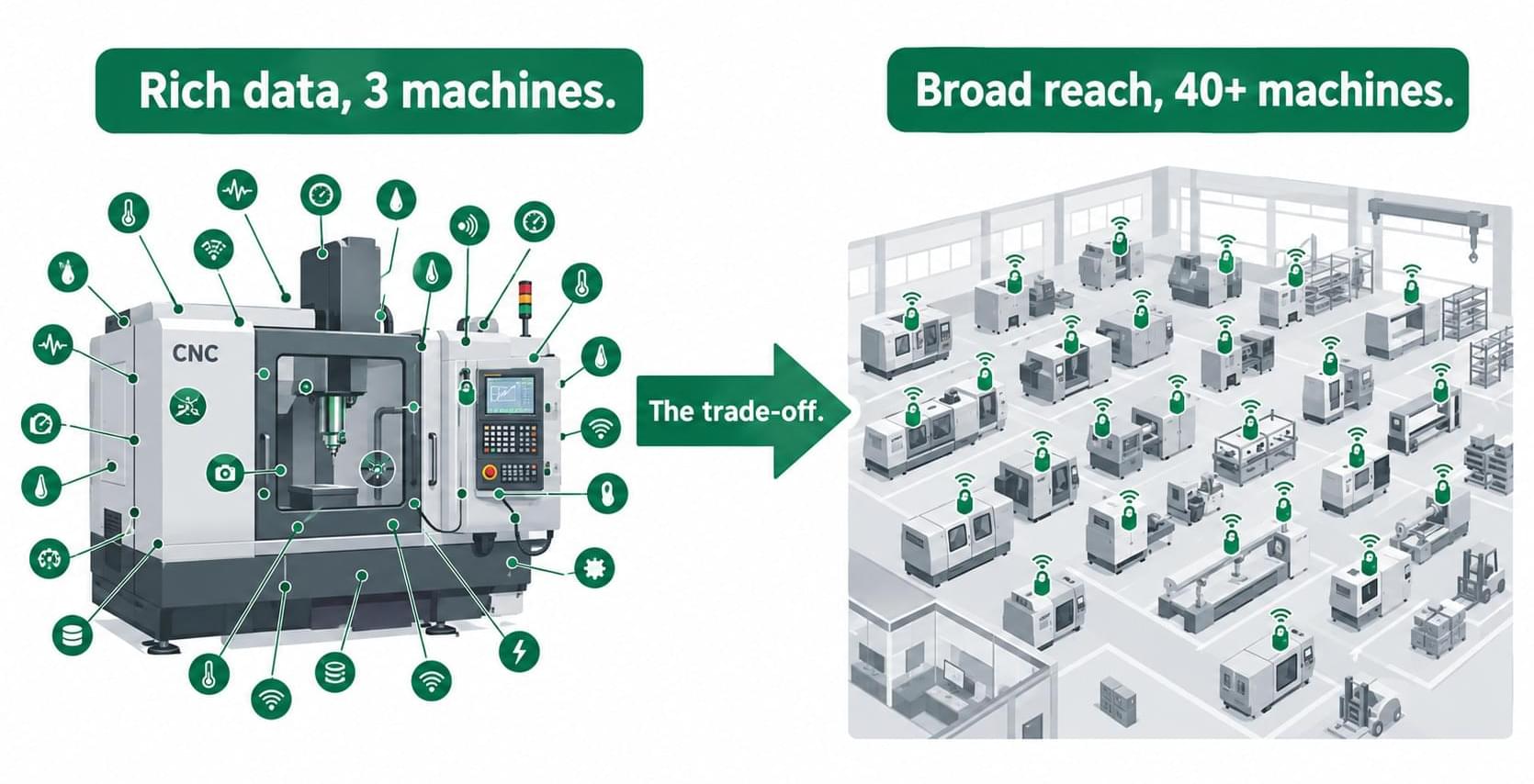
Industrial IoT Coverage Beats Sensor Richness — FourJaw Proves It.
FourJaw started with the classic approach: pull rich data straight from CNC controllers. It worked on the first few machines. Then every new site became its own integration project.
Customers mainly wanted one answer: is this machine making us money?
So FourJaw switched to a simple external power sensor that clips onto any machine’s cable. Lower resolution, but it works on decades-old equipment and unfamiliar brands. They pair it with an operator tablet for reason codes.
The next bottleneck was the network. Customer Wi-Fi and security policies killed more rollouts than the sensor itself. The fix was shipping cellular routers that never touch the corporate network.
The lesson for buyers: score vendors on how many machines they can reach without controller access, what a new site costs without a vendor visit, and whether connectivity can route around a Wi-Fi refusal.
Coverage decides whether monitoring survives past the pilot. Resolution does not.
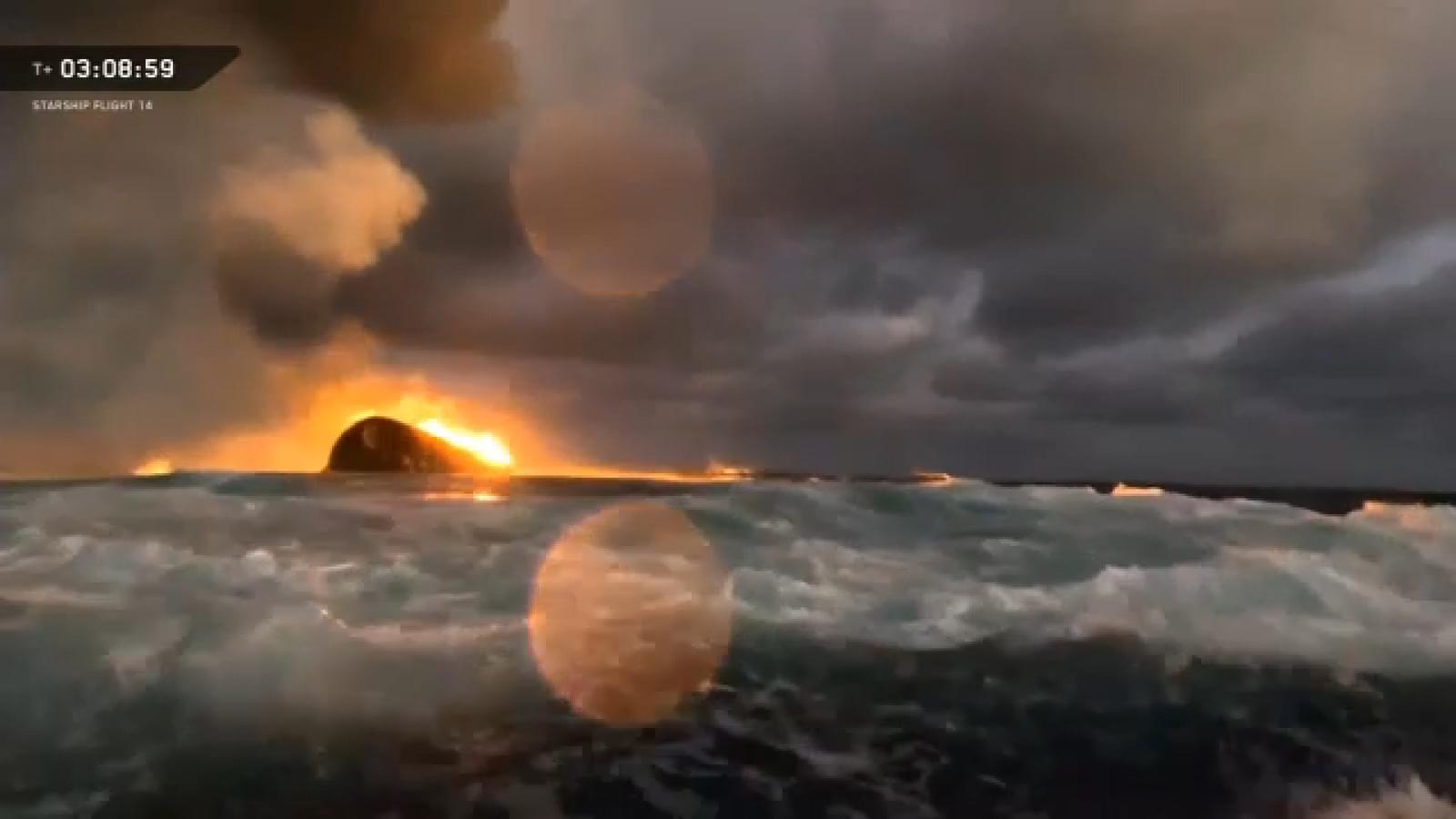
After launching the world’s largest and most powerful spacecraft from South Texas on Monday morning, SpaceX has ended its mission, calling it a success.
Starship launched from SpaceX’s Starbase in Cameron County, Texas, in the company’s first attempt to orbit Earth, with the spacecraft flying more than 170 miles above our planet.
The company said the spacecraft lost one engine during the ascent to space and was working to determine if it could go into orbit due to the loss of the engine. In an update, however, they said the Starship was in orbit.
The innovation could enable protection at lower doses, meaning vaccines could be rolled out further and faster than was previously imaginable, and opens new possibilities in gene therapy, cancer immunotherapy, and protein replacement therapies.
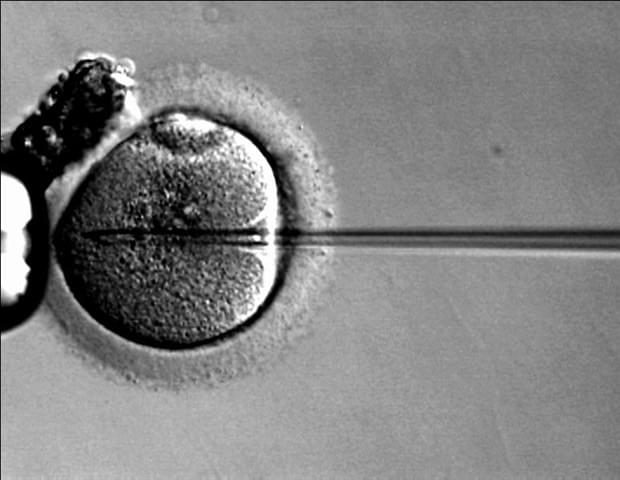
Scientists at Queen Mary University of London have found a way to overcome cell’s natural defenses against self-amplifying mRNA vaccines, thereby allowing them to produce significantly more of their target protein. The findings are published in Nature Communications.
MRNA-based vaccines were central to getting us out of the Covid-19 pandemic. Unlike conventional vaccines, which use a low dose of the virus to build immunity, RNA vaccines tell your cells to produce a protein which teaches your body how to fight the virus.