Compromised LiteLLM 1.107.0 packages run a credential stealer at Python startup and can fetch and execute additional code.
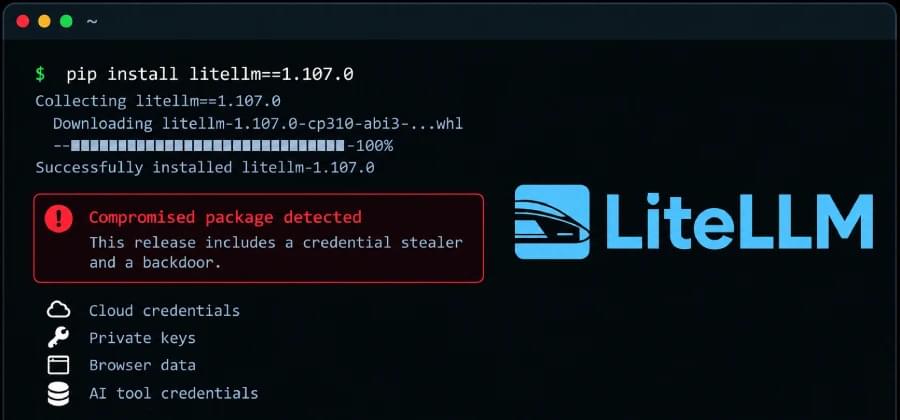
Compromised LiteLLM 1.107.0 packages run a credential stealer at Python startup and can fetch and execute additional code.
Microsoft has released PowerToys 0.102, with two new mouse utilities, new command-line tools, and Command Palette improvements.
Mouse Button Lock, one of the new mouse tools, makes it easier to select items on screen by locking a mouse button while you hold down a key.
“With Mouse Button Lock, press and hold a button for a moment, then let go. Windows keeps treating it as held, so you can continue dragging or selecting until you click any button,” Microsoft senior product manager Niels Laute explained.

Chrome is getting new scam protections that use Gemini to detect deceptive websites and warn users when they copy suspicious commands from ClickFix attacks.
The changes are part of Enhanced Protection in Safe Browsing, which Google claims makes users ten times safer from phishing, social engineering, notification abuse, and other scams compared with Standard Protection.
Chrome is also adding a new “suspicious site” warning for pages that show deceptive patterns but haven’t reached the confidence level required for its existing full-page red warning.
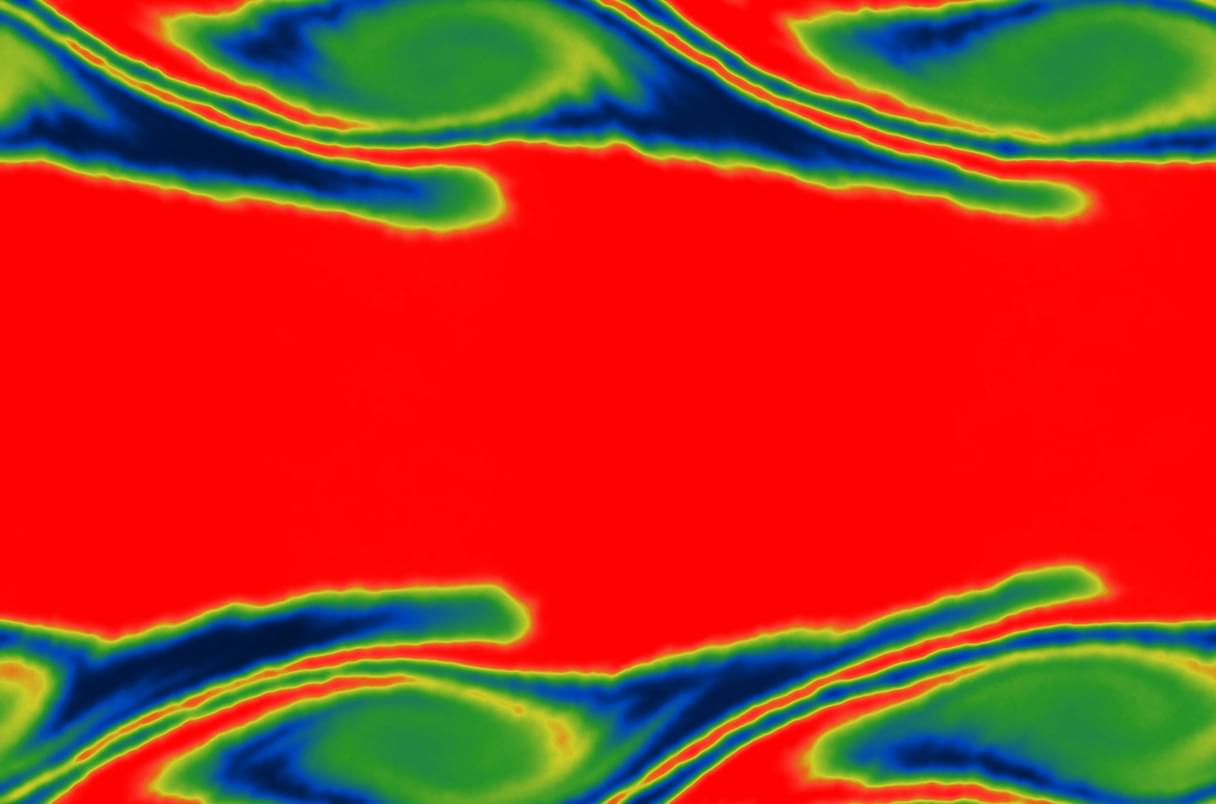
An article discussing the OpenAI Navier Stokes Millenium Prize problem solution.
OpenAI spent millions to solve the Navier-Stokes problem, but who should get credit?
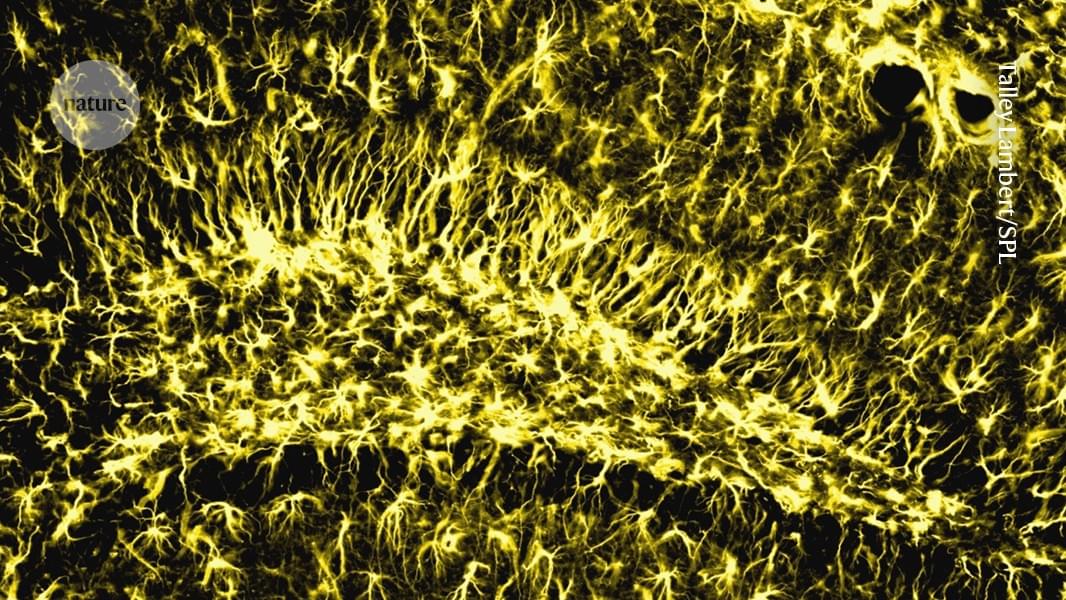
Data from mouse brains and 13 human brains show a link between levels of a lipid-degrading enzyme and cognitive resilience.
Finally, a car I can rely on to never be late again. 😎✈️Instagram: https://www.instagram.com/hashem.alghaili/Facebook: https://www.facebook.com/ScienceNatur…
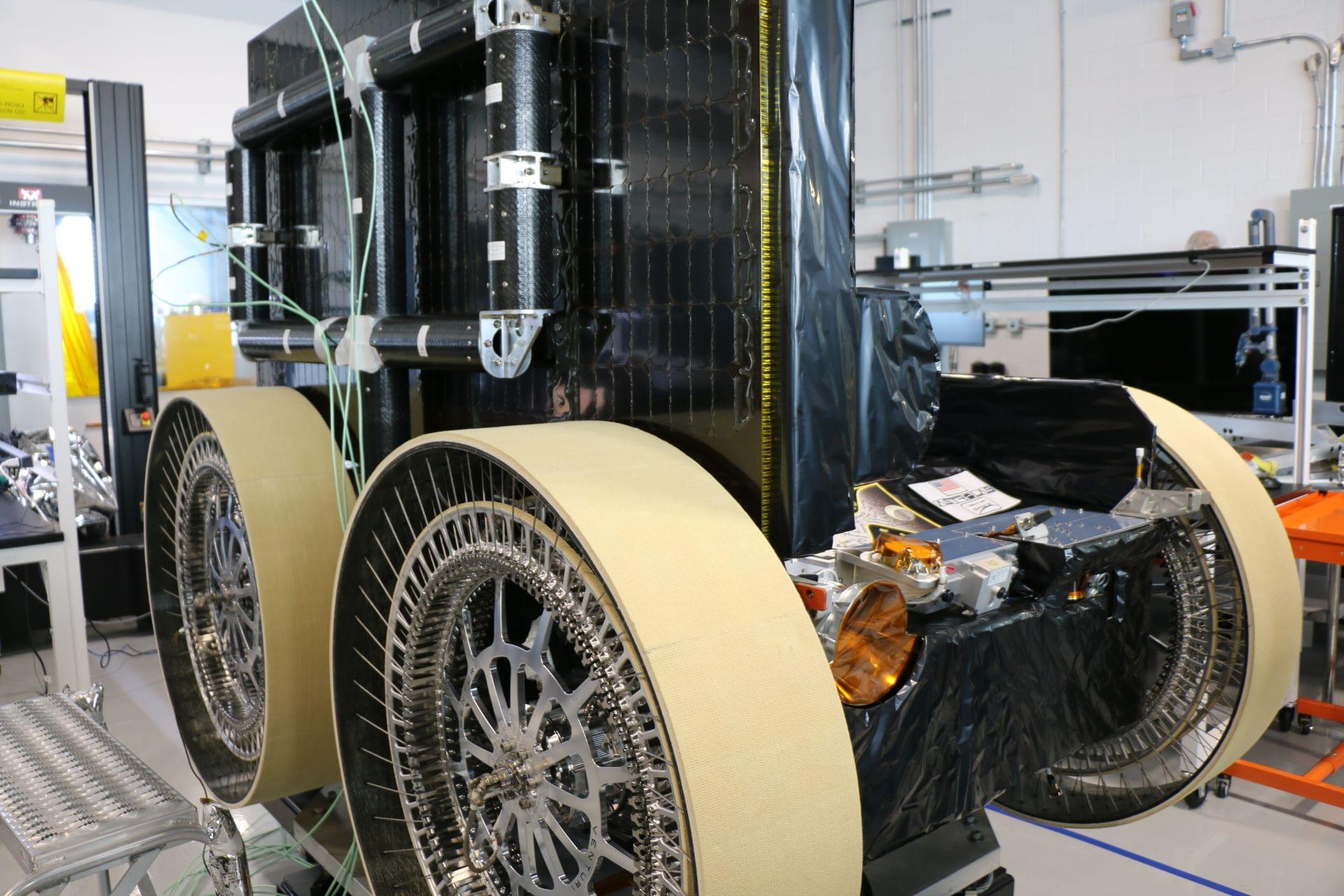
HAWTHORNE, Calif. — A moon buggy carrying a history-making supercomputer is ready to launch to the lunar surface. And it’s taking some inspiration from Mars.
Later this year, Astrolab will launch its uncrewed moon rover FLIP to the lunar south pole as part of the Griffin Mission 1, or Griffin-1. The California company is one of two that NASA has selected to develop a drivable rover for the agency’s Artemis program. On board FLIP will be Hewlett Packard Enterprise’s (HPE) Spaceborne Computer-4, an advanced computer module built to be used in space.
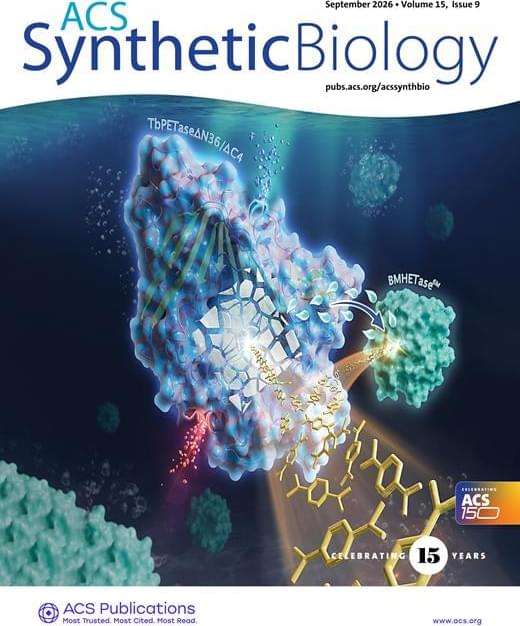
Riley et al. created a protein design model (called MP4) with which users can explain desired protein properties via written descriptions and then generate predicted de novo proteins with those properties. As one of the demonstrations of MP4, they showed that it can create ATPase enzymes which display enzymatic activity in vitro. While not the first example of a text-to-protein model, MP4 does score better on many metrics than existing similar models like Pinal.
Abstract. Traditional protein design is fundamentally constrained by known sequences and folds. To break free from these limitations, we introduce a new alternative: designing proteins directly from plain-language specifications. To achieve this, we trained MP4, a transformer-based model that maps natural language prompts to protein sequences, on a dataset of 3.2 billion points and 138k tokens. In a benchmark of 96 prompts representing a wide array of functions and contexts, MP4 excelled by simultaneously improving on three key metrics: sequence realism, predicted fold quality, and alignment to the requested function. This high performance is particularly significant as it was achieved using only text as input which is a major departure from other models. Experimental validation confirmed our computational predictions: two de novo designs were experimentally shown to be both expressible and thermostable, with high-resolution crystallography (1.30 Å and 1.77 Å) ultimately revealing one to possess a paradigm-shifting novel fold. Functionally, the designs were also active, demonstrating both ATP binding and hydrolysis in vitro. This work demonstrates the realization of natural-language intent as functional proteins that express, crystallize, and catalyze. Although the underlying approach is still in early development with incomplete coverage and controllability, MP4 delivers a profound impact: it lowers the barrier to protein design and vastly expands the space for creative exploration in molecular programming.
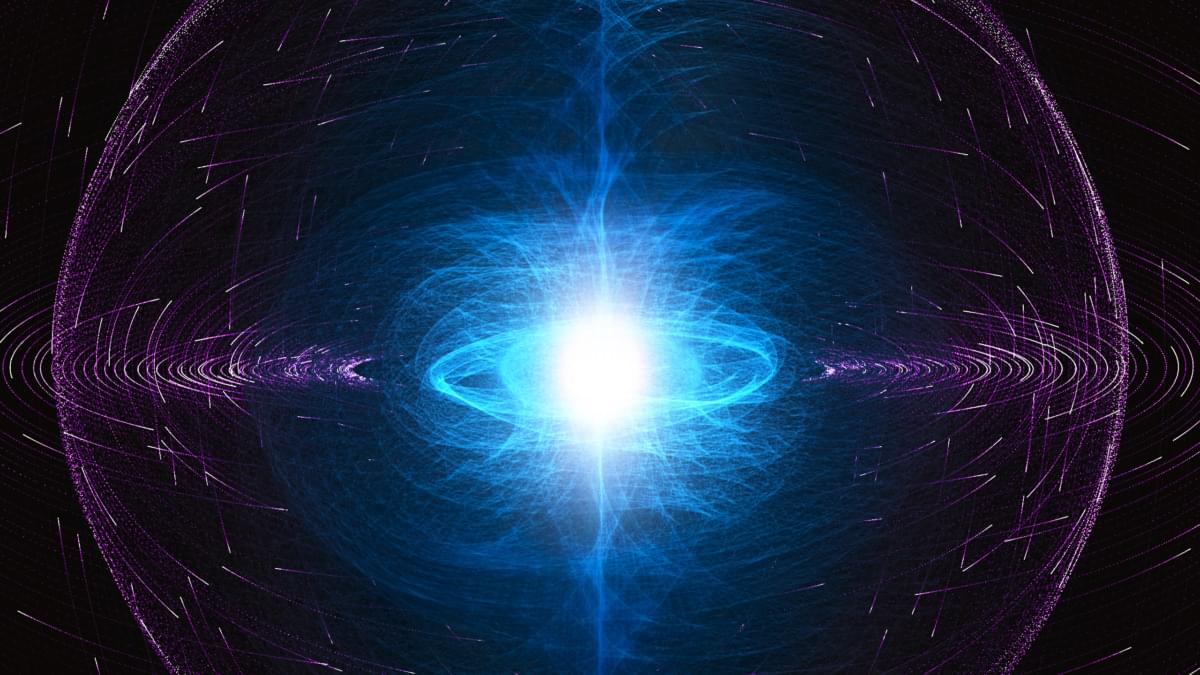
The Universe, according to theory at least, should not exist.
Every particle in the Universe has a corresponding antimatter counterpart. Should ever a pair of such particles meet, they would immediately cancel each other out – annihilated in a tiny puff of energy.
Theoretically, the birth of the Universe should have produced equal quantities of particles and antiparticles.
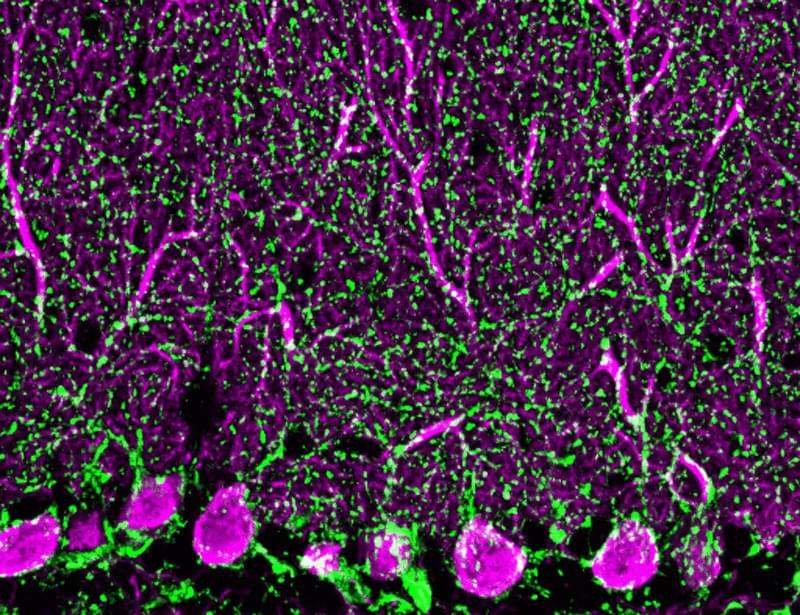
Vascular PRMT5 restricts inhibitory input to the cerebellum to support fine motor coordination.