A research group led by Professor Michael Glickman, dean of Technion’s Faculty of Biology, has uncovered a key mechanism in the development of Alzheimer’s. The mechanism in question identifies toxic proteins and disposes of them.
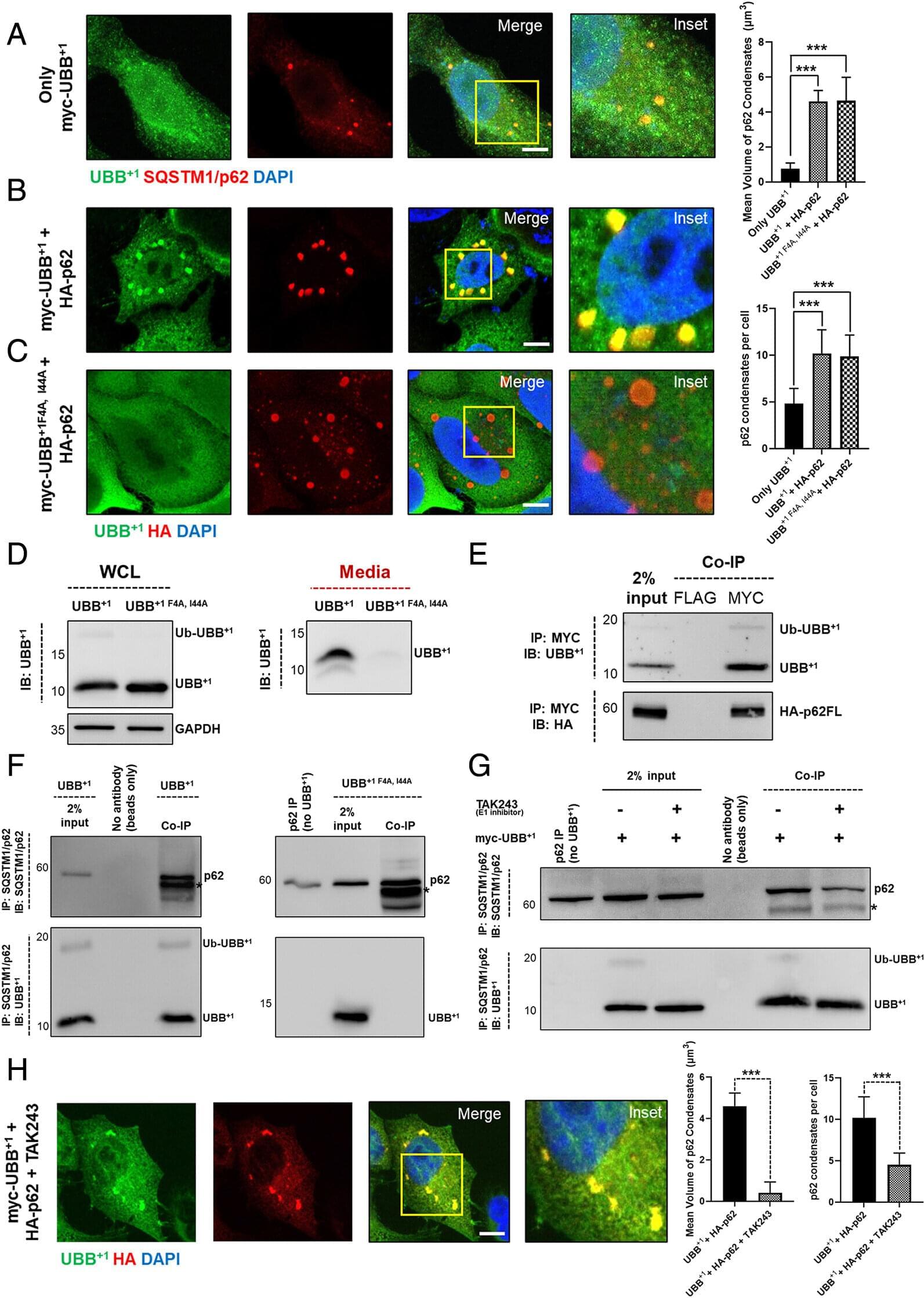
In most cases, harmful proteins are degraded inside the cell. However, the researchers found that in certain situations, the very system meant to eliminate these proteins simply transfers them outside the cell. This discovery may explain how a disease that begins randomly in individual neurons can spread to large regions of the brain.
The study, published in Proceedings of the National Academy of Sciences, was led by Prof. Glickman and postdoctoral researcher Dr. Ajay Wagh. In their article, they describe how brain cells deal with UBB+1, a defective and toxic variant of the protein ubiquitin.