Toggle light / dark theme

Get the latest international news and world events from around the world.

Log in for authorized contributors

Astronomers finally measure the full size of the largest known galaxy

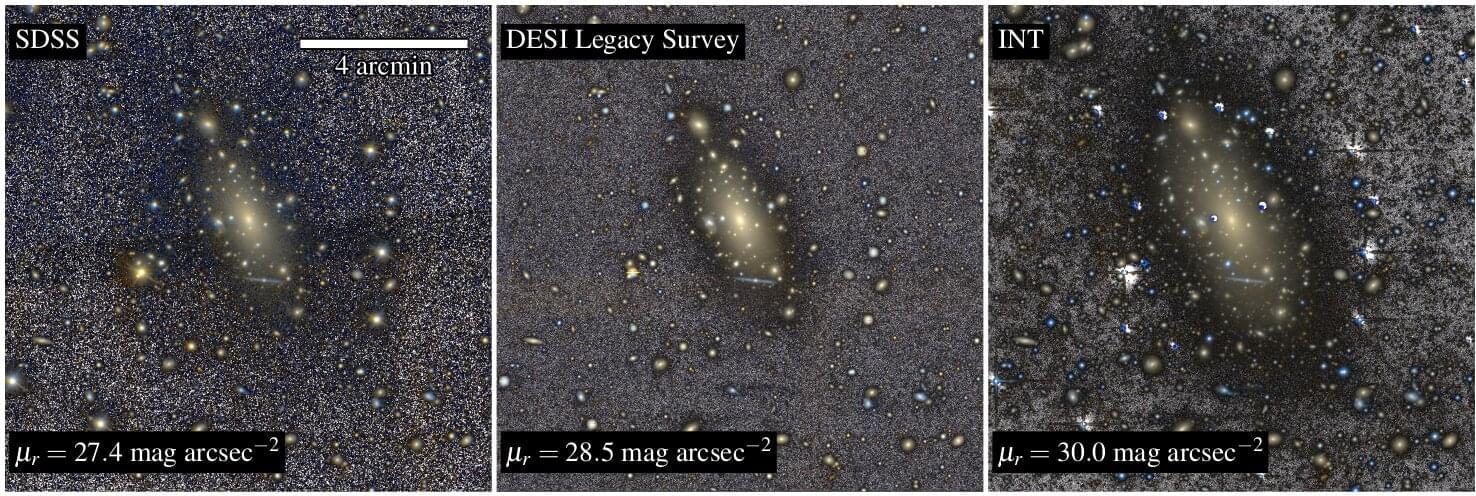
Researchers have obtained the deepest images ever taken of IC 1101, allowing them to identify the galaxy’s outer edge for the first time. The observations confirm it as the largest known galaxy, spanning roughly 520 kiloparsecs, or about 1.7 million light-years, and containing an estimated 3.4 trillion solar masses in stars. The paper was posted to the arXiv preprint server on July 16.

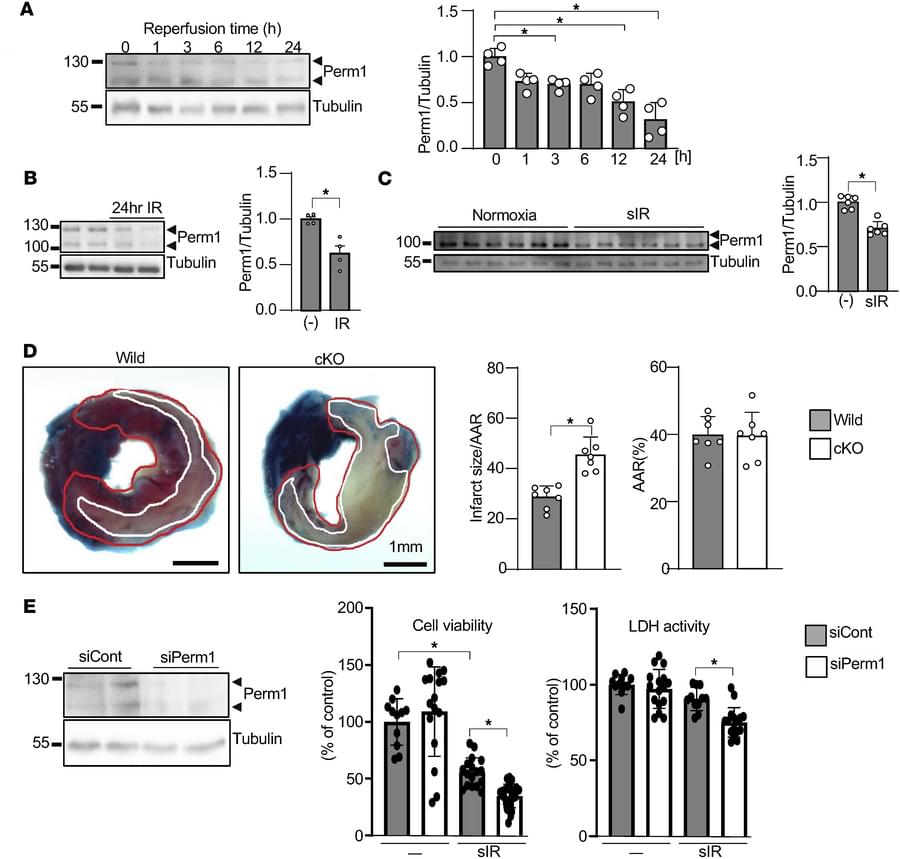
JCI Perm1 enhances Nrf2driven antioxidant defense through Keap1 oxidation during myocardial ischemia/reperfusion injury

Department of Cell Biology and Molecular Medicine, Rutgers New Jersey Medical School, Newark, New Jersey, USA.

2Division of Cardiovascular Surgery, Department of Surgery, Taipei Veterans General Hospital, Taipei, Taiwan.

3Department of Medicine, School of Medicine, National Yang-Ming Chiao-Tung University, Taipei, Taiwan.

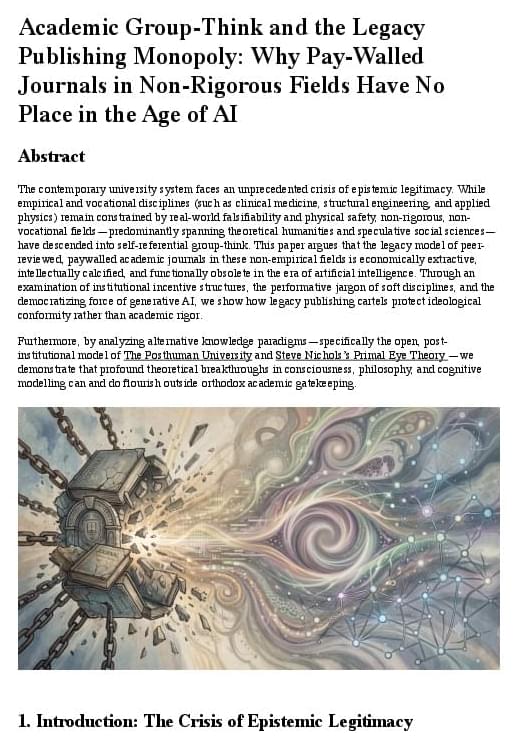
Academic Group Think and Peer Review Journals

The contemporary university system faces an unprecedented crisis of epistemic legitimacy. While empirical and vocational disciplines (such as clinical medicine, structural engineering, and applied physics) remain constrained by real-world falsifiability and physical safety, non-rigorous, non-vocational fields—predominantly spanning theoretical humanities and speculative social sciences—have descended into self-referential group-think. This paper argues that the legacy model of peer-reviewed, paywalled academic journals in these non-empirical fields is economically extractive, intellectually calcified, and functionally obsolete in the era of artificial intelligence. Through an examination of institutional incentive structures, the performative jargon of soft disciplines, and the democratizing force of generative AI, we show how legacy publishing cartels protect ideological conformity rather than academic rigor.

A New Kind of HIV Pill Just Passed Its First Test in Humans

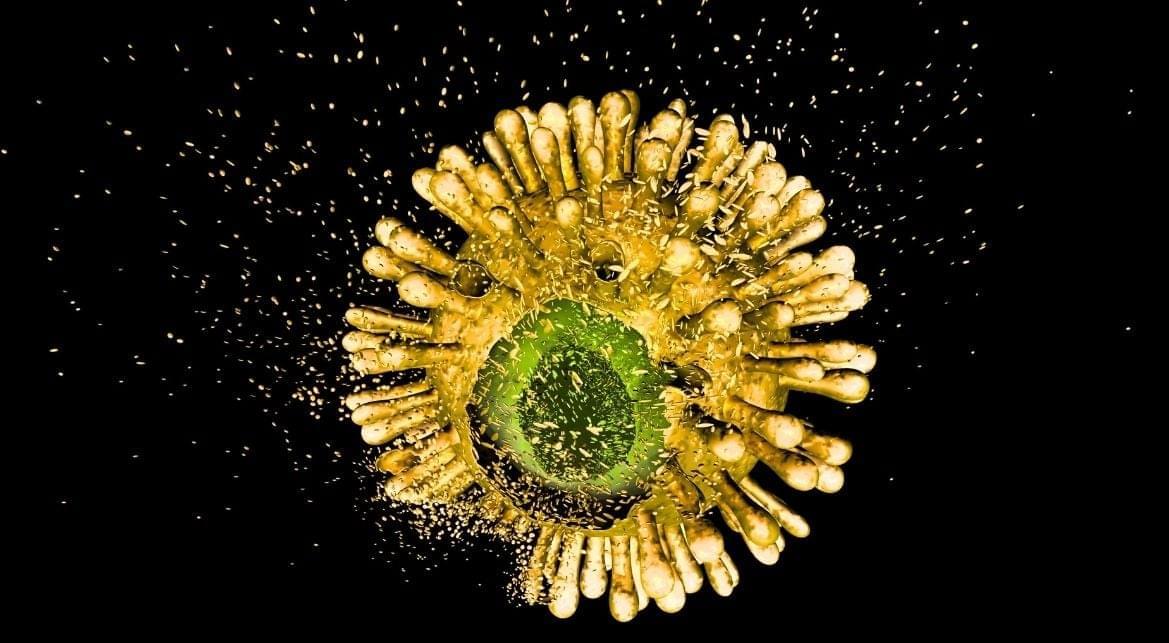
Scientists have just announced the results from the first clinical trial in people with HIV-1 of a new antiretroviral drug, which suggests it could be a very useful new tool in treating the virus.

The drug is currently known as ‘VH-499’ (that’s short for VH4011499), and it works by inhibiting the virus’s capsid protein, without which HIV cannot proliferate to harmful or transmissible levels.

“Advancements in care and prevention have transformed HIV-1 into a manageable chronic condition and reduced transmission rates,” write clinical pharmacologist Rulan Griesel and team in a paper announcing the clinical trial results.

This amino acid may help the body fight tumors and viral infections

The amino acid arginine helps keep the human body humming, most notably by synthesizing proteins that carry out a range of cellular processes. It’s produced by our bodies and found in common high-protein foods. Low levels of arginine are associated with a number of diseases, including colon cancer.

Sohail Tavazoie, head of Rockefeller University’s Elizabeth and Vincent Meyer Laboratory of Systems Cancer Biology, has been investigating that connection for years. In 2023, Tavazoie’s team found that starving colon cancer cells of arginine increases the number of mutations they accumulate. Now they’ve discovered that an arginine-deficient diet also affects the immune system by stalling the production of the MHC-I protein, which alerts the immune system to dangers such as a mutating cell or an invading virus.

Intriguingly, they also found that a moderate dose of arginine—about as much as is found in a couple of over-the-counter tablets—could potentially restore expression of the genes responsible for MHC-I production. They published the results in the journal Cell.

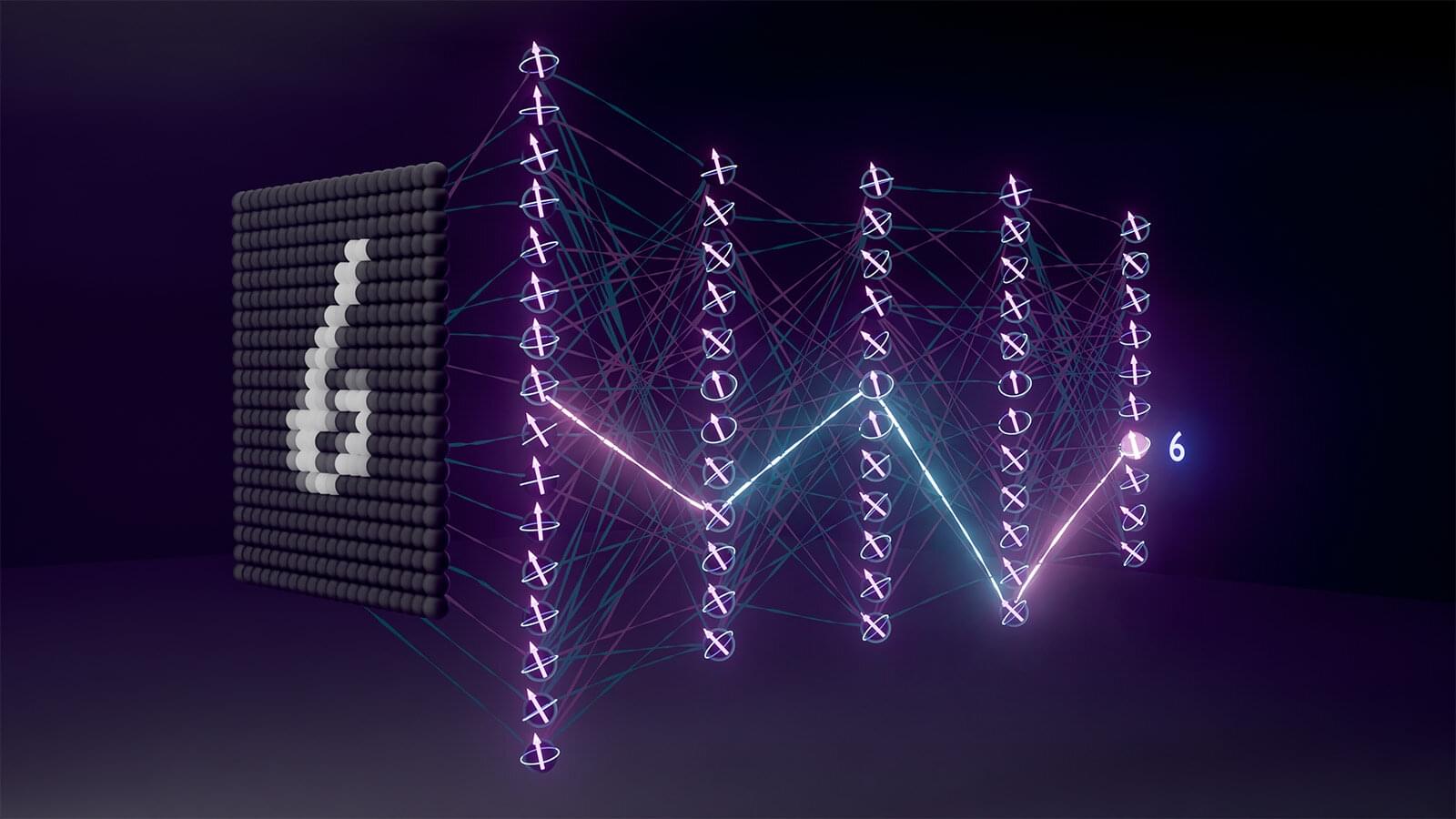
Quantum randomness helps neural network recognize troublesome handwritten digits

Quantum computing and AI are among the most rapidly developing modern technologies. AI, in the form of machine learning, has been deployed for decades to recommend movies and TV shows and make it easier to search for images. Over the past several years, large language models have permeated even more facets of daily life, from writing emails to producing images, videos and songs in response to requests expressed in a few written lines.

Quantum computers, on the other hand, have remained almost exclusively in labs at universities and a handful of companies. Nevertheless, many researchers and engineers developing them are already looking for the earliest applications and predict a bright future in which quantum computers excel at certain tasks, like drug development and enabling new cryptographic techniques.

Despite machine learning and quantum computing both being heralded as revolutionary technologies, neither is a magic solution to every problem. They are each the products of a long line of research advances and are both still under active study.
/* */