Toggle light / dark theme

Get the latest international news and world events from around the world.

Log in for authorized contributors

Intense sunlight reduces plant diversity and biomass across global grasslands, study finds

The sun is the basis for photosynthesis, but not all plants thrive in strong sunlight. Strong sunlight constrains plant diversity and plant biomass in the world’s grasslands, a new study shows. Temperature, precipitation, and atmospheric nitrogen deposition have less impact on plant diversity. These results were published in the Proceedings of the National Academy of Sciences by a research team led by Marie Spohn from the Swedish University of Agricultural Sciences.

The steppes of North America, the Serengeti savanna, the Svalbard tundra and natural pastures in the Alps are examples of habitats that are described as grasslands, with the common feature that there are no trees and the vegetation is dominated by grasses and other herbaceous plants. The diversity of plant species in these grasslands varies considerably, but the question of what controls plant diversity has challenged researchers for decades.

Last year, in a study on grasslands, Spohn from SLU and colleagues found that soil properties and climate factors, such as temperature, did not explain variations in plant diversity. “This finding surprised me,” says Spohn. “And that’s when I started wondering about the importance of sunlight for plant diversity in grasslands and decided to start a new project that would explore this relationship.”
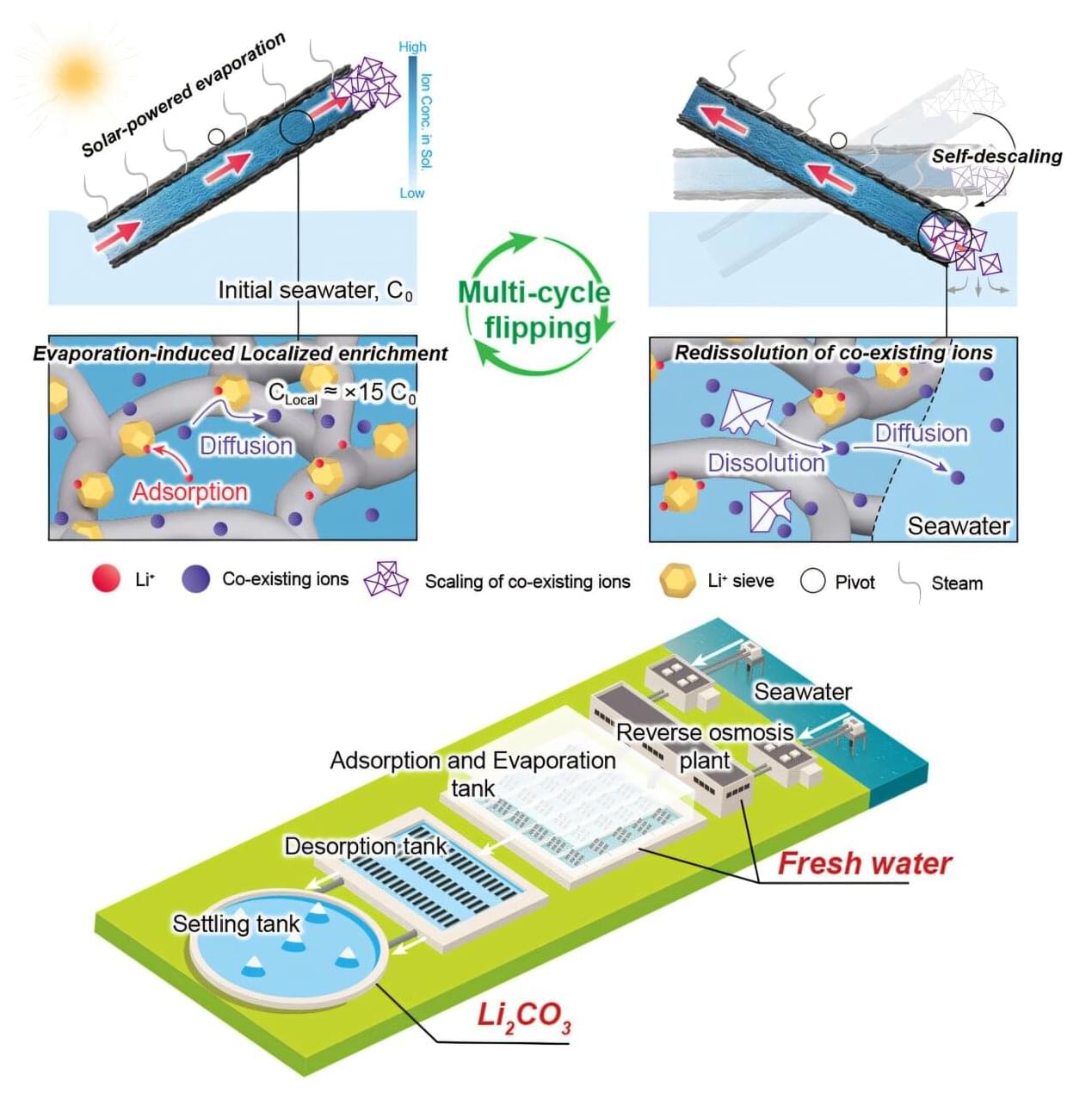
Solar-powered seesaw extractor simultaneously extracts lithium and desalinates water

The global demand for lithium has skyrocketed over the last several years due to the rapid growth of the electric vehicle market and grid-storage solutions. Currently, production capacity is limited and unlikely to meet future needs. However, researchers are making headway in innovative lithium capture technologies. A new study, published in Device, describes one such technology that extracts lithium from seawater more efficiently than previous extraction methods, with an added benefit of seawater desalination.

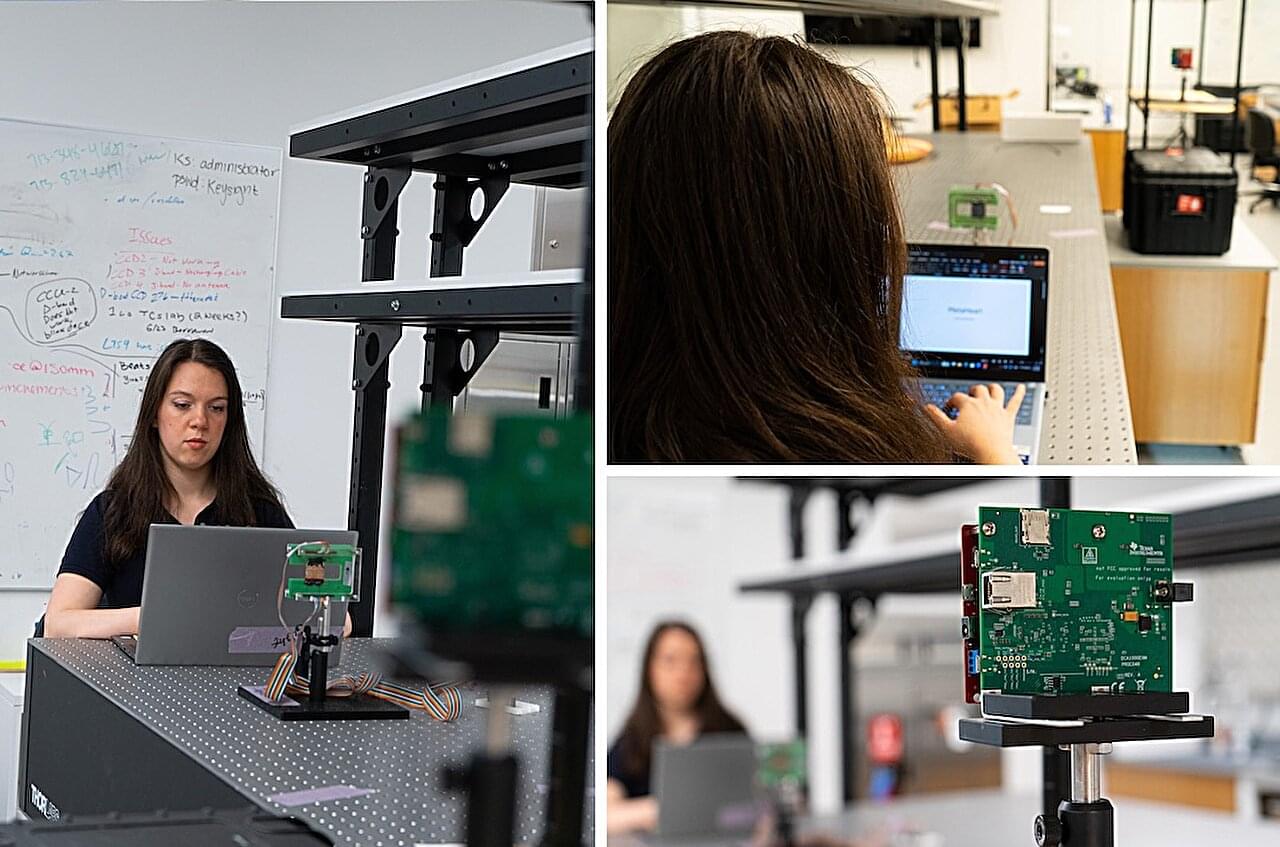
Scientists camouflage heart rate from invasive radar-based surveillance

It’s a typical workday and you sign onto your computer. Unbeknownst to you, a high-frequency sensing system embedded in your work device is now tracking your heart rate, allowing your employer to monitor your breaks, engagement, and stress levels and infer alertness. It sounds like a dystopian scenario, but some believe it’s not so far from current reality.

AI decision aids aren’t neutral: Why some users become easier to mislead

Guidance based on artificial intelligence (AI) may be uniquely placed to foster biases in humans, leading to less effective decision making, say researchers, who found that people with a positive view of AI may be at higher risk of being misled by AI tools. The study, titled “Examining Human Reliance on Artificial Intelligence in Decision Making,” is published in Scientific Reports.

Lead author Dr. Sophie Nightingale of Lancaster University said, “Understanding human reliance on AI is critical given controversial reports of AI inaccuracy and bias. Furthermore, the erroneous belief that using technology removes biases may lead to overreliance on AI.”

The research team also included Joe Pearson, formerly of Lancaster University, Itiel Dror from Cognitive Consultants International (CCI-HQ), and Emma Jayes, Georgina Mason, and Grace-Rose Whordley from the Defence Science and Technology Laboratory.

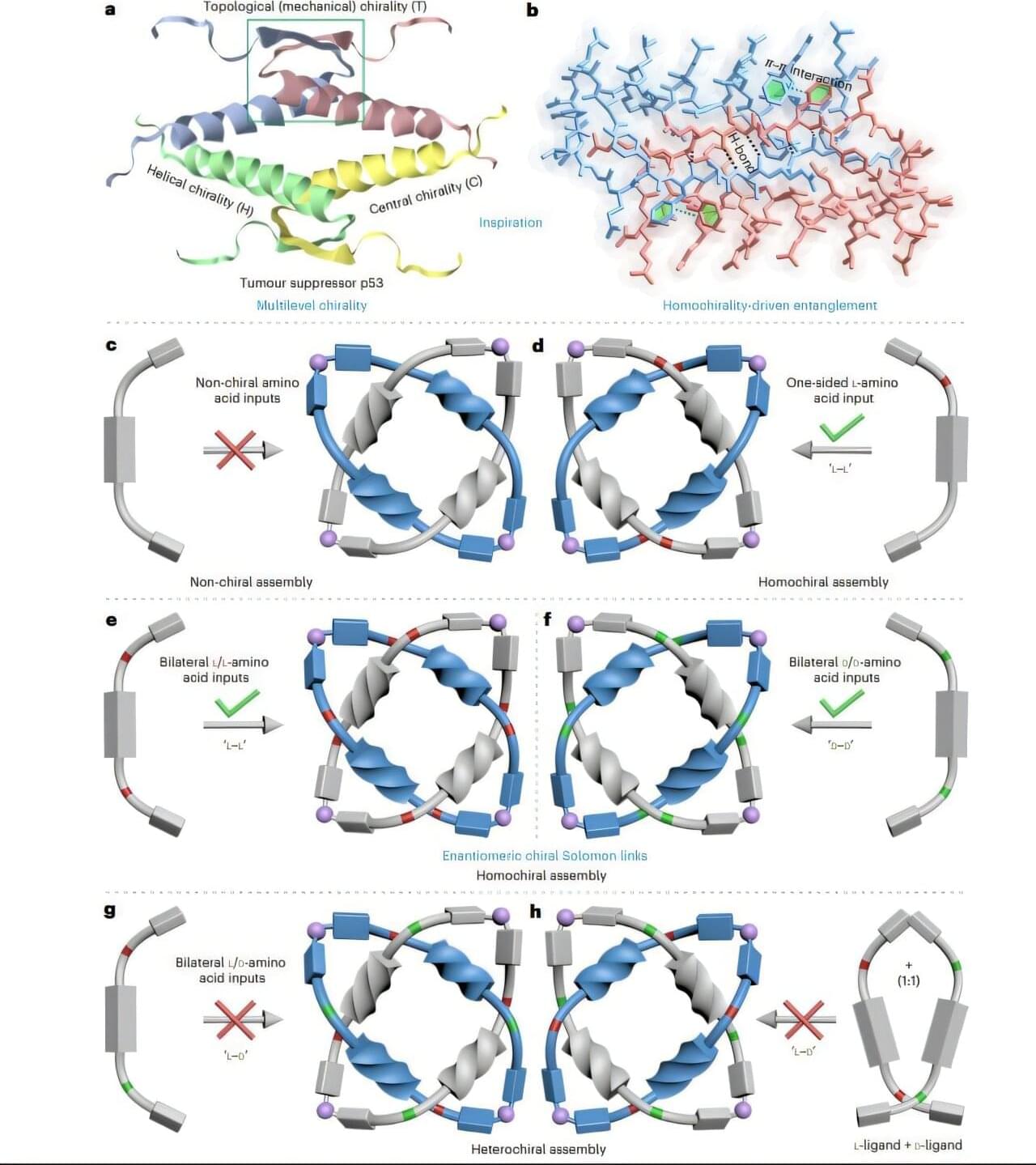
Scientists harness nature’s chirality bias to design series of complex mechanically interlocked molecules

In nature, molecules often show a strong preference for partnering with other molecules that share the same chirality or handedness. A behavior that is quite evident in the phenomenon known as homochirality-driven entanglement, where molecules that are all left-handed or all right-handed preferentially recognize and wrap around one another, forming complex and interlocked structures.

We have known about this natural behavior for quite some time, but its potential in a laboratory setting remained largely untapped—until now. By putting this principle to work, researchers cracked a new technique that tackles a long-standing challenge in molecular synthesis.

A team from Shanghai Jiao Tong University, China, and the University of Bristol, UK, leveraged stereochemical information inherent in amino acids to guide the synthesis of a library of chiral Solomon links —a class of complex, mechanically interlocked molecules (MIMs) with doubly interlocked structures.

Third exoplanet detected in the planetary system HD 176986

Using HARPS and HARPS-N spectrographs, astronomers have observed a nearby K-type star designated HD 176986, known to host two super-Earth exoplanets. The observations resulted in the discovery of another planet in the system at least several times more massive than Earth. The finding was detailed in a paper published January 28 in the Astronomy & Astrophysics journal.

Laser‑written glass chip pushes quantum communication toward practical deployment

As quantum computers continue to advance, many of today’s encryption systems face the risk of becoming obsolete. A powerful alternative—quantum cryptography—offers security based on the laws of physics instead of computational difficulty. But to turn quantum communication into a practical technology, researchers need compact and reliable devices that can decode fragile quantum states carried by light.

A new study from teams at the University of Padua, Politecnico di Milano, and the CNR Institute for Photonics and Nanotechnologies shows how this goal can be approached using a simple material: borosilicate glass. As reported in Advanced Photonics, their work demonstrates a high-performance quantum coherent receiver fabricated directly inside glass using femtosecond laser writing. The approach provides low optical loss, stable operation, and broad compatibility with existing fiber-optic infrastructure—key factors for scaling quantum technologies beyond the laboratory.

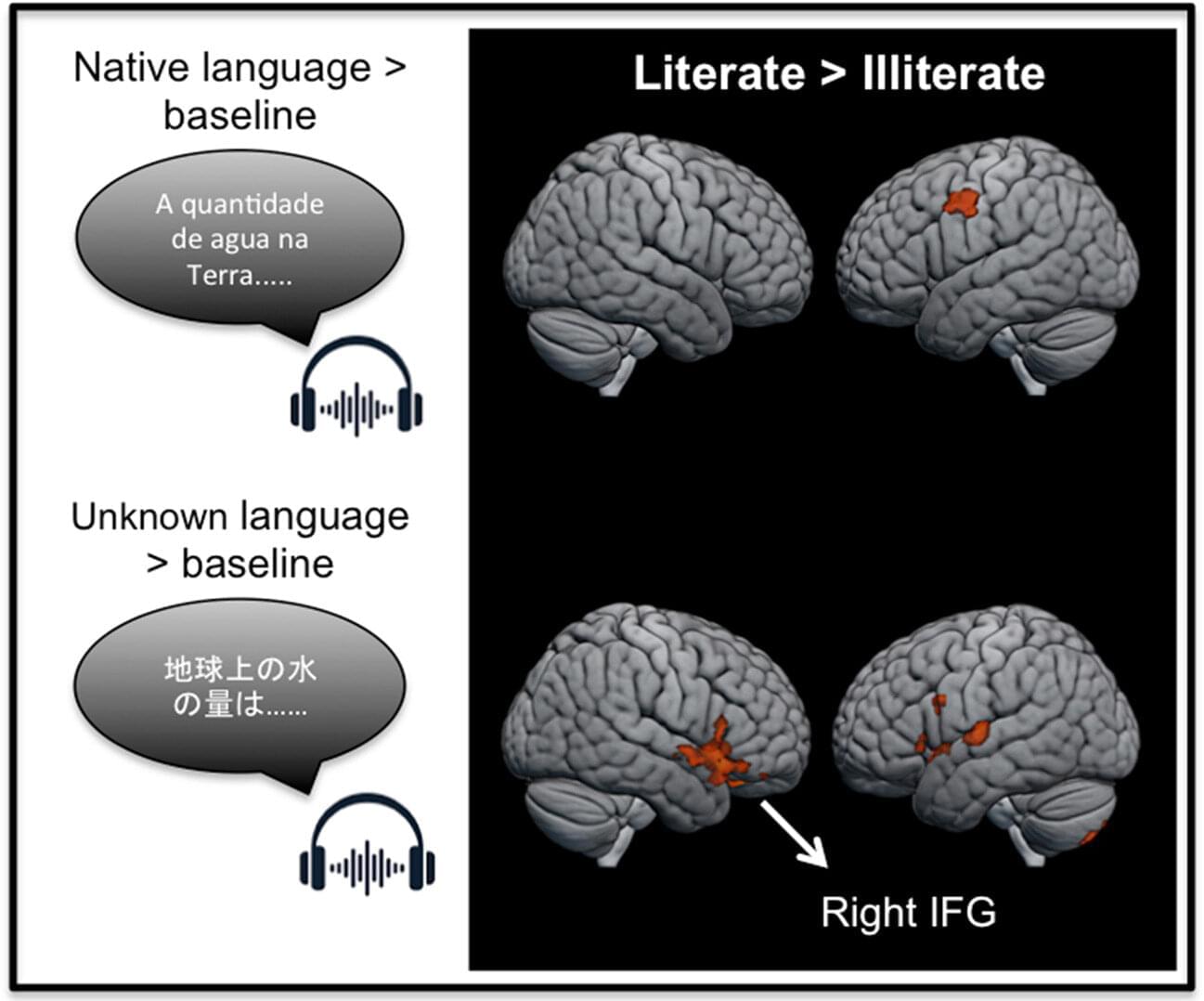
The brain on books: How reading reshapes language processing

Learning to read reshapes how the brain processes language. New research from Baycrest and the University of São Paulo shows that learning to read fundamentally changes how the brain responds to spoken language, even when no written words are present. While previous brain imaging studies have demonstrated that literacy strongly affects how the brain responds to written words, this study is among the first to show differences in brain activity during listening alone.

The findings confirm that as people learn to read, they develop a skill known as phonemic awareness, the ability to hear and manipulate the individual sounds that make up spoken words, a core foundation of reading. The study shows that learning to read improves how the brain processes spoken language by increasing sensitivity to these component sounds. This, in turn, strengthens short-term verbal memory, supporting the ability to learn complex skills and manage the cognitive demands of daily life.

The work is published in the journal Cortex.

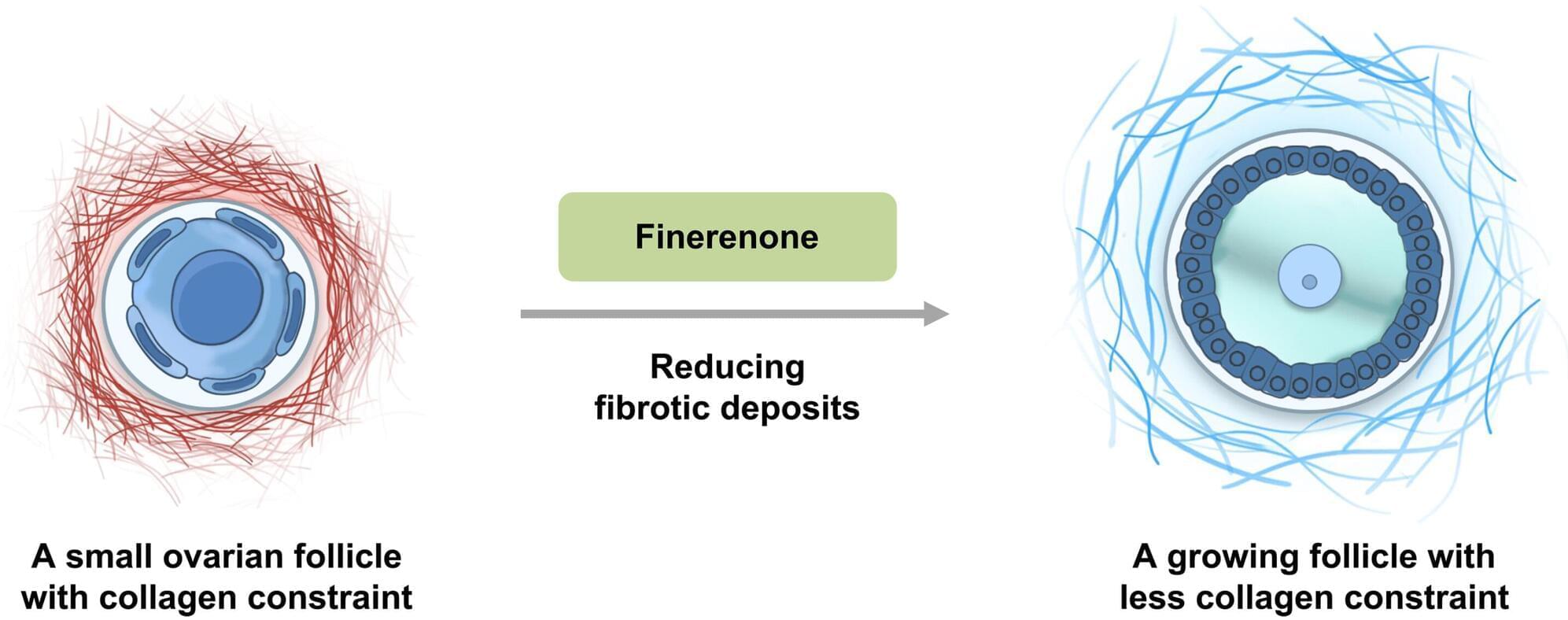
A kidney drug may help restore fertility in premature ovarian insufficiency

A common kidney medication could be the key to treating a type of infertility that affects up to 3% of women under 40, according to a study published in Science.

Premature ovarian insufficiency (POI) is a condition where the ovaries stop functioning properly, leading to low estrogen levels and follicles that often fail to develop or respond to fertility treatments. This leaves the eggs in a dormant state. Current treatments are limited to managing symptoms such as hot flashes and night sweats.

For years, scientists focused on the eggs themselves, but researchers led by Tianren Wang and Kui Liu from the University of Hong Kong suspected the problem could be the environment the eggs live in (the ovarian stroma).

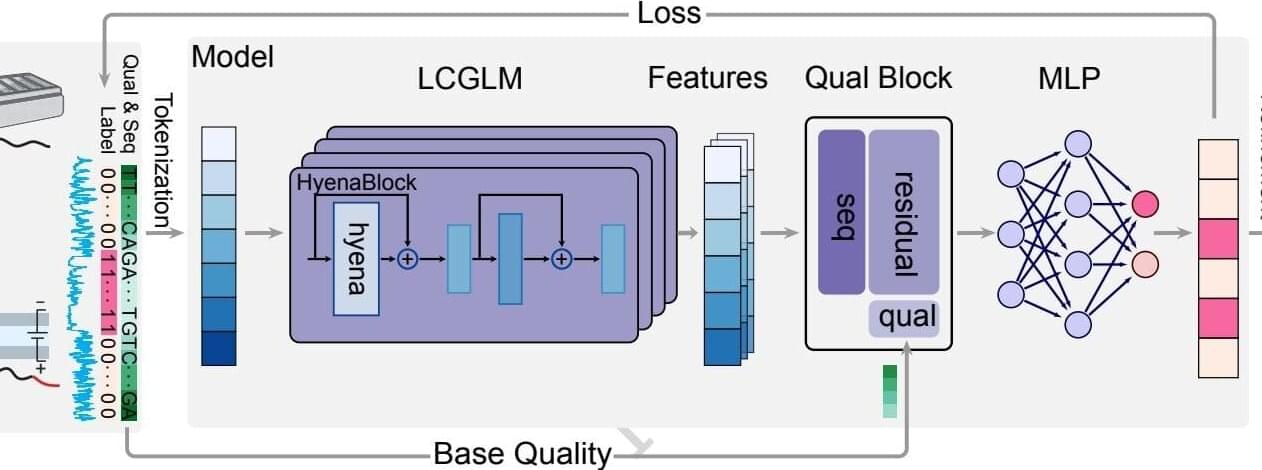
DeepChopper model improves RNA sequencing research by mitigating chimera artifacts

Scientists in the laboratory of Rendong Yang, Ph.D., associate professor of Urology, have developed a new large language model that can interpret transcriptomic data in cancer cell lines more accurately than conventional approaches, as detailed in a recent study published in Nature Communications.

Long-read RNA sequencing technologies have transformed transcriptomics research by detecting complex RNA splicing and gene fusion events that have often been missed by conventional short-read RNA-sequencing methods.

Among these technologies includes nanopore direct RNA sequencing (dRNA-seq), which can sequence full-length RNA molecules directly and produce more accurate analyses of RNA biology. However, previous work suggests this approach may generate chimera artifacts—in which multiple RNA sequences incorrectly join to form a single RNA sequence—and limit the reliability and utility of the data.

/* */