Toggle light / dark theme

Get the latest international news and world events from around the world.

Log in for authorized contributors

Iron-based magnetic material achieves major reduction in core loss

A research team from NIMS, Tohoku University and AIST has developed a new technique for controlling the nanostructures and magnetic domain structures of iron-based soft amorphous ribbons, achieving more than a 50% reduction in core loss compared with the initial amorphous material.

The developed material exhibits particularly high performance in the high-frequency range of several tens of kilohertz—required for next-generation, high-frequency transformers and EV drive power supply circuits. This breakthrough is expected to contribute to the advancement of these technologies, development of more energy-efficient electric machines and progress toward carbon neutrality.

The research is published in Nature Communications.
Seismic Mystery Solved: Scientists Find a New State of Matter at Earth’s Center

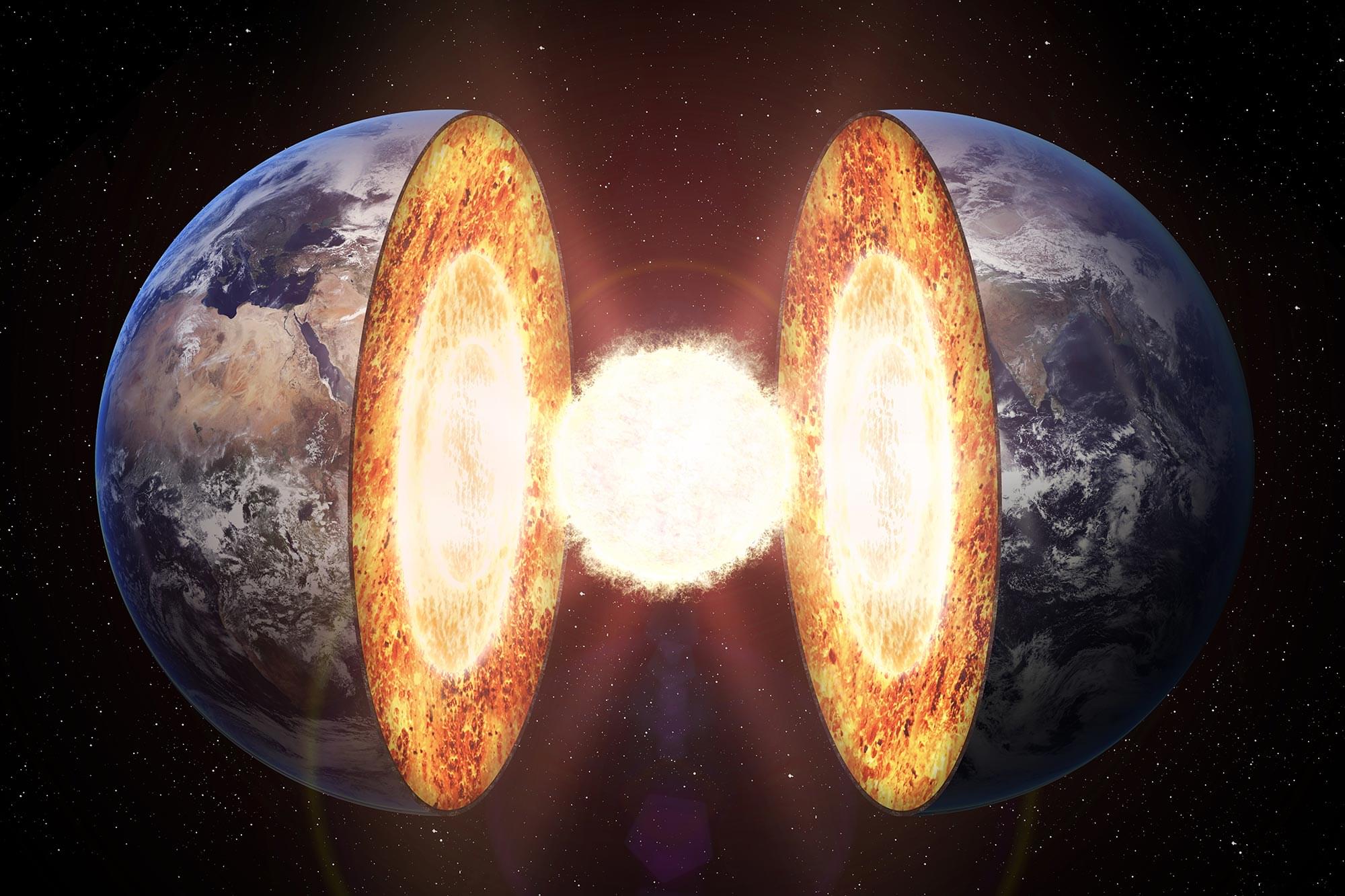
Chinese researchers have discovered that interstitial carbon in iron-carbon alloys behaves in a superionic, liquid-like state under Earth’s core pressure and temperature conditions. Beneath Earth’s molten outer core lies a solid central region, the inner core, a compact sphere made of an iron lig

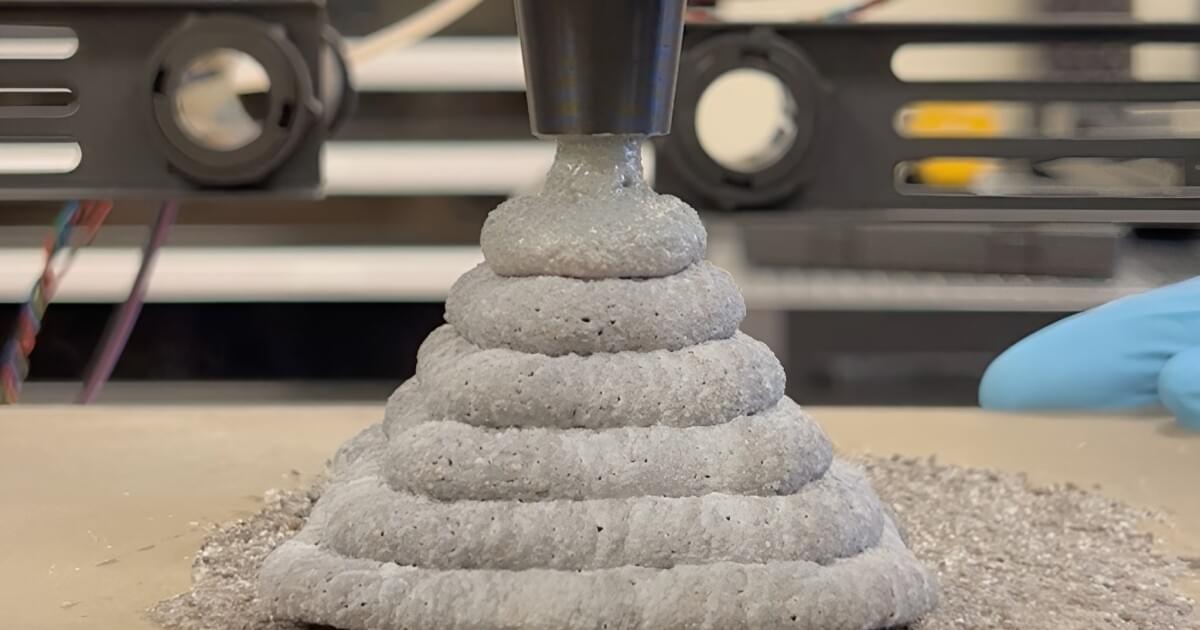
3D-printable concrete alternative hardens in three days, not four weeks

Although we’ve heard a lot about how 3D-printing concrete homes speeds up the construction process, you still have to wait up to 28 days for the concrete to sufficiently cure. A new printable substitute, however, is ready to go in just three days.

Concrete consists of three parts: water, an aggregate such as sand or gravel, and a cement which binds everything together. The cement is the part that typically takes about a month to cure after being poured. And a slow curing time isn’t cement’s only problem.

Traditional Portland-style cement is made by grinding up limestone and other raw materials, then heating the resulting powder to temperatures of up to 1,450 ºC (2,642 ºF). Unfortunately, the processes by which that heat is generated produce a lot of carbon dioxide.

Trump’s Genesis Mission aims to build a centralized AI platform to power scientific breakthroughs

President Donald Trump has issued a new Executive Order that launches the “Genesis Mission,” an AI-focused initiative that aims to make the “most complex and powerful scientific instrument ever built.”

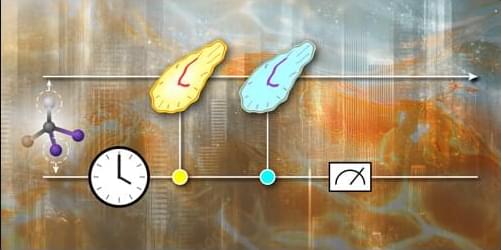
Quantum calculations expose hidden chemistry of ice

When ultraviolet light hits ice—whether in Earth’s polar regions or on distant planets—it triggers a cascade of chemical reactions that have puzzled scientists for decades.

Now, researchers at the University of Chicago Pritzker School of Molecular Engineering (UChicago PME) and collaborators at the Abdus Salam International Center for Theoretical Physics (ICTP) have used quantum mechanical simulations to reveal how tiny imperfections in ice’s crystal structure dramatically alter how ice absorbs and emits light. The findings, published in Proceedings of the National Academy of Sciences, pave the way for scientists to better understand what happens at a sub-atomic scale when ice melts, which has implications including improving predictions of the release of greenhouse gases from thawing permafrost.

“No one has been able to model what happens when UV light hits ice with this level of accuracy before,” said Giulia Galli, Liew Family Professor of Molecular Engineering and one of the senior authors of the new work. “Our paper provides an important starting point to understand the interaction of light with ice.”

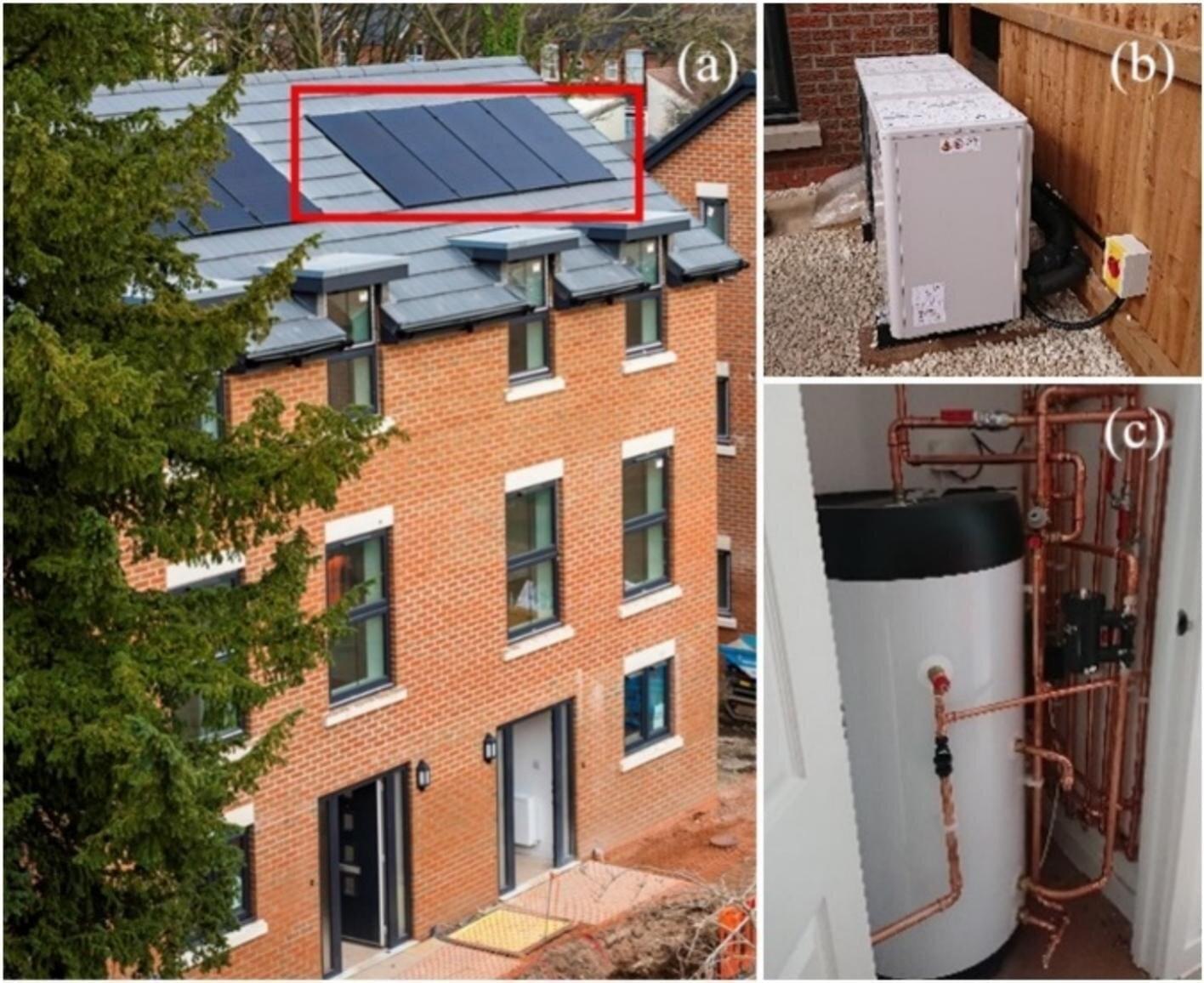
New green homes in the UK put less strain on the grid than models predicted

A study of some of the first net-zero-ready homes in the UK has found that their peak grid power demand is far lower than planners had anticipated. The research confirms that these all-electric homes can significantly cut energy use and emissions.

Buildings account for around 37% of global energy-related emissions, with residential properties making up approximately 17% of that total. In 2019, the UK government set an ambitious target to achieve net-zero greenhouse gas emissions by 2050. To help meet it, the Future Homes Standard requires all new homes built from 2025 to cut their by 75% to 80%.

Fully electric homes use technologies like air-source heat pumps (ASHPs) for heating (by extracting heat from outdoor air) and solar PV panels for electricity generation. But the big question has been whether they work as promised and achieve their energy efficiency goals in the real world.

Shrinking materials hold big potential for smart devices, researchers say

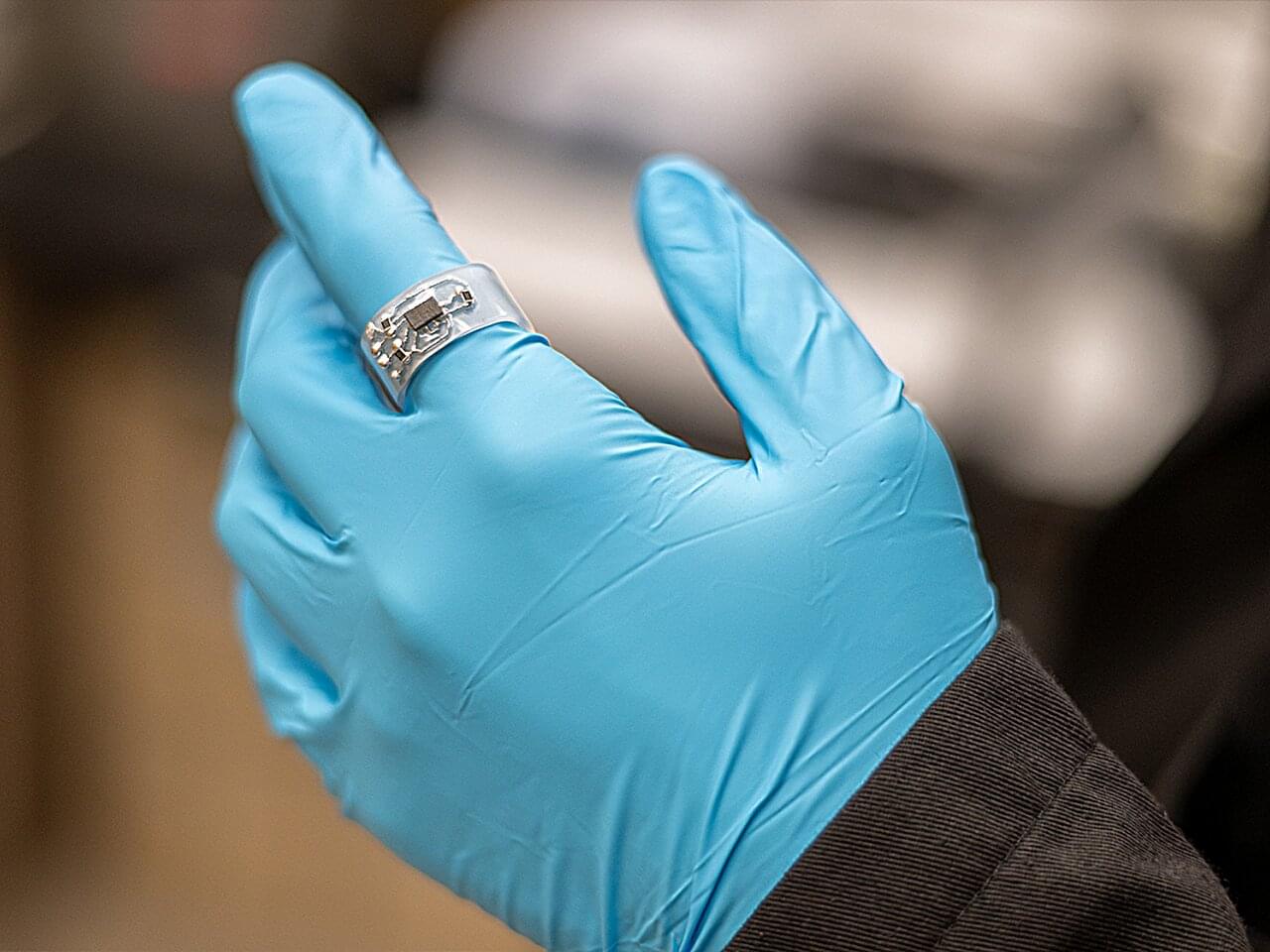
Wearable electronics could be more wearable, according to a research team at Penn State. The researchers have developed a scalable, versatile approach to designing and fabricating wireless, internet-enabled electronic systems that can better adapt to 3D surfaces, like the human body or common household items, paving the path for more precise health monitoring or household automation, such as a smart recliner that can monitor and correct poor sitting habits to improve circulation and prevent long-term problems.

The method, detailed in Science Advances, involves printing liquid metal patterns onto heat-shrinkable polymer substrates—otherwise known as the common childhood craft “Shrinky Dinks.” According to team lead Huanyu “Larry” Cheng, James L. Henderson, Jr. Memorial Associate Professor of Engineering Science and Mechanics in the College of Engineering, the potentially low-cost way to create customizable, shape-conforming electronics that can connect to the internet could make the broad applications of such devices more accessible.

“We see significant potential for this approach in biomedical uses or wearable technologies,” Cheng said, noting that the field is projected to reach $186.14 billion by 2030. “However, one significant barrier for the sector is finding a way to manufacture an easy-to-customize device that can be applied to freestanding, freeform surfaces and communicate wirelessly. Our method solves that.”

/* */