Toggle light / dark theme

Get the latest international news and world events from around the world.

Log in for authorized contributors

Redox regulation of the transcription factor HAT1 limits basal defenses and promotes responses to infection in Arabidopsis thaliana

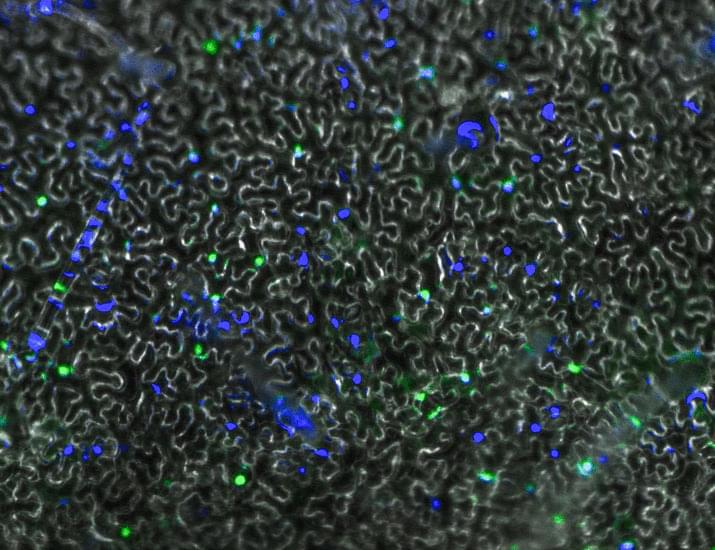
A study in Science Signaling reveals a molecular “brake” in plants that fine-tunes the immune response to infection, casting light on the sophisticated and dynamic pathways that enable plants to balance energy between growth and immune defense.

📄


The redox status of cysteine residues in a transcription factor balances plant defense gene expression.

Abstract: Uncovering a novel disease mechanism in partial lipodystrophy syndrome disease

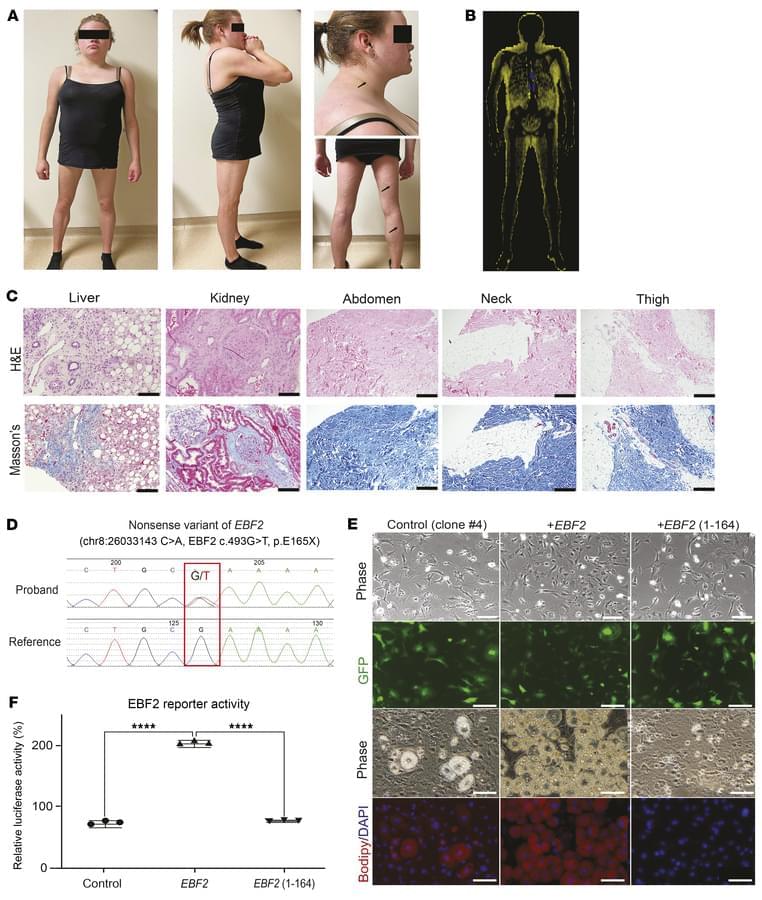
Here, Elif A. Oral & team describe a nonsense variant in EBF2 in a patient with an atypical form of partial lipodystrophy and establish a mouse model—linking the EBF2 p. E165X variant to impaired adipogenesis and adipose tissue function.

The image shows inguinal adipose tissue from the EBF2 p. E165X knock-in mouse, demonstrating prominent accumulation of collagen fibers (blue) and elastin-rich eosinophilic material (purple).


1Caswell Diabetes Institute and Metabolism, Endocrinology and Diabetes Division, Department of Internal Medicine, University of Michigan Medical School, Ann Arbor, Michigan, USA.

2Department of Clinical and Translational Sciences, University of Pisa, Pisa, Italy.

3Division of Genetics and Genomics, Boston Children’s Hospital, Boston, Massachusetts, USA.
Precision radio waves may help counter brain diseases

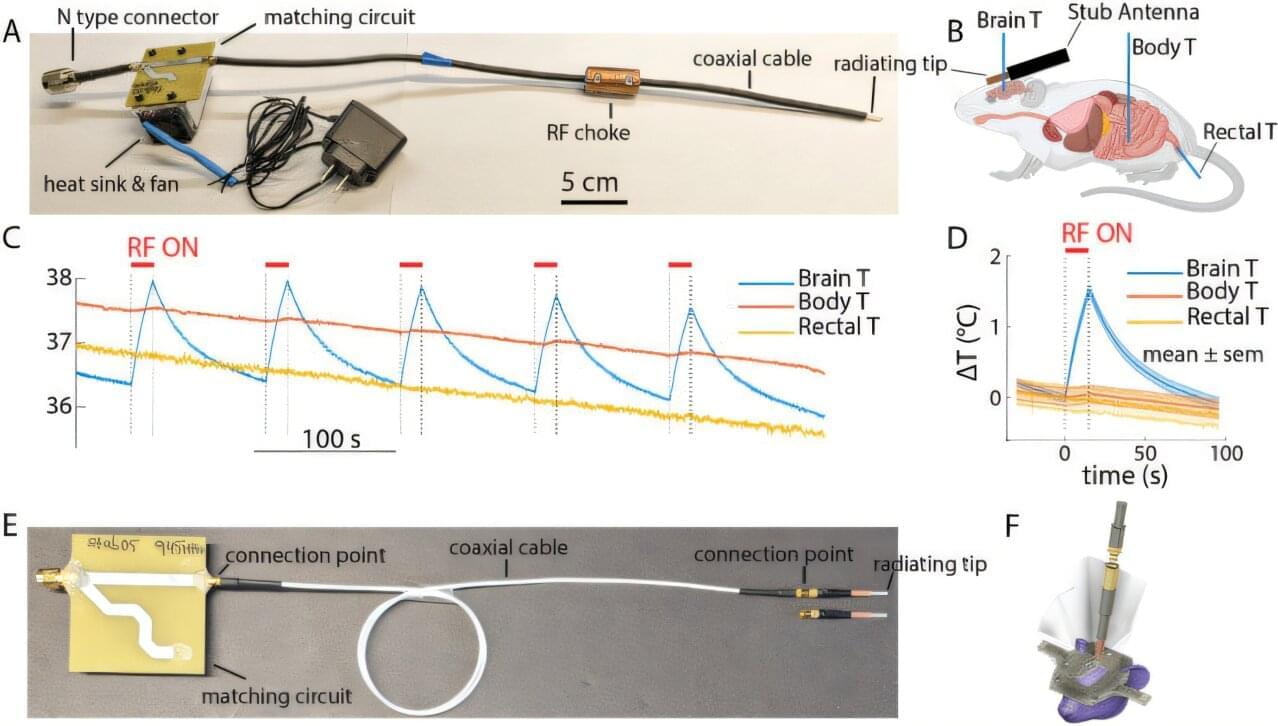
A study has found that precise application of radio waves can change the activity of brain cells in ways that could counter neurological conditions. Led by researchers at NYU Langone Health, the work introduces a technique called transcranial radio frequency stimulation (TRFS), which promises to treat neurological diseases with neither the invasiveness of surgery nor the frequent failure of drugs as patients (e.g., 30% of people with depression and epilepsy) develop resistance.

Published online recently in the journal Brain Stimulation, the study describes the use of radio frequency (RF) energy, which is effective at penetrating biological tissue. The study says TRFS could overcome the limits of older technologies because it can, depending on the nature of the disease, target either a small part of the brain or the entire organ, and it can dial nerve signaling up or down.

“Our study is the first to demonstrate in live mice the potential of the technology to be highly effective for adjusting neural activity,” said senior study author György Buzsáki, MD, Ph.D., the Biggs Professor of Neuroscience in the Department of Neuroscience at NYU Grossman School of Medicine. “The need for better, noninvasive techniques is becoming ever more urgent, with one in three people globally affected by some form of brain disorder during their lifetime,” said Dr. Buzsáki, also faculty at the Institute for Translational Neuroscience.

Searching for the Nature of Dark Matter

Dark matter makes up most of the matter in our Universe, yet its true nature remains one of the greatest mysteries in modern science. In this webinar, leading Cambridge researchers will explore how we’re uncovering the invisible.

Chaired by Professor Anthony Challinor, Director of the Kavli Institute for Cosmology, this webinar brings together three Cambridge researchers on the front line of dark matter research:

Professor Ben Allanach (Department of Applied Mathematics and Theoretical Physics)
Professor Hiranya Peiris (Institute of Astronomy and Kavli Institute for Cosmology)
Dr Harry Cliff (Cavendish Laboratory, Department of Physics)

New 4D vision chip can help robots track distance and speed at once

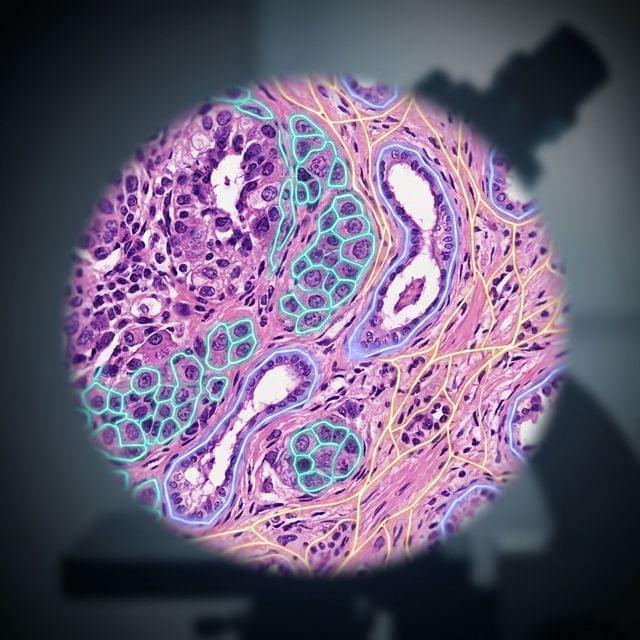
Researchers at Pointcloud GmbH in Zürich, Switzerland, have packed advanced 4D sensing technology — once too bulky for everyday use — onto a single silicon chip.

It’s a 4D imaging sensor that maps the physical world while simultaneously clocking the speed of every object it sees. It offers a low-cost, high-speed vision solution for everything from autonomous drones to future smartphones.

“This result demonstrates the capabilities of FMCW LiDAR FPA sensors as enablers of ubiquitous, low-cost, compact coherent 4D imaging cameras,” the researchers wrote in the study paper.

Inverse design: A new pathway to custom functional polymers

At a potluck, you ate the best chocolate chip cookie—golden-brown, thick and chewy. Unfortunately, you don’t know who made the cookie to get the recipe from, so you decide to recreate it. Using forward design principles, you might randomly choose a recipe from dozens of options, bake and observe the resulting cookies. If they are too thin, you might start over with a new recipe, add more flour or chill the dough longer and make a new batch. An alternative method is to start from the cookie characteristics you want and ask: What recipe and baking settings will produce that type of cookie? This method is called inverse design.

/* */