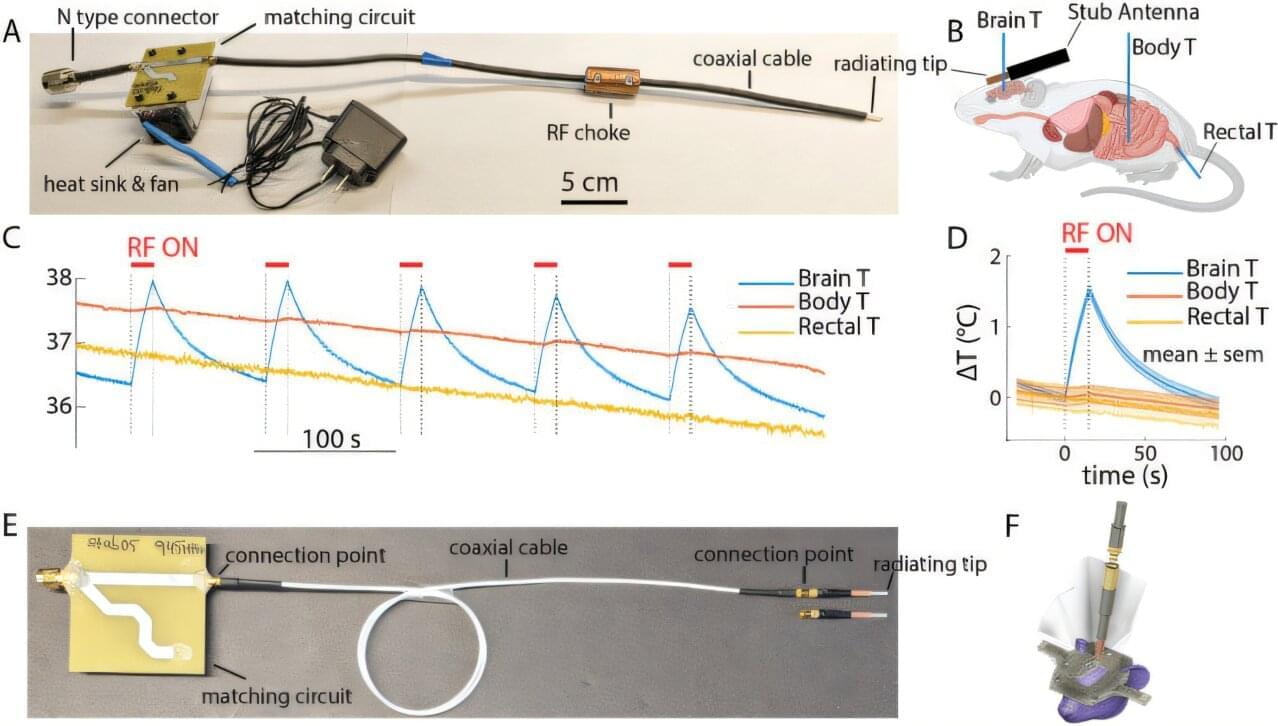
A study has found that precise application of radio waves can change the activity of brain cells in ways that could counter neurological conditions. Led by researchers at NYU Langone Health, the work introduces a technique called transcranial radio frequency stimulation (TRFS), which promises to treat neurological diseases with neither the invasiveness of surgery nor the frequent failure of drugs as patients (e.g., 30% of people with depression and epilepsy) develop resistance.
Published online recently in the journal Brain Stimulation, the study describes the use of radio frequency (RF) energy, which is effective at penetrating biological tissue. The study says TRFS could overcome the limits of older technologies because it can, depending on the nature of the disease, target either a small part of the brain or the entire organ, and it can dial nerve signaling up or down.
“Our study is the first to demonstrate in live mice the potential of the technology to be highly effective for adjusting neural activity,” said senior study author György Buzsáki, MD, Ph.D., the Biggs Professor of Neuroscience in the Department of Neuroscience at NYU Grossman School of Medicine. “The need for better, noninvasive techniques is becoming ever more urgent, with one in three people globally affected by some form of brain disorder during their lifetime,” said Dr. Buzsáki, also faculty at the Institute for Translational Neuroscience.