Dr. Michael Lustgarten earned his Ph.D. in Physiology from the University of Texas Health Science Center at San Antonio in 2009. Since then, he has contributed to 38 peer-reviewed publications that have been cited more than 5,000 times.
Get the latest international news and world events from around the world.
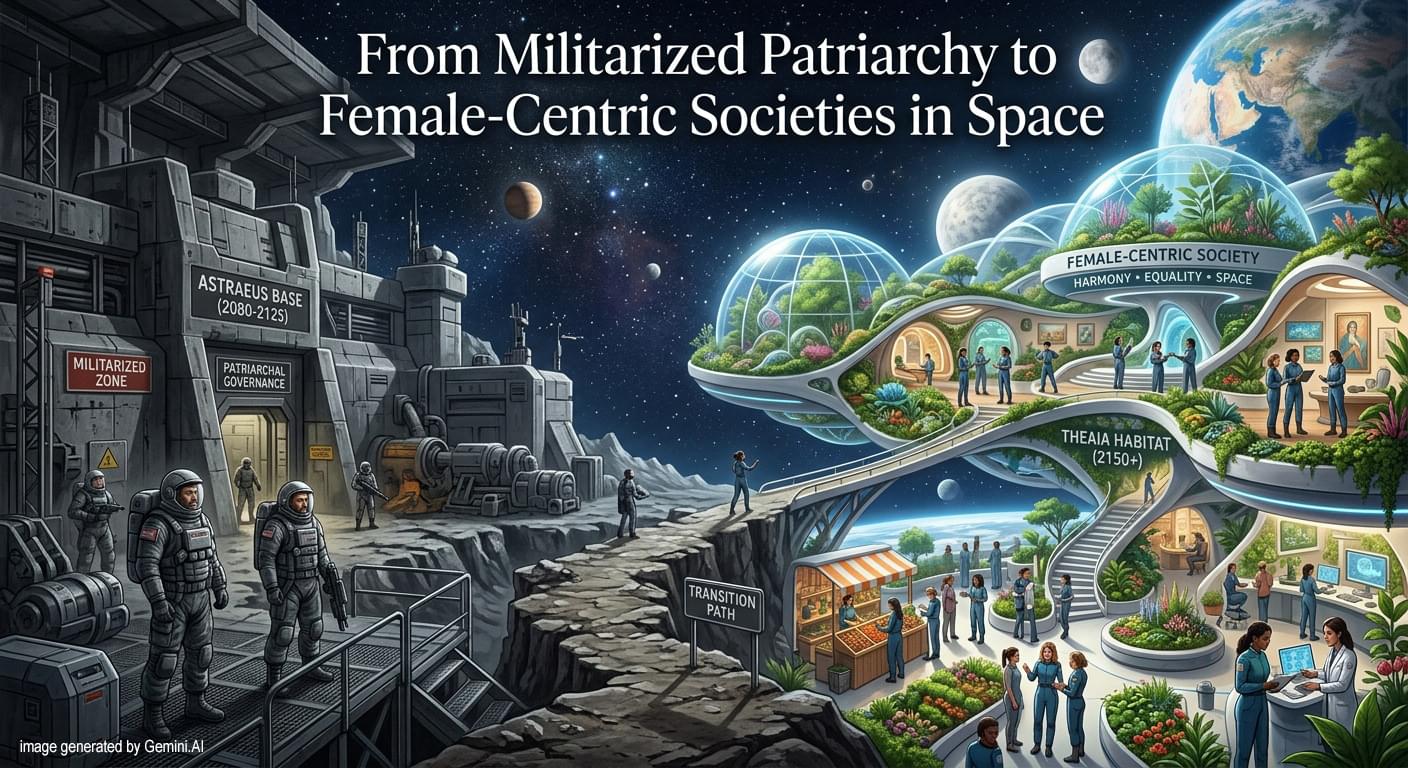
From Militarized Patriarchy to FemaleCentric Societies in Space
Expanding humanity into outer space would represent one of the greatest transitions in human history. If millions of people eventually live and work in space, the social structures familiar to us today are likely to evolve into very different forms. Predicting those structures is difficult. Few, if any, could have predicted the profound societal transformation that occurred in Europe following the Industrial Revolution. The transition from extended families living within largely rural and feudal systems to nuclear families living in densely populated industrial cities and democratic states is now well studied, yet it would have been difficult to foresee before it occurred.
Similarly, when hunter-gatherer communities began settling permanently and developing agricultural villages, their social structures changed dramatically. We understand many aspects of this transformation today, but those living before the transition could hardly have predicted its consequences.
This article attempts to connect the consequences of large human populations living in space with the possible evolution of societies both on Earth and beyond it. One major consequence considered here is the possible abolition—or fundamental transformation—of the military institution, along with other highly hierarchical institutions.

Teradyne’s Cobot Copyright Lawsuit Just Froze Elite Robots Out Of Germany
Cobot copyright lawsuit: Teradyne wins German injunction against Elite Robots. 100K+ UR cobots deployed, customer disclosure ordered.

Open AI CEO Sam Altman Says The AI Singularity Is Here. Is He Right?
Sam Altman says we’re already in the AI singularity. Here’s what that term really means, why experts disagree and whether today’s AI actually meets the standard.

Nvidia agrees to buy Hugging Face for $12.9 billion, The Information reports
Nvidia has agreed to buy Hugging Face, a repository of open-source AI models, for $12.9 billion, The Information reported on Wednesday, citing a person with knowledge of the deal.
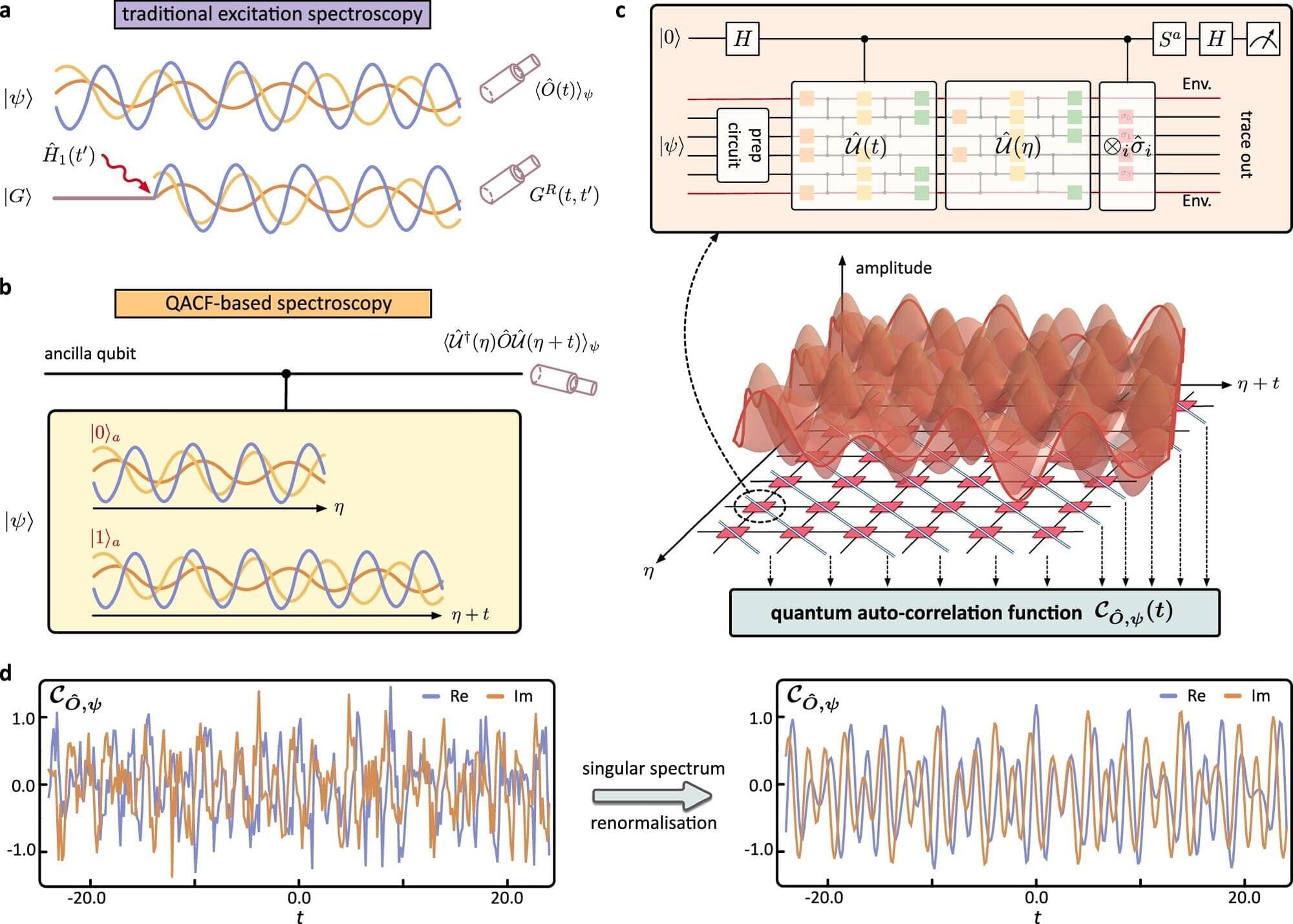
New quantum computing method broadens spectroscopy of hard-to-model matter
Scientists could have a new way to explore the hidden behavior of matter, thanks to research involving Queen Mary University of London that uses a quantum computer to carry out a new form of computational spectroscopy.
Spectroscopy is an important scientific technique used to understand the properties of matter. By analyzing how materials and molecules respond to energy or light, researchers can gain insights into their structure and behavior. Computational approaches can complement these experiments by allowing scientists to investigate and predict properties using theoretical models and simulations.
However, quantum systems can be exceptionally difficult to model using conventional computers. The new research, published in Nature Communications, develops a generalized approach to quantum computational spectroscopy that allows researchers to study a much broader range of quantum systems.
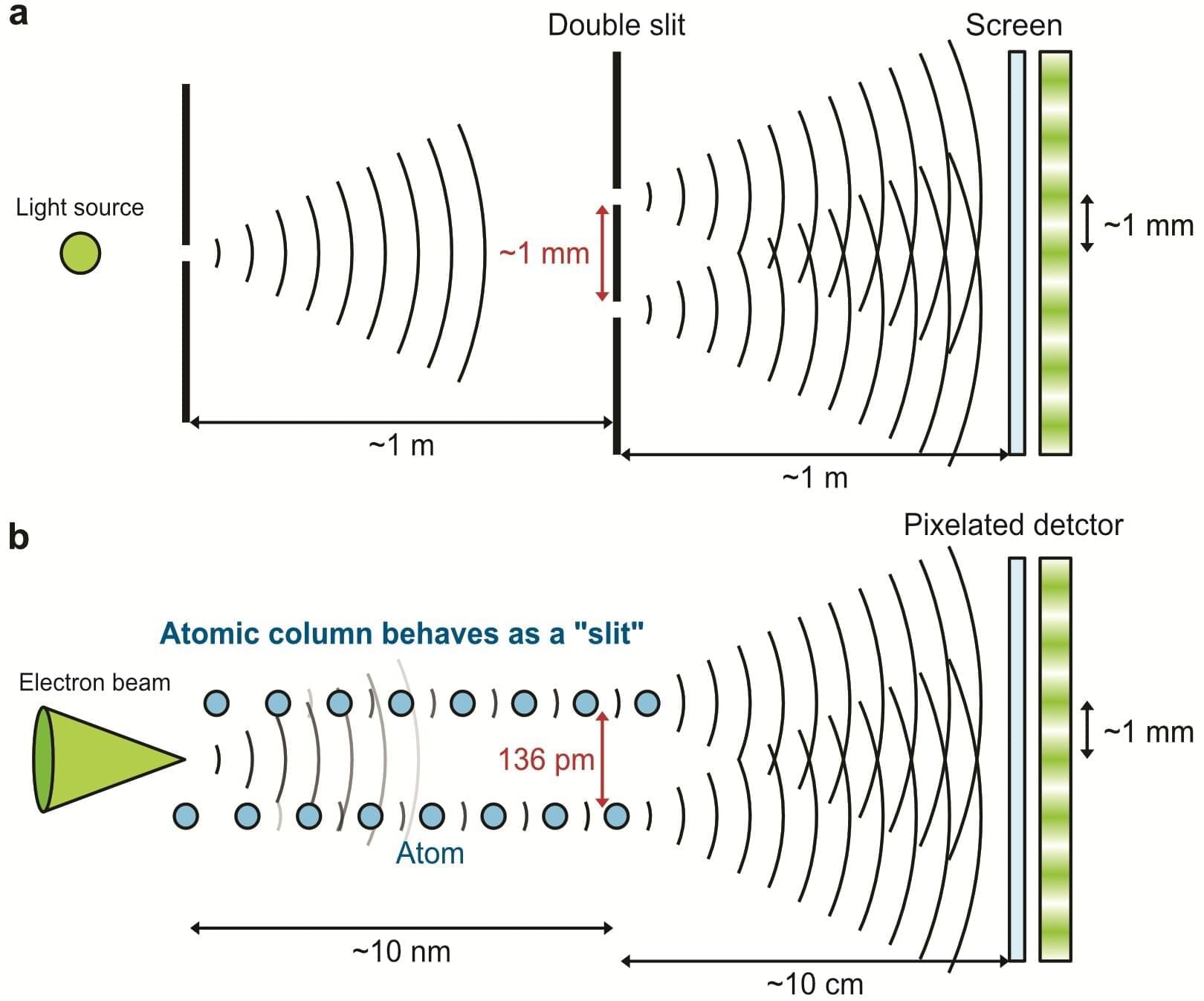
Observing the vibrations of neighboring atoms with an atomic-scale double slit
Efficiently controlling heat generation has become a major challenge as the semiconductors used in smartphones, computers and similar devices have become higher-performing and more miniaturized. The way heat is transmitted is determined by the vibration of the atoms that constitute a material, but it is not easy to directly examine, at the atomic scale, how neighboring atoms vibrate in coordination with one another.
A research group made up of Director and Professor Naoya Shibata, JSPS Research Fellow Koudai Tabata, Associate Professor Taketo Seki and Project Associate Professor Ryo Ishikawa, all of the Institute of Engineering Innovation, School of Engineering, The University of Tokyo, has succeeded in an atomic-scale double-slit experiment that treats neighboring atoms as “two slits” and demonstrates that it is possible to read out the vibration of atoms from the fringe pattern formed by electrons. Their paper is published in the journal Nature.
The double-slit experiment makes use of a phenomenon in which waves passing through two narrow slits overlap and create a pattern of bright and dark fringes. Since the British physicist Thomas Young first performed it using light in the early 19th century, it (Young’s experiment) has been known as a fundamental experiment demonstrating the wave nature of light. If this experiment could be reduced to the atomic scale inside a material, it would allow direct investigation of the arrangement and motion of atoms at the level of a single atomic bond, but an atomic-scale double-slit experiment of this kind has never been realized.
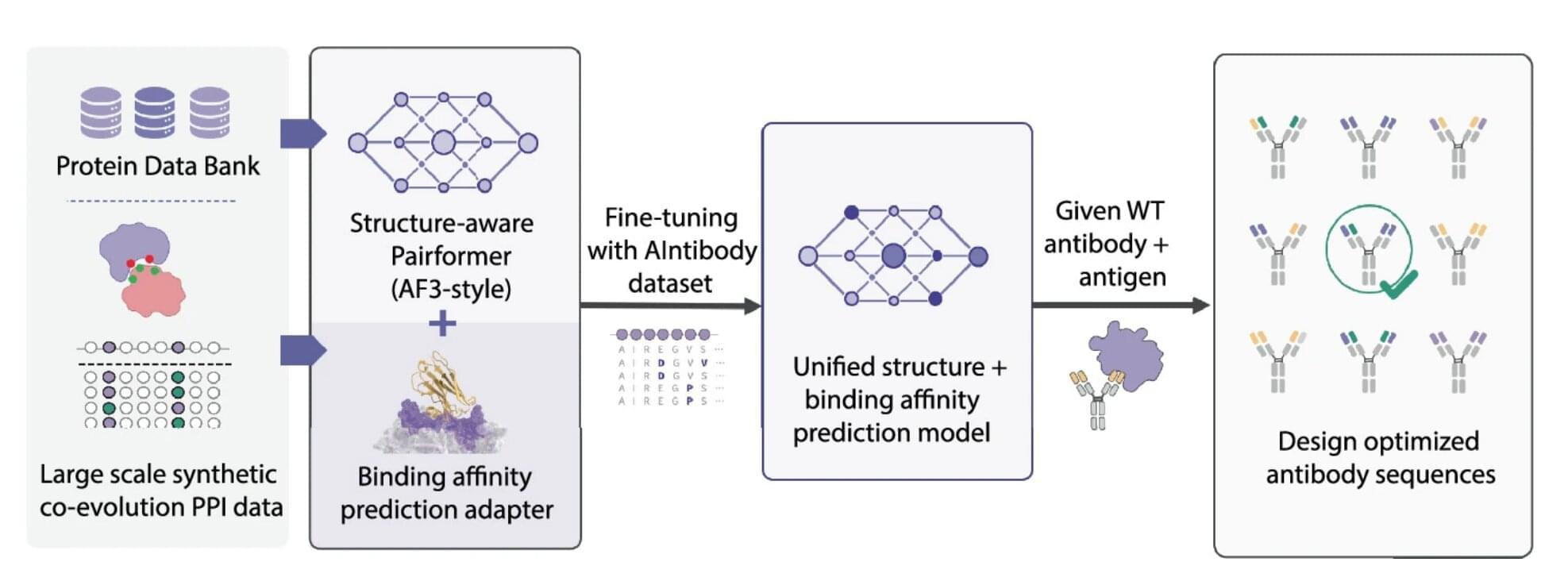
AI designs new antibodies that pass blinded laboratory tests
Researchers affiliated with UTHealth Houston, competing under the team name Novamab AI, placed among the top five teams in the international AIntibody Challenge, a blinded, prospective benchmark published in Nature Biotechnology.
The study, “A blinded, prospective benchmark of in-silico antibody discovery anchored to experimental affinity and developability,” evaluates artificial intelligence platforms for therapeutic antibody design through laboratory synthesis and experimental characterization.
Unlike retrospective computational benchmarks that evaluate models against historical data sets, the AIntibody Challenge required participating teams to design entirely new antibody sequences. The designs were independently synthesized and experimentally evaluated for binding affinity and developability—key physical and chemical traits required for clinical drug candidates.
Hyperdoped silicon photodiode advances short-wave infrared detection at room temperature
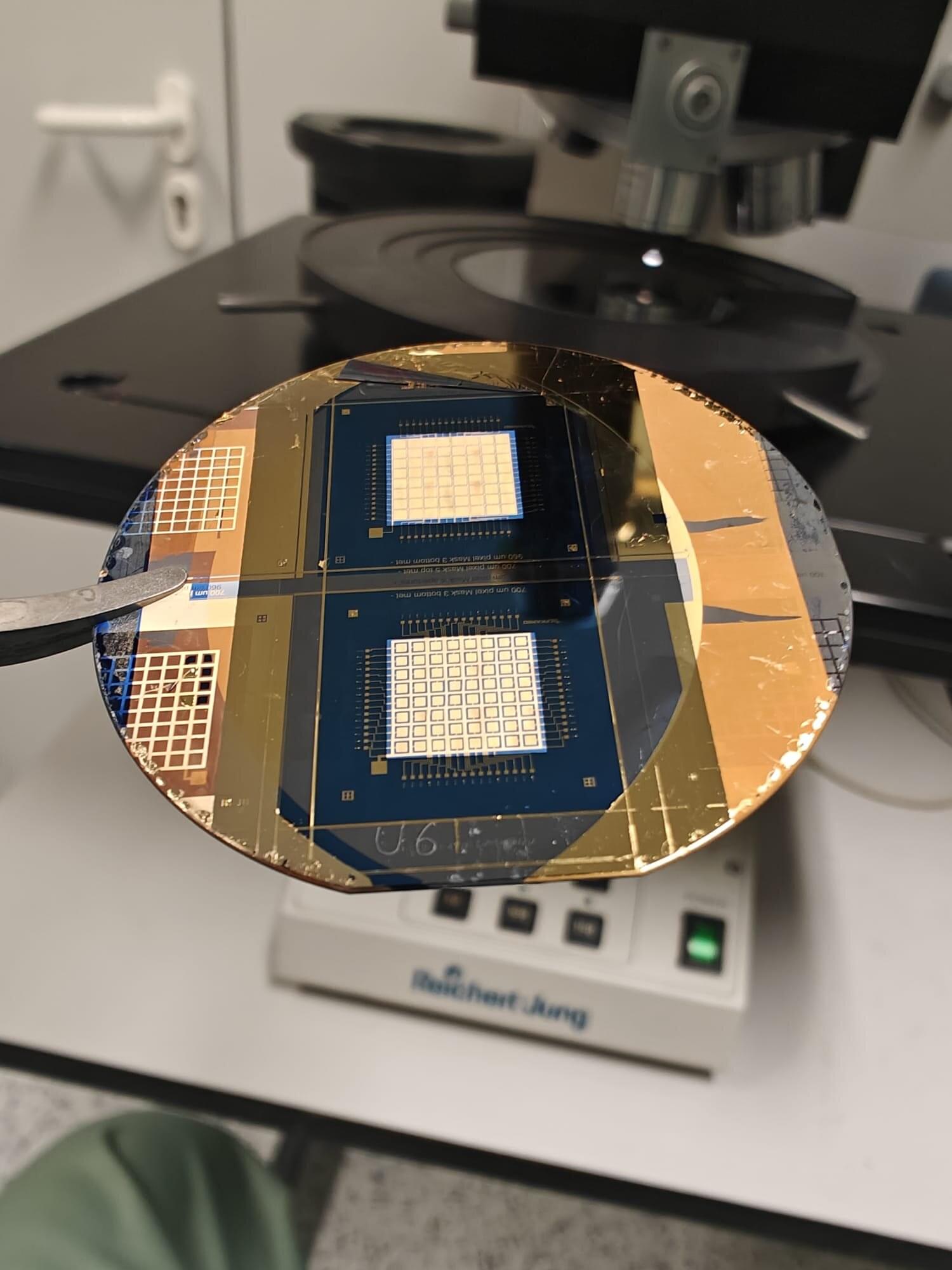
Detecting short-wave infrared (SWIR) light, a region of the electromagnetic spectrum just beyond the light visible to the human eye, could be advantageous for many real-world applications. For instance, it could enable more advanced systems for capturing images at night, as well as sophisticated medical imaging, environmental monitoring and industrial inspection technologies.
Despite their potential, most SWIR detection devices developed so far are based on expensive semiconducting materials that are often difficult to integrate with existing electronic hardware. This is because silicon, the most widely used semiconductor in the electronics industry, cannot absorb SWIR photons due to its wide band gap.
Researchers at Complutense University of Madrid have developed a silicon photodiode that can efficiently absorb SWIR light and is compatible with current electronics manufacturing processes. The new device, introduced in a paper published in Physical Review Letters, is based on silicon doped with a high concentration of tellurium (Te) atoms.
Roman telescope aims to directly image exoplanets 1,000 times fainter than current limits
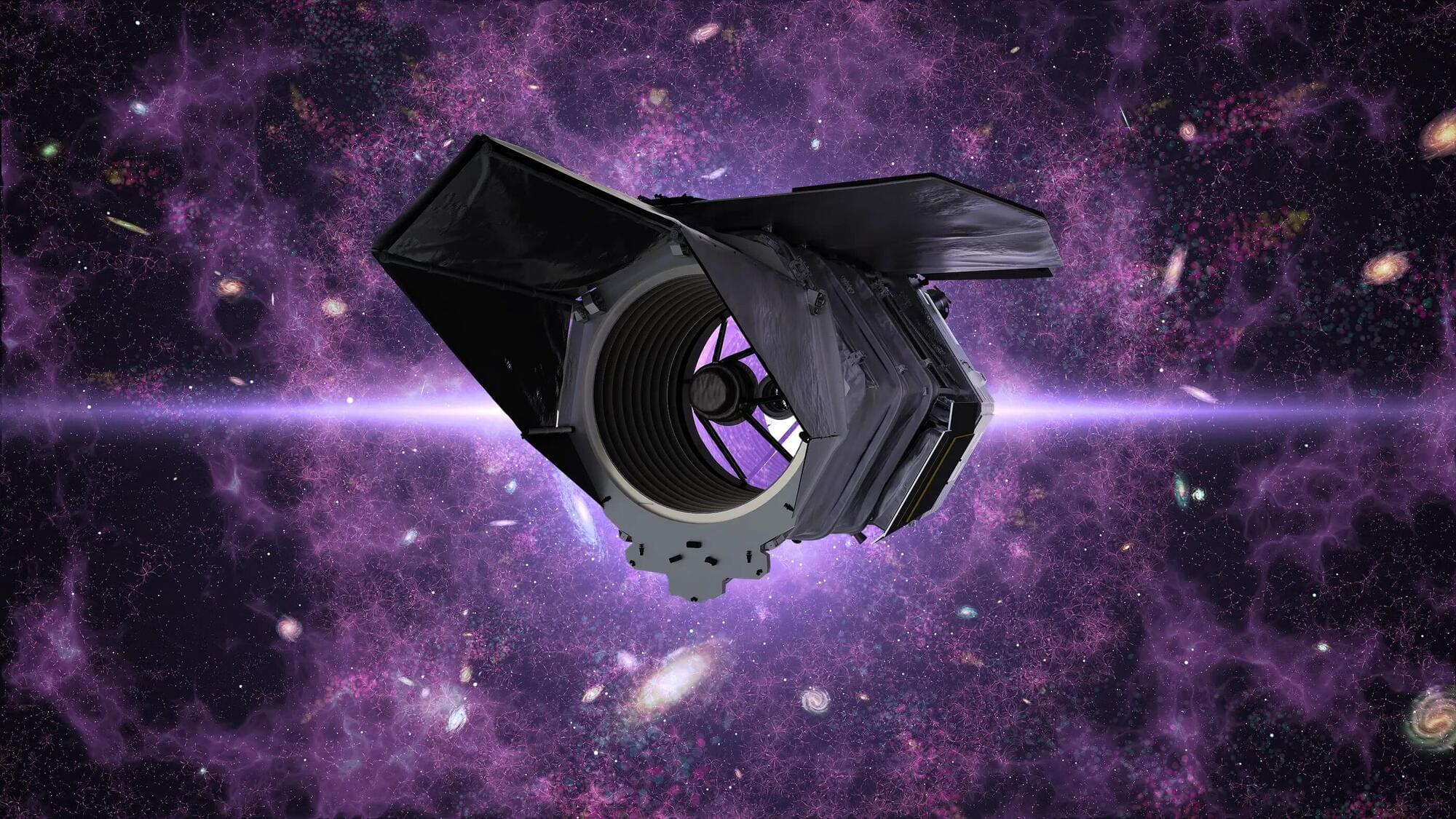
The Roman Space Telescope is designed to directly image exoplanets using complex optomechanical systems developed by the Max Planck Institute for Astronomy