Toggle light / dark theme

Get the latest international news and world events from around the world.

Log in for authorized contributors

A jolt to the system: Biophysicists uncover new electrical transmission in cells

Many biological processes are regulated by electricity—from nerve impulses to heartbeats to the movement of molecules in and out of cells.

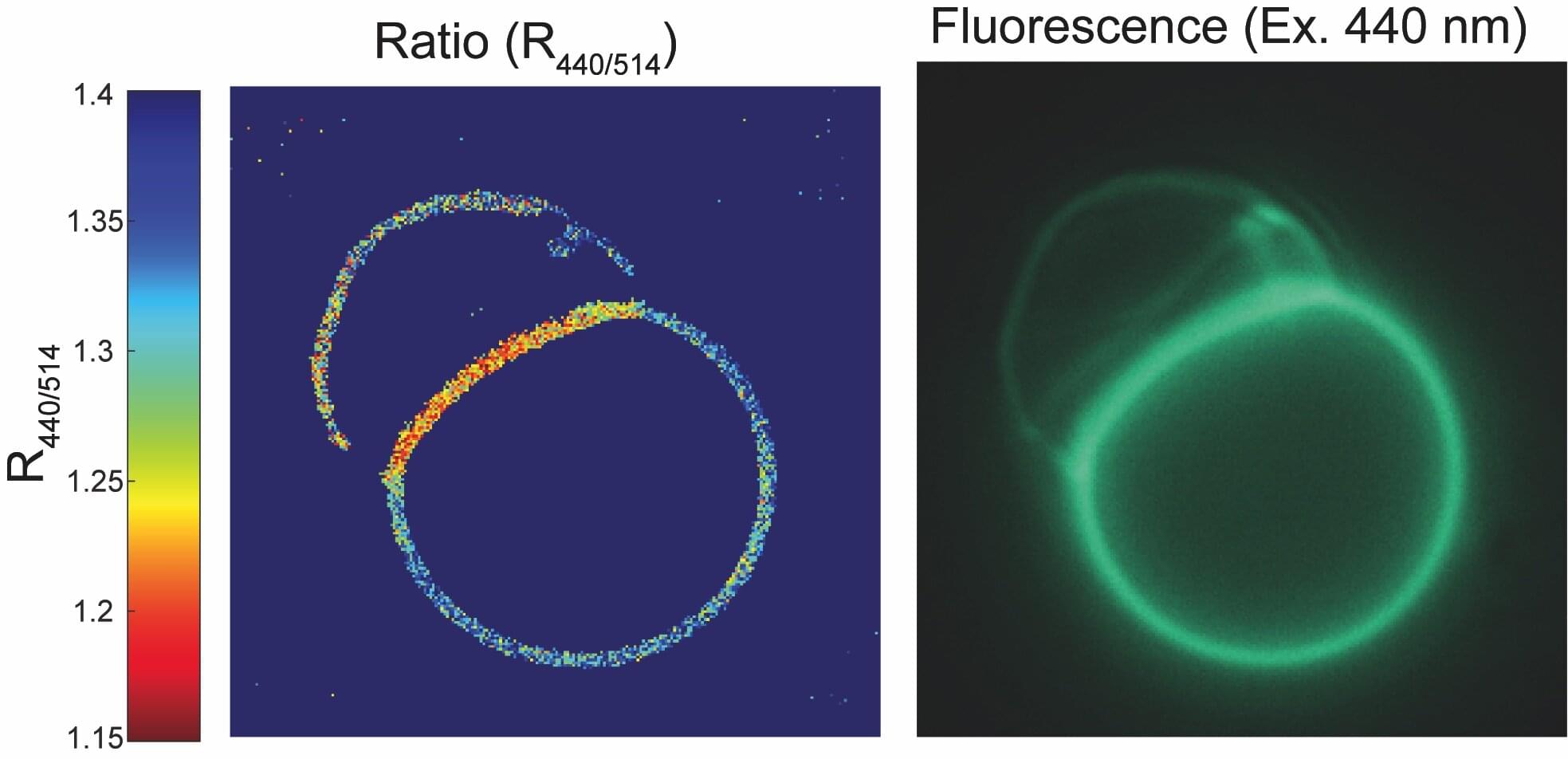
A study by Scripps Research scientists reveals a previously unknown potential regulator of this bioelectricity: droplet-like structures called condensates. Condensates are better known for their role in compartmentalizing the cell, but this study shows they can also act as tiny biological batteries that charge the cell membrane from within.

The team showed that when electrically charged condensates collide with cell membranes, they change the cell membrane’s voltage—which influences the amount of electrical charge flowing across the membrane—at the point of contact.

We 3D Printed a Brain

Join us on this fascinating journey as we delve into the world of 3D printing and bring a brain to life. From designing the complex neural networks to layer by layer printing, we’ll take you through the entire process of creating a realistic brain replica using cutting-edge 3D printing technology. Witness the intricate details and textures that make this brain model a true marvel of modern innovation. Whether you’re a science enthusiast, a 3D printing aficionado, or simply curious about the possibilities of additive manufacturing, this video is sure to leave you amazed and inspired. So, sit back, relax, and get ready to explore the incredible world of 3D printing.

World’s first 3D-printed brain tissue that mirrors human brain function

🧠💡 Thinking about organ transplants?

🔬 A team of scientists at the University of Wisconsin–Madison has achieved a groundbreaking milestone!

🌐 They’ve developed the world’s first 3D-printed brain tissue that mirrors human brain function.

🚀 This is a giant leap forward for research into neurological and neurodevelopmental disorders.

🖨️ Utilizing a horizontal layering technique and a softer bio-ink, this 3D-printing method allows neurons to weave together, forming networks similar to those in the human brain.

🔍 This precision in controlling cell types and arrangements opens new doors for studying neurological conditions, including Alzheimer’s and Parkinson’s disease.

/* */