Toggle light / dark theme

Get the latest international news and world events from around the world.

Log in for authorized contributors

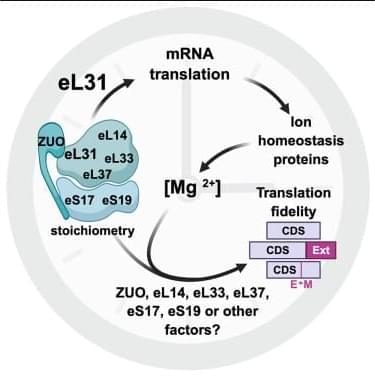
Circadian clock control of ribosome composition promotes rhythmic translation and termination fidelity

Lamb et al. show that the circadian clock rhythmically remodels ribosome composition in Neurospora crassa. Clock-regulated incorporation of the ribosomal protein eL31 is required for rhythmic translation and translation fidelity, linking temporal ribosome remodeling to daily changes in proteome diversity.

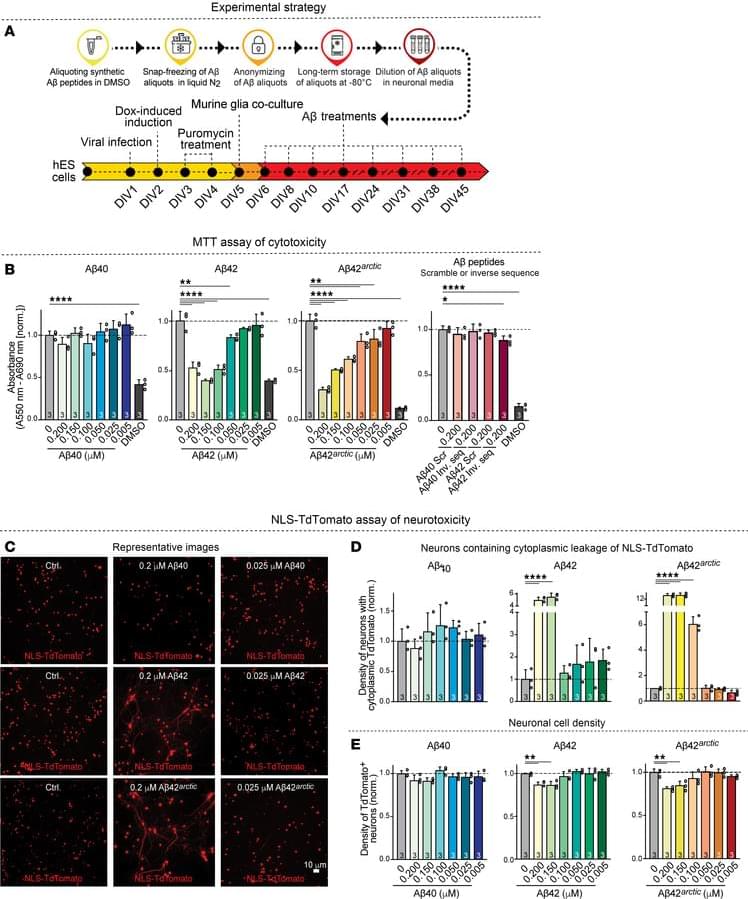
Abstract: From synaptogenic to synaptotoxic

This issue’s cover features work by Alberto Siddu & team on the promotion of synapse formation in human neurons by free amyloid-beta peptides, in contrast to aggregated forms that are synaptotoxic:

The image shows a human induced neuron exposed to a nontoxic concentration of amyloid-beta42 peptide, revealing enhanced synaptogenesis, visible as synaptic puncta along the dendritic arbor.


Address correspondence to: Alberto Siddu, Lorry Lokey Stem Cell Building, 265 Campus Dr., Room G1015, Stanford, California 94,305, USA. Phone: 650.721.1418; Email: [email protected]. Or to: Thomas C. Südhof, Lorry Lokey Stem Cell Building, 265 Campus Dr., Room G1021, Stanford, California 94,305, USA. Phone: 650.721.1418; Email: [email protected].
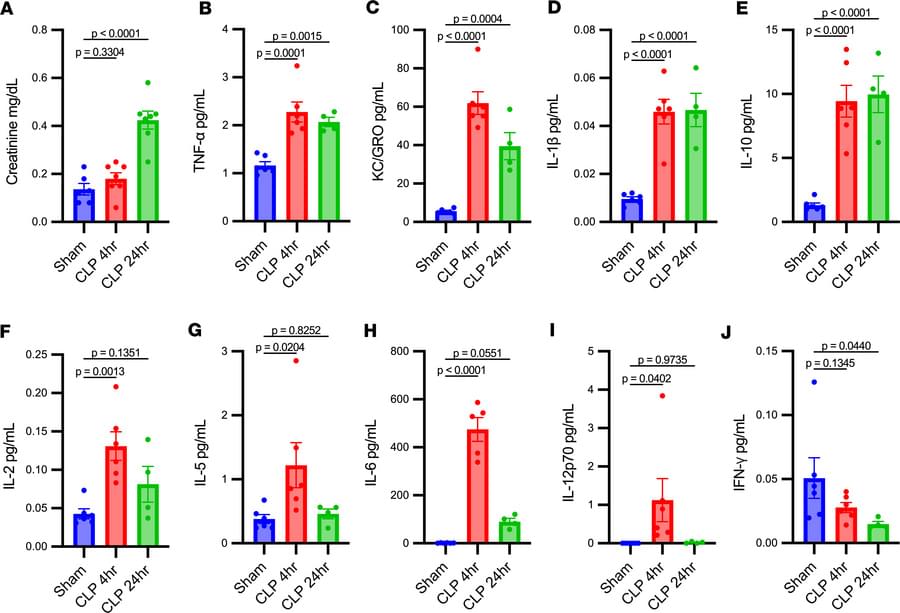
A power move in the study of sepsis-associated acute kidney injury

Using a new strategy for quantifying mitochondrial DNA, Mark L. Hepokoski & team show the release of mtDNA from the kidney directly contributes to interleukin-6 release during sepsis associated AKI.


1VA San Diego Healthcare System, San Diego, California, USA.

2Division of Pulmonary and Critical Care and Sleep Medicine, UCSD, La Jolla, California, USA.

3Department of Critical Care Medicine, Yantai Yuhuangding Hospital, Affiliated with Medical College of Qingdao University, Yantai, Shandong, China.

Exercise slows tumor growth in mice by shifting glucose uptake to muscles

It’s well known that exercise is good for health and helps to prevent serious diseases, like cancer and heart disease, along with simply making people feel better overall. However, the molecular mechanisms responsible for preventing cancer or slowing its progression are not well understood. But, a new study, published in the Proceedings of the National Academy of Sciences, reveals how exercise can increase glucose and oxygen uptake in the skeletal and cardiac muscles, instead of allowing it to “feed” tumors.

Reduced tumor growth in exercised mice To study how exercise-induced metabolic changes affect tumor growth, the research team injected mice with breast cancer cells and fed some of the mice a high-fat diet (HFD), consisting of 60% calories from fat, while others were fed a normal diet as a control. The HFD mice were given running wheels for exercise, although exercise was voluntary. The team used stable isotope tracer studies [U-13C6] glucose and [U-13C5] glutamine to track metabolic changes.

After 4 weeks of wheel running, the team found a significant difference in tumor sizes between mice that chose to exercise, compared to those that did not—even when they were fed the same diet.

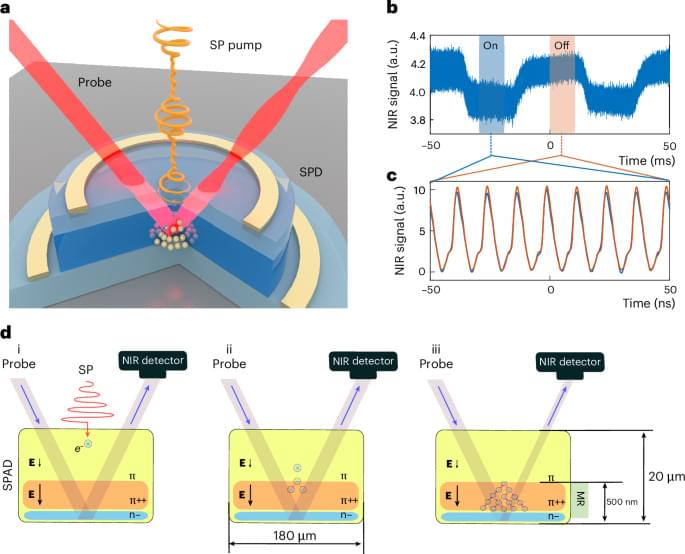
All-optical modulation with single photons using an electron avalanche

For a long time, this has been a major hurdle in optics. Light is an incredible tool for fast, efficient communication and futuristic quantum computers, but it’s notoriously hard to control at such delicate, “single-photon” levels.


Electron avalanche multiplication can enable an all-optical modulator controlled by single photons.

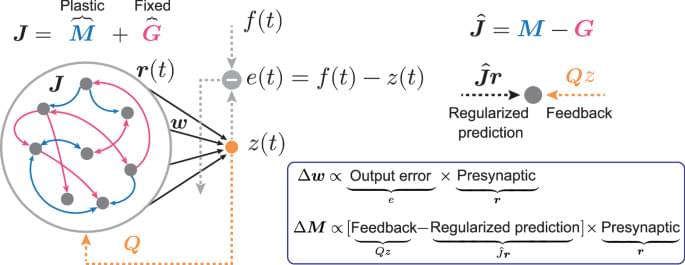
Taming the chaos gently: a predictive alignment learning rule in recurrent neural networks

The study presents Predictive Alignment, a local learning rule for recurrent neural networks that aligns internal network predictions with feedback. This biologically inspired method tames chaos and enables robust learning of complex patterns.

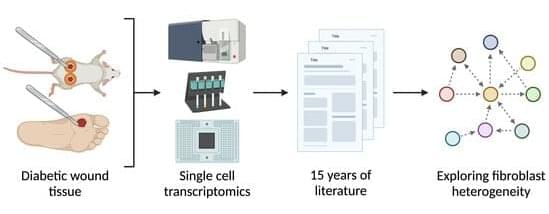
Characterizing Fibroblast Heterogeneity in Diabetic Wounds Through Single-Cell RNA-Sequencing

DDX3X acts as a selective dual switch regulator of mRNA translation in acute ER stress.


Shawky et al. show that DDX3X selectively promotes or represses mRNA translation in a stress-dependent manner. This bidirectional regulation involves position-specific binding to the mRNA 5′ UTR and early coding region, reflecting distinct mechanisms, including initiation control during 48S scanning and translational repression associated with ac4C post-transcriptional modification.

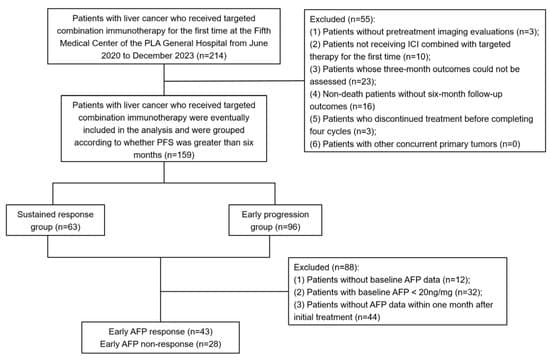
Early Alpha-Fetoprotein Response Predicts Sustained Tumor Response Following Immune Checkpoint Inhibitors Combined with Targeted Therapy in Liver Cancer

Background: Although immune checkpoint inhibitors (ICI) have revolutionized liver cancer treatment, some patients experience early tumor progression after therapy, missing the window for other potential treatments, such as neoadjuvant therapy. Therefore, identifying the predictive factors for early progression is critical for timely therapeutic adjustment and the optimization of patient outcomes. Methods: This retrospective study enrolled patients with liver cancer who received their first ICI combined with targeted therapy at the Fifth Medical Center of the PLA General Hospital between June 2022 and December 2023. Early tumor progression was defined as tumor progression within 6 months of therapy initiation.

Reversing treatment resistance in prostate cancer

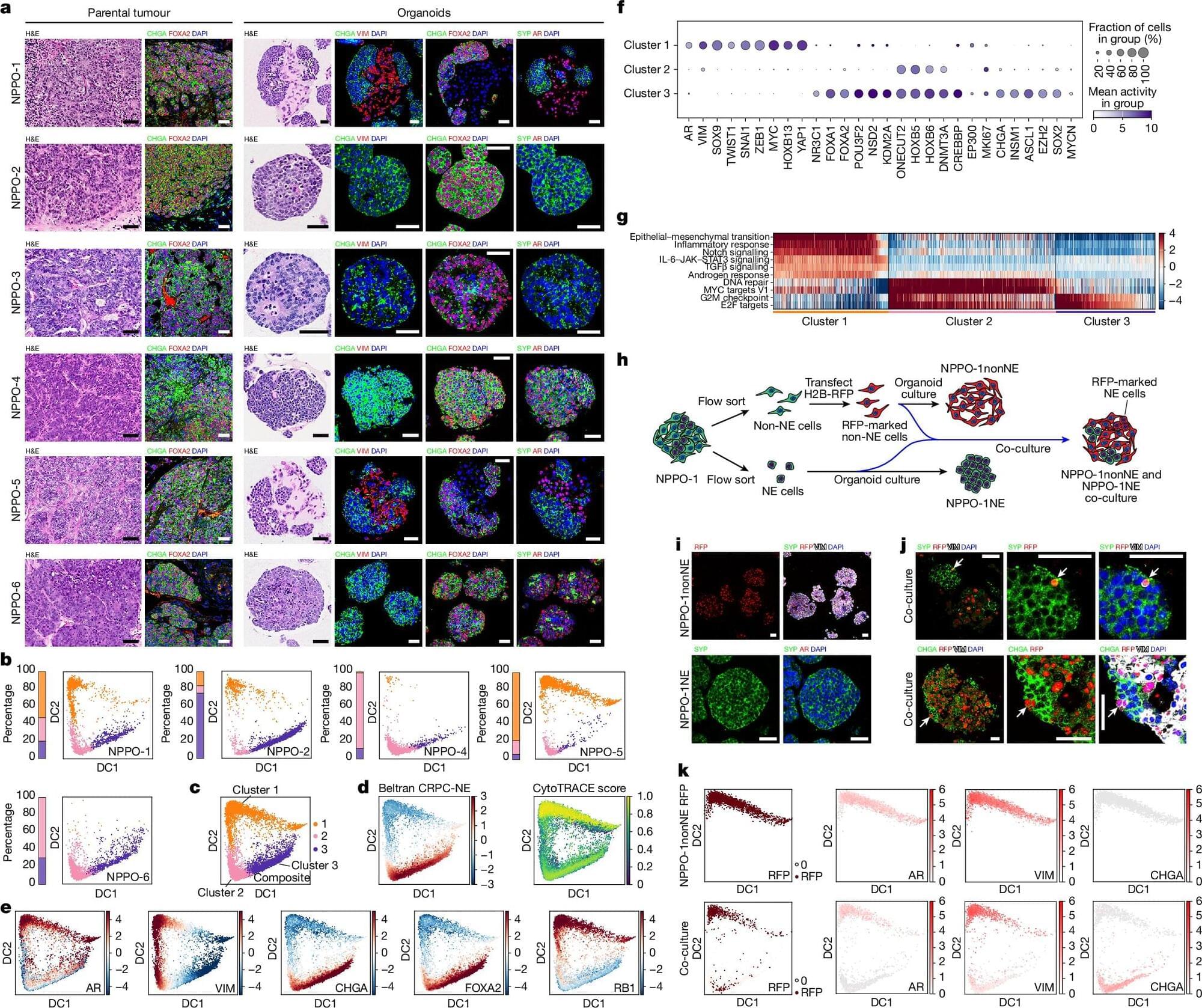
Scientists at the Herbert Irving Comprehensive Cancer Center (HICCC) have discovered a key mechanism that makes prostate cancer cells resistant to the latest drugs used to treat them. Their findings, reported in the current issue of Nature, solve a longstanding puzzle in tumor biology and present preclinical data on a drug compound that could soon enter the clinic.

The work grew out of decades of prostate cancer research by Michael Shen, Ph.D., co-leader of the Tumor Biology and Microenvironment research program at the HICCC. Shen’s research focuses on lineage plasticity, the ability of cancer cells to reprogram themselves to impersonate other types of cells.

Plasticity is a hallmark of cancer in general and a very important feature of advanced prostate cancer, particularly when it comes to the emergence of treatment resistance,” says Shen. Treatment with androgen receptor inhibitors, which have become the standard of care in recent years, often stimulate prostate tumor cells to adopt neuroendocrine characteristics, rendering them resistant to the drugs.

/* */