Toggle light / dark theme

Get the latest international news and world events from around the world.

Log in for authorized contributors

Rare brown dwarf discovered orbiting ancient star

Astronomers from the Harvard-Smithsonian Center for Astrophysics (CfA) and elsewhere report the discovery of a new brown dwarf about 60 times more massive than Jupiter. The newfound substellar object, designated TOI-7019 b, is a brown dwarf known to orbit a star that is part of the Milky Way’s ancient thick disk. The finding is detailed in a paper published December 5 on the arXiv preprint server.

Brown dwarfs (BDs) are intermediate objects between planets and stars, occupying the mass range between 13 and 80 Jupiter masses (0.012 and 0.076 solar masses). However, although many brown dwarfs have been detected to date, these objects orbiting other stars are a rare find.

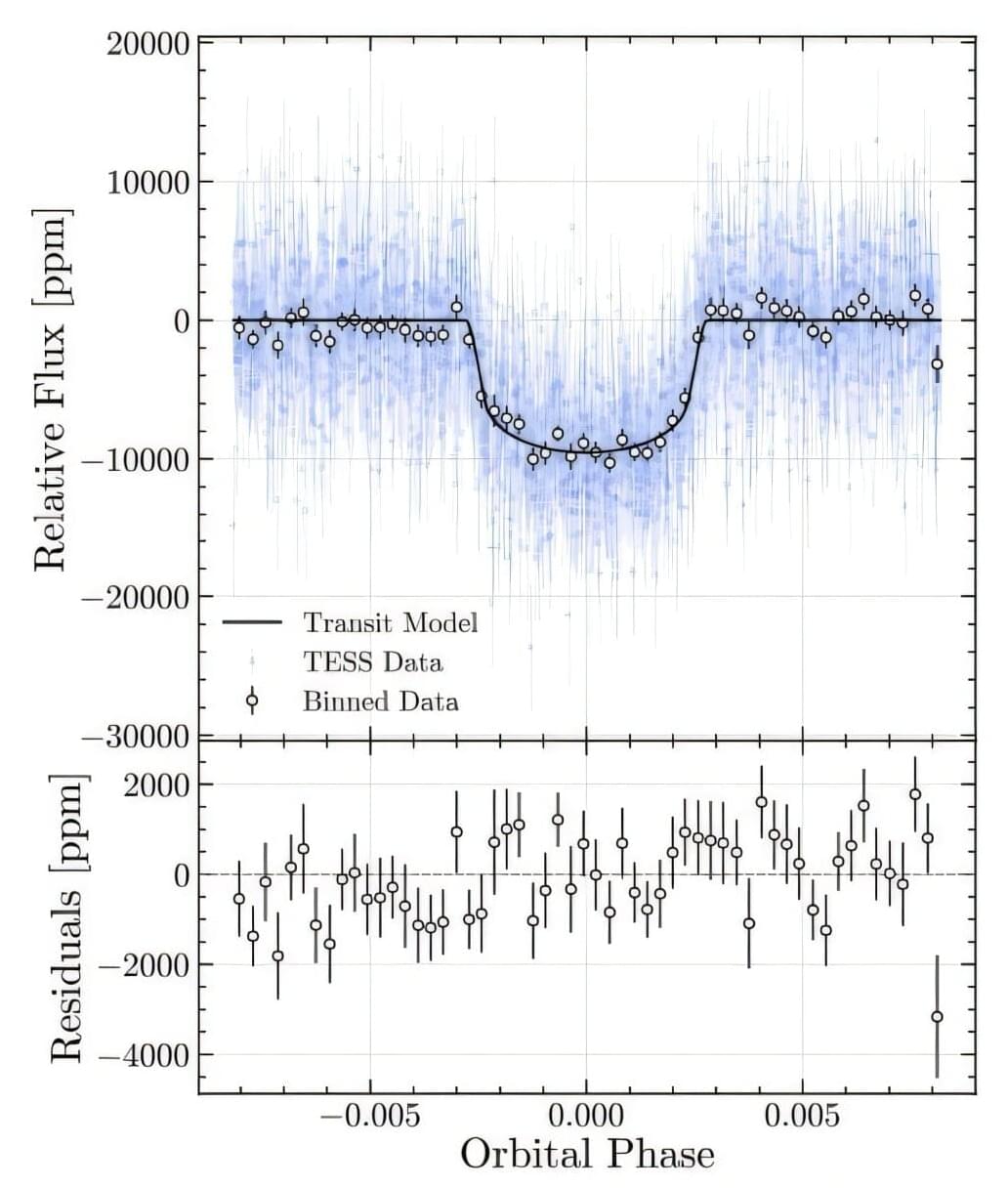
Recently, a team of astronomers led by CfA’s Jea Adams Redai found another rare brown dwarf, which is a companion to the star TOI-7019. This star was initially observed with NASA’s Transiting Exoplanet Survey Satellite (TESS), which detected a transit signal in its light curve. Now, follow-up observations of this star confirmed that the transit signal is produced by a substellar object.

Psilocybin shows greater potential than cannabinoids for obsessive-compulsive disorder treatment

In a review of previous studies, McMaster University researchers observe a stronger signal for psilocybin as a treatment for obsessive-compulsive disorder than cannabinoids.

Obsessive-compulsive disorder involves persistent, intrusive thoughts and repetitive mental or physical behaviors, and requires long-term treatment to alleviate symptoms. The ethology of the disorder appears complex, involving multiple biological pathways. Imbalances in central serotonin, dopamine, and glutamate activities are widely thought to play a causative role, placing neurochemistry at the center of many treatment strategies.

First-line treatment includes selective serotonin reuptake inhibitors and cognitive behavioral therapy using exposure and response prevention. Roughly 40–60% of patients remain unresponsive to psychotherapy or pharmacotherapy, alone or combined, placing many people in the category of treatment-resistant OCD.

Engineers develop real-time membrane imaging for sustainable water filtration

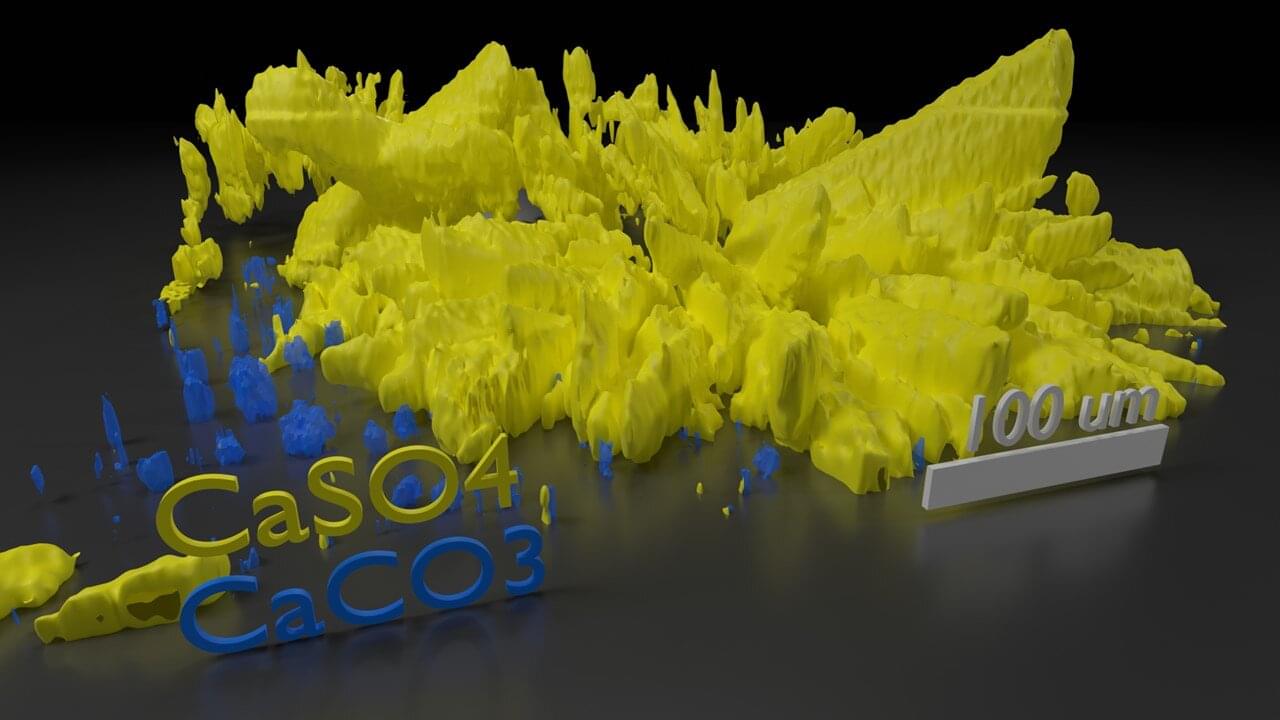
CU Boulder researchers have introduced a solution to improving the performance of large-scale desalination plants: stimulated Raman scattering (SRS).

Published in the journal Environmental Science & Technology, the laser-based imaging method allows researchers to observe in real-time membrane fouling, a process where unwanted materials such as salts, minerals and microorganisms accumulate on filtration membranes.

Worldwide, 55% of people experience water scarcity at least one month a year, and that number is expected to climb to 66% by the end of the century.

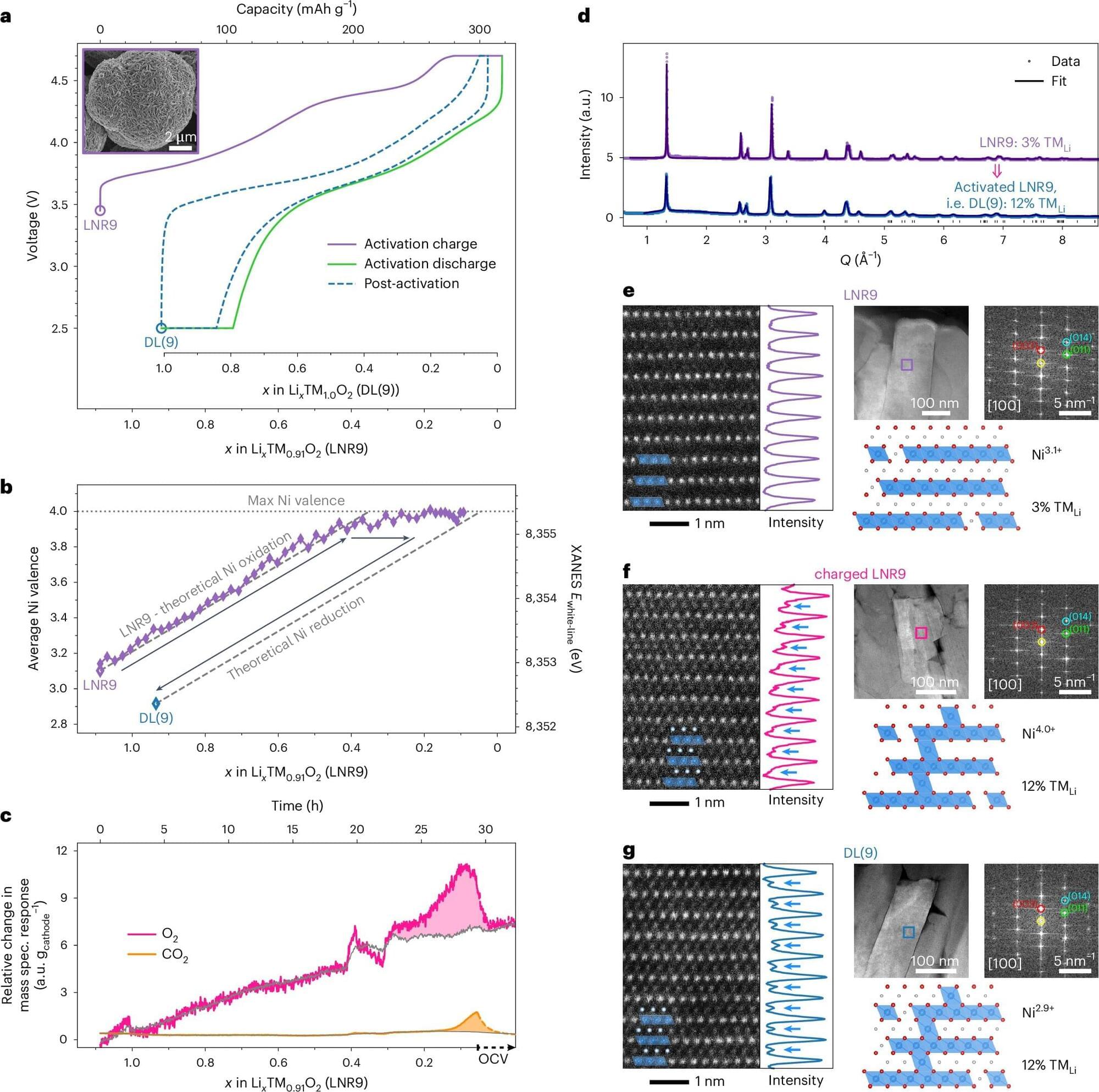
Electrochemical tuning of Ni-rich cathodes curbs c-collapse, enhancing lithium-ion battery durability

Lithium-ion batteries (LiBs) remain the most widely used rechargeable batteries worldwide, due to their light weight, high energy densities and their short charging times. Energy engineers have been trying to identify new materials and strategies that could help to further boost the energy stored by LiBs, while also extending their lifespan (i.e., the period for which they can be used reliably).

LiBs work by moving charged lithium atoms (i.e., ions) between a positive electrode (i.e., cathode) and a negative electrode (i.e., anode). When lithium ions enter and leave these materials, they can experience significant structural changes.

These changes include the sudden shrinkage of the spacing between the materials’ horizontal layers, which can be experimentally monitored through the crystal’s c-lattice parameter. This phenomenon, referred to as c-collapse, can deform the material, crack the particles and in turn shorten the life of batteries.

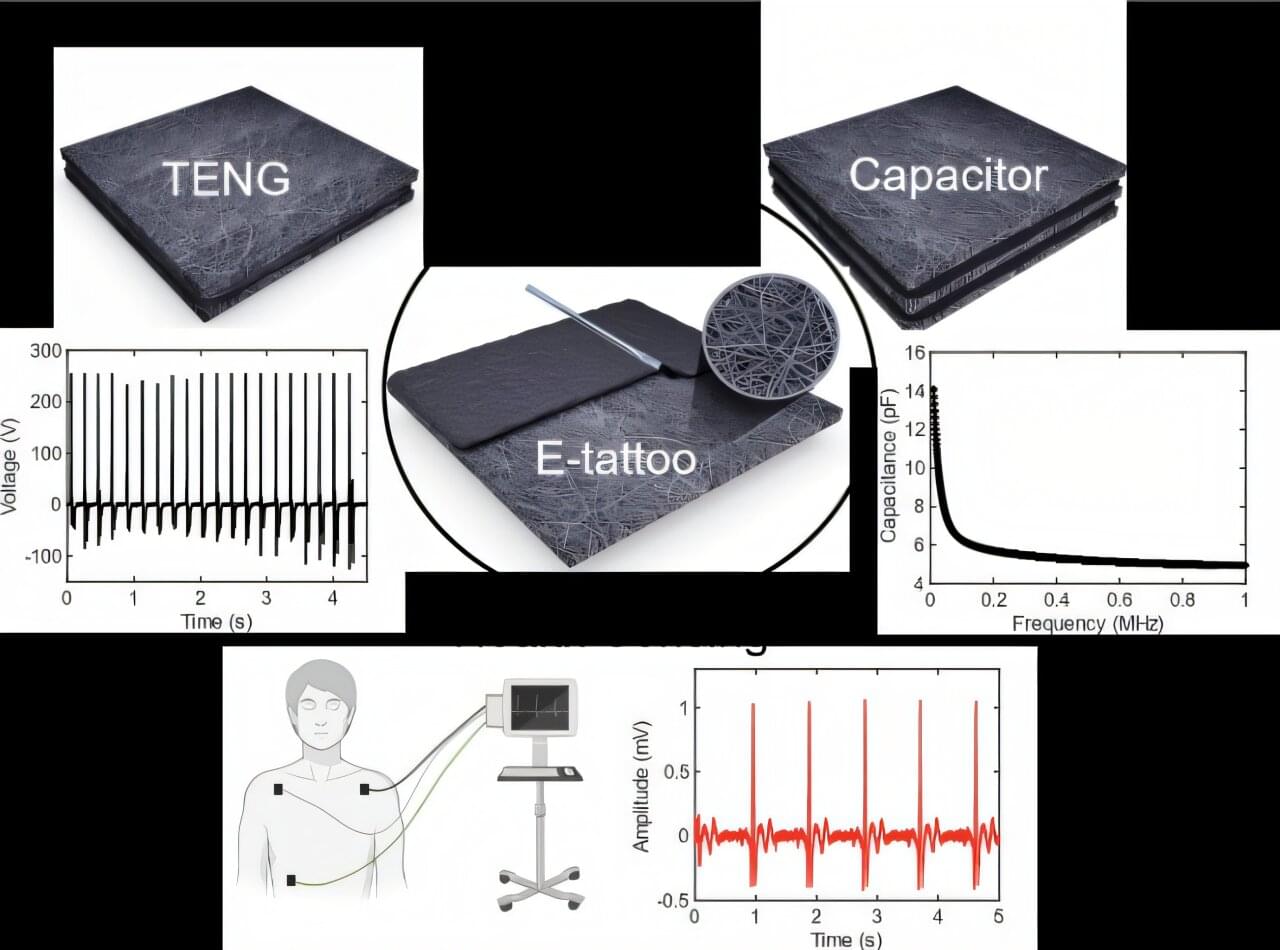
MXene-based e-tattoos harvest energy and monitor health in real time

Researchers at Boise State University have developed a breakthrough in wearable electronics: a multifunctional electronic tattoo (e‑tattoo) that integrates energy harvesting, energy storage, and real‑time biometric sensing into a single, skin‑conformal platform.

The innovation leverages electrospun poly(vinyl butyral‑co‑vinyl alcohol‑co‑vinyl acetate) (PVBVA) fibers coated with titanium carbide (Ti₃C₂Tₓ) MXenes, offering a scalable, biocompatible, and durable alternative to conventional wearable devices that often rely on rigid substrates or external gels.

The work is published in the journal Advanced Science.

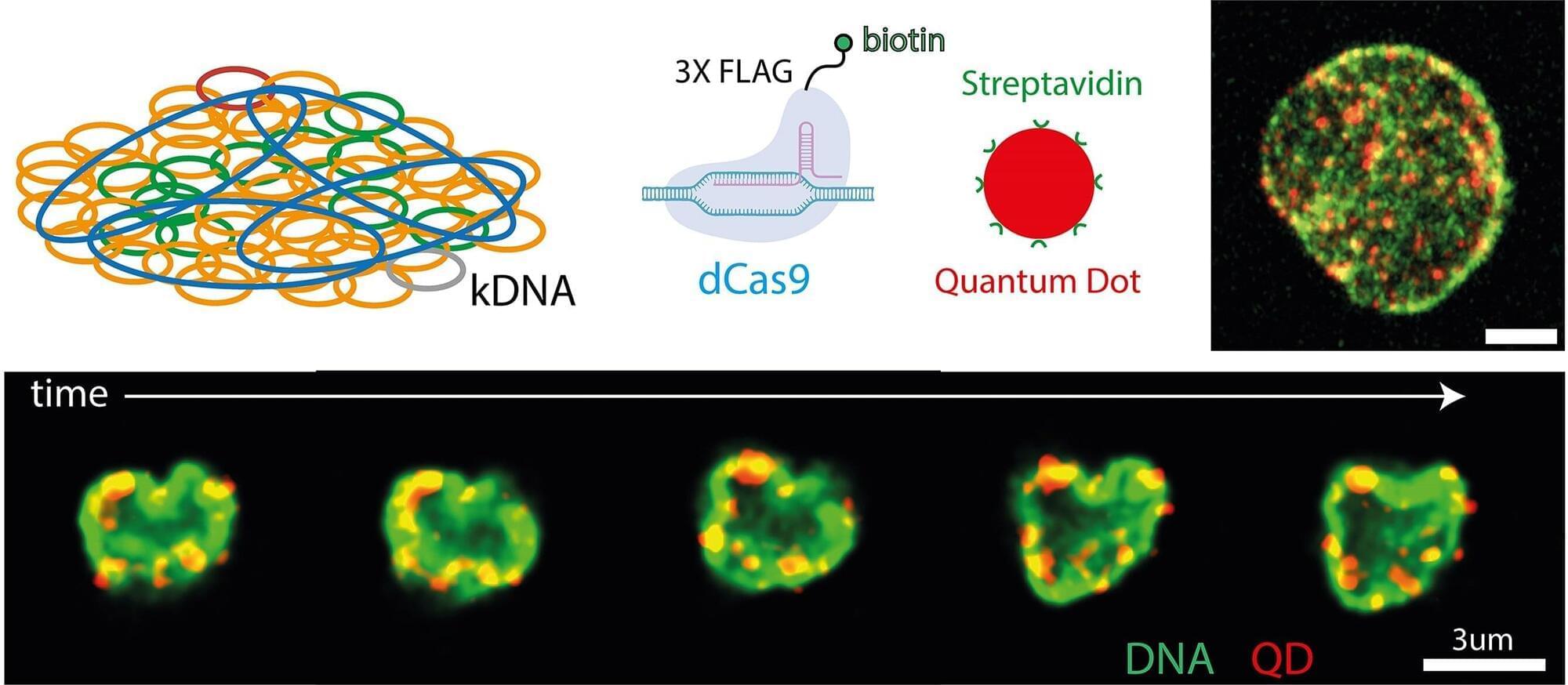
Vital intertwining: Blood parasite’s chainmail-like DNA structure could inspire next-generation materials

As tough as medieval chainmail armor and as soft as a contact lens. This material is not taken from science fiction, it is a natural structure made of thousands of DNA circles interlinked with each other. Studying it can help us advance our knowledge in many fields, from biophysics and infectious diseases to materials science and biomedical engineering.

This topic is the subject of “Organisation and dynamics of individual DNA segments in topologically complex genomes,” an article that has been published in Nucleic Acid Research.

The study, which also appeared on the front cover of the journal, is the result of a collaboration between the Department of Physics of the University of Trento, with Guglielmo Grillo under the supervision of Luca Tubiana, and the Department of Physics and Astronomy of the University of Edinburgh, with Saminathan Ramakrishnan and Auro Varat Patnaik, supervised by Davide Michieletto.

Not everyone reads the room the same: Some brains perform a complicated assessment—while others take a shortcut

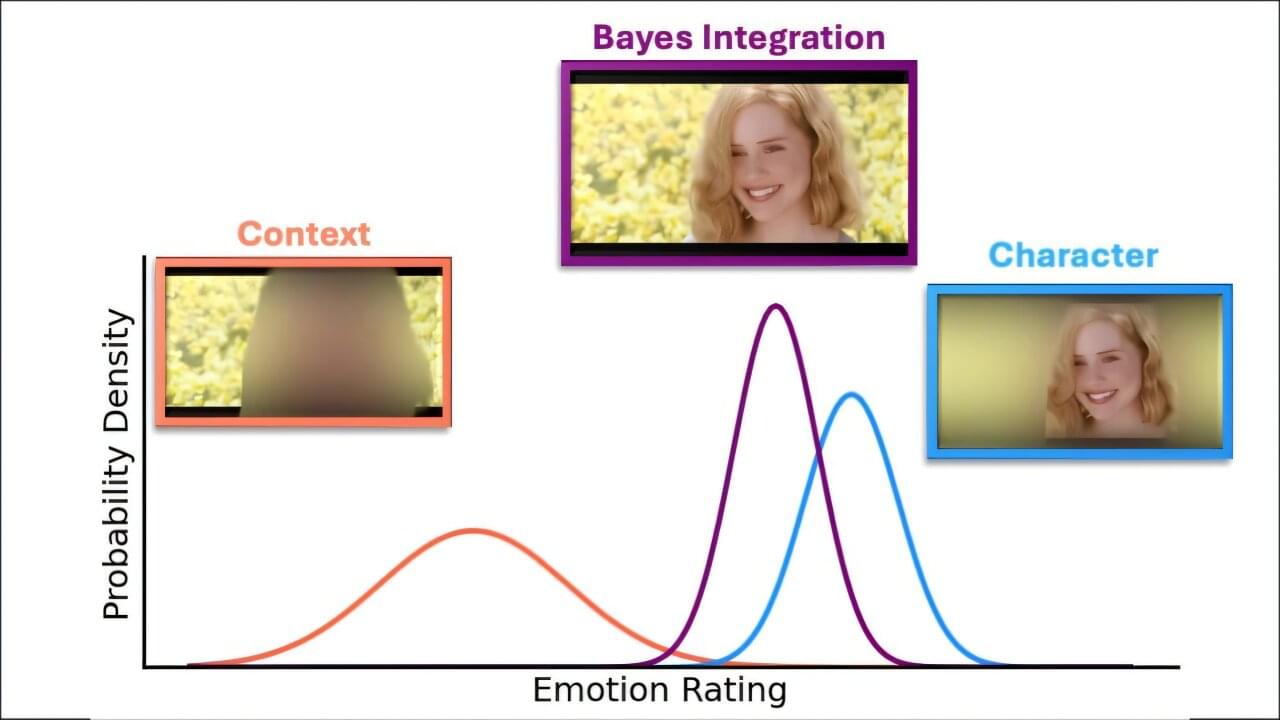
Are you a social savant who easily reads people’s emotions? Or are you someone who leaves an interaction with an unclear understanding of another person’s emotional state?

New UC Berkeley research suggests that those differences stem from a fundamental way our brains compute facial and contextual details, potentially explaining why some people are better at reading the room than others—sometimes, much better.

A new family of barium-based crystals reveals rules for structural changes

The ultimate goal of materials scientists is to design and create materials with precise structures and tailored properties. Predictive technologies have advanced significantly with the rise of AI, yet the delicate nature of chemistry, where even the smallest change can alter a material’s behavior, remains a challenge for building truly chemically intuitive frameworks.

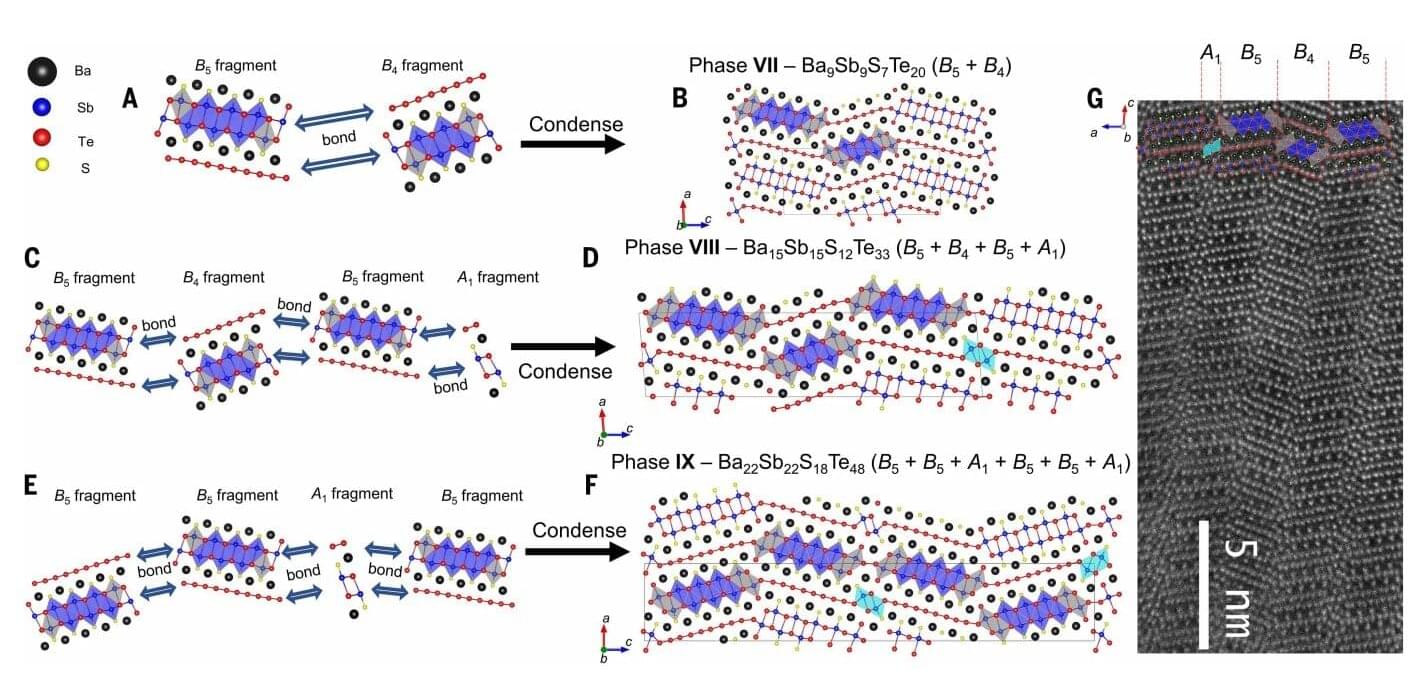
In a recent study, a team of researchers from the US presented a homologous series of barium-based crystals, where the family of materials was built from the same molecular building blocks and capable of forming an infinite range of structures. The only differences among the versions are the size and the arrangement of the blocks, brought about by slight changes in the ratio of the two elements with different electron affinities.

What makes this set of materials unique is that knowing one member of a sequence allows you to predict the next. The researchers believe that understanding the relationship between small changes and a material’s overall chemistry can help improve AI frameworks for predicting and synthesizing new materials.

Shaking magnets with ultrafast light pulses reveals surprising spin control

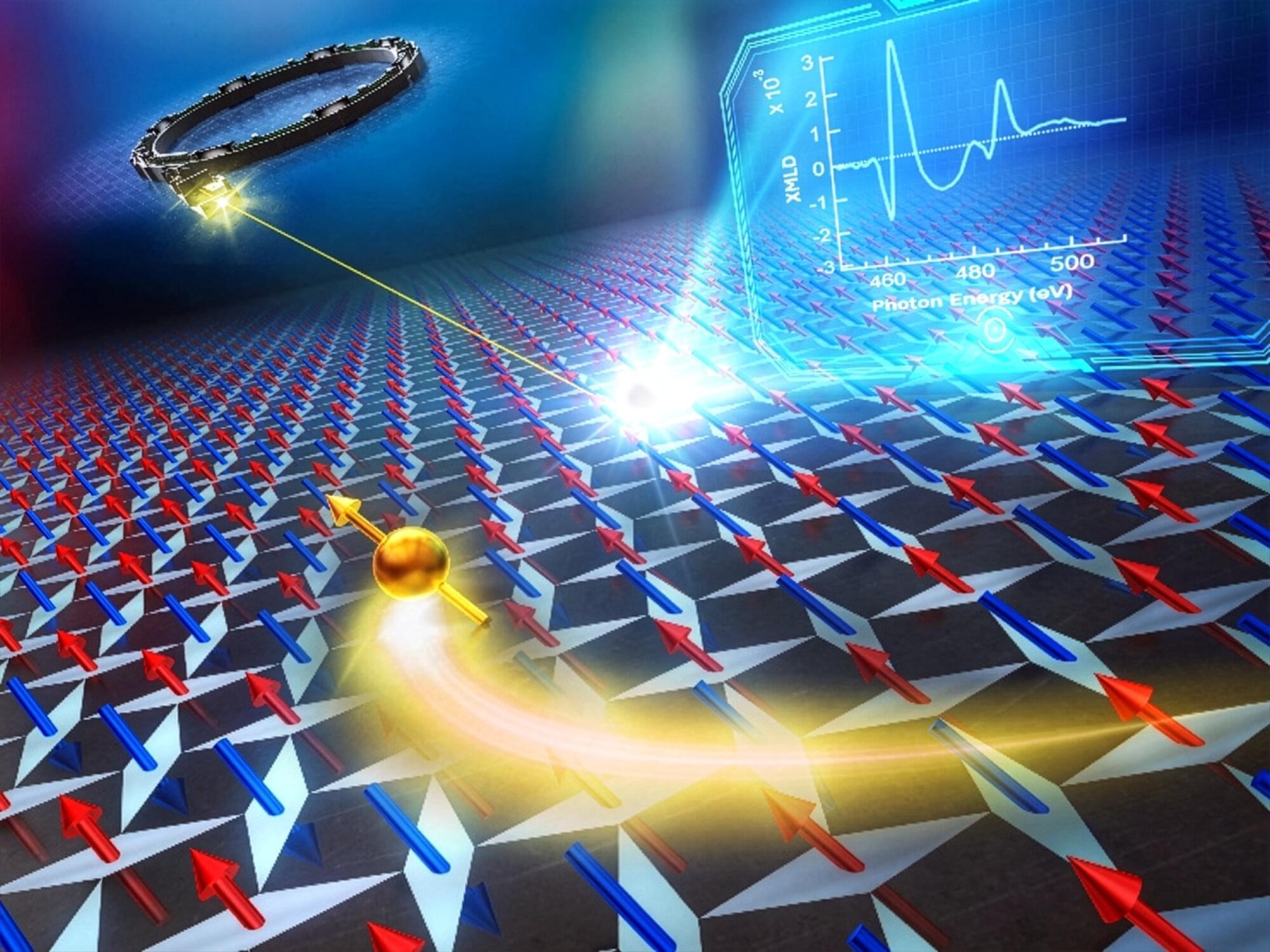
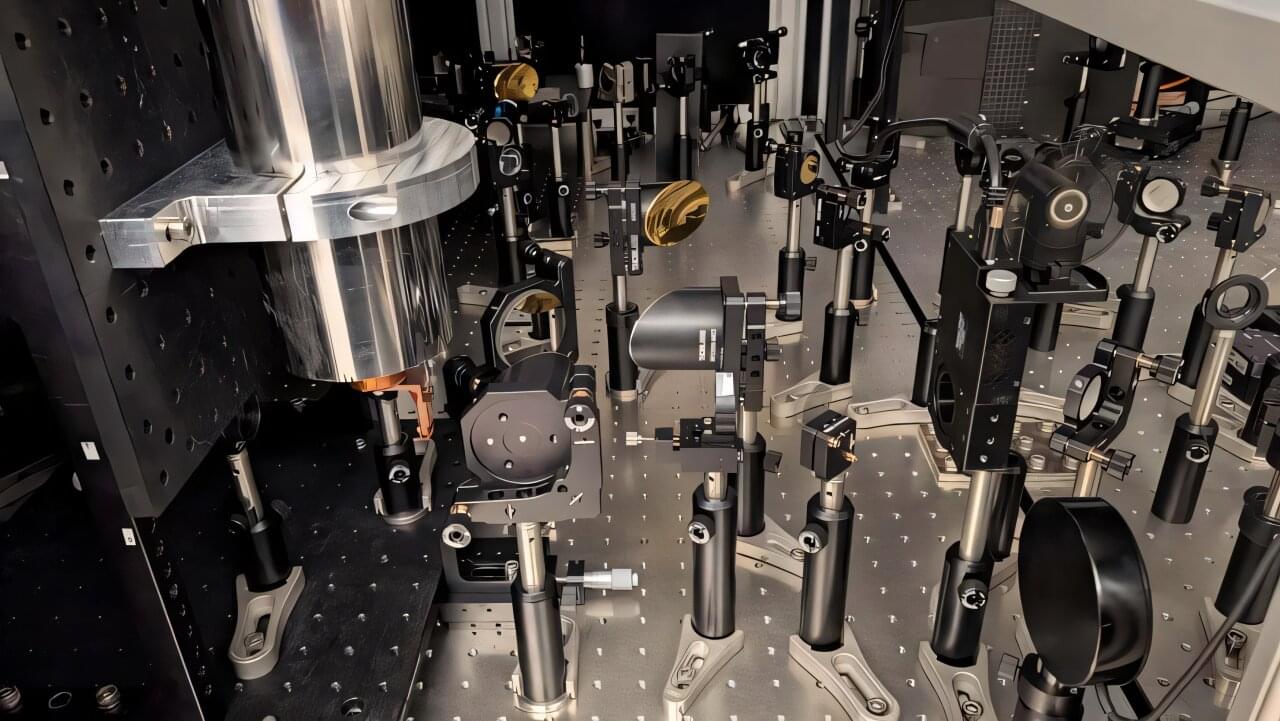
An international team of researchers led by Lancaster University has discovered a highly efficient mechanism for shaking magnets using very short light pulses, shorter than a trillionth of a second. Their research is published in Physical Review Letters.

The discovery of new fundamental properties and phenomena in magnetic materials is essential for the development of faster and energy-efficient devices.

Using a very short electromagnetic pulse to shake the magnetization, researchers investigated its effect on the magnetization steering angle in two similar magnetic materials with different electronic orbitals. After shaking the magnet and subsequently analyzing its magnetic state, they found that interaction between orbital motion and spinning enables a 10-fold larger spin deflection by the light pulse than the one without such interactions.

/* */