Toggle light / dark theme

Get the latest international news and world events from around the world.

Log in for authorized contributors

Lab-grown neural circuits reveal thalamus’s key role in cortex development

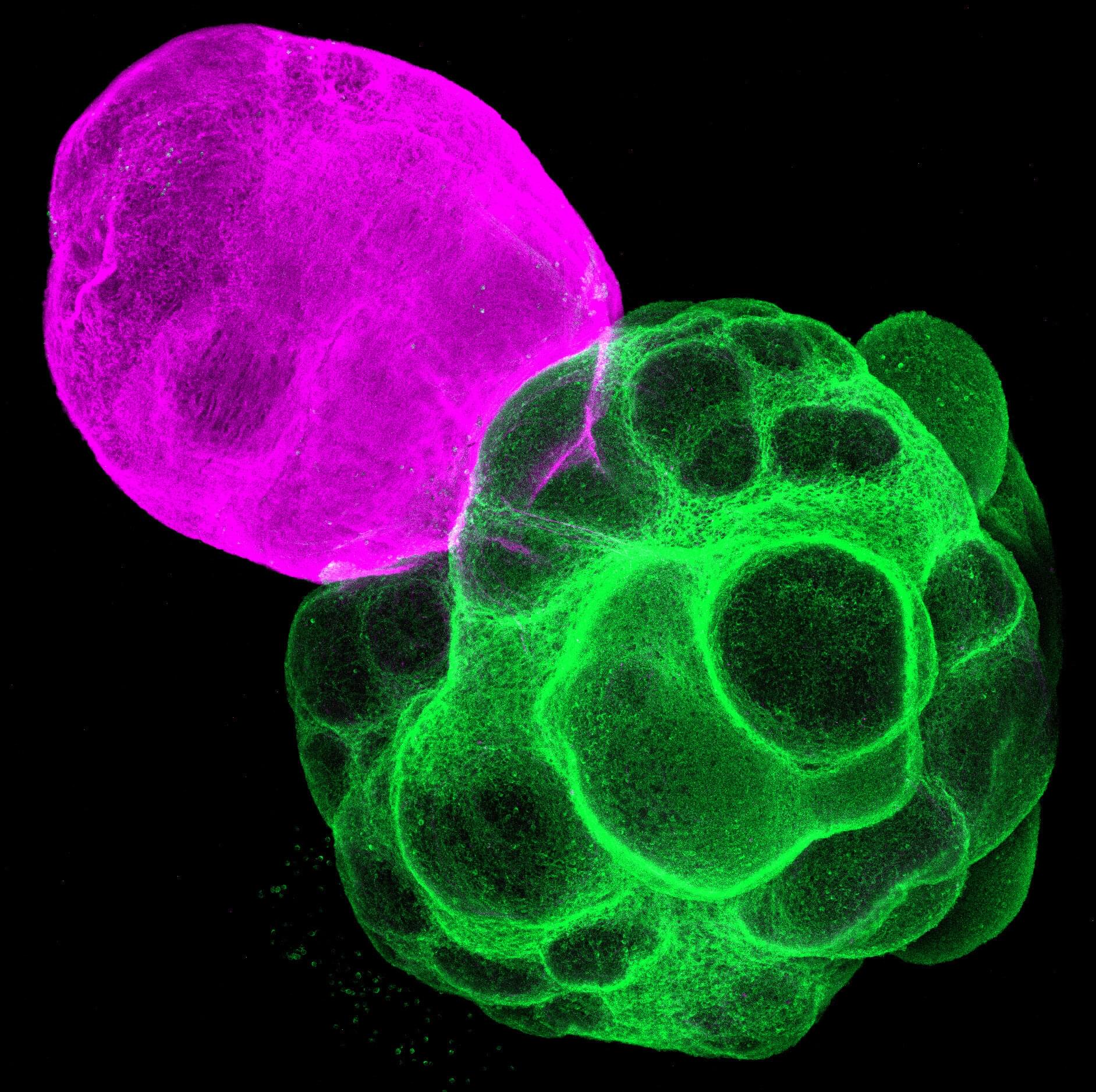
A Japanese research team has successfully reproduced the human neural circuit in vitro using multi-region miniature organs known as assembloids, which are derived from induced pluripotent stem (iPS) cells. With this circuit, the team demonstrated that the thalamus plays a crucial role in shaping cell type-specific neural circuits in the human cerebral cortex.

These findings were published in the journal Proceedings of the National Academy of Sciences.

Our brain’s cerebral cortex contains various types of neurons, and effective communication among these neurons and other brain regions is crucial for activating functions like perception and cognition.

Pinpointing the glow of a single atom to advance quantum emitter engineering

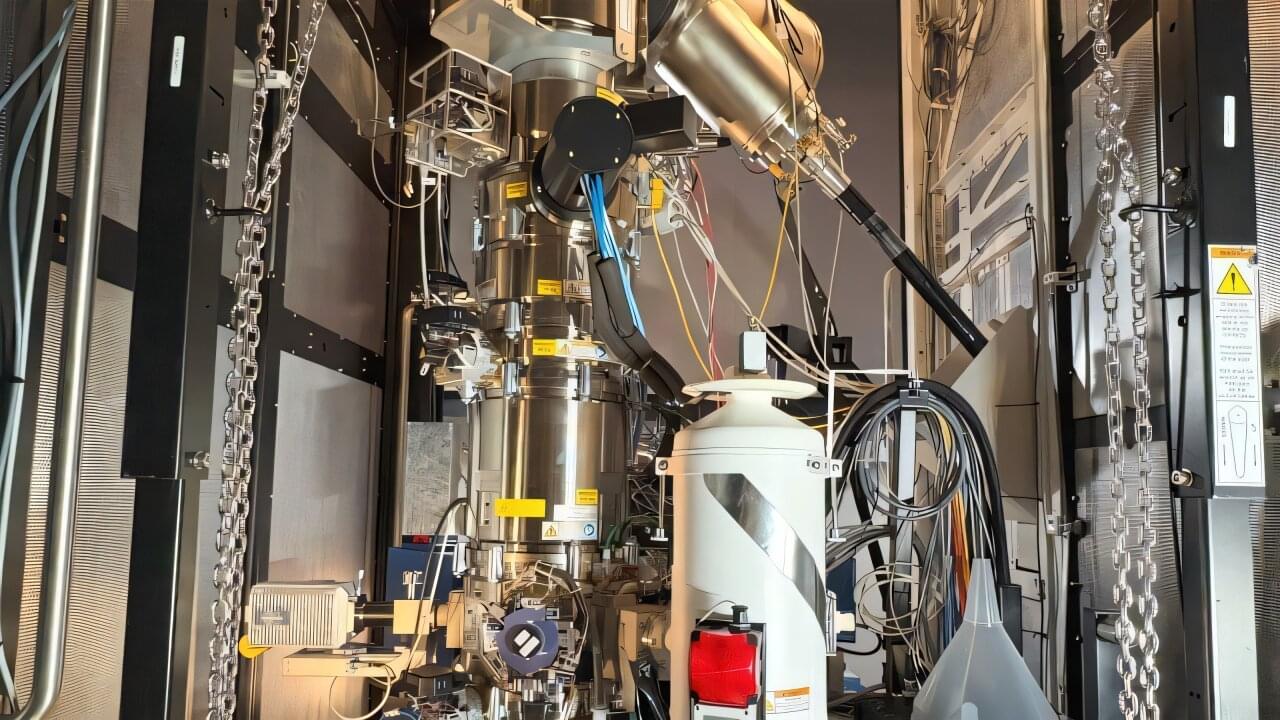
Researchers have discovered how to design and place single-photon sources at the atomic scale inside ultrathin 2D materials, lighting the path for future quantum innovations.

Like perfectly controlled light switches, quantum emitters can turn on the flow of single particles of light, called photons, one at a time. These tiny switches—the “bits” of many quantum technologies—are created by atomic-scale defects in materials.

Their ability to produce light with such precision makes them essential for the future of quantum technologies, including quantum computing, secure communication and ultraprecise sensing. But finding and controlling these atomic light switches has been a major scientific challenge—until now.

Breakthrough Shows How Cells Detect Stress Before Damage Spreads

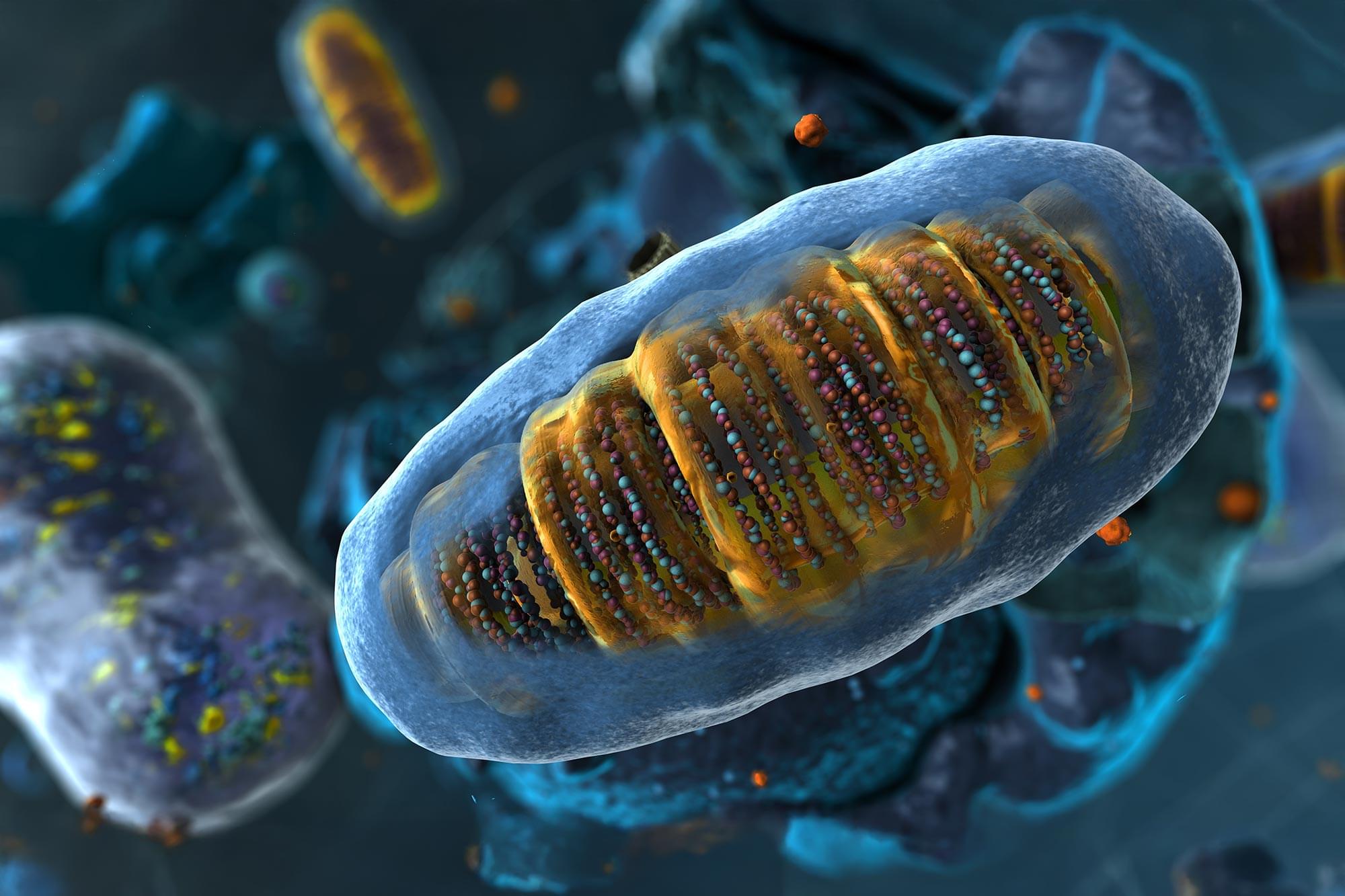
Researchers at LMU have uncovered how ribosomes, the cell’s protein builders, also act as early warning sensors when something goes wrong inside a cell.

When protein production is disrupted, and ribosomes begin to collide, a molecule called ZAK detects the pileup and switches on protective stress responses.

Ribosomes as protein builders and stress sensors.

Sympathetic Activation Promotes Sodium Glucose Co-Transporter-1 Protein Expression in Rodent Skeletal Muscle

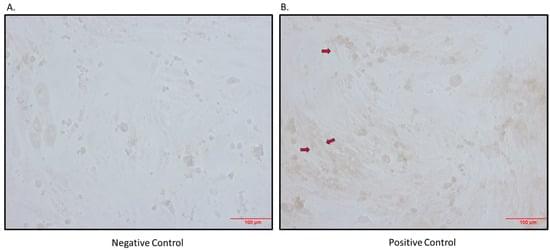
The hyperactivation of the sympathetic nervous system (SNS) is linked to obesity, hypertension, and type 2 diabetes, which are characterized by elevated norepinephrine (NE) levels. Previous research has shown increased sodium-dependent glucose cotransporter 1 (SGLT1) protein levels in kidneys of hypertensive rodents, prompting investigation into the expression of SGLT1 in various tissues, such as skeletal muscle. This study aimed to assess (i) whether skeletal muscle cells and tissue express SGLT1 and SGLT2 proteins; (ii) if NE increases SGLT1 levels in skeletal muscle cells, and (iii) whether the skeletal muscle of neurogenically hypertensive mice exhibits increased SGLT1 expression. We found that (i) skeletal muscle cells and tissue are a novel source of the SGLT2 protein and that (ii) NE significantly elevated SGLT1 levels in skeletal muscle cells. As SGLT2 inhibition (SGLT2i) with Empagliflozin increased SGLT1 levels, in vivo studies with the dual inhibitor SGLT1/2i, Sotagliflozin were warranted. The treatment of neurogenically hypertensive mice using Sotagliflozin significantly reduced blood pressure. Our findings suggest that SNS activity upregulates the therapeutic target, SGLT1, in skeletal muscle, potentially worsening cardiometabolic control. As clinical trial data suggest cardiorenal benefits from SGLT2i, future studies should aim to utilize SGLT1i by itself, which may offer a therapeutic strategy for conditions with heightened SNS activity, such as hypertension, diabetes, and obesity.
/* */