Toggle light / dark theme

Get the latest international news and world events from around the world.

Log in for authorized contributors

New control system teaches soft robots the art of staying safe

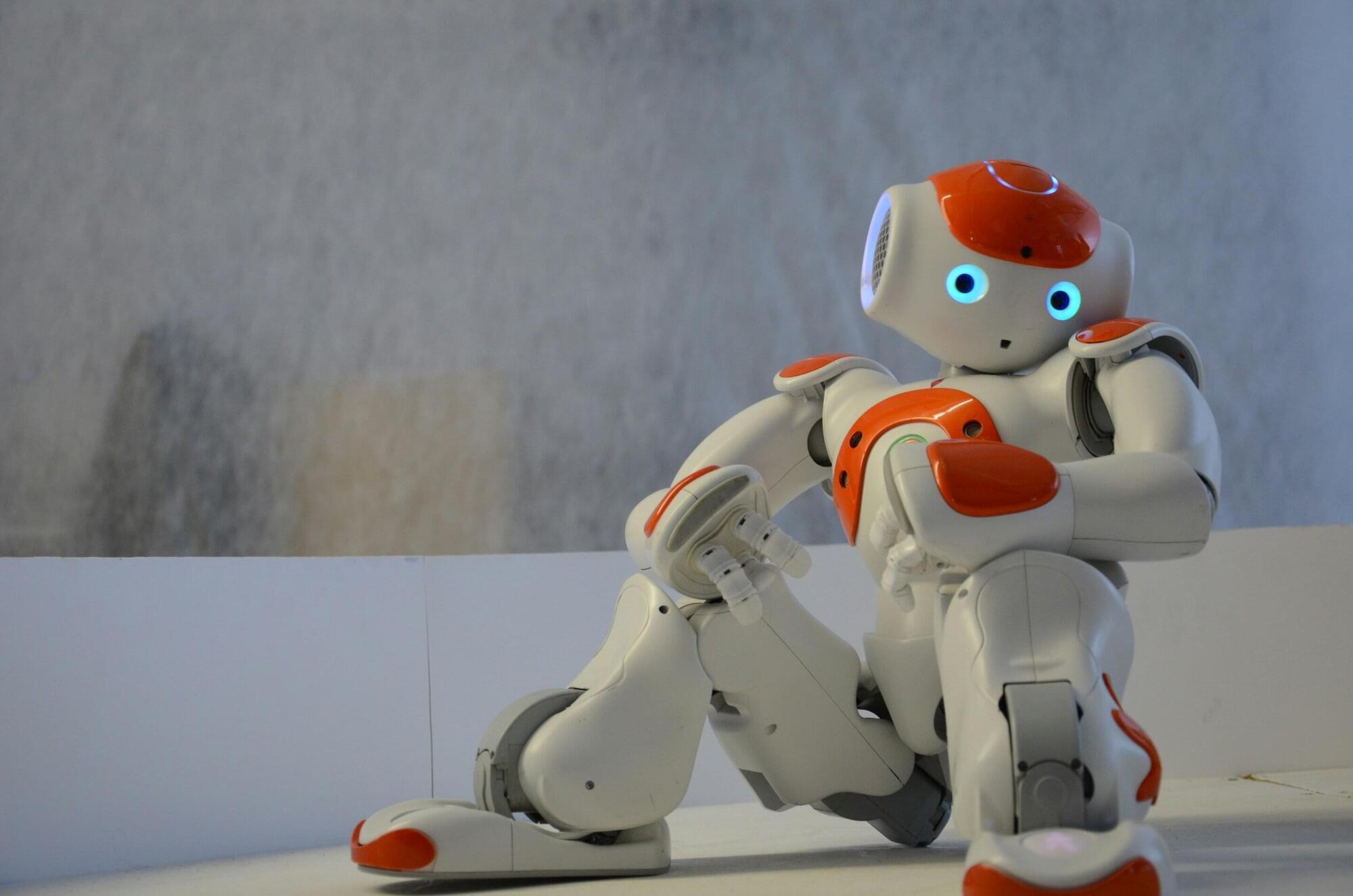
Imagine having a continuum soft robotic arm bend around a bunch of grapes or broccoli, adjusting its grip in real time as it lifts the object. Unlike traditional rigid robots that generally aim to avoid contact with the environment as much as possible and stay far away from humans for safety reasons, this arm senses subtle forces, stretching and flexing in ways that mimic more of the compliance of a human hand. Its every motion is calculated to avoid excessive force while achieving the task efficiently.

In the MIT Computer Science and Artificial Intelligence Laboratory (CSAIL) and Laboratory for Information and Decisions Systems (LIDS) labs, these seemingly simple movements are the culmination of complex mathematics, careful engineering, and a vision for robots that can safely interact with humans and delicate objects.

Soft robots, with their deformable bodies, promise a future where machines move more seamlessly alongside people, assist in caregiving, or handle delicate items in industrial settings. Yet that very flexibility makes them difficult to control. Small bends or twists can produce unpredictable forces, raising the risk of damage or injury. This motivates the need for safe control strategies for soft robots.

The Role of αvβ3 Integrin in Cancer Therapy Resistance

A relevant challenge for the treatment of patients with neoplasia is the development of resistance to chemo-, immune-, and radiotherapies. Although the causes of therapy resistance are poorly understood, evidence suggests it relies on compensatory mechanisms that cells develop to replace specific intracellular signaling that should be inactive after pharmacological inhibition. One such mechanism involves integrins, membrane receptors that connect cells to the extracellular matrix and have a crucial role in cell migration. The blockage of one specific type of integrin is frequently compensated by the overexpression of another integrin dimer, generally supporting cell adhesion and migration.

Mitochondrial Respiratory Supercomplex Assembly Factor COX7RP Contributes to Lifespan Extension in Mice

COX7RP is a critical factor that assembles mitochondrial respiratory chain complexes into supercomplexes, which is considered to modulate energy production efficiency. Whether COX7RP contributes to metabolic homeostasis and lifespan remains elusive. We here observed that COX7RP-transgenic (COX7RP-Tg) mice exhibit a phenotype characterized by a significant extension of lifespan. In addition, metabolic alterations were observed in COX7RP-Tg mice, including lower blood glucose levels at 120 min during the glucose tolerance test (GTT) without a significant difference in the area under the curve (AUC), as well as reduced serum triglyceride (TG) and total cholesterol (TC) levels. Moreover, COX7RP-Tg mice exhibited elevated ATP and nicotinamide adenine dinucleotide levels, reduced ROS production, and decreased senescence-associated β-galactosidase levels. Single-nucleus RNA-sequencing (snRNA-seq) revealed that senescence-associated secretory phenotype genes were downregulated in old COX7RP-Tg white adipose tissue (WAT) compared with old WT WAT, particularly in adipocytes. This study provides a clue to the role of mitochondrial respiratory supercomplex assembly factor COX7RP in resistance to aging and longevity extension.

Bridging the gap between molecules and materials in quantum chemistry with localized active spaces

Emerging materials between molecules and materials demand new modeling approaches. Here, the authors present a localized active space approach that enables accurate and efficient band structure calculations to capture long-range charge and energy transfer in correlated materials.

Cancer-promoting DNA circles hitchhike on chromosomes to spread to daughter cells

Small, cancer-associated DNA circles “hitchhike” on chromosomes during cell division to spread efficiently to daughter cells by co-opting a process used to maintain cellular identity through generations, Stanford Medicine-led research has found.

These circles, known as extrachromosomal or ecDNA, are major drivers in human cancers. Blocking their ability to associate with chromosomes causes the loss of the circles during cell division and the death of lab-grown cancer cells. Targeting this weak link in the circles’ proliferation could lead to new classes of cancer therapies, the researchers predict.

“Unfortunately, ecDNAs have developed a crafty mechanism that allows them to wreak havoc on human health,” said professor of pathology Paul Mischel, MD. “They are using nature’s own method of gene expression and cell fate to ensure they are safely distributed into the next generation of cells and not lost into the cytoplasm or extracellular space when a cell divides.”

A BCL-xL/BCL-2 PROTAC effectively clears senescent cells in the liver and reduces MASH-driven hepatocellular carcinoma in mice

Yang, Jn-Simon, He et al. report that the dual BCL-xL/BCL-2 PROTAC 753b is a potent and liver-tropic senolytic, which (unlike other inhibitors of BCL-xL) does not cause severe thrombocytopenia. They evaluate its efficacy in natural aging and in reducing progression from steatotic liver disease to hepatocellular carcinoma, using mouse models.

Cyber, AI & Critical Infrastructure Convergence Risks

By Chuck Brooks

#cybersecurity #artificialintelligence #criticalinfrastructure #risks


By Chuck Brooks, president of Brooks Consulting International

Federal agencies and their industry counterparts are moving at a breakneck pace to modernize in this fast-changing digital world. Artificial intelligence, automation, behavioral analytics, and autonomous decision systems have become integral to mission-critical operations. This includes everything from managing energy and securing borders to delivering healthcare, supporting defense logistics, and verifying identities. These technologies are undeniably enhancing capabilities. However, they are also subtly altering the landscape of risk.

The real concern isn’t any one technology in isolation, but rather the way these technologies now intersect and rely on each other. We’re leaving behind a world of isolated cyber threats. Now, we’re facing convergence risk, a landscape where cybersecurity, artificial intelligence, data integrity, and operational resilience are intertwined in ways that often remain hidden until a failure occurs. We’re no longer just securing networks. We’re safeguarding confidence, continuity, and the trust of society.

Carbon monoxide, the ‘silent killer,’ becomes a boon for fuel cell catalysts

Researchers have developed a technology that uses carbon monoxide, typically harmful to humans, to precisely control metal thin films at a thickness of 0.3 nanometers. This technology enables faster and simpler production of core–shell catalysts, a key factor in improving the economic viability of fuel cells, and is expected to significantly boost related industries.

The findings are published in the journal ACS Nano. The team includes Dr. Gu-Gon Park, Dr. Yongmin Kwon, and Dr. Eunjik Lee from the Hydrogen Fuel Cell Laboratory at the Korea Institute of Energy Research.

/* */