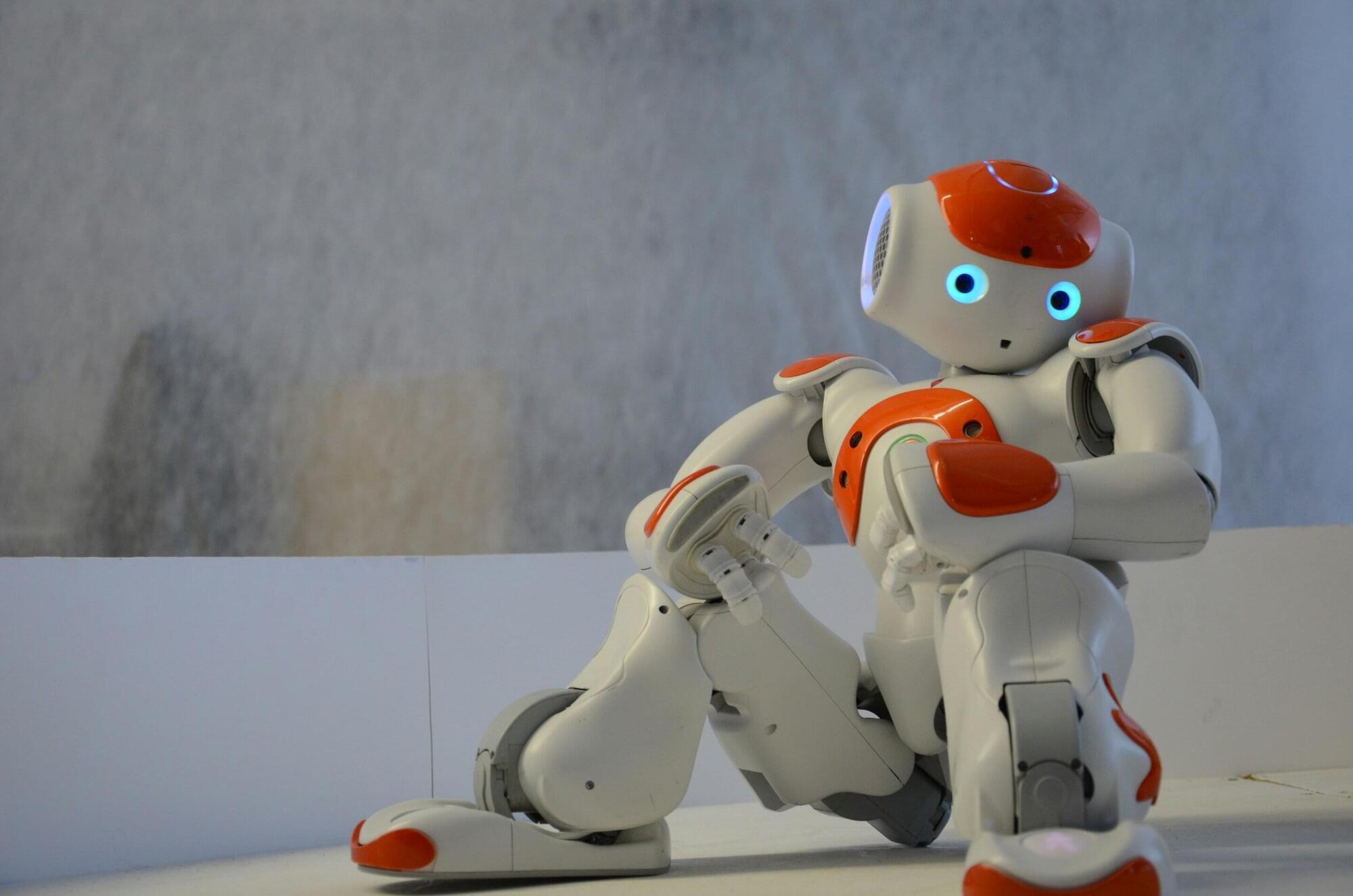
Over the past decades, roboticists have introduced a wide range of advanced systems that can move around in their surroundings and complete various tasks. Most of these robots can effectively collect images and other data in their surroundings, using computer vision algorithms to interpret it and plan their future actions.
In addition, many robots leverage large language models (LLMs) or other natural language processing (NLP) models to interpret instructions, make sense of what users are saying and answer them in specific languages. Despite their ability to both make sense of their surroundings and communicate with users, most robotic systems still struggle when tackling tasks that require them to touch, grasp and manipulate objects, or come in physical contact with people.
Researchers at Tongji University and State Key Laboratory of Intelligent Autonomous Systems recently developed a new framework designed to improve the process via which robots learn to physically interact with their surroundings.