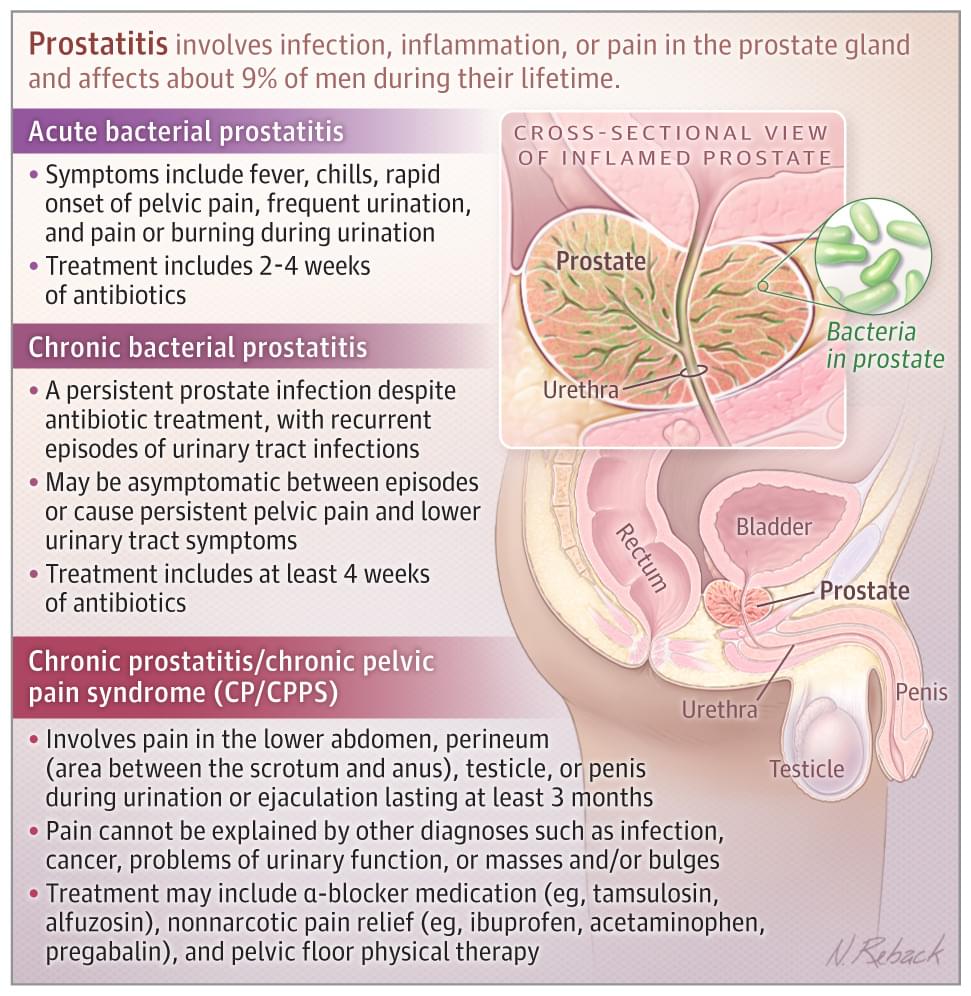
📄 This JAMA Patient Page describes the types of prostatitis and its risk factors, diagnosis, and treatment.
Prostatitis involves infection, inflammation, or pain in the prostate gland and affects about 9% of men during their lifetime.
Patients with acute prostatitis typically have fever, chills, pelvic pain, sudden onset of frequent urination, and pain or burning during urination.
📄 Risk Factors, Diagnosis, and Treatment of CP/CPPS
Approximately 267 000 men in the US are diagnosed with CP/CPPS each year. Risk increases after age 50 years. Although other risk factors for CP/CPPS are unclear, men with CP/CPPS are more likely to have chronic pain syndromes such as fibromyalgia, chronic fatigue syndrome, and irritable bowel syndrome and higher rates of depression, anxiety, and panic disorder than unaffected men.
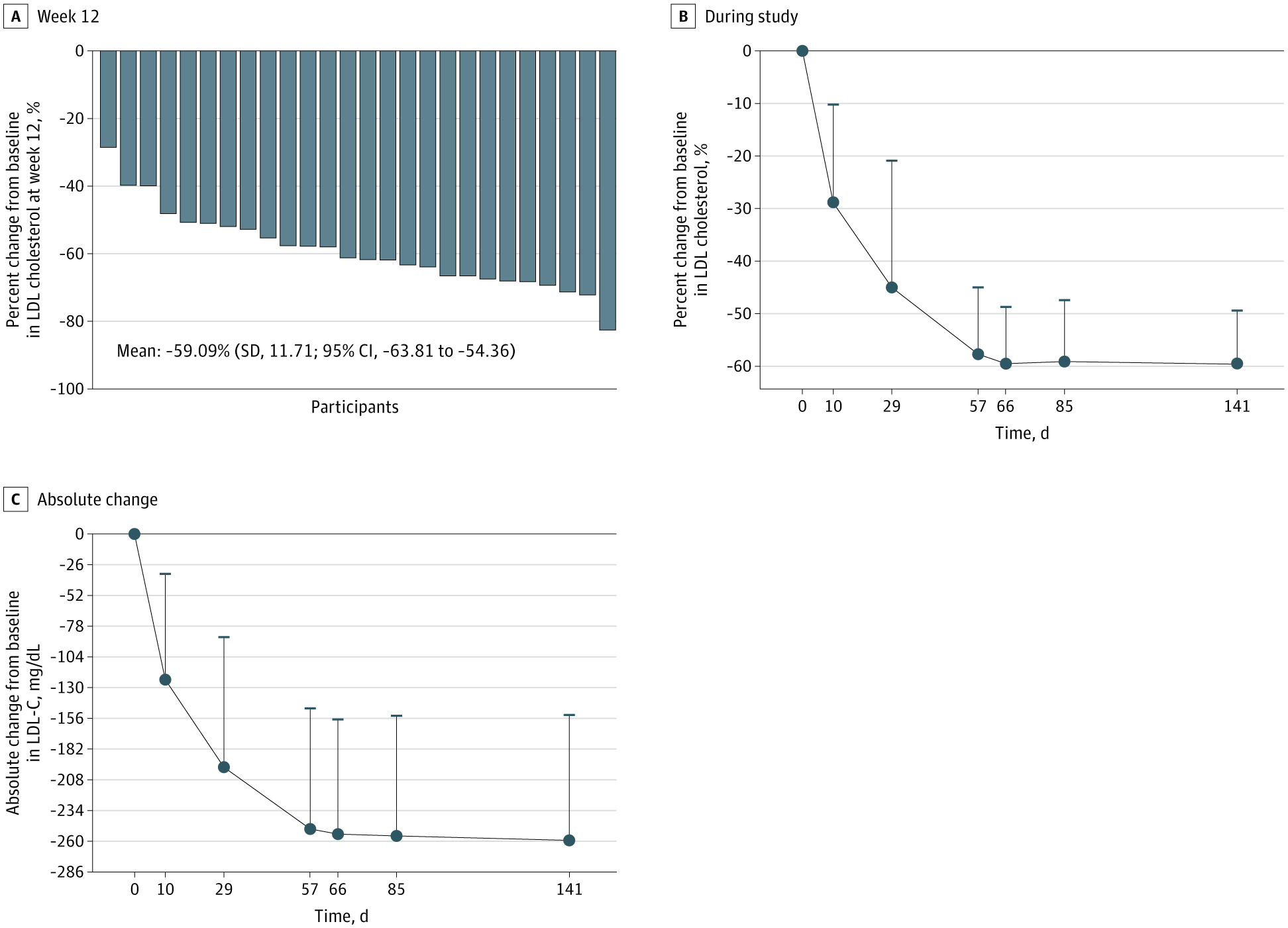
Monthly subcutaneous SHR-1918, a fully human monoclonal antibody targeting ANGPTL3, was associated with reduced LDL-C in adults with homozygous familial hypercholesterolemia on stable lipid-lowering therapy.
Question Does SHR-1918, a fully human monoclonal antibody targeting angiopoietinlike 3 (ANGPTL3), lower the low-density lipoprotein cholesterol (LDL-C) level in adults with homozygous familial hypercholesterolemia (HoFH) taking stable lipid-lowering therapy?
Findings In this phase 2 nonrandomized clinical trial of 26 patients, SHR-1918 at 600 mg every 4 weeks was associated with a substantial reduction in LDL-C level exceeding half in adults with HoFH taking stable lipid-lowering therapy and was also associated with lower levels of other lipids, with evidence of a manageable safety profile.
Meaning The promising findings observed in this trial support the launch of a double-blind, placebo-controlled, phase 3 randomized clinical trial to verify the effect and safety of SHR-1918 for HoFH management.
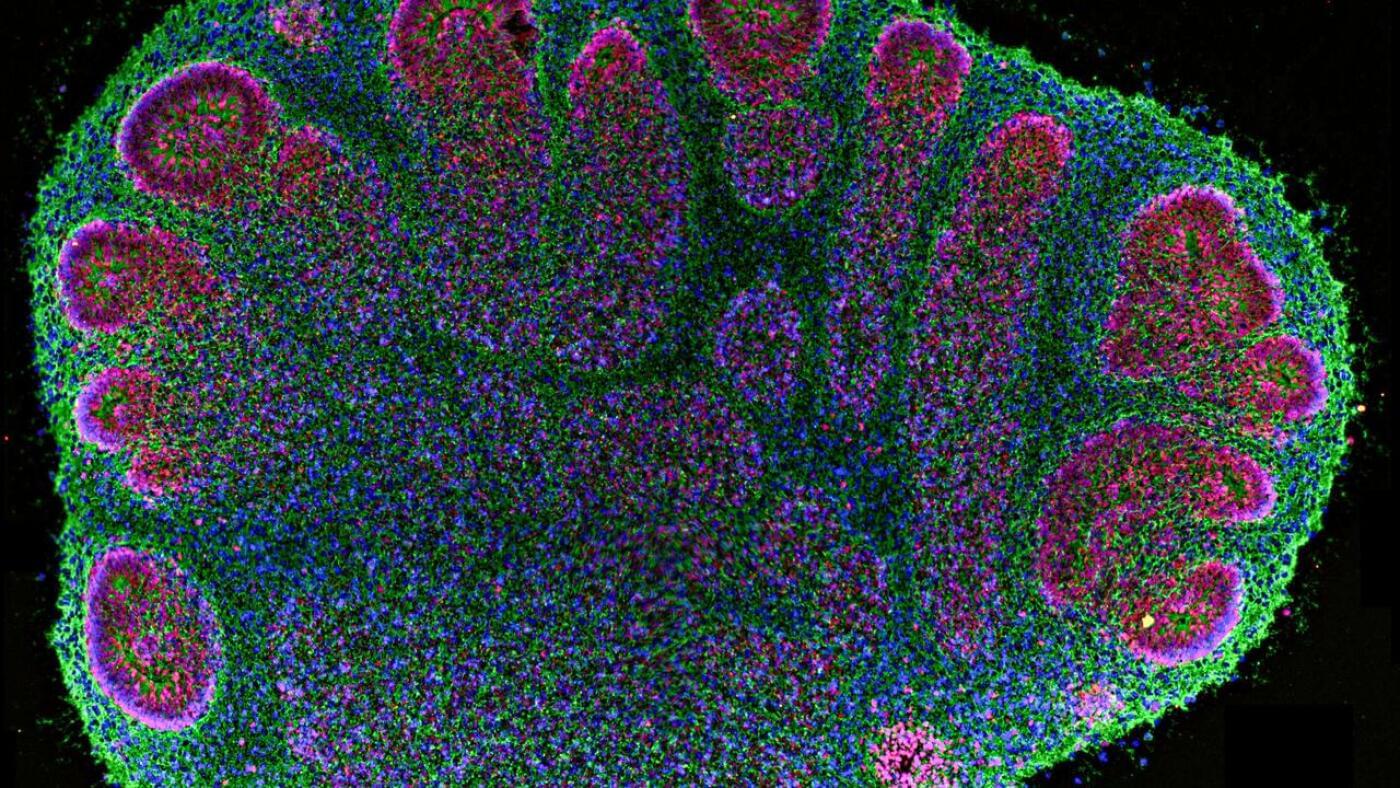
Pea-size clusters of human cells called brain organoids inspire both hope and fear. Experts are debating how scientists can responsibly use these bits of gray matter.
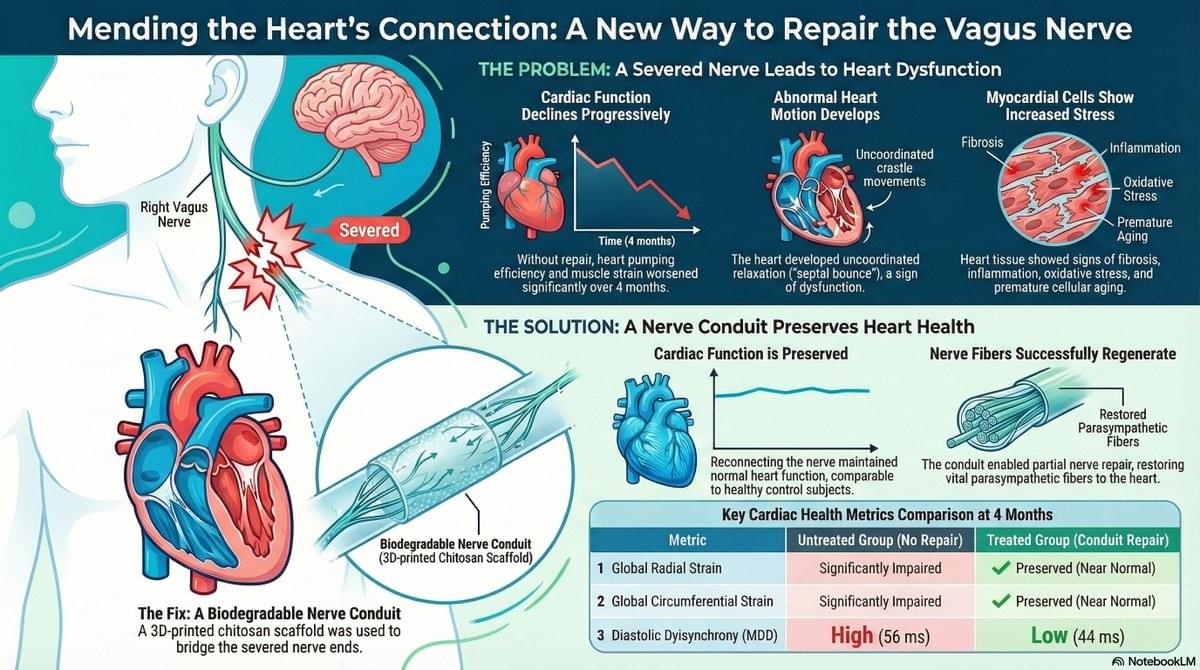
The secret to a healthier and “younger” heart lies in the vagus nerve. A recent study published in Science Translational Medicine has shown that preserving bilateral cardiac vagal innervation is an anti-aging factor. In particular, the right cardiac vagus nerve emerges as a true guardian of cardiomyocyte health, helping to preserve the longevity of the heart independently of heart rate.
‘When the integrity of the connection to the vagus nerve is lost, the heart ages more rapidly,’ explains the senior author.
‘Even partial restoration of the connection between the right vagus nerve and the heart is sufficient to counteract the mechanisms of remodelling and preserve effective cardiac contractility,’ adds another author.
‘We have developed an implantable bioabsorbable nerve conduit designed to promote and guide the spontaneous regeneration of the thoracic vagus nerve at the cardiac level,’ explains a co-author.
Treated adult male minipigs displayed improved global circumferential, longitudinal, and radial strains and reduced diastolic dyssynchrony. Histological analysis revealed partial repair with about 20% viable vagal fascicles, restoration of myocardial parasympathetic fibers, normalization of oxidative stress and aging markers, and prevention of interstitial fibrosis.
Oral PCSK9 Therapy And The Future Of Heart Disease — Dr. Christie Ballantyne MD, Director, Center for Cardiometabolic Disease Prevention, Baylor College of Medicine & Dr. Alexander Tal, MD.
Dr. Christie M. Ballantyne, MD is a Cardiologist and is one of the nation’s foremost experts on lipids, atherosclerosis and heart disease prevention. He holds many leadership positions at Baylor College of Medicine (https://www.bcm.edu/people-search/chr… including director of the Center for Cardiometabolic Disease Prevention, co-director of the Lipid Metabolism and Atherosclerosis Clinic, and chief of the Section of Cardiology.
With over 1,000 publications in the area of atherosclerosis, lipids, and inflammation, Dr. Ballantyne’s research on heart disease prevention has led him to become an established investigator for the American Heart Association and the recipient of continuous funding from the National Institutes of Health with a core focus on in basic research of leukocyte–endothelial interactions, translational research in biomarkers, and clinical trials.
Dr. Ballantyne’s many accomplishments have included being elected as Fellow of the American Association for the Advancement of Science, the American Society of Clinical Investigation, and the Association of American Physicians. In 2012, he received the American College of Cardiology Distinguished Scientist Award (Basic Domain).
In 2014 and 2015, Thomson Reuters recognized Dr. Ballantyne as one of “The World’s Most Influential Scientific Minds.” Clarivate Analytics, Web of Science, named Dr. Ballantyne as a “Highly Cited Researcher” 2017–2022 in the top 1% of researchers most cited.
Deep in the early Universe, scientists have identified an extraordinary stellar nursery—a place where stars are forming at a breathtaking rate. In this region, activity is up to 180 times greater than in our own galaxy, offering a rare glimpse into how matter behaves in an environment far denser than anything we experience today.
The Milky Way may feel relatively calm now, but the young Universe was anything but. According to a study published in Monthly Notices of the Royal Astronomical Society, researchers have pinpointed an extremely hot and active zone dating back to the Universe’s earliest epochs, where conditions were far more intense than those around us today.
This area functions as a massive stellar nursery. Packed with dust and gas and flooded with radiation that generates heat, it creates the perfect conditions for particles to collide, stick together, and eventually form new stars.
A new study suggests that one of the most common diabetes treatments may speed type 2 diabetes progression by causing insulin-producing cells to lose their functional identity. Sulphonylureas have been used to treat type 2 diabetes since the early 1950s and remain among the most frequently prescr
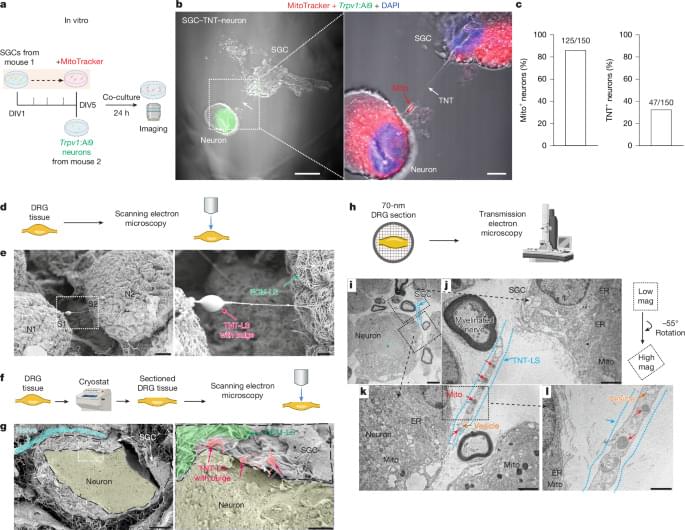
Mitochondria that are transported from satellite glial cells in dorsal root ganglia to peripheral sensory neurons through tunneling nanotube-like structures provide protection against peripheral neuropathy.