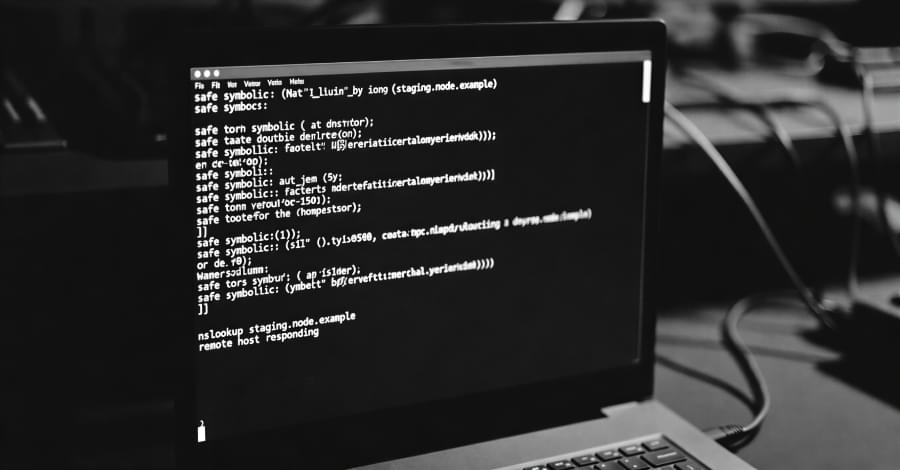
Microsoft details a new ClickFix variant abusing DNS nslookup commands to stage malware, enabling stealthy payload delivery and RAT deployment.
The Washington Hotel brand in Japan has announced that that its servers were compromised in a ransomware attack, exposing various business data.
The hospitality group has established an internal task force and engaged external cybersecurity experts to assess the impact of the intrusion, determine whether customer data was compromised, and coordinate recovery efforts.
Washington Hotel, a brand operating under Fujita Kanko Inc. (WHG Hotels), is a business-focused hospitality chain with 30 locations across Japan. WHG has 11,000 rooms over its properties and has nearly 5 million guests every year.

Eurail B.V., the operator that provides access to 250,000 kilometers of European railways, confirmed that data stolen in a breach earlier this year is being offered for sale on the dark web.
The company said that a threat actor also published a sample of the data on the Telegram messaging platform but it is still trying to determine the type of records and number of customers affected.
Eurail B.V. is a Netherlands-based firm that manages and sells passes (Eurail and Interrail) for train travel across Europe, offering flexibility for multi-country trips.
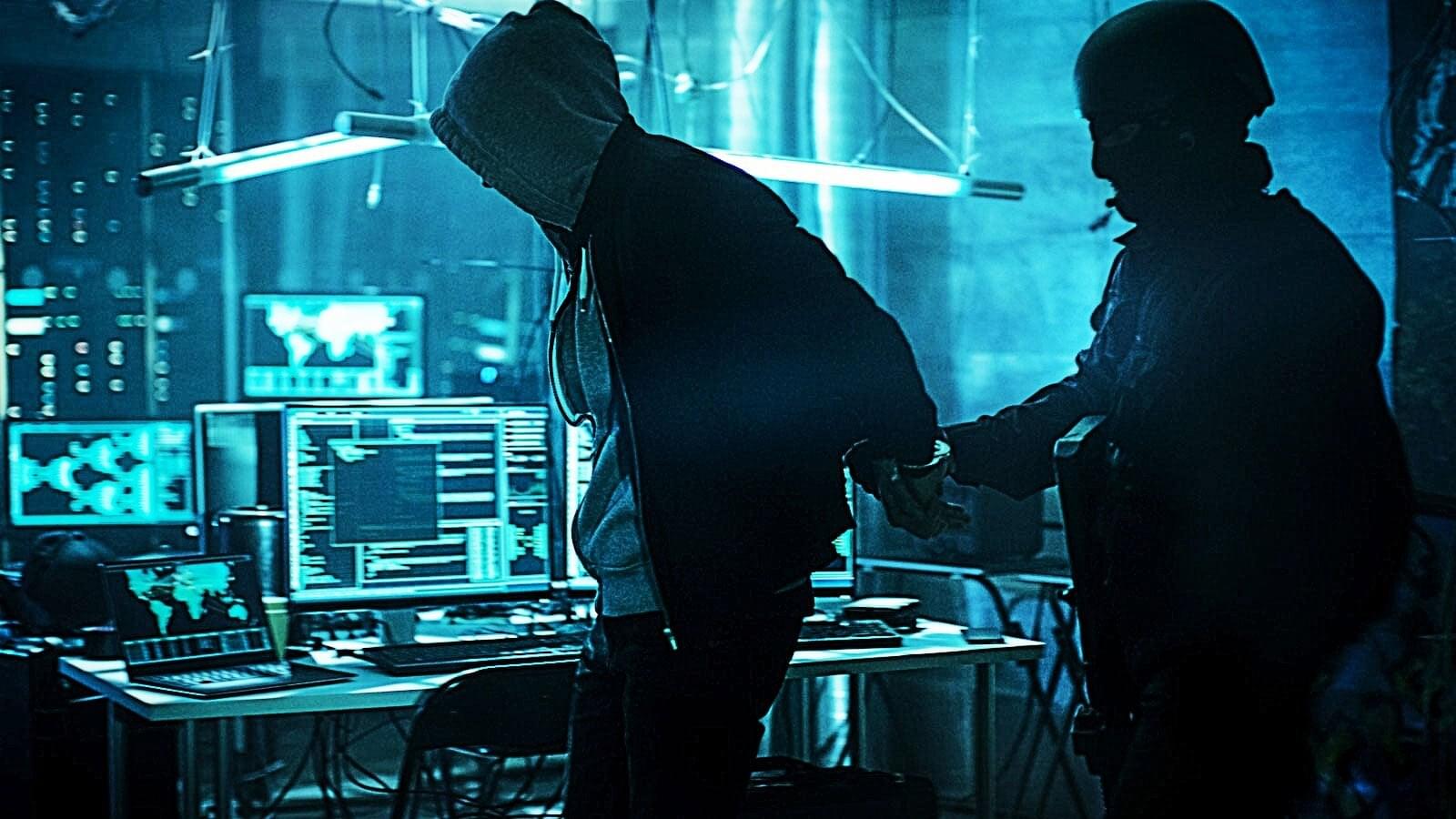
Dutch authorities arrested a 40-year-old man after he downloaded confidential documents that had been mistakenly shared by the police and refused to delete them unless he received “something in return.”
Police detained the suspect at his Prinses Beatrixstraat residence in Ridderkerk on Thursday evening for computer hacking after the failed “extortion” attempt, searching his home and seizing data storage devices to recover the files.
The incident began when the man contacted police on February 12 about images he had that may be relevant to an ongoing investigation. An officer responded to his inquiry but, instead of sending a link to upload the images, mistakenly shared a download link to confidential police documents.

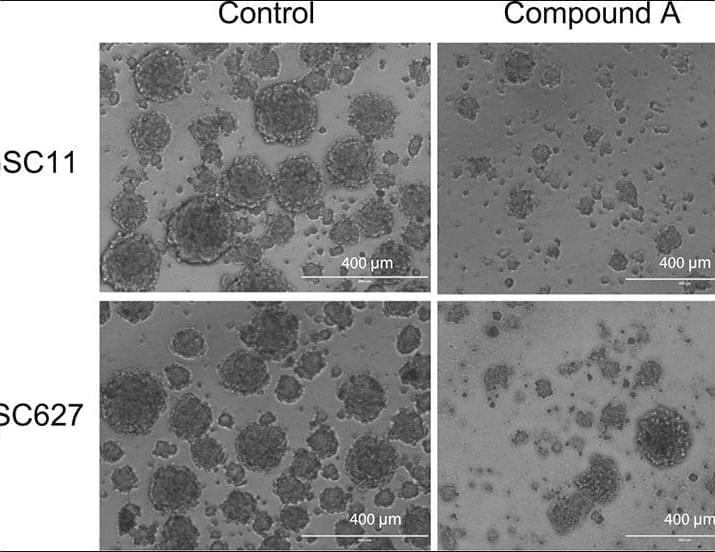
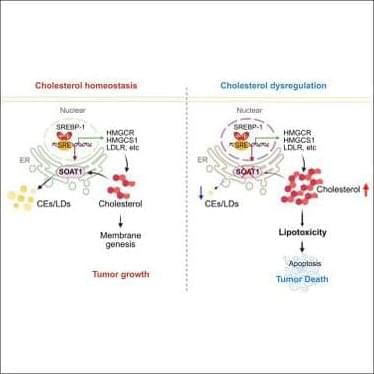
Zhong et al. demonstrate that SREBP-1 and SOAT1 are co-upregulated in GBM and NSCLC, coupling cholesterol acquisition and storage. They reveal that SREBP-1 transcriptionally activates SOAT1, enabling cancer cells to sustain cholesterol homeostasis, and that targeting SOAT1 disrupts this balance, leading to ROS accumulation, mitochondrial dysfunction, and tumor cell death.
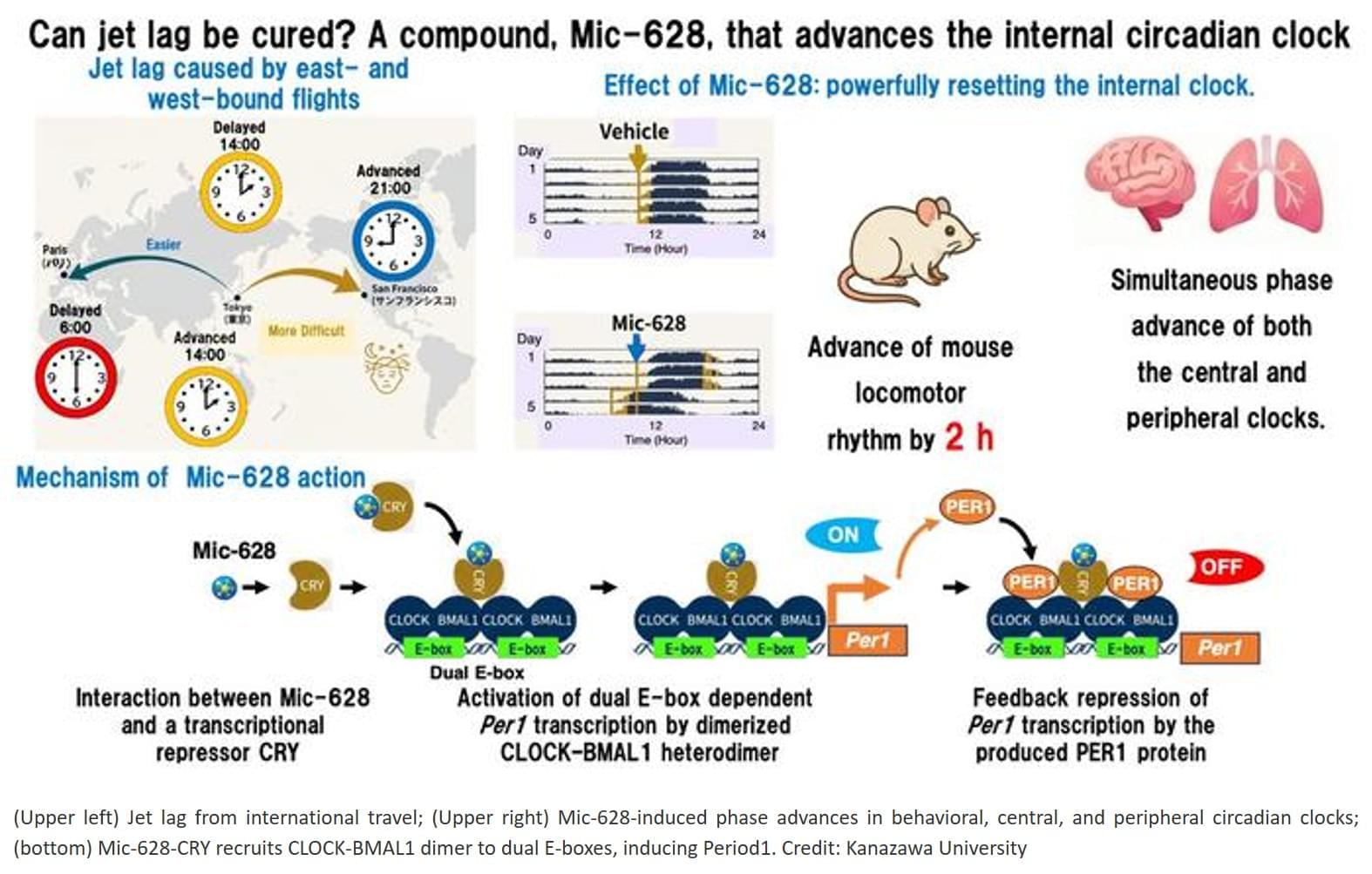
Adapting to eastward travel, such as west-to-east transmeridian flights, or to night-shift work requires advancing the internal clock, a process that normally takes longer and is physiologically harder than delaying it.
Existing methods, such as light therapy or melatonin, are heavily constrained by timing and often yield inconsistent results.
Mic-628’s consistent phase-advance effect, regardless of when it is administered, represents a new pharmacological strategy for resetting the circadian clock.
The researchers discovered that Mic-628 selectively induces the mammalian clock gene Per1.
Mic-628 works by binding to the repressor protein CRY1, promoting the formation of a CLOCK–BMAL1–CRY1–Mic-628 complex that activates Per1 transcription through a “dual E-box” DNA element.
As a result, both the central clock in the brain’s suprachiasmatic nucleus (SCN) and peripheral clocks in tissues such as the lungs were advanced—in tandem and independent of dosing time.
In a simulated jet lag mouse model (6-hour light-dark phase advance), a single oral dose of Mic-628 shortened re-entrainment time from seven days to four.