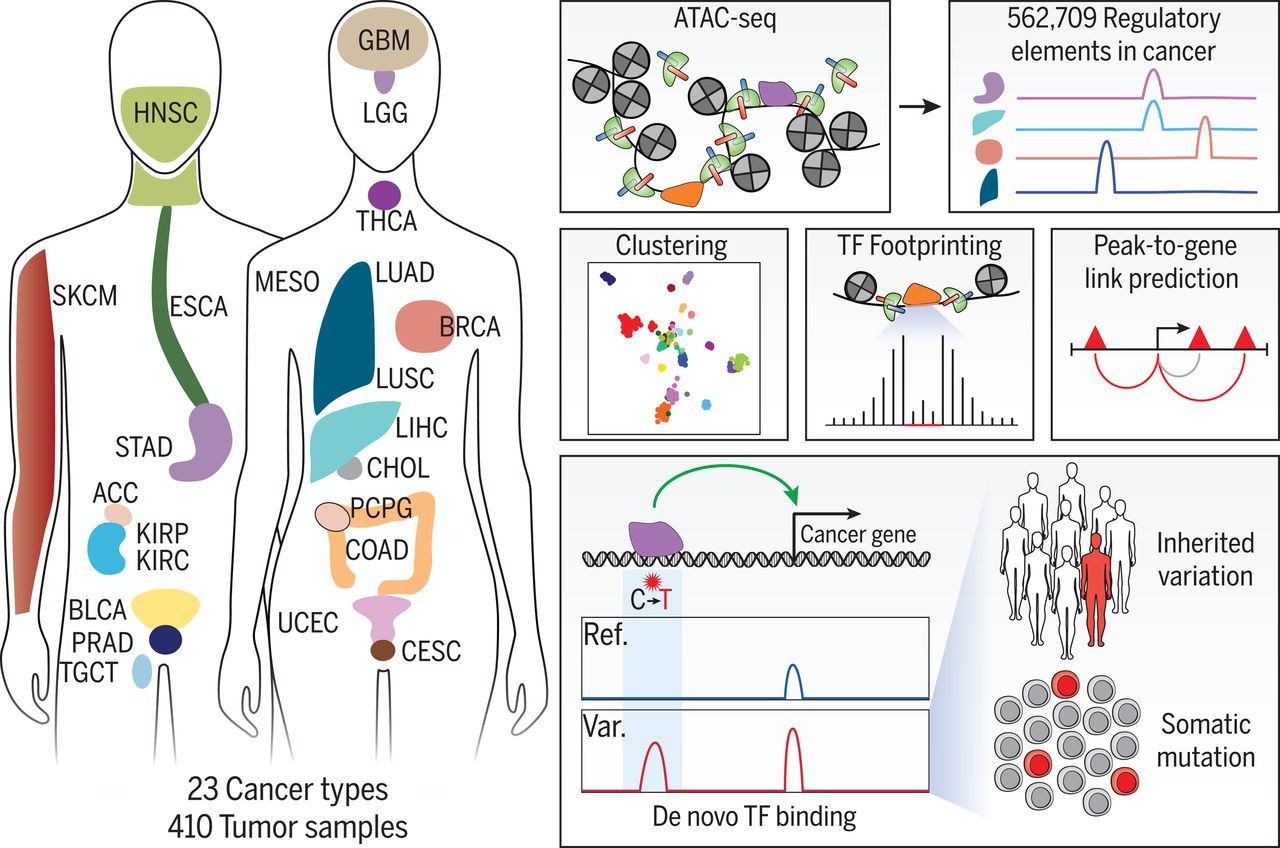
The Cancer Genome Atlas (TCGA) provides a high-quality resource of molecular data on a large variety of human cancers. Corces et al. used a recently modified assay to profile chromatin accessibility to determine the accessible chromatin landscape in 410 TCGA samples from 23 cancer types (see the Perspective by Taipale). When the data were integrated with other omics data available for the same tumor samples, inherited risk loci for cancer predisposition were revealed, transcription factors and enhancers driving molecular subtypes of cancer with patient survival differences were identified, and noncoding mutations associated with clinical prognosis were discovered.
Get the latest international news and world events from around the world.

Jeff Bezos, The World’s Richest Man, Says He Will Use His $131 Billion Fortune To Fund Space Travel And Create Human Settlements Beyond Earth
The world’s richest person Jeff Bezos already liquidates $1 billion (£0.7 billion) of his fortune in space travel every year. That figure is only set to increase as he now says he thinks the best use of his astonishing $131 billion (£96 billion) wealth is getting man into the space.

Masks, Purifiers and Other Steps to Reduce the Harmful Effects of California’s Smoke
Here are some ways to stay healthy amid the smoke and smog from California’s wildfires.
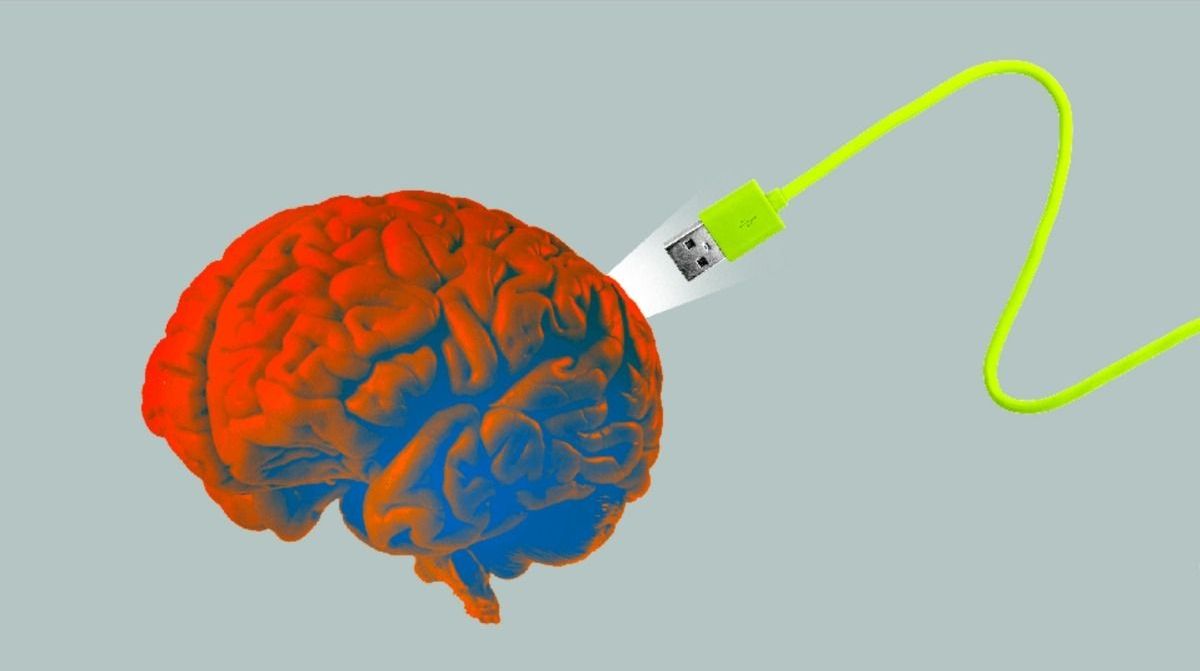
Five Functions of the Brain that are Inspiring AI Research
The brain has always been considered the main inspiration for the field of artificial intelligence(AI). For many AI researchers, the ultimate goal of AI is to emulate the capabilities of the brain. That seems like a nice statement but its an incredibly daunting task considering that neuroscientist are still struggling trying to understand the cognitive mechanism that power the magic of our brains. Despite the challenges, more regularly we are seeing AI research and implementation algorithms that are inspired by specific cognition mechanisms in the human brain and that have been producing incredibly promising results. Recently, the DeepMind team published a paper about neuroscience-inspired AI that summarizes the circle of influence between AI and neuroscience research.
You might be wondering what’s so new about this topic? Everyone knows that most foundational concepts in AI such as neural networks have been inspired by the architecture of the human brain. However, beyond that high level statement, the relationship between the popular AI/deep learning models we used everyday and neuroscience research is not so obvious. Let’s quickly review some of the brain processes that have a footprint in the newest generation of deep learning methods.
Attention is one of those magical capabilities of the human brain that we don’t understand very well. What brain mechanisms allow us to focus on a specific task and ignore the rest of the environment? Attentional mechanisms have become a recent source of inspiration in deep learning models such as convolutional neural networks(CNNs) or deep generative models. For instance, modern CNN models have been able to get a schematic representation of the input and ignore irrelevant information improving their ability of classifying objects in a picture.
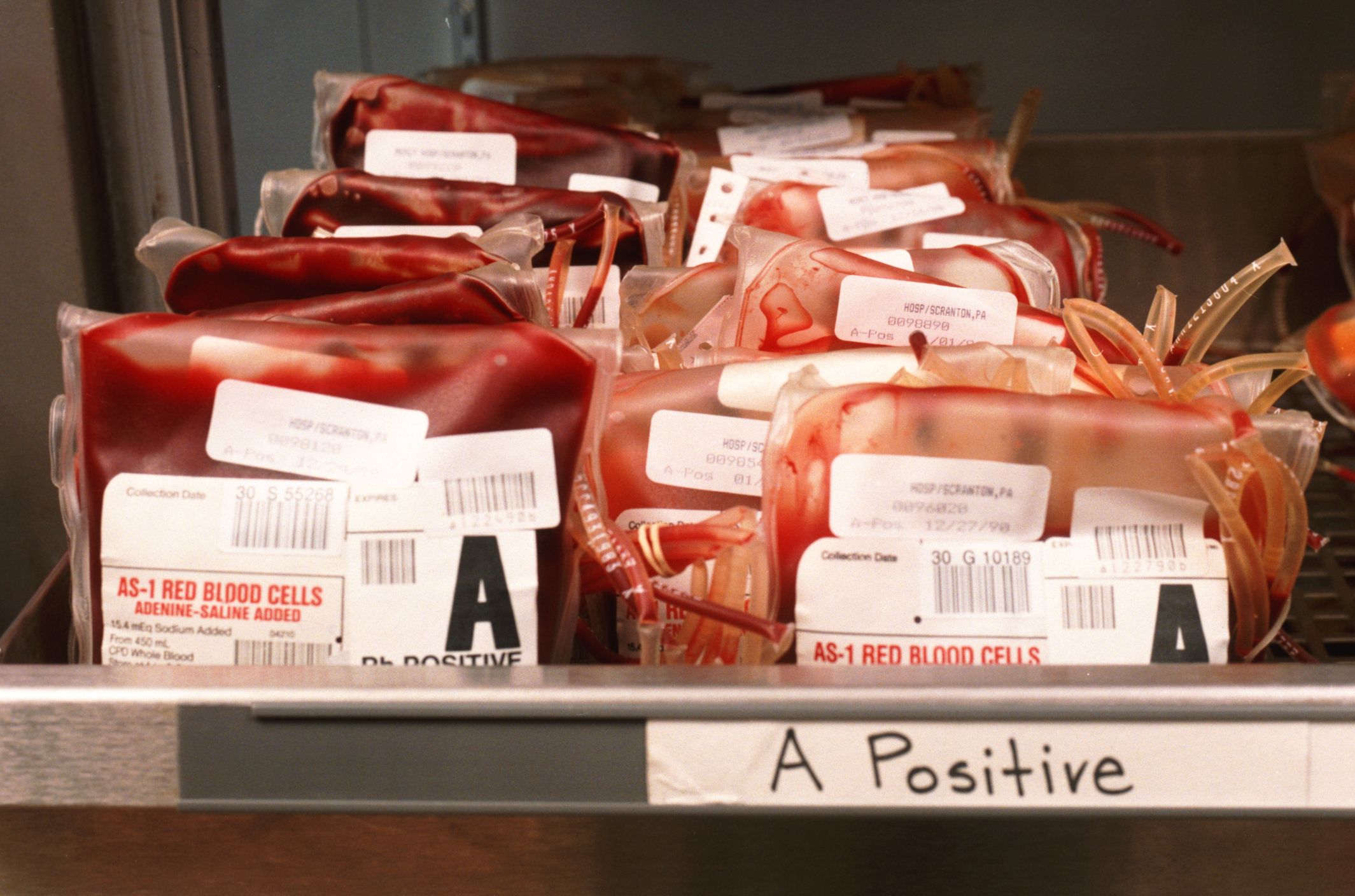
Which human blood group evolved first?
With several competing theories, it’s difficult to establish a timeline of how the different blood groups evolved and pinpoint which one came first.
Encrypted Genomic Data Means People Can Participate in Research Without Sacrificing Privacy
Anything that prevents the next big data leak is good news.
China’s ‘artificial sun’ is now hot enough for nuclear fusion
On Tuesday, a team from China’s Hefei Institutes of Physical Science announced that its Experimental Advanced Superconducting Tokamak (EAST) reactor — an “artificial sun” designed to replicate the process our natural Sun uses to generate energy — just hit a new temperature milestone: 100 million degrees Celsius (180 million degrees Fahrenheit).
For comparison, the core of our real Sun only reaches about 27 million degrees Fahrenheit — meaning the EAST reactor was, briefly, more than six times hotter than the closest star.
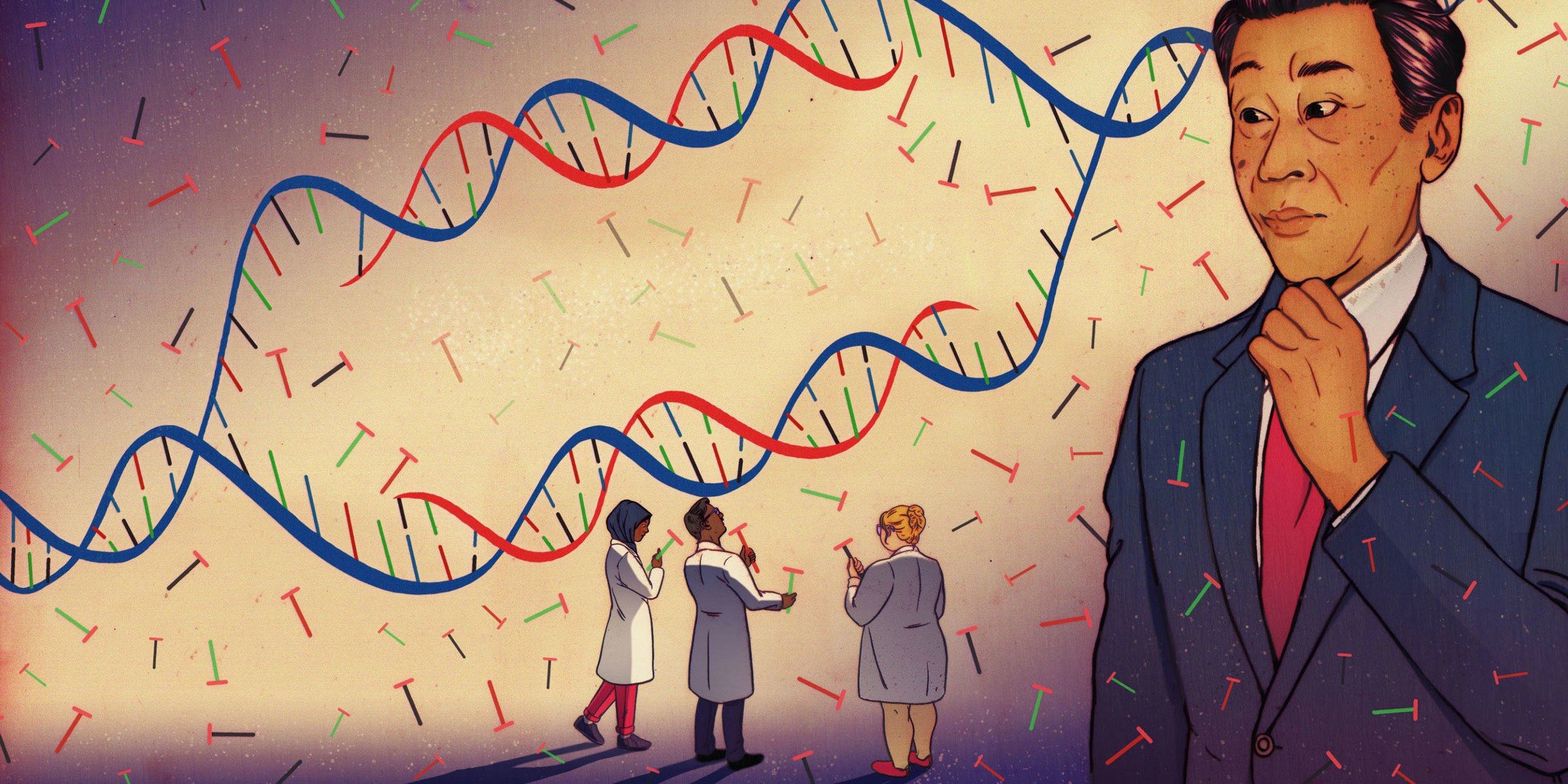
The Evolutionary Importance of Neutral vs. Adaptive Genes
For 50 years, evolutionary theory has emphasized the importance of neutral mutations over adaptive ones in DNA. Real genomic data challenge that assumption.
NASA Image of Merging Galaxy Clusters Looks Suspiciously Like the USS Enterprise
Two possibilities: Either the image captures two massive galactic clusters in the process of colliding, or NASA is covering up the existence of a starship so big it’s several million light years long.
Humanity’s current understanding of physics may suggest faster-than-light travel is impossible, but researchers here on Earth can still observe happening in places much too far away to ever actually visit (and generally only what they looked like in the distant past). One of them is a galactic collision that, at least from our planetary vantage point, looks an awful lot like a craft going where no man has ever gone before.
NASA released the above composite image of the galaxy cluster Abell 1033 some 1.62 billion light years away this week, showing wisps of gas that appear to be arranged in the shape of Star Trek’s USS Enterprise. NASA wrote that the image was captured by the Chandra X-ray Observatory, an X-ray telescope that detects superheated gases, as well as the Low-Frequency Array, which detects radio emissions.