Learn how Hyperbaric Oxygen Therapy HBOT promotes cellular repair, supports brain function, and improves long-term recovery using proven medical protocols.

(EUVL, also known simply as EUV) is a technology used in the semiconductor industry for manufacturing integrated circuits (ICs). It is a type of photolithography that uses 13.5 nm extreme ultraviolet (EUV) light from a laser-pulsed tin (Sn) plasma to create intricate patterns on semiconductor substrates.
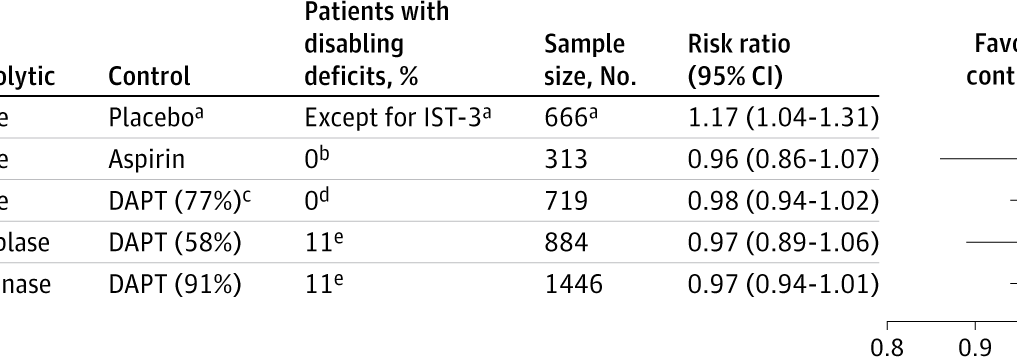
A secondary analysis of the TEMPO-2 RCT found no significant improvement in outcomes for minor ischemic stroke patients treated with intravenous tenecteplase, regardless of the presence of disabling deficits.
Question Did outcomes following intravenous tenecteplase for minor ischemic stroke vary based on the presence of disabling deficits?
Findings In this secondary analysis of the TEMPO-2 randomized clinical trial including 884 patients with minor ischemic stroke and proven intracranial occlusion, both patients with and without disabling deficits defined according to US National Institutes of Health Stroke Scale (NIHSS)–based criteria showed a neutral treatment effect from intravenous tenecteplase, with no significant effect modification.
Meaning Current definitions of disabling stroke did not modify the neutral treatment effect of intravenous tenecteplase in patients with minor stroke and intracranial occlusion.
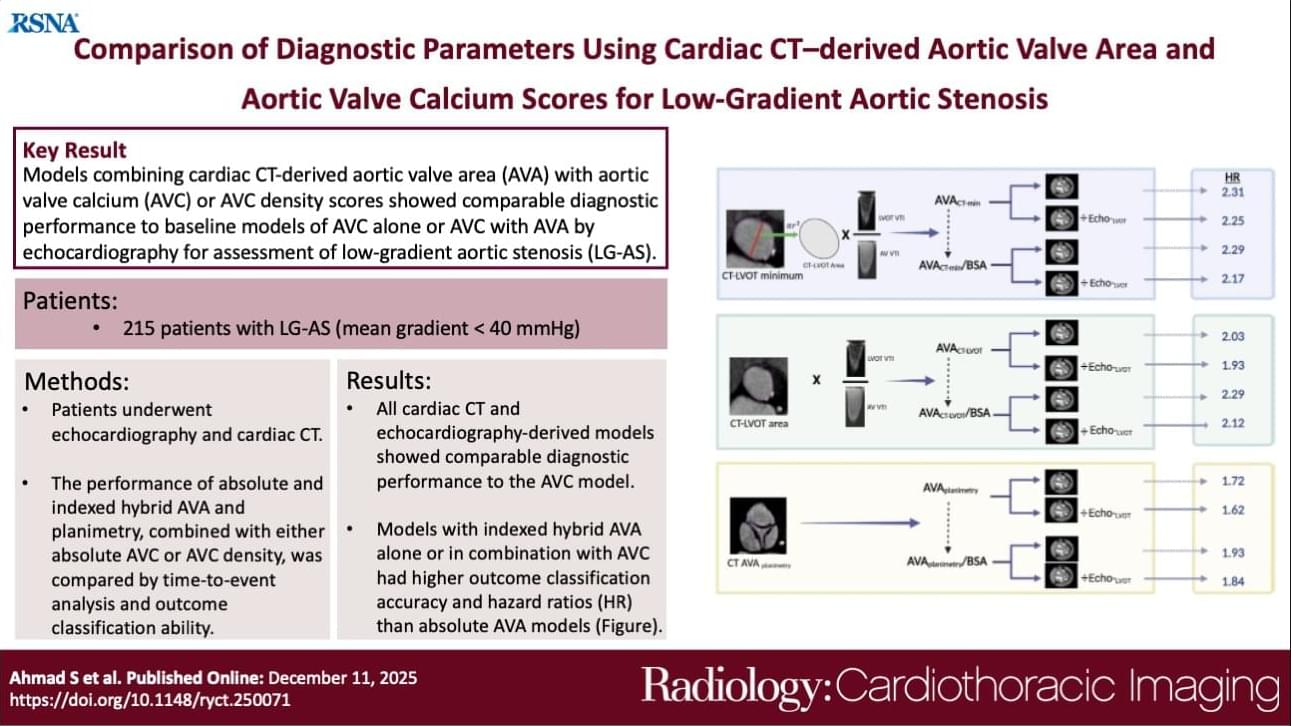
Comparing performance of cardiac CT–derived hybrid aortic valve area and planimetry, in combination with aortic valve calciumor AVC density, for assessing low-gradient aortic stenosis.
To compare the performance of cardiac CT–derived hybrid aortic valve area (AVA) and planimetry, in combination with aortic valve calcium (AVC) or AVC density (AVCd), for assessing low-gradient aortic stenosis (LGAS).
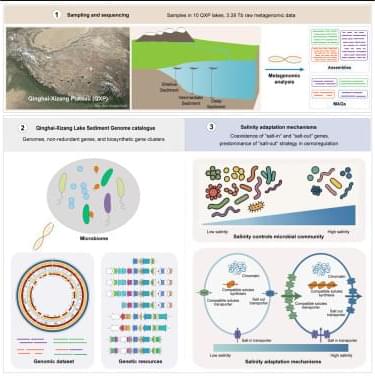
Zhang et al. construct a comprehensive microbial genome catalog from the Qinghai-Xizang Plateau lakes, with 80.78% of genomes representing previously undescribed taxa. Their research provides not only a holistic genomic resource for bioprospecting, but also suggests key salinity adaptation strategies, particularly the dominant role of glycine betaine uptake in hypersaline environments.
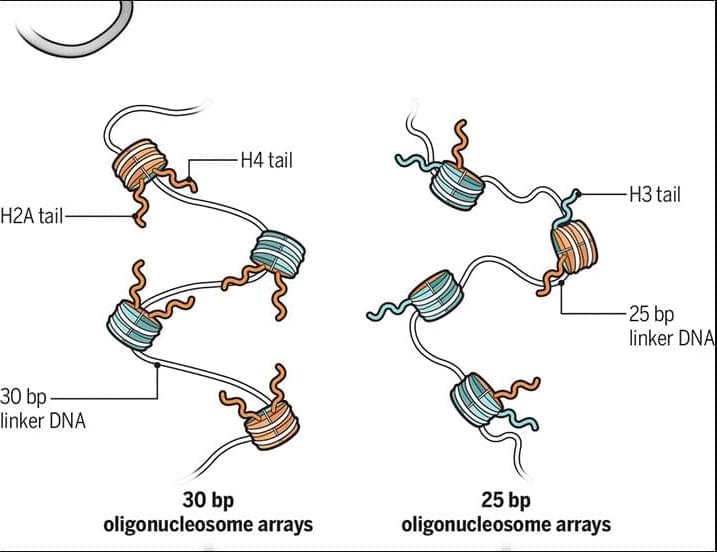
The DNA of eukaryotic organisms is packaged by histone proteins into chromatin. The structural organization of chromatin is tied to its function. Loosely packed, more transcriptionally active regions of chromatin are known as euchromatin, whereas highly condensed, less transcriptionally active regions are known as heterochromatin.
Despite advances in the study of chromatin structure over the past 100 years, a biochemical understanding of how basic structural motifs beget higher-order chromatin organization remains lacking.
In a new Science study, researchers present an approach that enables imaging and analysis of the structure of chromatin condensates in situ, which moves the field much closer toward defining the structural chromatin motifs that underpin its nuclear functions.
Learn more in a new Science Perspective.
Cryogenic electron tomography of condensed chromatin enables multiscale analysis of its structure.
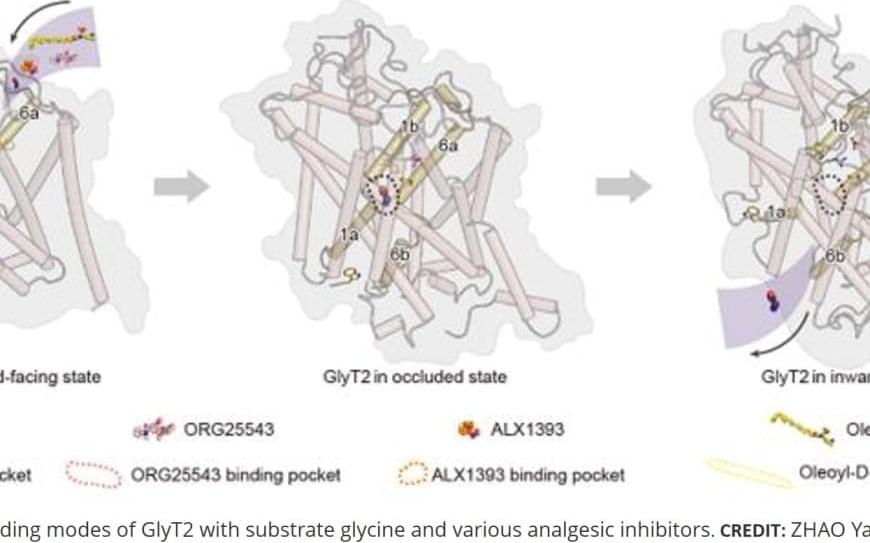
Glycine is a major inhibitory neurotransmitter that reduces nerve activity, helping to regulate pain signals, motor control and sensory processing. Glycine transporter 2 (GlyT2) is a key regulator of glycinergic neurotransmission because it removes glycine from the synaptic clefts. When GlyT2 is inhibited, glycine reuptake is reduced, allowing synaptic glycine levels to rise and enhance inhibitory signaling. Because of its ability to modulate glycinergic transmission, GlyT2 is an attractive therapeutic target for neuropathic pain. It is particularly attractive because it suggests new means of non-opioid pain management.
In a new study published in PNAS, researchers reported high-resolution cryo-EM structures of GlyT2 in three major conformational states. These structures illuminate the transporter’s molecular mechanisms and provide critical insights into how analgesic compounds are recognized.
The researchers identified a previously unknown third sodium-binding site (Na3) on GlyT2. Whereas other neurotransmitter transporters use two Na ⁺ ions and one Cl ⁻ ion, the additional binding site demonstrates that GlyT2 uses three Na ⁺ ions and one Cl ⁻ ion to transport glycine per cycle. This additional sodium ion supplies the extra energetic drive required for glycine transport and offers new understanding of Na ⁺ /Cl ⁻-coupled substrate binding and conformational changes, supporting GlyT2’s specialized physiological function.
The researchers also uncovered a distinctive allosteric binding pocket that accommodates lipid-based inhibitors such as oleoyl-D-lysine, a derivative of the endogenous lipid N-arachidonyl glycine. Structural and biochemical analyzes revealed features that determine the inhibitory potency of this class of lipid molecules, providing a foundation for rational design of improved lipid-based GlyT2 analgesics.
Additionally, the researchers resolved structures of GlyT2 bound to several small-molecule inhibitors, including ALX1393, opiranserin, and ORG25543. These structures reveal distinct competitive and allosteric inhibition mechanisms and identify key residues responsible for selectivity between GlyT1 and GlyT2.
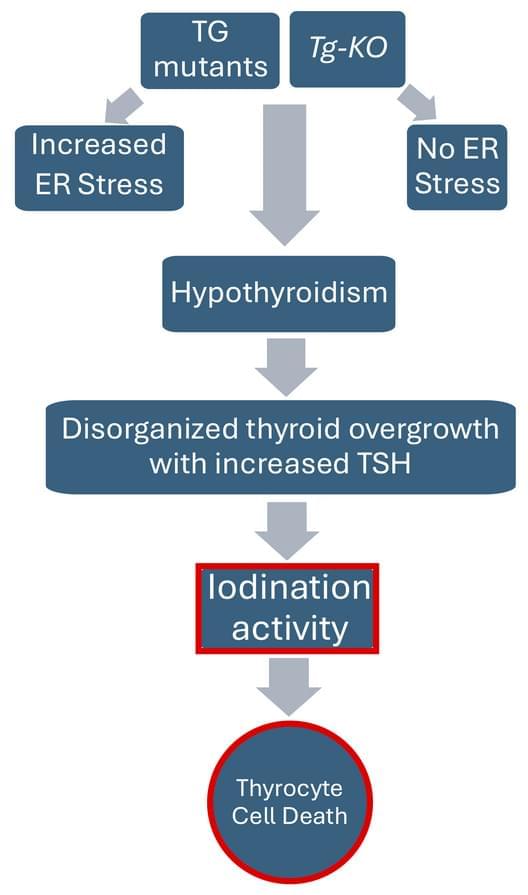
Here, Peter Arvan & team generate a mouse model lacking thyroglobulin, finding stimulated thyroid hormone synthesis machinery drives thyrocyte cell death independent of ER stress:
The figure shows limited ER diameter in thyroid tissue from Tg-KO untreated mice.
Address correspondence to: Peter Arvan, Division of Metabolism, Endocrinology & Diabetes, University of Michigan, Brehm Tower rm 5,112, 1000 Wall Street, Ann Arbor, Michigan 48,105, USA. Phone: 734.936.5505; Email: [email protected].