Stand by to start space mining – not on an asteroid, but aboard the International Space Station (ISS). Delivered to the station by an unmanned Dragon cargo ship on July 27, an experimental mining kit developed by a team led by the University of Edinburgh will use bacteria to study how microorganisms can be used to extract minerals and metals from rocks on asteroids, moons, and planets.
But that always looked like a tall order when faced with stiff competition from tech giants like Google, IBM, and Amazon, all happy to pour billions into AI research. Faced with that reality, OpenAI has undergone a significant metamorphosis in the last couple of years.
Musk stepped away last year, citing conflicts of interest as his electric car company Tesla invests in self-driving technology and disagreements over the direction of the organization. Earlier this year a for-profit arm was also spun off to enable OpenAI to raise investment in its effort to keep up.
A byzantine legal structure will supposedly bind the new company to the original mission of the nonprofit. OpenAI LP is controlled by OpenAI’s board and obligated to advance the nonprofit’s charter. Returns for investors are also capped at 100 times their stake, with any additional value going to the nonprofit, though that’s a highly ambitious target that needs to be hit before any limits on profiteering would kick in.
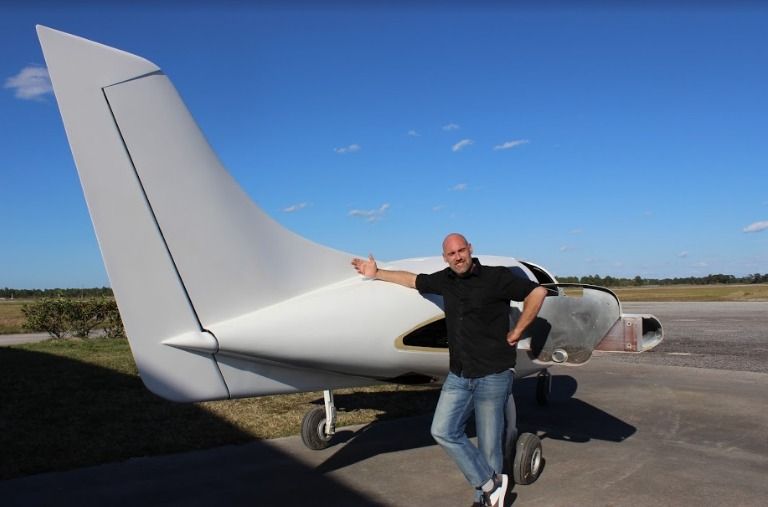
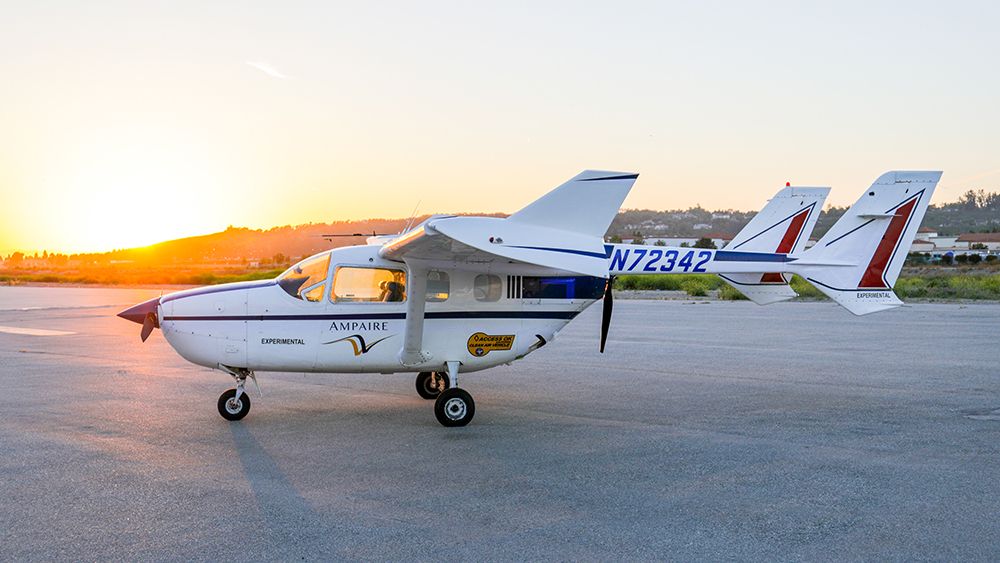
Group is set to build the world’s first plane made from and powered by HEMP. Not only the plane set to run on HEMPEARTH Hemp Jet A Bio Fuel, but it is set to be built almost entirely from HEMP. Everything from the seats, the wings, the plane walls and even the pillows are set to contain hemp.
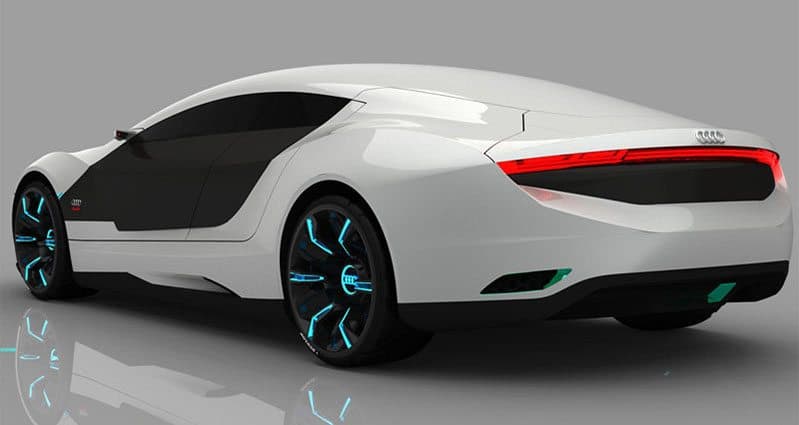
Imagine an amazing sports car that could repair itself from damage and automatically change color! Well that’s exactly what Spanish designer Daniel Garcia was thinking of when he created this awesome concept design for the Audi A9. He got some inspiration for this particular design from Santiago Calatrava’s buildings in his hometown of Valencia. Calatrava’s architectural style looks very modern and futuristic, which is exactly what we would describe this car to look like. The windscreen and roof are to be made from a nanotechnology material that can auto-repair and adjust colors. This material isn’t even something that exists right now, so will it be a long time before we actually get to see something like this in action? The idea of it sounds awesome though, right?!
Now, it seems this nascent industry’s time has come. A growing demand for batteries to power electric cars and to store wind and solar energy has driven up the cost of many rare-earth metals and bolstered the business case for sea-bed mining. What’s more, the industry’s long-awaited regulations — in the form of a mining code — are due to be finalized by 2020, putting in place a process whereby contractors can apply for 30-year licences to mine assigned ‘claim areas’ in parts of the international sea bed such as the CCZ. Already, miners are exploring the potential wealth of these claim areas, but no commercial extraction will begin until the regulations are in place. Investments in this industry are now growing.
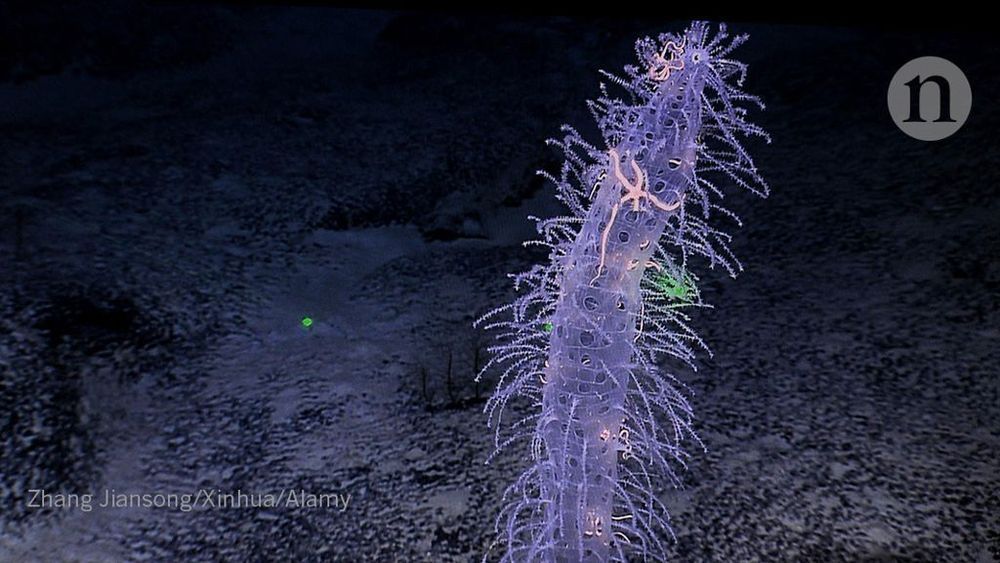
Plans are advancing to harvest precious ores from the ocean floor, but scientists say that companies have not tested them enough to avoid devastating damage.
SpaceX has come a long way. After being shocked by the absence of NASA’s concrete plans for a manned mission to Mars in the early 2000s, Elon Musk, the well-known entrepreneur and engineer, founded SpaceX in order to establish affordable access to space.
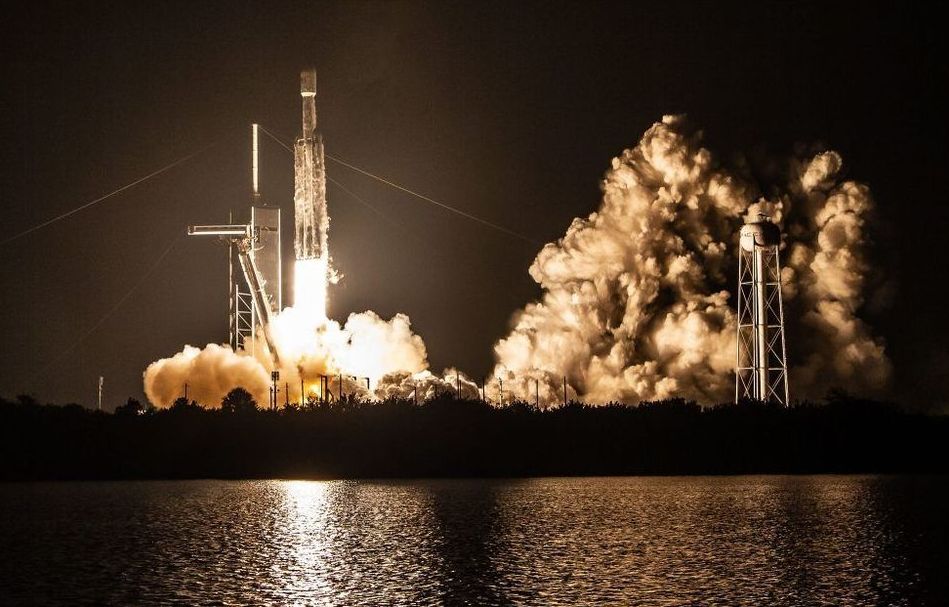
After spending a couple of years on designing, building and testing the first privately developed orbital rockets, the fourth launch of the Falcon 1 rocket into orbit was successful, marking the dawn of private space transportation. With its proven capabilities, SpaceX was awarded a substantial contract from NASA for supply missions to the International Space Station, providing the funding for a rapid development of new launch vehicles.
Tesla is working on several significant manufacturing improvements for the Model Y production program and it includes building a giant new casting machine to produce a big part of the Model Y frame in one single piece.
We have been reporting on how Tesla plans to simplify the design of its future vehicle platforms and achieve greater automation in the manufacturing process.
Making a replicator from this could make something that could create almost anything :3.
The first type of molecule that ever formed in the universe has been detected in space for the first time, after decades of searching. Scientists discovered its signature in our own galaxy using the world’s largest airborne observatory, NASA’s Stratospheric Observatory for Infrared Astronomy, or SOFIA, as the aircraft flew high above the Earth’s surface and pointed its sensitive instruments out into the cosmos.
When the universe was still very young, only a few kinds of atoms existed. Scientists believe that around 100,000 years after the big bang, helium and hydrogen combined to make a molecule called helium hydride for the first time. Helium hydride should be present in some parts of the modern universe, but it has never been detected in space — until now.
SOFIA found modern helium hydride in a planetary nebula, a remnant of what was once a Sun-like star. Located 3,000 light-years away near the constellation Cygnus, this planetary nebula, called NGC 7027, has conditions that allow this mystery molecule to form. The discovery serves as proof that helium hydride can, in fact, exist in space. This confirms a key part of our basic understanding of the chemistry of the early universe and how it evolved over billions of years into the complex chemistry of today. The results are published in this week’s issue of Nature.