New innovation can increase the photovoltaic effect of ferroelectric crystals in solar cells by a factor of 1,000.
Many people believe Australia’s shift to electric vehicles is stuck in the slow lane – another strollout, rather than a rollout. But while federal policies are still lacklustre, most Australians themselves are ready for the shift, according to our recent research.
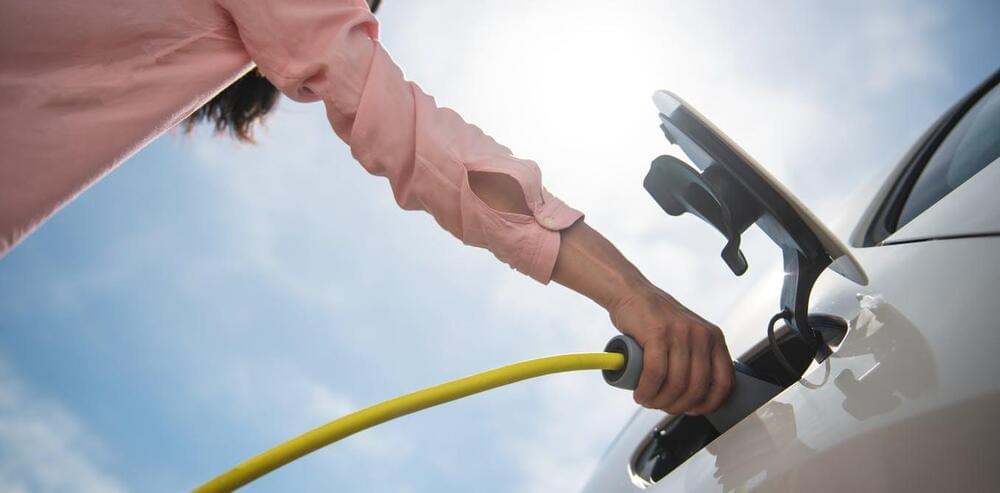
We found most car-owning households will be able to charge their cars in their garage or driveway. Electric vehicles are also getting more attractive as purchase costs fall and battery range rises.
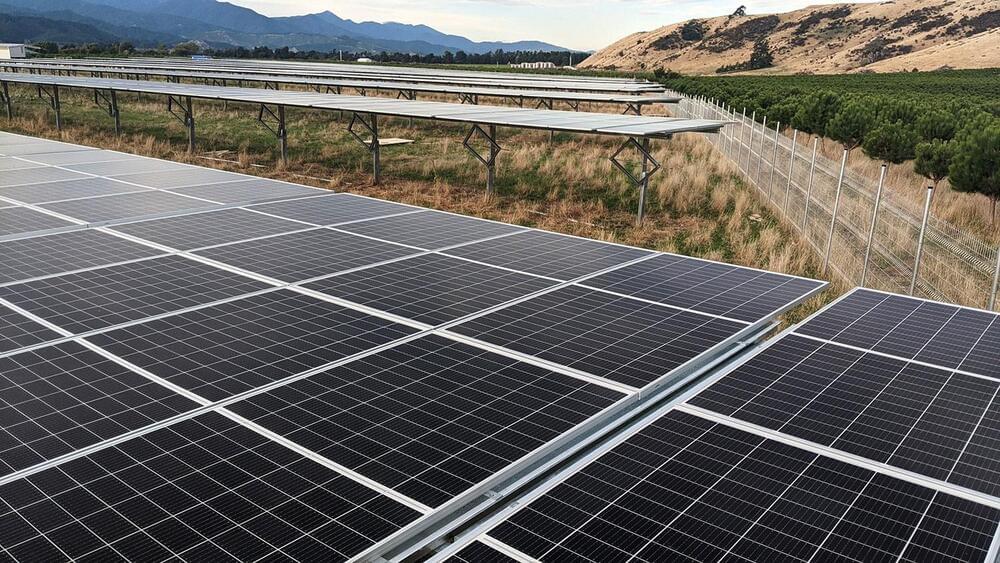
Australia’s world-beating solar uptake is another plus. Many of our three million solar households would be able to effectively charge their cars for free at daytime.
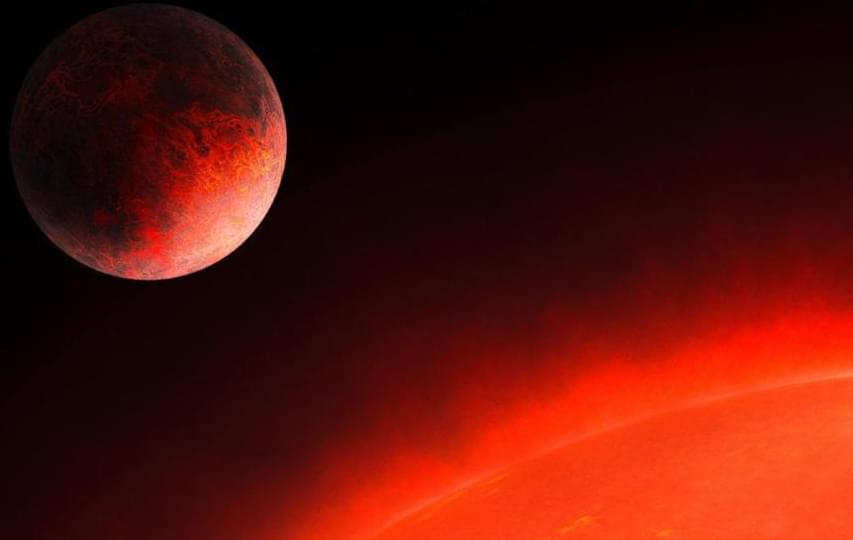
An international team of astronomers using NASA’s Transiting Exoplanet Survey Satellite (TESS) has detected a rocky planet, about half the mass of Earth, in an extraordinarily short 7.7-hour orbit around its parent star.
It’s a reminder that the science of extrasolar planet hunting seems to enter bizarro land with each new discovery. Planetary scientists still haven’t figured out how our own tiny Mercury — which orbits our Sun once every 88 days — actually formed and evolved. So, this iron-rich ultrashort-period (USP) planet, dubbed GJ 367b should really boggle their minds.
It’s completely rocky, unlike most previously detected gaseous hot Jupiters on extremely short stellar orbits. As a result, the tiny planet is estimated to have a surface with temperatures of 1,500 degrees Celsius, hot enough to melt iron; hardly an Earth 2.0.

Let me back up a moment. I recently concurred with megapundit Steven Pinker that over the last two centuries we have achieved material, moral and intellectual progress, which should give us hope that we can achieve still more. I expected, and have gotten, pushback. Pessimists argue that our progress will prove to be ephemeral; that we will inevitably succumb to our own nastiness and stupidity and destroy ourselves.
Maybe, maybe not. Just for the sake of argument, let’s say that within the next century or two we solve our biggest problems, including tyranny, injustice, poverty, pandemics, climate change and war. Let’s say we create a world in which we can do pretty much anything we choose. Many will pursue pleasure, finding ever more exciting ways to enjoy themselves. Others may seek spiritual enlightenment or devote themselves to artistic expression.
No matter what our descendants choose to do, some will surely keep investigating the universe and everything in it, including us. How long can the quest for knowledge continue? Not long, I argued 25 years ago this month in The End of Science, which contends that particle physics, cosmology, neuroscience and other fields are bumping into fundamental limits. I still think I’m right, but I could be wrong. Below I describe the views of three physicists—Freeman Dyson, Roger Penrose and David Deutsch—who hold that knowledge seeking can continue for a long, long time, and possibly forever, even in the face of the heat death of the universe.

Summary: Changes in human sex ratio at birth are associated with the presence of air and water pollution, a new study reports.
Source: PLOS
Changes in the human sex ratio at birth—defined as the percentage of newborns that are boys—are associated with the presence of air and water pollutants, but are not predictably associated with seasonality or weather, according to a new study of more than 6 million births in the US and Sweden.
😀
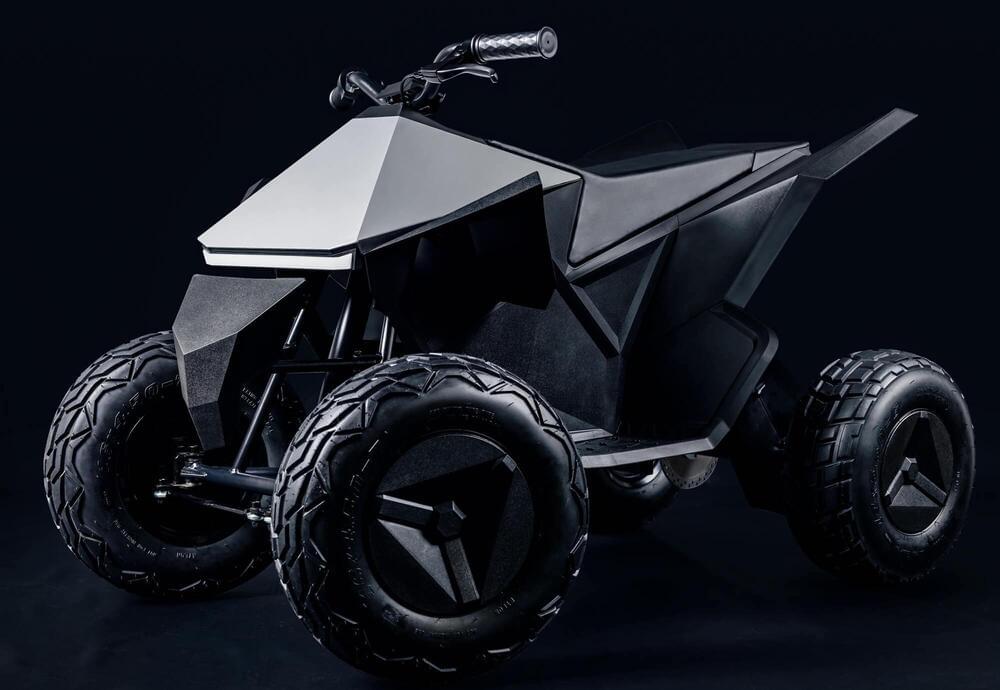
Tesla hasn’t yet shipped the Cybertruck, or the full-size Cyberquad that made a splashy debut at the introduction of its Blade Runner-esque pickup truck, but you can get a mini Cyberquad designed for the kiddos starting in 2–4 weeks if you order one right now from its website.
The Tesla “Cyberquad for Kids” is available to purchase on Tesla’s site for $1,900 — a steep price relative to your average Power Wheels, but the lowest-priced vehicle in Tesla’s existing lineup by far. And the Cyberquad’s materials are a cut above your average battery electric kid car, with a “full steel frame,” along with cushioned seating and fully adjustable suspension.
It may be the cheapest Tesla you can buy, but it’s also the most limited when it comes to range: You’ll get up to around 15 miles on a full charge, which takes five hours, according to the company. It’s also not going to break any land speed records, with a speedometer that tops out at 10 mph (which you can limit to a max of 5 mph for safety, if desired). That’s still plenty fast for a kid’s ride-on vehicle, which is probably why Tesla labels this one as designed for kids at least 8 and up, with a max weight of 150 lbs.
And you won’t need an FAA pilot’s license to fly it either, since Opener’s Blackfly is certified as an ultralight aircraft.
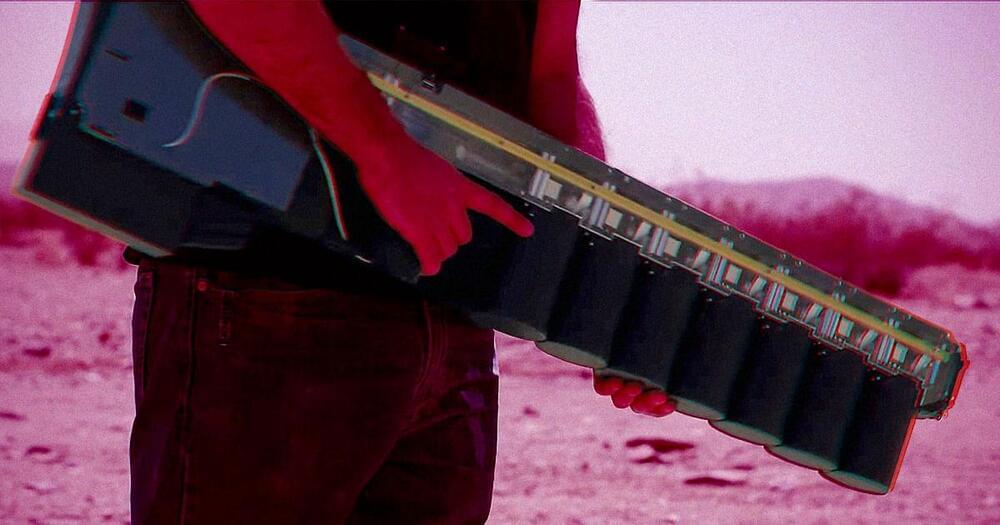
With Gauss Rifles [military squads] could pitch a solar panel, charge their guns’ batteries, and fire nuts and bolts off the ground as ammunition.
“You can hold far more energy in batteries than you can with gunpowder,” Wirth told Futurism. And a battery eliminates the need for “explosive chemical propellants.”
But it’s an entirely new type of armament that could have some potentially dangerous consequences, opening the doors to turn anything from metal rods to nuts and bolts into deadly projectiles. And its creators are already imagining military applications.
“Imagine a scenario where a military squad is pinned down behind enemy lines and they’re out of ammunition,” Wirth told us. “With Gauss Rifles they could pitch a solar panel, charge their guns’ batteries, and fire nuts and bolts off the ground as ammunition.”
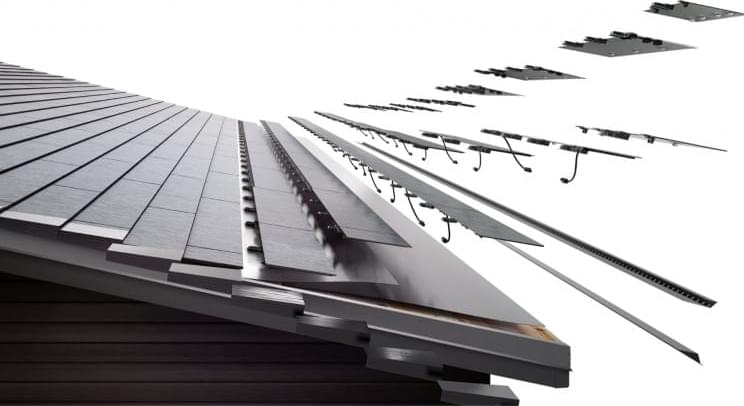
In yet another bid to push forward its solar business, electric vehicle maker Tesla has launched a new solar roof tile that has a higher power output while retaining the dimensions of the old one.
Tesla entered the clean energy business when it acquired SolarCity for $2.6 billion in 2016. It makes switching to solar energy sleeker by replacing regular roof tiles with energy-generating solar roof tiles, instead of having to install bulky solar panels. Tesla offers a 25-year warranty on the tiles and takes end-to-end responsibility for installing the new solar roof.
However, the company has so far struggled to make its product mainstream due to fluctuations in pricing, Electrek reported. With variations across house designs, Tesla has found it difficult to create a streamlined product and even introduced a roof-complexity factor, earlier this year to determine cost estimates.