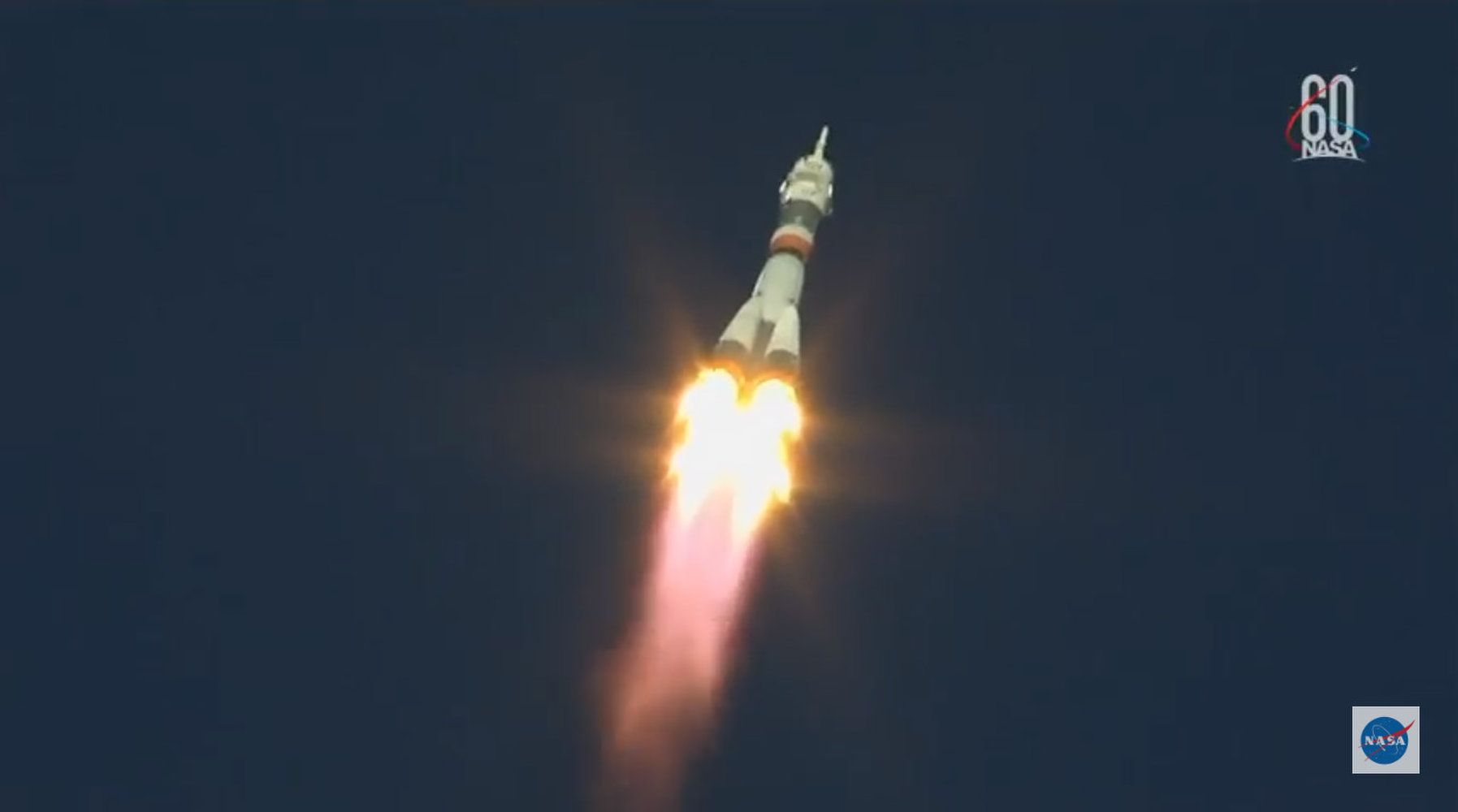
Aleksey Ovchinin and Nick Hague were scheduled to launch to the International Space Station on Oct. 11, 2018.
Category: space – Page 1,084
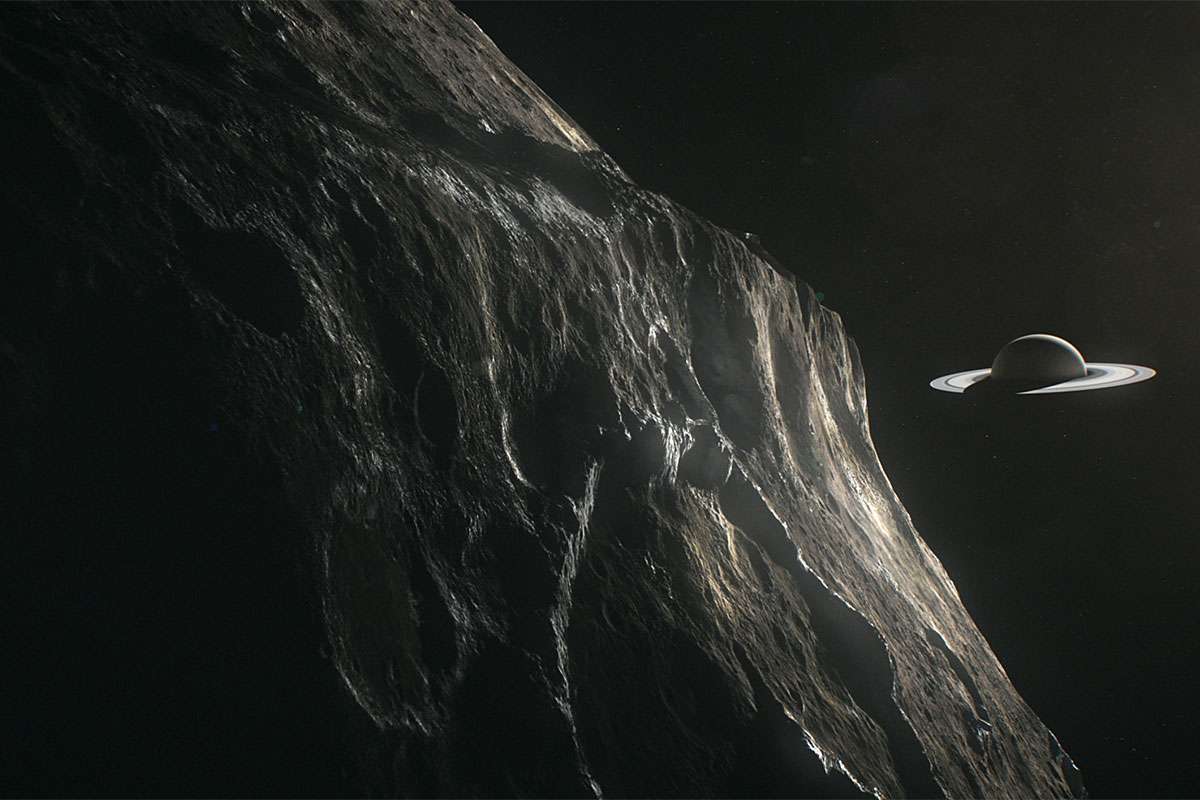
Moons can have moons and they are called moonmoons
If a moon is big enough and far enough from its planet, it can host its own smaller moon, called a ‘moonmoon’ — and four worlds in our solar system fit the bill.
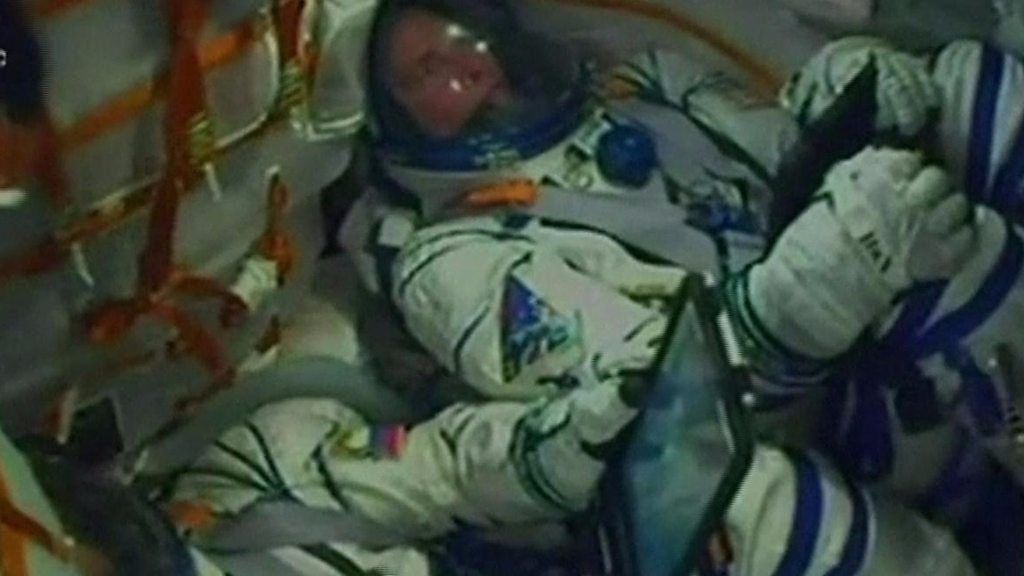
Astronauts escape malfunctioning rocket
A Russian Soyuz rocket malfunctioned during lift-off to the International Space Station.
World Sections
- Africa
- Asia
- Australia
- Europe selected
- Latin America
- Middle East
- US & Canada
- Home
- UK
.

Why Futurism Has a Cultural Blindspot
In early 1999, during the halftime of a University of Washington basketball game, a time capsule from 1927 was opened. Among the contents of this portal to the past were some yellowing newspapers, a Mercury dime, a student handbook, and a building permit. The crowd promptly erupted into boos. One student declared the items “dumb.”
Such disappointment in time capsules seems to run endemic, suggests William E. Jarvis in his book Time Capsules: A Cultural History. A headline from The Onion, he notes, sums it up: “Newly unearthed time capsule just full of useless old crap.” Time capsules, after all, exude a kind of pathos: They show us that the future was not quite as advanced as we thought it would be, nor did it come as quickly. The past, meanwhile, turns out to not be as radically distinct as we thought.
In his book Predicting the Future, Nicholas Rescher writes that “we incline to view the future through a telescope, as it were, thereby magnifying and bringing nearer what we can manage to see.” So too do we view the past through the other end of the telescope, making things look farther away than they actually were, or losing sight of some things altogether.
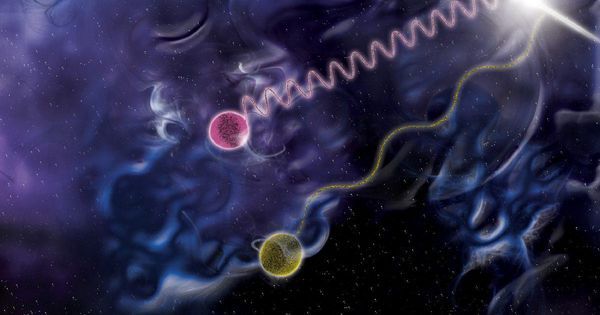
The Universe Has A Speed Limit, And It Isn’t The Speed Of Light
Nothing can go faster than the speed of light in a vacuum. But particles in our Universe can’t even go that fast.
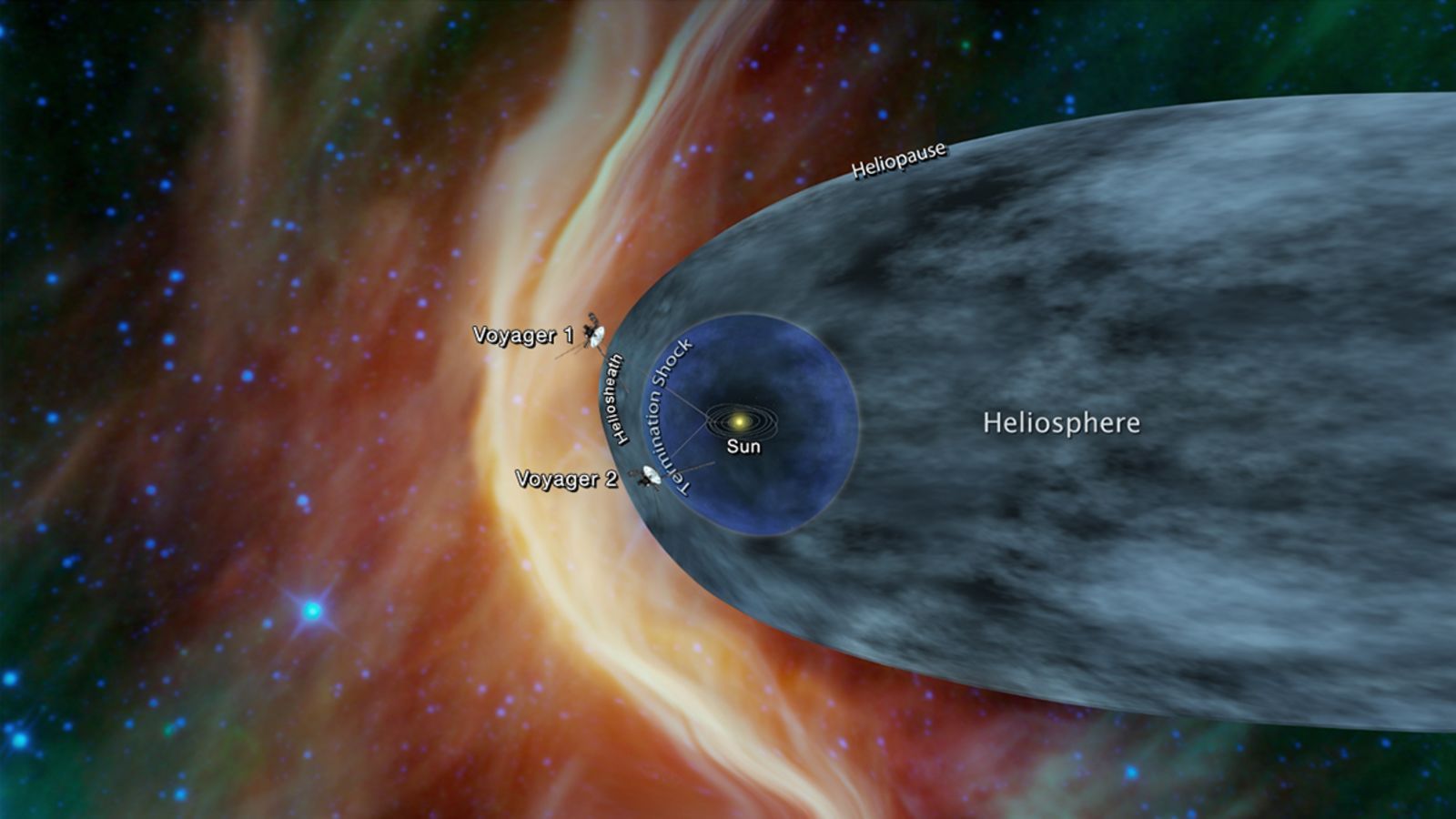
Voyager 2 Detects Hints That Interstellar Space Is Nearby
Six years ago, the Voyager 1 spacecraft informed scientists that it had become the first man-made object to enter interstellar space. Now, Voyager 2 has begun to return signs that its own exit from the Solar System could be coming soon.
Two of Voyager 2’s instruments have measured an increase in the number of high-energy particles called cosmic rays hitting the spacecraft, according to a NASA release. Scientists think that the heliosphere, the region of particles and magnetic fields under the Sun’s influence, blocks some cosmic rays. An increase in their rate means that the probe could be nearing the heliopause, the heliosphere’s outer boundary.
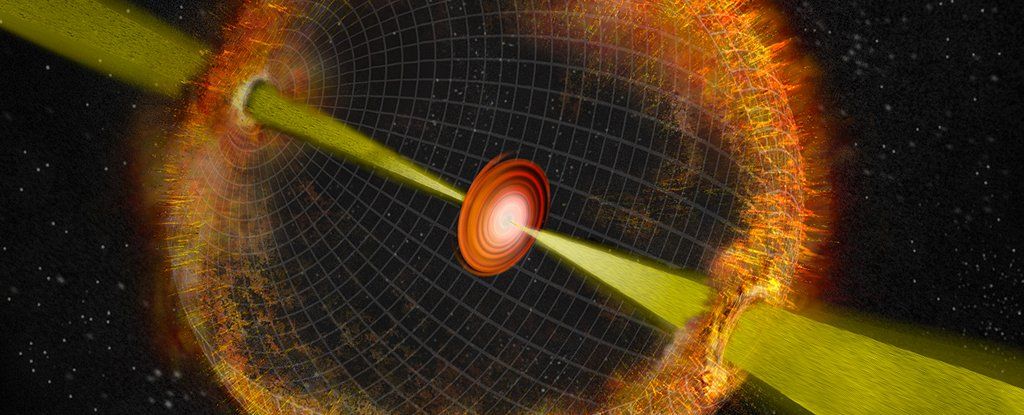
Astronomers Are Getting Excited Over Ghostly Traces of a Massive Cosmic Explosion
A comparison of surveys taken of the sky years apart has revealed an empty space where a star 280 million light years away once sat.
Coded FIRST J1419+3940, records of the object hint at what would have been a violent death. Curiously, no trace of its final explosive moments can be found – but this ghostly silence has only made astronomers all the more excited.
“We compared images from old maps of the sky and found one radio source that was no longer visible today in the Very Large Array Sky Survey (VLASS),” says astronomer Casey Law from the University of California, Berkeley.

The space race on steroids: Fight to get off Earth is more competitive than ever
Billionaires and political leaders are vying to land on the Moon, colonize Mars or mine asteroids.
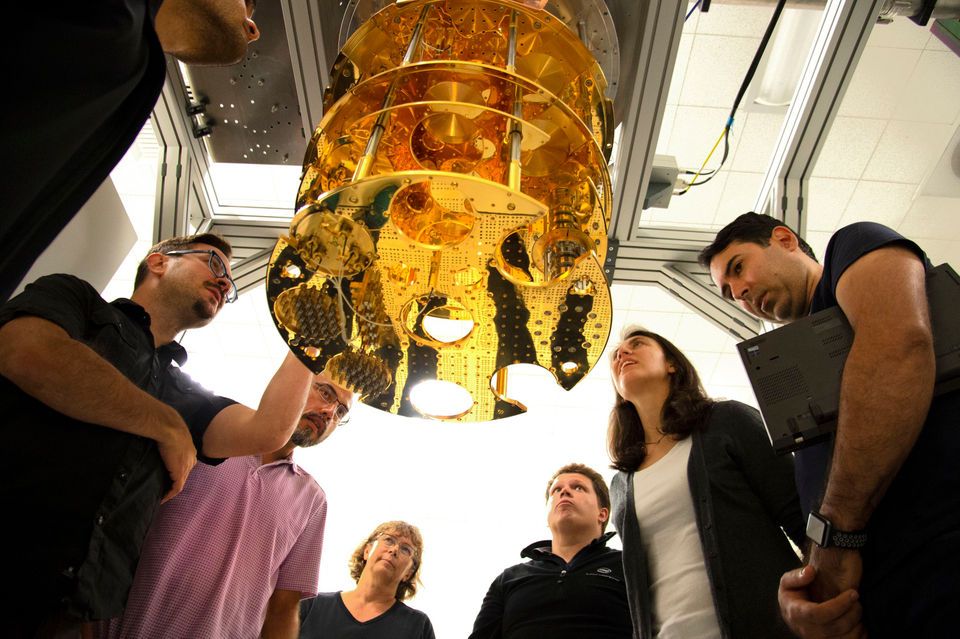
Intel plots a weird, spooky future in quantum computing
There, engineers are doing something strange. They’re freezing computer chips to 460 degrees Fahrenheit below zero, colder than deep space, to simulate the quantum structure of the universe.
At such extreme temperatures these remarkable chips, called qubits, enable scientists to peer into the complex, uncertain interaction of particles at the atomic level — an unseen world in which seemingly contradictory results can exist simultaneously, a place where simply observing an interaction can change it. Or wreck it altogether.
“Quantum — it’s something weird,” said Mike Mayberry, Intel’s chief technology officer and general manager of Intel Labs.

These Photos of Asteroid Ryugu from the Successful MASCOT Landing Are Amazing
Before the MASCOT lander spent 17 hours studying the asteroid Ryugu, the spacecraft captured some incredible photographs.