China took back a coveted computing crown from the United States on Tuesday, ratcheting up a fierce technological competition that has implications for science, national security and geopolitics.
LineShine, a massive computing system in Shenzhen, China, was declared the world’s fastest by a group of researchers using a set of standard tests for supercomputers. Besides raw speed, the system stood out because it uses only standard microprocessors and not the special-purpose chips called graphics processing units, which most high-end supercomputers rely on for heavy number crunching.
That underlying design could point to a better way to blend artificial intelligence with traditional scientific tasks, said Jack Dongarra, an organizer of the so-called Top500 list of the world’s most powerful supercomputers.
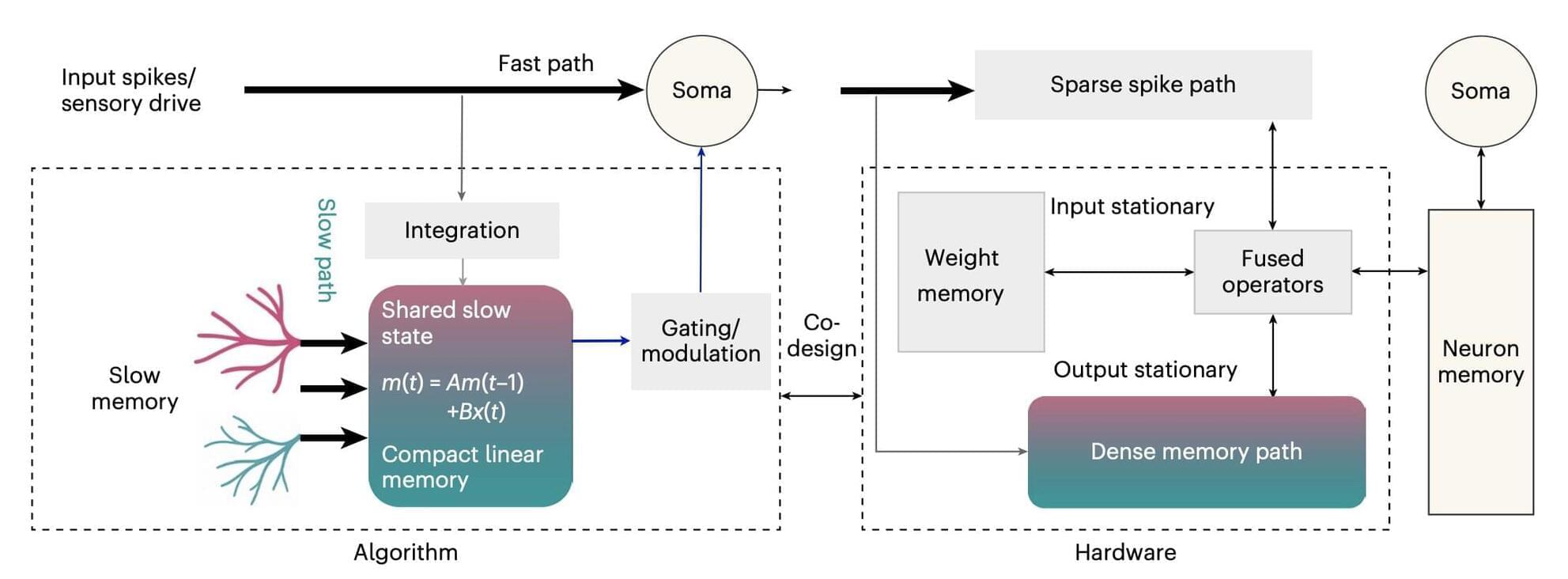
Spiking neural networks (SNNs) are artificial intelligence (AI) models inspired by how biological neurons communicate with each other. While biological neurons exchange information in the form of electrical impulses, SNNs rely on brief signals known as spikes.
SNNs have proved promising for reducing power consumption, as developers can ensure they do not process information continuously, but rather only when meaningful changes occur. This could be highly advantageous, as current AI systems are known to consume large amounts of energy.
While some SNNs introduced in the past achieved encouraging results, they typically struggle to retain useful information (i.e., context) for long periods. This was found to be particularly challenging when the models have only a limited amount of data storage available or are operating under energy constraints.
For decades, researchers have been trying to understand the biological roots of autism spectrum disorder (ASD), a common neurodevelopmental condition that shapes how people communicate, learn and interact with the world. One of the major hurdles is that the brain’s neural networks are extraordinarily complex. Existing models still lack the detail needed to capture both the brain’s structure and its dynamic activity in a unified manner.
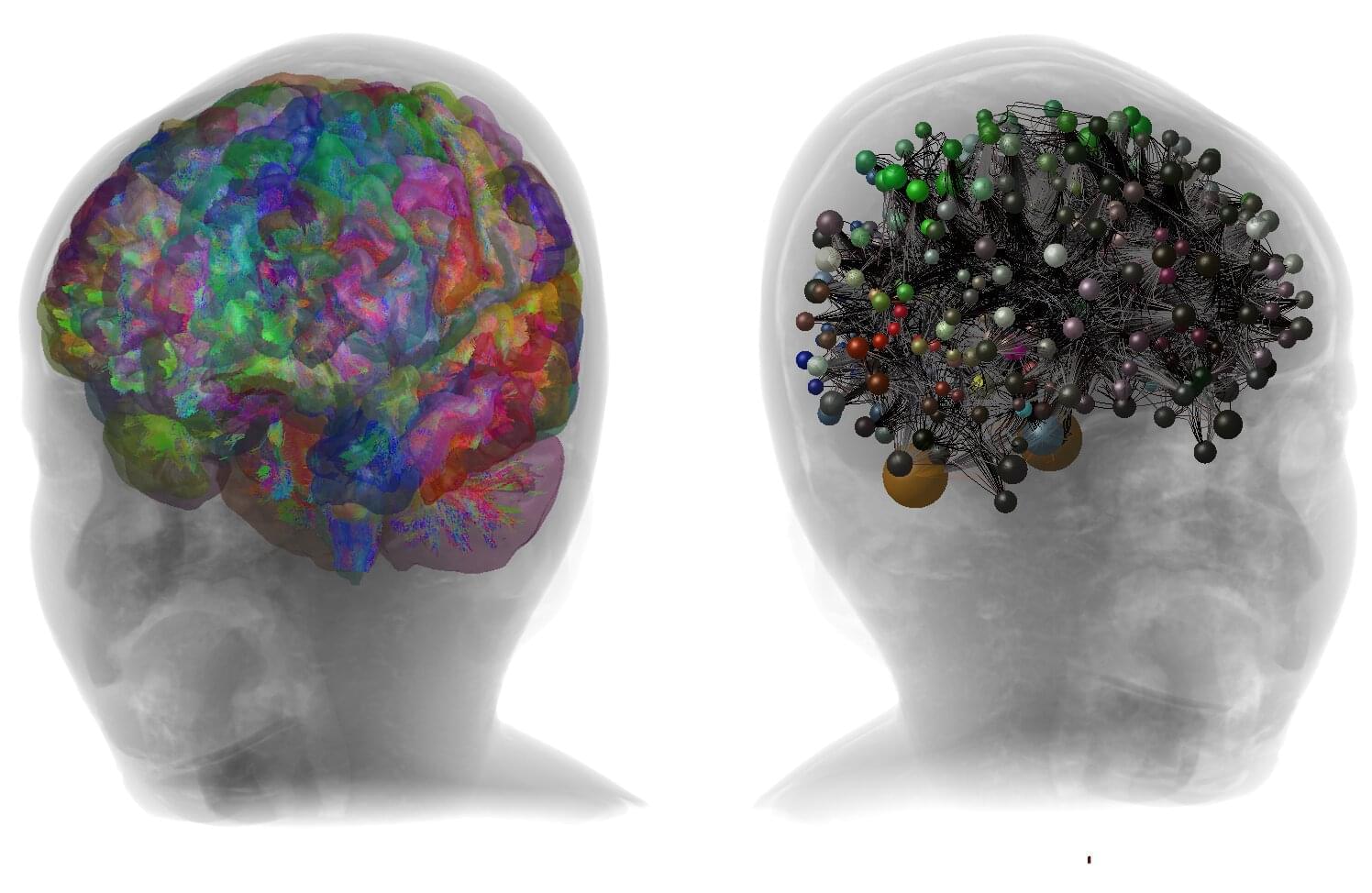
In a recent study published in PLOS Digital Health, researchers created a new system called FEDE (high FidElity Digital brain modEl) that builds a digital twin, a detailed computer replica or virtual copy of a real-world object. In this study, it was a virtual copy of the brain of a 2-year-old child with ASD.
To build FEDE, researchers combined maps of the child’s brain structure obtained using MRI with mathematical modeling to create a digital brain that can simulate both how the brain is built and how it functions.
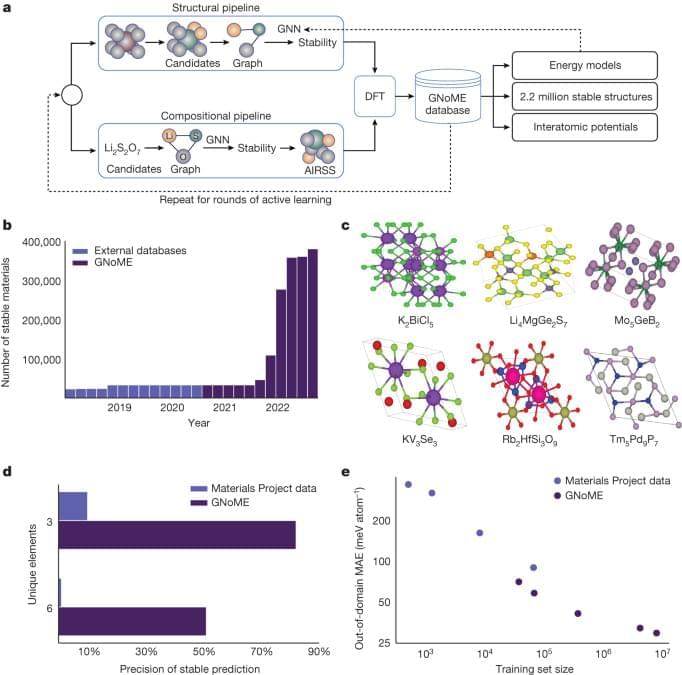
A protocol using large-scale training of graph networks enables high-throughput discovery of novel stable structures and led to the identification of 2.2 million crystal structures, of which 381,000 are newly discovered stable materials.
A high-stakes clash between the US government and Anthropic over autonomous cybersecurity capabilities has triggered a sudden global shutdown of advanced AI models.
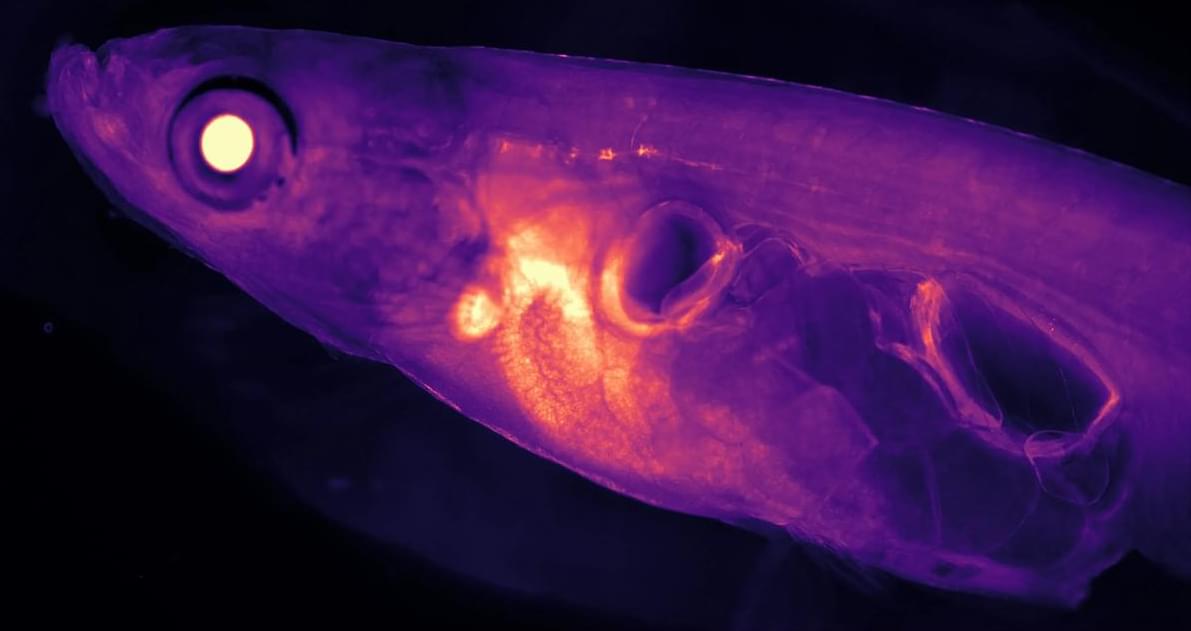
Wow, this is an interesting turn of events: Janelia launching a 10-year $1B effort to study the Danionella fish as a model organism for understanding the nervous system. (Note: this is different from zebrafish). I’m intrigued by the direction, but I also feel for those researchers at Janelia who had the rug pulled out from under them. It’s a tricky situation.
The Janelia Research Campus is launching two new projects: whole-brain imaging of a transparent fish called Danionella and an “AI-in-the-loop” tool to help parse all the imaging data, the facility announced last week.
As part of the change, Janelia is also shuttering two programs and plans to phase out projects that use rodent models, The Transmitter has learned. Janelia is funded by the Howard Hughes Medical Institute (HHMI), a private nonprofit biomedical research institution.
Investigators who run rodent labs have roughly three years to wrap up their projects and find new positions, and Janelia plans to provide each researcher with an additional $1 million in transition funding, says Gerald Rubin, head of biology and senior group leader at Janelia. The move does not affect external research funded by the HHMI, including the HHMI Investigators and Hanna H. Gray Fellows programs, Rubin adds.
Michael Levin is a developmental and synthetic biologist at Tufts University whose work sits at the intersection of biology, bioelectricity, artificial life, regenerative medicine, synthetic biology, computer science, cognitive science, and philosophy of mind. He is known for his research on how cells communicate, make decisions, build bodies, repair tissues, and form collective intelligence through bioelectric signals. His work on Xenobots and Anthrobots has opened new questions about living robots, synthetic life forms, biological machines, morphogenesis, basal cognition, cellular intelligence, regeneration, cancer, aging, and the nature of mind beyond the brain.
In this conversation, Michael Levin and I explore whether mind and intelligence are binary or exist on a continuum, why cognition may be much older than brains, and how systems from cells to humans can pursue goals in different ways. We discuss the TAME framework, the spectrum of persuadability, cognitive light cones, bioelectricity, gap junctions, multicellular intelligence, Xenobots, Anthrobots, kinematic self-replication, neural wound healing, emergence, physicalism, mathematics, Platonic space, algorithms, bubble sort, Turing machines, evolution, human creativity, artificial intelligence, regenerative medicine, and the future of biology. This episode is for anyone interested in philosophy, consciousness, mind, intelligence, synthetic biology, developmental biology, AI, complex systems, evolution, and the deeper question of what it means for matter to become alive, intelligent, or aware.
If you enjoyed the episode, please consider leaving a like, subscribing, and leaving a review on Youtube, Spotify and Apple. #philosophy #science.
Socials: Spotify: https://open.spotify.com/show/46hnFSg… Podcasts: https://podcasts.apple.com/us/podcast… Linkedin: / masud-gaziyev Instagram (public): / philosophy.everyday Instagram (private): / masud.gaziyev Support the work: https://buymeacoffee.com/philosophy.e… Get new episodes, guest announcements, reading notes, and ideas worth thinking about. Subscribe here: https://philosophyeveryday.beehiiv.com/ Chapters: 00:00 Mind Beyond the Brain 01:19 Is Mind Older Than the Brain? 04:06 Why Intelligence Is Not All-or-Nothing 06:58 How to Interact With Different Kinds of Minds 09:54 From Single Cells to Collective Intelligence 13:17 How Cells Build Bigger Goals 16:05 Life Recreated — Xenobots and Anthrobots 18:54 Where Do New Behaviours Come From? 21:57 Synthetic Life and the Limits of Evolution 35:01 What Happens When Biology Is Freed? 43:00 Why Biology Eventually Leads to Mathematics 46:07 Is “Emergence” Just a Fancy Word for Surprise? 53:11 Platonic Space: A Strange New Map of Reality 01:03:21 What We Received from Platonic Space 01:11:24 Human Evolution, Technology, and the Patterns Behind Progress 01:16:43 Regeneration, Cancer, and Aging. Apple Podcasts: https://podcasts.apple.com/us/podcast… Linkedin: / masud-gaziyev. Instagram (public): / philosophy.everyday. Instagram (private): / masud.gaziyev. Support the work: https://buymeacoffee.com/philosophy.e…
Get new episodes, guest announcements, reading notes, and ideas worth thinking about.
In 2012, I sat down with Dr. James Hughes, bioethicist, sociologist, and executive director of the Institute for Ethics and Emerging Technologies.
Fourteen years later, the questions we wrestled with have only sharpened.
Why are transhumanist atheists so often drawn to Buddhism? Is optimism rational, or just a posture we adopt to keep moving? What does it mean to redesign the human being, and which democratic institutions are ready to respond when we do?
James does not flinch from any of it. He talks about his first book Citizen Cyborg, the then forthcoming Cyborg Buddha, moral enhancement, animal uplift, and what our actual chances are of surviving the technological singularity.
What struck me most was his refusal to retreat into easy camps.
Not a cheerleader, not a doomsayer. Someone who interrogates the world and engages it on its own terms.