The Pentagon tested an autonomous drone swarm in October.

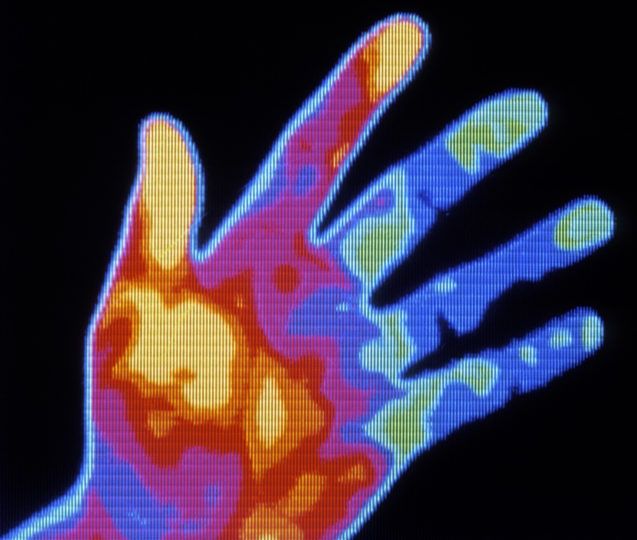
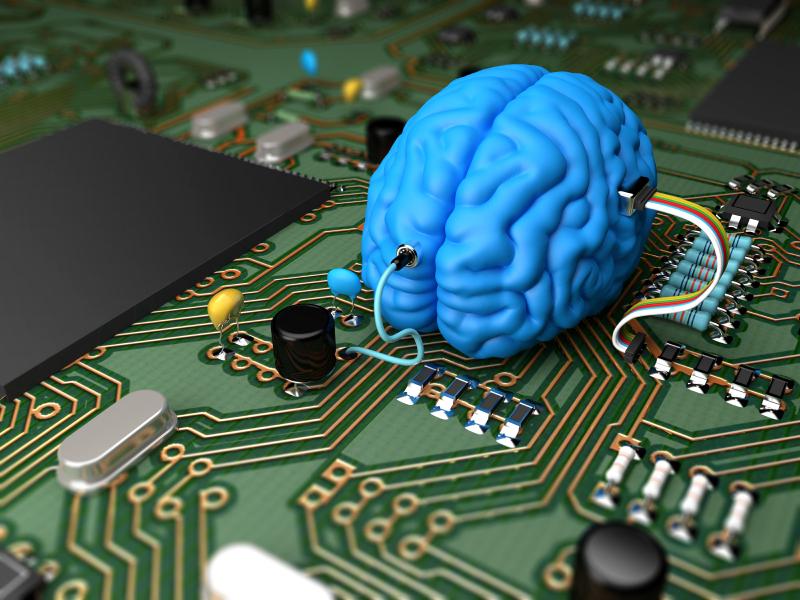
Researchers at MIT’s Computer Science and Artificial Intelligence Laboratory have developed a new computational model of a neural circuit in the brain, which could shed light on the biological role of inhibitory neurons — neurons that keep other neurons from firing.
The model describes a neural circuit consisting of an array of input neurons and an equivalent number of output neurons. The circuit performs what neuroscientists call a “winner-take-all” operation, in which signals from multiple input neurons induce a signal in just one output neuron.
Using the tools of theoretical computer science, the researchers prove that, within the context of their model, a certain configuration of inhibitory neurons provides the most efficient means of enacting a winner-take-all operation. Because the model makes empirical predictions about the behavior of inhibitory neurons in the brain, it offers a good example of the way in which computational analysis could aid neuroscience.
In Brief
There’s a new way to make stock market predictions. One company, Numerai, is synthesizing machine intelligence to command the capital of an American hedge fund.
The team outlines the focus of their work, asserting that they take the most accurate and original machine learning models from the world’s best data scientists and synthesize them into “a collective artificial intelligence.” This AI controls the capital in Numerai’s hedge fund.
Cannot wait to see the day that when we think of tech companies that we think of Microbio, or Applgen, AlphaBio, etc. When Bio/ Medical is so intertwine with tech that the need for devices are the past; is a great day for me.
A new kind of tiny robot that can heal cancer.
The article does bring up many of the same points that many have raised with self driving cars; and folks still don’t seem to understand that we have thousands if not millions of laws in the US alone that must be reviewed and possibly changed to address this technology on the roads. When you look at every state, each county, and each town or city’s laws around driving on their roads; it could be a long and painful period for companies and consumers before the legal side of things catch up.
Self-driving car technology is not yet ready for prime time. Driver assist is.
The Legal challenges and potential liability are immense.
How to play the hype.
Currently, self-driving cars are the rage in technology circles. We do believe that, in certain environments, they could work well (such as closed-loop environments, i.e., a mining operation or a shuttle service on a closed track at an airport). But like other fads (Google glasses, nano tech, 3D TVs), we think self-driving cars will take more time to mature than many realize due to their inherent legal issues and safety concerns.

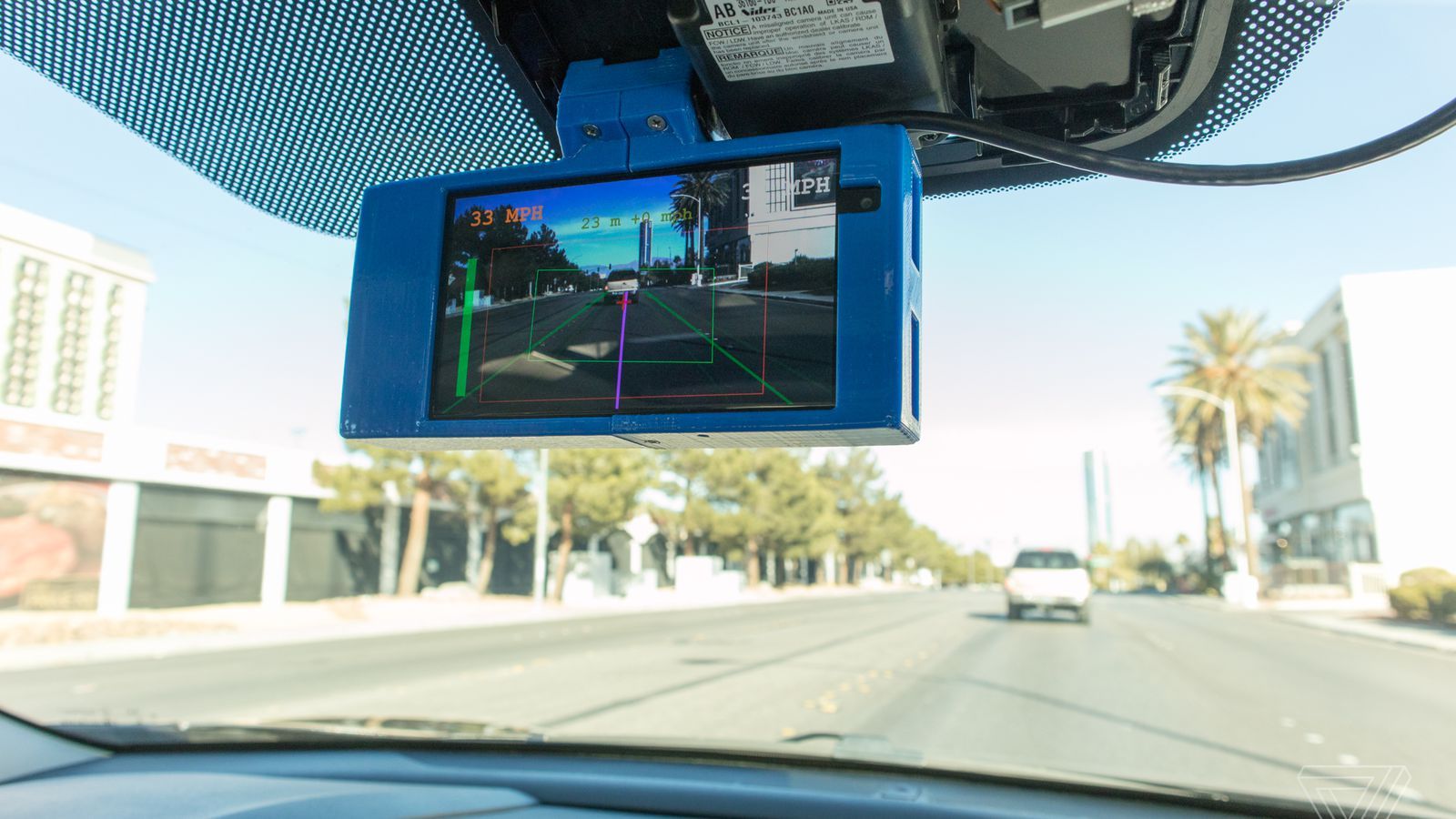
In late 2015, iPhone and PlayStation 3 hacker George Hotz teased a project that sounded like a dream: his new company would produce a $1,000 consumer product that could grant your car semi-autonomous capabilities. Eleven months and one terse letter from the National Highway Traffic Safety Administration later, Hotz killed the project.
About a month after that, Hotz resurrected it as a two open-source efforts, splitting the hardware and software of the self-driving tech he had created with the rest of his company, Comma.ai. Hotz always talked like he wanted to start a DIY car revolution to take on the car industry (and Elon Musk especially). Open sourcing the plans only increased the chances of it happening.
 😂
😂