Toggle light / dark theme

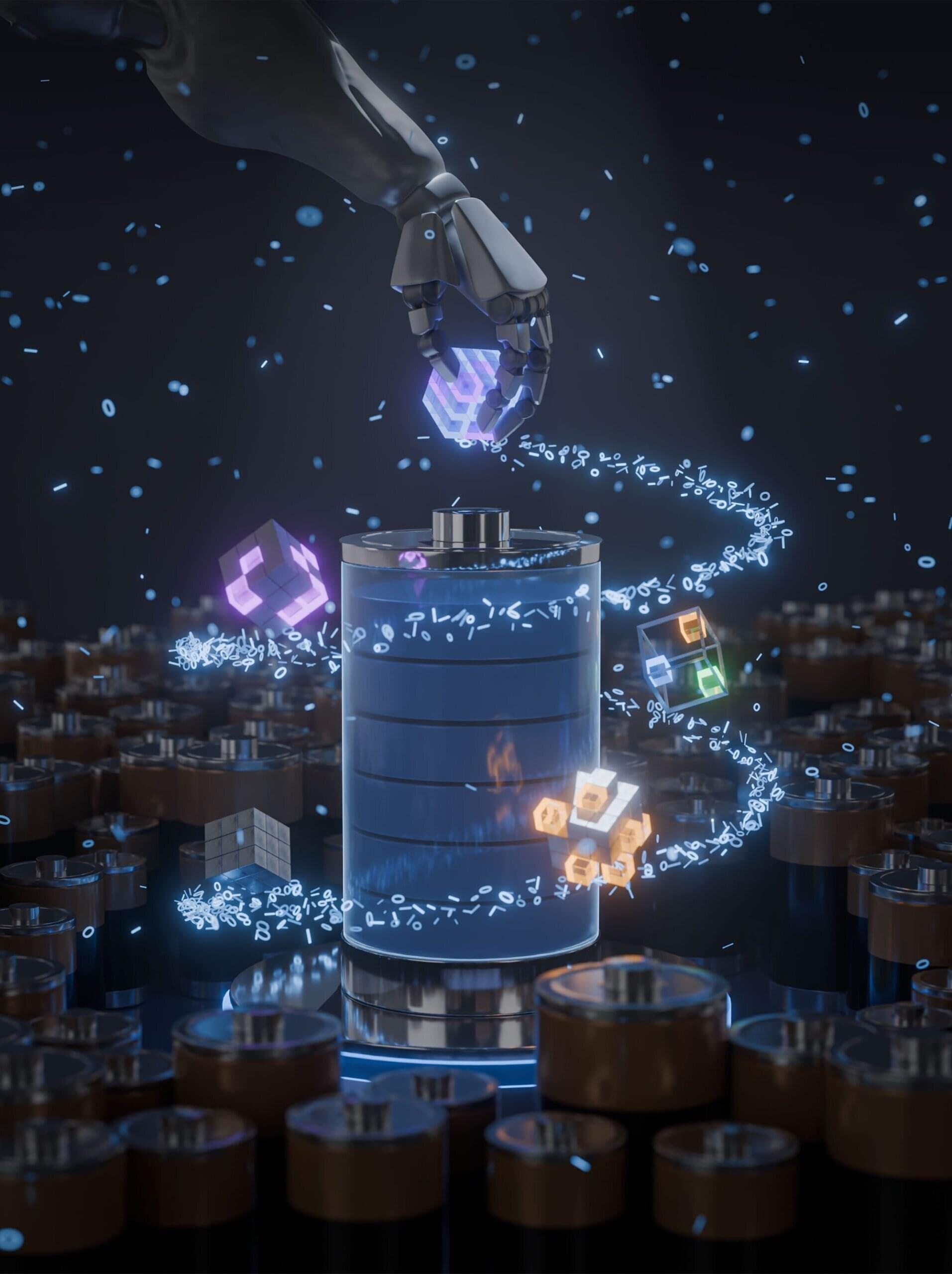
Can Microsoft’s analog optical computer be the answer to more energy-efficient AI and optimization tasks?

The constant scaling of AI applications and other digital technologies across industries is beginning to tax the energy grid due to its intensive energy consumption. Digital computing’s energy and latency demands will likely continue to rise, challenging their sustainability.

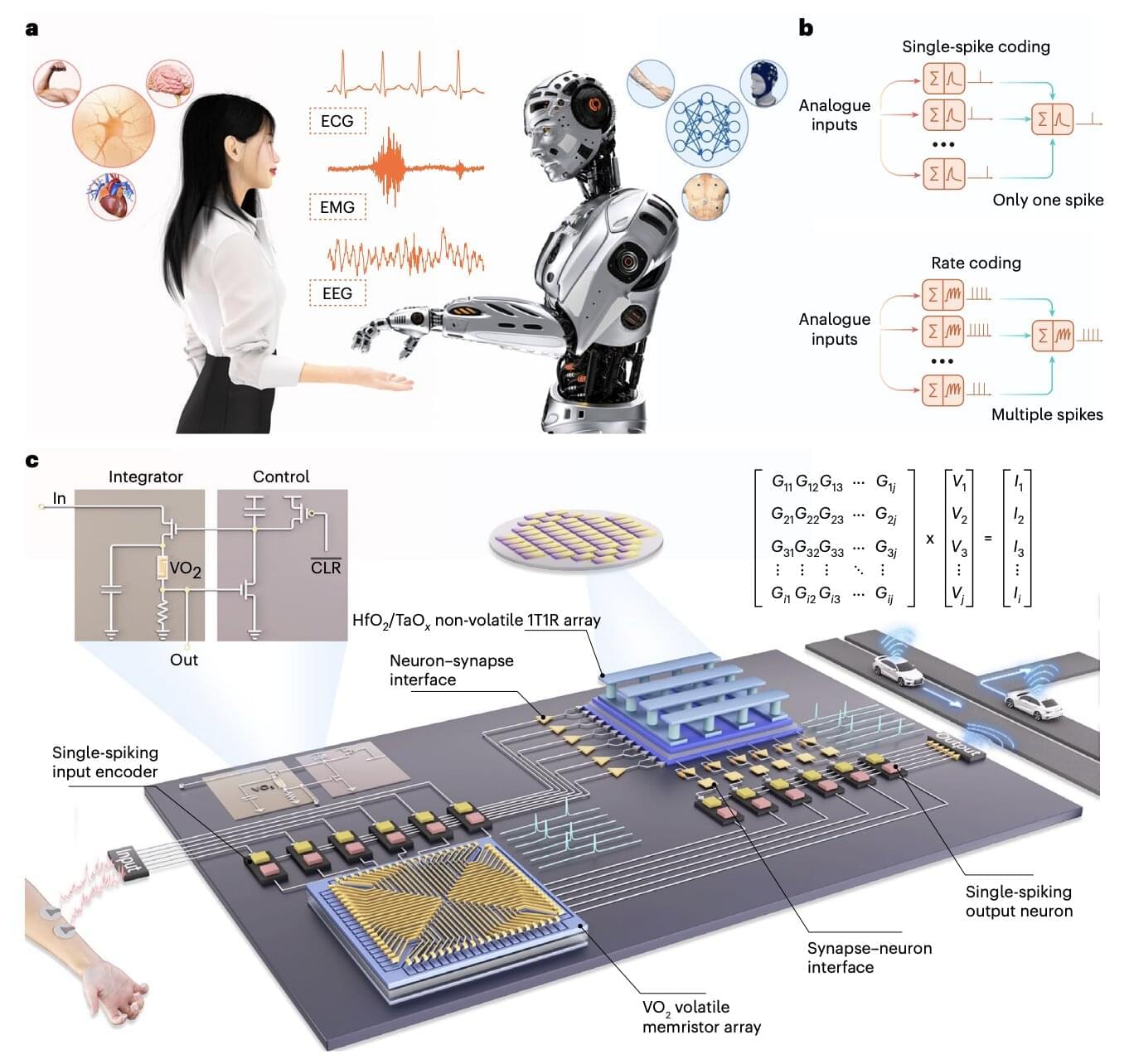
Unsurprisingly, the reliance on these technologies in our modern world has researchers scrambling to produce more energy-efficient ways to move forward—and Microsoft might be ahead of the game. Microsoft’s researchers, along with a team from Cambridge University, have developed a new analog optical computer (AOC) that has the potential to give AI, as well as combinatorial optimization, a much needed boost in efficiency.

The AOC prototype is described in a recent study by the group that was published in Nature. The group combined analog electronics and microLED arrays, spatial light modulators, and photodetector arrays to accelerate both AI inference and combinatorial optimization on a single platform.

Scientists harness the power of collapsing bubbles to propel tiny robots

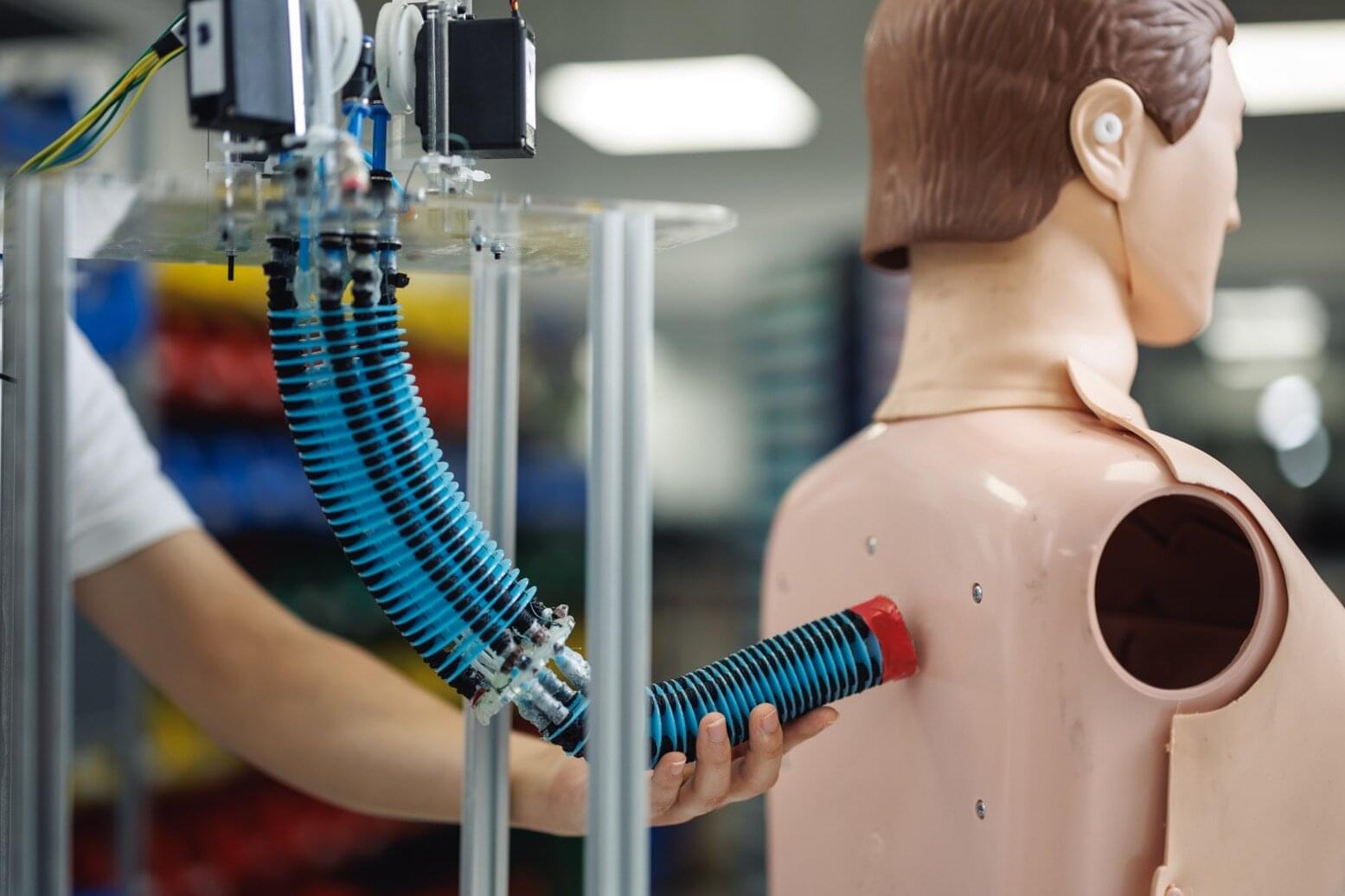
A team of scientists from China and the U.S. is pioneering the development of bubble-powered robots, which could one day replace needles for painless drug delivery into the body. Inspired by nature, the researchers developed a new technique that harnesses the energy released by a collapsing bubble in a liquid, a process known as cavitation.

The natural world has evolved ingenious ways to exploit cavitation for movement. For example, ferns use it within specialized cells in their sporangia to catapult spores, and mantis shrimps snap their appendages with such force that the resulting bubbles collapse with enough energy to stun their prey.

In their study, published in the journal Science, the team details how they used cavitation as a propulsion system for . They built millimeter-sized robots, called “jumpers,” out of , polypyrrole and titanium carbide that heated up quickly when hit by a laser.

Salesloft: March GitHub repo breach led to Salesforce data theft attacks

Salesloft says attackers first breached its GitHub account in March, leading to the theft of Drift OAuth tokens later used in widespread Salesforce data theft attacks in August.

Salesloft is a widely used sales engagement platform that helps companies manage outreach and customer communications. Its Drift platform is a conversational marketing tool that integrates chatbots and automation into sales pipelines, including integrations with platforms like Salesforce.

The two have been at the center of a major supply-chain style breach first disclosed in late August, with Google’s Threat Intelligence Group attributing the attacks to UNC6395.

Light-based chip can boost power efficiency of AI tasks up to 100-fold

A team at the University of Florida has developed a new kind of computer chip that uses light with electricity to perform one of the most power-intensive parts of artificial intelligence—image recognition and similar pattern-finding tasks. Using light dramatically cuts the power needed to perform these tasks, with efficiency 10 or even 100 times that of current chips performing the same calculations. Using this approach could help rein in the enormous demand for electricity that is straining power grids while enabling higher performance AI models and systems.

Artificial intelligence (AI) systems are increasingly central to technology, powering everything from facial recognition to language translation. But as AI models grow more complex, they consume vast amounts of electricity—posing challenges for and sustainability. A new chip developed by researchers at the University of Florida could help address this issue by using light, rather than just electricity, to perform one of AI’s most power-hungry tasks.

The research is reported in Advanced Photonics.

Heterochronic myeloid cell replacement reveals the local brain environment as key driver of microglia aging

Aging, the key risk factor for cognitive decline, impacts the brain in a region-specific manner, with microglia among the most affected cell types. However, it remains unclear whether this is intrinsically mediated or driven by age-related changes in neighboring cells. Here, we describe a scalable, genetically modifiable system for in vivo heterochronic myeloid cell replacement. We find reconstituted myeloid cells adopt region-specific transcriptional, morphological and tiling profiles characteristic of resident microglia. Young donor cells in aged brains rapidly acquired aging phenotypes, particularly in the cerebellum, while old cells in young brains adopted youthful profiles. We identified STAT1-mediated signaling as one axis controlling microglia aging, as STAT1-loss prevented aging trajectories in reconstituted cells. Spatial transcriptomics combined with cell ablation models identified rare natural killer cells as necessary drivers of interferon signaling in aged microglia. These findings establish the local environment, rather than cell-autonomous programming, as a primary driver of microglia aging phenotypes.

Claire Gizowski, Galina Popova, Heather Shin, Wendy Craft, Wenjun Kong, Bernd J Wranik, Yuheng C Fu, Tzuhua D Lin, Baby Martin-McNulty, Po-Han Tai, Kayla Leung, Nicole Fong, Devyani Jogran, Agnieszka Wendorff, David Hendrickson, Astrid Gillich, Andy Chang, Oliver Hahn are current or former employees of Calico Life Sciences LLC. The remaining authors declare no competing interest.

/* */