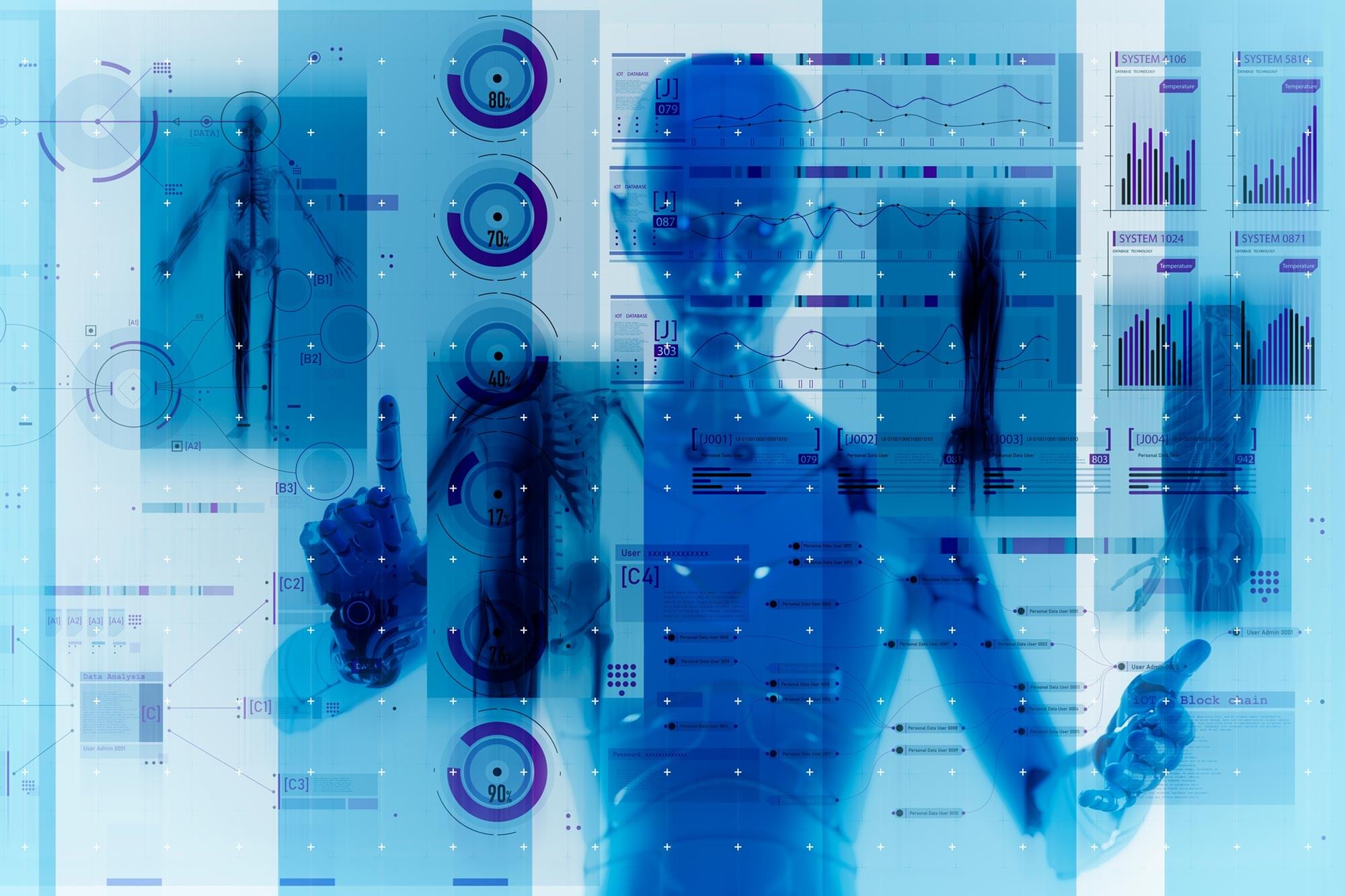
Researchers found that distrust in AI causes people to give less detailed symptom reports, potentially reducing the accuracy of digital healthcare assessments.
Category: robotics/AI – Page 170
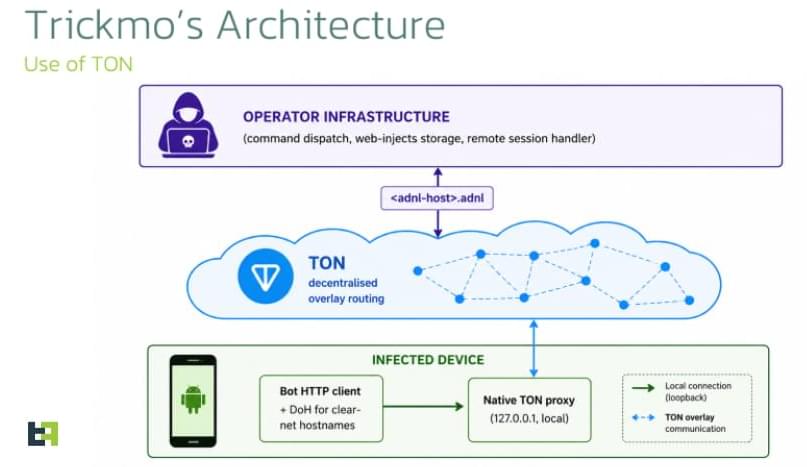
New TrickMo Variant Uses TON C2 and SOCKS5 to Create Android Network Pivots
A new TrickMo Android banking trojan variant uses TON blockchain infrastructure for stealthy command-and-control communications.

Google Spots Hackers Using AI To Find Zero-Day Flaw For Mass Exploitation
Fortunately, Google was able to detect and help the software vendor patch the threat before it was abused. Still, the company says: ‘We believe this is the tip of the iceberg.’

Popular PlayStation emulator clamps down on AI submissions: ‘Leave behind something useful to humanity when you’re gone, instead of peddling slop’
In response to questions (and more than a little AI evangelist bellyaching), the devs pointed out that it is not the use of AI code in PRs that is the issue for them, but that it is undisclosed. “We won’t ban if disclosed, except for abuse cases, e.g. throwing a lot of random slop at us to see what passes reviews. Hint: programmers that can understand the problem, the solution, and the implementation can write the same code without AI, and tend to use LLMs to automate repetitive code refactoring instead. It is not the case with the AI slop PRs we have seen.”
The final result is a new set of hard-and-fast rules about AI code right there on RPCS3’s GitHub repo: “Use of AI tools for research and reverse engineering purposes is permitted. However, contributors are expected to fully own and understand all code they submit. Any communication with the team—including code, code comments, and GitHub comments—must come from the human contributor, not an AI agent acting autonomously.”
Back on X, the team signed off with a final message: “As for all the AI bros seething on our socials, we’re simply blocking you. Learn how to debug, code, and leave behind something useful to humanity when you’re gone, instead of peddling slop.”
New documentary asks if we are doomed by AI
“The AI Doc: Or How I Became an Apocaloptimist” is a new documentary exploring the future of Artificial Intelligence and its impact on humanity. NBC News’ Gadi Schwartz spoke with co-founder of the Center for Humane Technology, Tristan Harris, about the documentary and how to navigate overwhelming dread with tech optimism.
For more context and news coverage of the most important stories of our day, click here: https://www.nbcnews.com.
» Subscribe to NBC News: http://nbcnews.to/SubscribeToNBC
» Subscribe to Here’s the Scoop podcast: https://www.nbcnews.com/heres-the-scoop-daily-podcast.
Every day, NBC News helps people understand what’s happening and why it matters — through fact-based reporting, meaningful conversations, and powerful stories. From its leading news broadcasts — TODAY, NBC Nightly News, Meet the Press, and Dateline — to NBC News NOW, the 24/7 streaming news channel, plus chart-topping podcasts, the NBC News app, and NBCNews.com, NBC News keeps audiences informed and connected to the stories shaping our world.
Connect with NBC News Online!
NBC News App: https://apps.nbcnews.com/mobile.
Breaking News Alerts: https://link.nbcnews.com/join/5cj/breaking-news-signup?cid=s…lip_190621
Visit NBCNews. Com: http://nbcnews.to/ReadNBC
Find NBC News on Facebook: http://nbcnews.to/LikeNBC
Follow NBC News on Twitter: http://nbcnews.to/FollowNBC
Follow NBC News on Instagram: http://nbcnews.to/InstaNBC
Stanford CS336: Language Modeling from Scratch
This course is designed to provide students with a comprehensive understanding of language models by walking them through the entire process of developing their own.
Drawing inspiration from operating systems courses that create an entire operating system from scratch, we will lead students through every aspect of language model creation, including data collection and cleansing for pre-training, transformer model construction, model training, and evaluation before deployment.
For more information about Stanford’s online Artificial Intelligence programs, visit: https://stanford.io/ai.
Learn course details: https://online.stanford.edu/courses/cs336-language-modeling-scratch.
Visit the course website: https://cs336.stanford.edu/
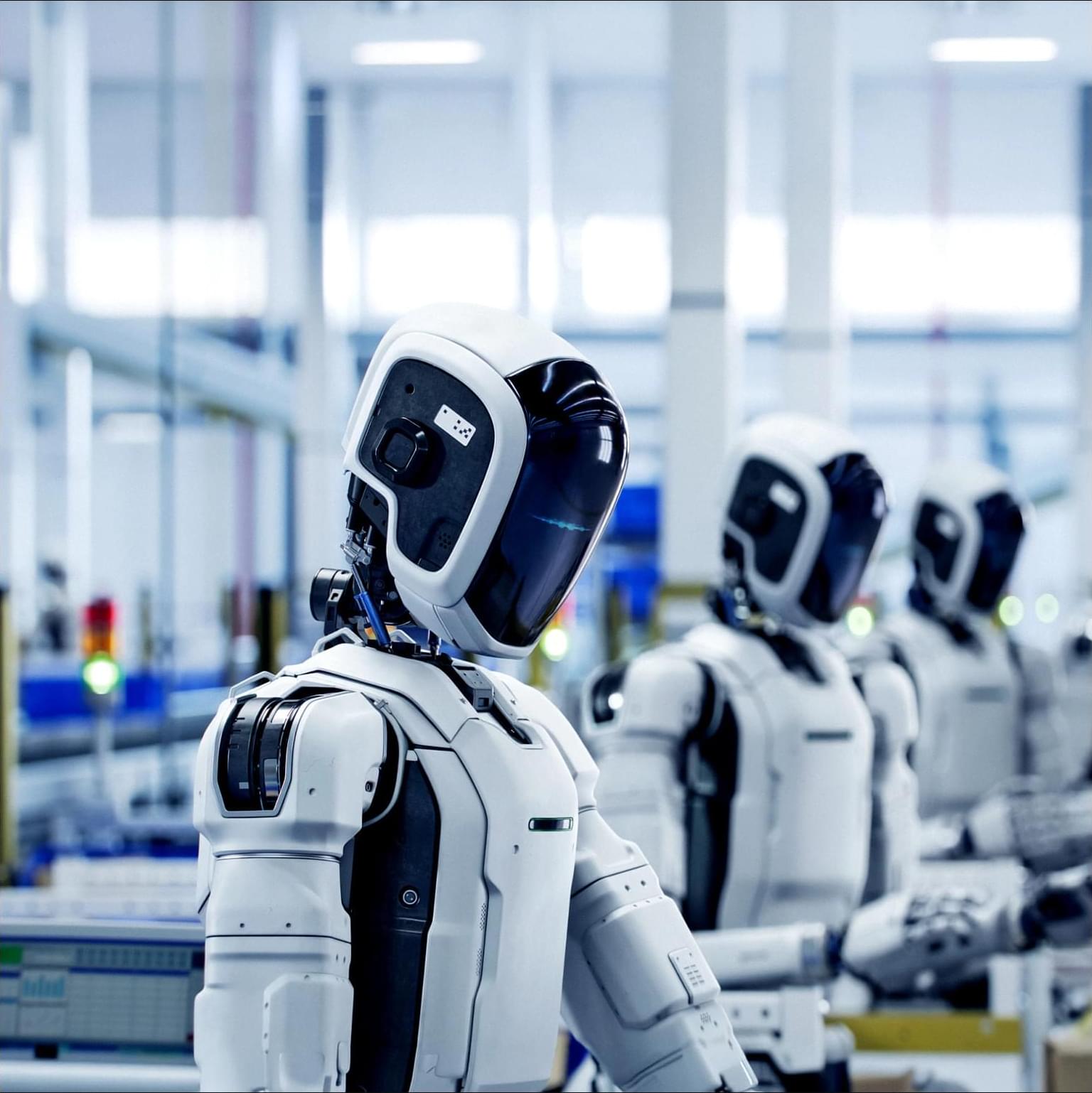
Turning humanoid supply chain constraints into billion-dollar wins
Supply chains are humanoid robotics’ hidden constraint and biggest opportunity. Explore the path to 2035 modularization.
BEYOND SILICON: The Rise of the Living Machine
The era of classical computing is over. Welcome to the pulse of the living machine.
In April 2026, we have officially reached the limits of silicon. As AI models demand more energy than entire cities, a new architecture is rising from the labs to our pockets: Neuromorphic Computing.
In this video, we explore why the \.
Meet ‘Gabi,’ the Robot That Just Became a Monk at a Buddhist Temple in South Korea. It’s the Latest Robot to Take Up Religious Practice
During the ceremony, Gabi agreed to five vows usually recited by human monks and slightly altered for the humanoid. The robot pledged to respect life, act with peace toward other robots and objects, listen to humans, refrain from acting or speaking in a deceptive manner and save energy.
Gabi participated in a modified yeonbi purification ritual. While a human monk normally receives a small incense burn on the arm, instead Gabi received a lotus lantern festival sticker and a prayer bead necklace.
The landmark event aligns with the promise made during a New Year’s address by the Venerable Jinwoo, president of the Jogye Order of Korean Buddhism, to incorporate artificial intelligence into the Buddhist tradition.
‘We aim to fearlessly lead the A.I. era and redirect its achievements toward the path of attaining peace of mind and enlightenment,’ he said, per a statement.
The humanoid promised to obey humans, save energy and treat other robots peacefully. South Korean Buddhist leaders have recently started to embrace artificial intelligence.
Meet The AI Robot That Can Cook Meals, Solve Rubik’s Cubes And Play Piano
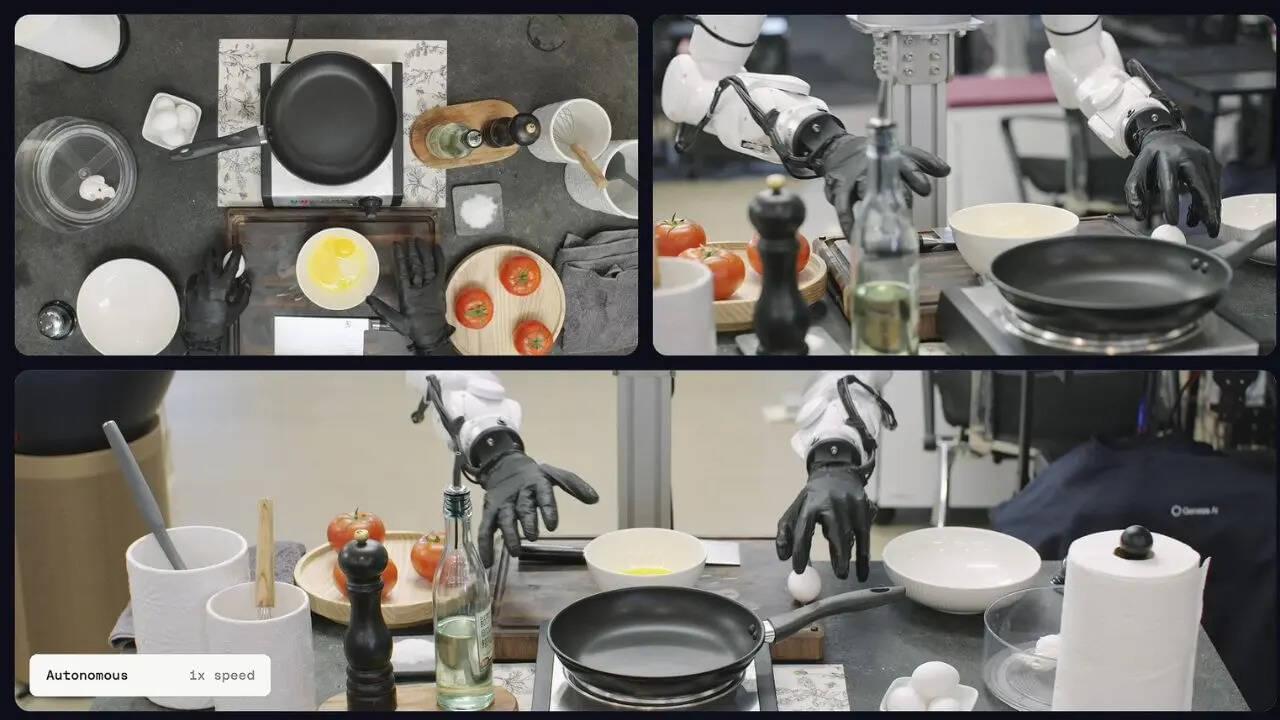
Most robots today are excellent at repetitive factory work. They can move boxes, weld metal parts or follow pre-programmed routines without getting tired. But ask them to crack an egg without crushing it or cut vegetables evenly and things usually fall apart pretty quickly. That is exactly the challenge Genesis AI claims it is trying to solve. The robotics company has introduced a new robotic foundation model system called ‘GENE-26.5’, which it says can help robots perform highly delicate, human-like tasks with impressive precision.
According to Genesis AI, its robotic system can handle surprisingly complex activities including cooking meals, solving Rubik’s cubes, wiring cables, lab pipetting and even playing the piano in real time. The company showcased these capabilities using a robotic hand called ‘Genesis Hand 1.0’, which has been designed to mimic the movement and flexibility of a human hand. It reportedly features 20 degrees of freedom along with soft-contact surfaces to improve grip and precision…
…These gloves reportedly capture how human hands move, grip objects and apply pressure during everyday tasks. That data is then used to train the robot so it can imitate those same actions more naturally. According to a Business Insider interview, Genesis AI CEO Zhou Xian claimed his team managed to teach the robot a new piano song in roughly one hour. He also explained that a ‘30-second complex skill,’ like certain cooking tasks shown in demos, can be learned using a few hours of human data combined with less than 30 minutes of robot training data. ‘I think these are probably the most complex tasks ever being performed by a robot in a very human-like way at the efficiency, speed, and performance similar to a human,’ Xian said. He added that the robot currently performs at roughly 60 to 70 percent of human speed.
Genesis AI has introduced a new robotic foundation model, “GENE-26.5,” designed to enable robots to perform intricate tasks akin to human actions with precision., Technology & Science, Times Now.