Toggle light / dark theme

NVIDIA CEO Jensen Huang Goes Against MIT Research & Says AI Makes Him Smarter

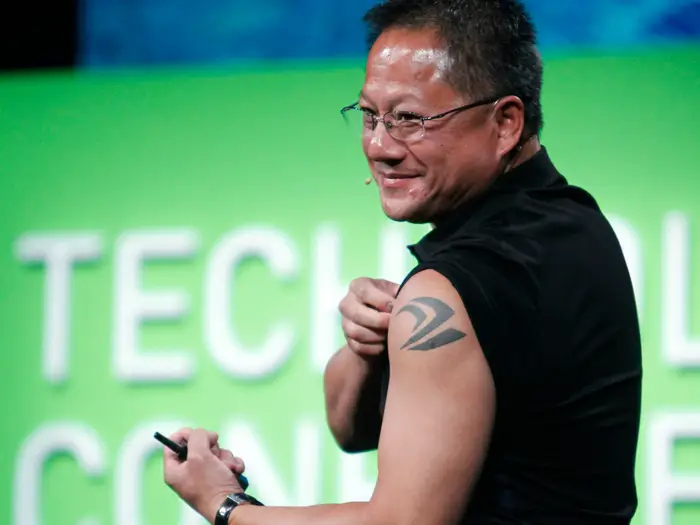
In an interview with CNN’s Fareed Zakaria, NVIDIA CEO Jensen Huang has denied using AI makes him less smart. Huang’s remarks came in response to an MIT study last month, which shared that users who relied on AI for writing essays demonstrated less brain activity across regions of the brain and were unable to use unique thinking at the end. However, Huang, who shared that he had not come across this study, commented that using AI actually improved his cognitive skills.

The gist of MIT’s study indicated that users who relied on ChatGPT to write their essays ended up with lower brain activity after their third attempt. The researchers outlined that while ChatGPT essay writers did initially structure their essays and based their questions to the model on the structure, at their final attempt, they ended up simply copying and pasting the model’s responses. Additionally, the ChatGPT users were also unable to recall their work and “consistently underperformed at neural, linguistic, and behavioral levels.”

After CNN’s Fareed Zakaria questioned Huang about the study and asked him what he thought of it, the executive replied by sharing that he hadn’t “looked at that research yet.” However, Huang still disagreed with the research’s conclusions. “I have to admit, I’m using AI literally every single day. And, and, um, I think my cognitive skills are actually advancing,” he said. Commenting further, the NVIDIA added that the reason behind his skills improving was because he wasn’t asking the model to think for him. Instead, “I’m asking it to teach me things that I don’t know. Or help me solve problems that otherwise wouldn’t be able to solve reasonably,” he shared.
Tesla’s FSD Advantage Just Became Critical

Tesla’s technological advancements and strategic investments in autonomous driving, particularly in its Full Self-Driving technology, are giving the company a critical and potentially insurmountable lead in the industry ## Questions to inspire discussion.

Tesla’s AI and autonomous driving advancements.

🚗 Q: When will Tesla’s Dojo 2 supercomputer start mass production? A: Tesla’s Dojo 2 supercomputer is set to begin mass production by the end of 2025, providing a significant advantage in autonomous driving and AI development.

🧠 Q: How does Tesla’s AI system Grok compare to other AI? A: According to Jeff Lutz, Tesla’s AI system Grok is now the smartest AI in the world and will continue to improve with synthetic data training.

🚕 Q: What advantages does Tesla have in autonomous driving development? A: Tesla’s Full Self-Driving (FSD) technology allows the company to collect and use real-world data for AI model training, giving it a significant edge over competitors relying on simulated or internet data.

Tesla’s Operational Excellence.

Why I Am MUCH LESS Concerned About Tesla Robotaxi Now (Waymo Disasters)

Questions to inspire discussion.

📈 Q: How has Waymo’s crash rate changed over time? A: Waymo’s crash rate increased 8x from 10 to 80 per deployed vehicle between 2024 and 2025, despite only a 2-6x increase in fleet size, indicating a potential decrease in safety.

Operational Insights.

🤖 Q: What proportion of Waymo crashes involved fully autonomous vehicles? A: 521 out of 696 crashes (74.9%) involved fully autonomous vehicles without safety operators, while 167 had an onboard safety operator and 5 had a remote operator.

Market Expansion.

🌎 Q: How has Waymo’s expansion affected its safety record? A: Waymo’s aggressive scaling into new markets like Georgia and Austin, in response to Tesla’s growth, may be contributing to the higher crash rate beyond the increase in deployment rate.

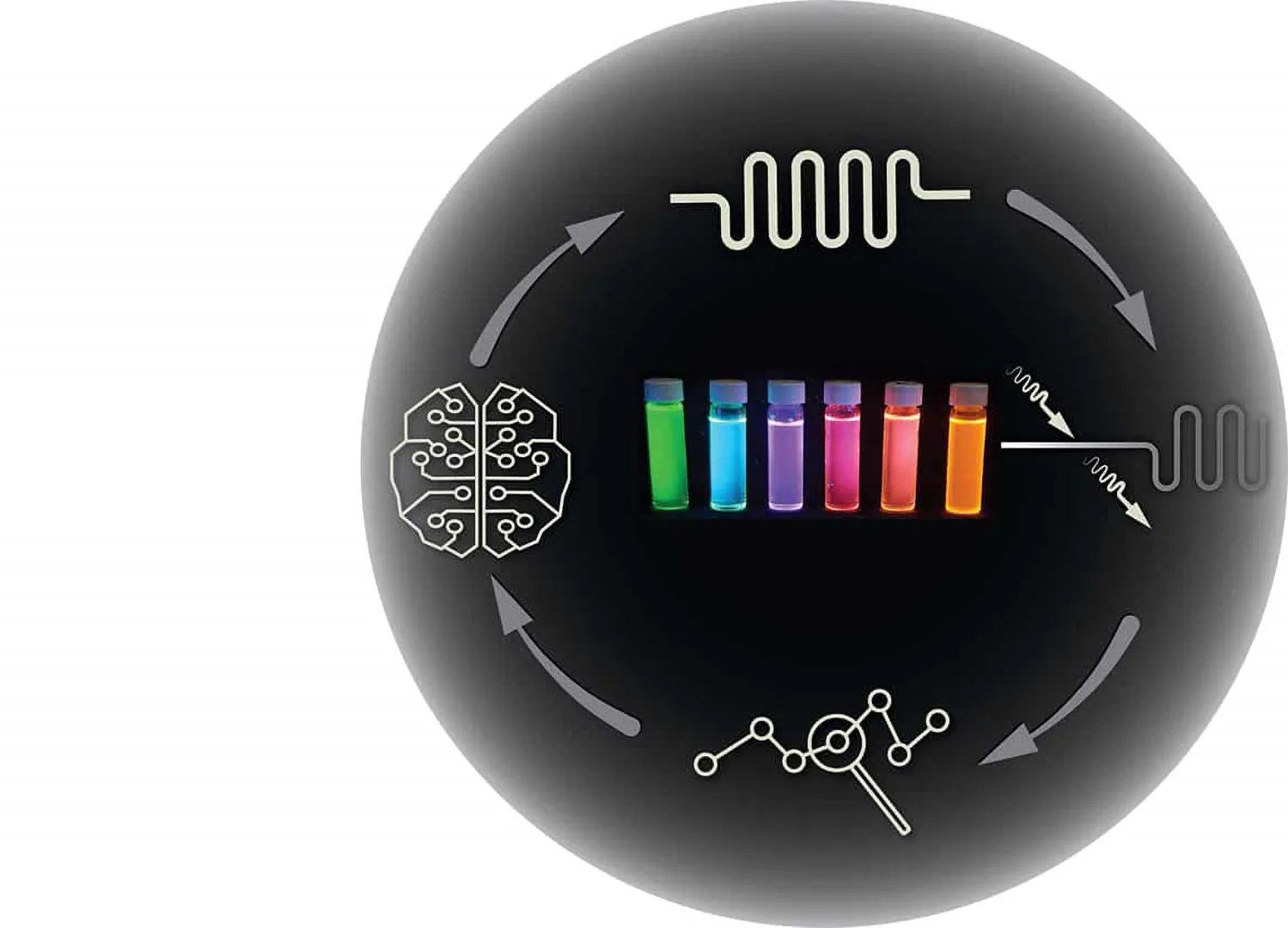
This AI-powered lab runs itself—and discovers new materials 10x faster

A new leap in lab automation is shaking up how scientists discover materials. By switching from slow, traditional methods to real-time, dynamic chemical experiments, researchers have created a self-driving lab that collects 10 times more data, drastically accelerating progress. This new system not only saves time and resources but also paves the way for faster breakthroughs in clean energy, electronics, and sustainability—bringing us closer to a future where lab discoveries happen in days, not years.

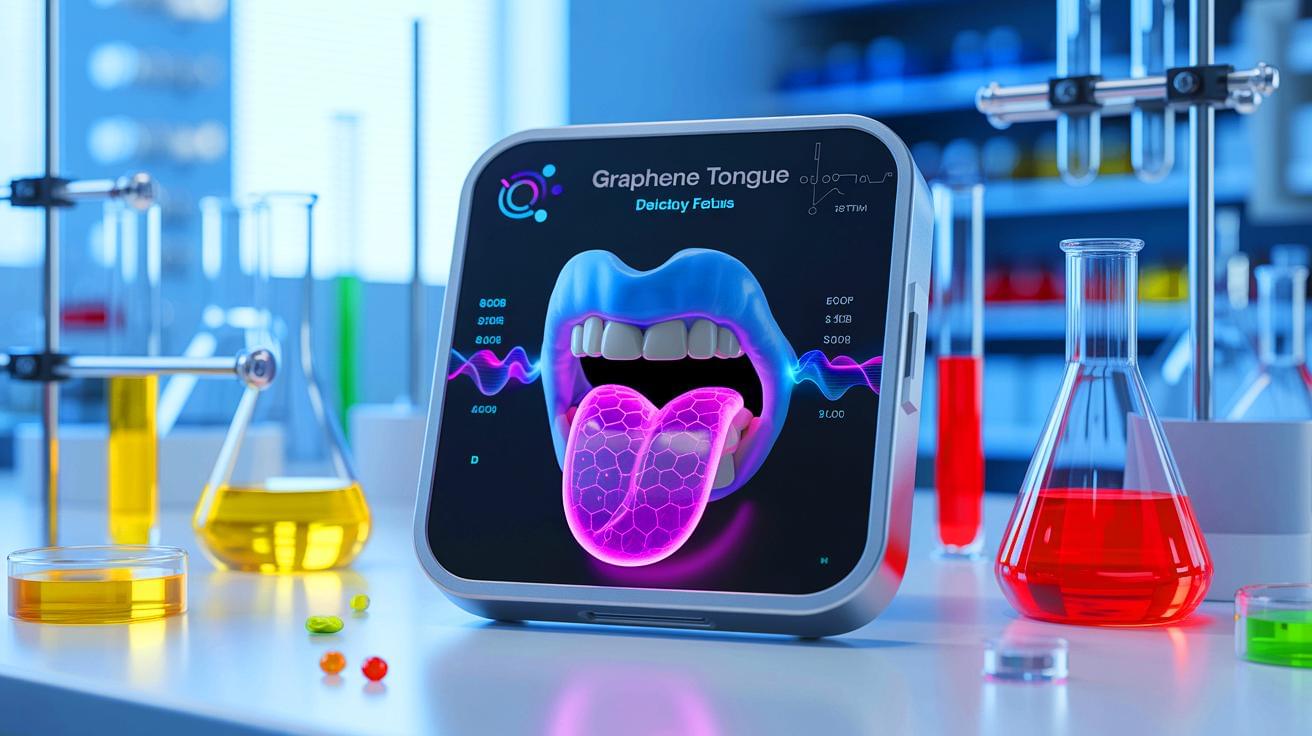
“This Tongue Outsmarts a Sommelier”: New AI Graphene Sensor Identifies Flavors With 98% Accuracy Faster Than Human Taste Buds

IN A NUTSHELL 🍽️ Scientists have developed an AI-powered graphene tongue that detects flavors with near-human precision. 🧠 The system uses machine learning to interpret chemical signals and identify flavor profiles effectively. ⚡ The integration of sensing and computing in a single device allows for faster, more efficient taste data interpretation. 🔬 Future applications could

Yuval Noah Harari

An order of intelligence that at the moment is alien to us.


#LLM #largelanguagemodels #chatgpt.

Follow Me on Twitter https://twitter.com/PyMan_Official.

Welcome to my channel, your front-row seat to the AI revolution. I bring you the latest news, trends, and breakthroughs in Artificial Intelligence, from ChatGPT updates to cutting-edge tools and research shaping the future. Everything is explained simply so you stay informed, empowered, and ahead of the curve.

🧠 AI News & Developments.

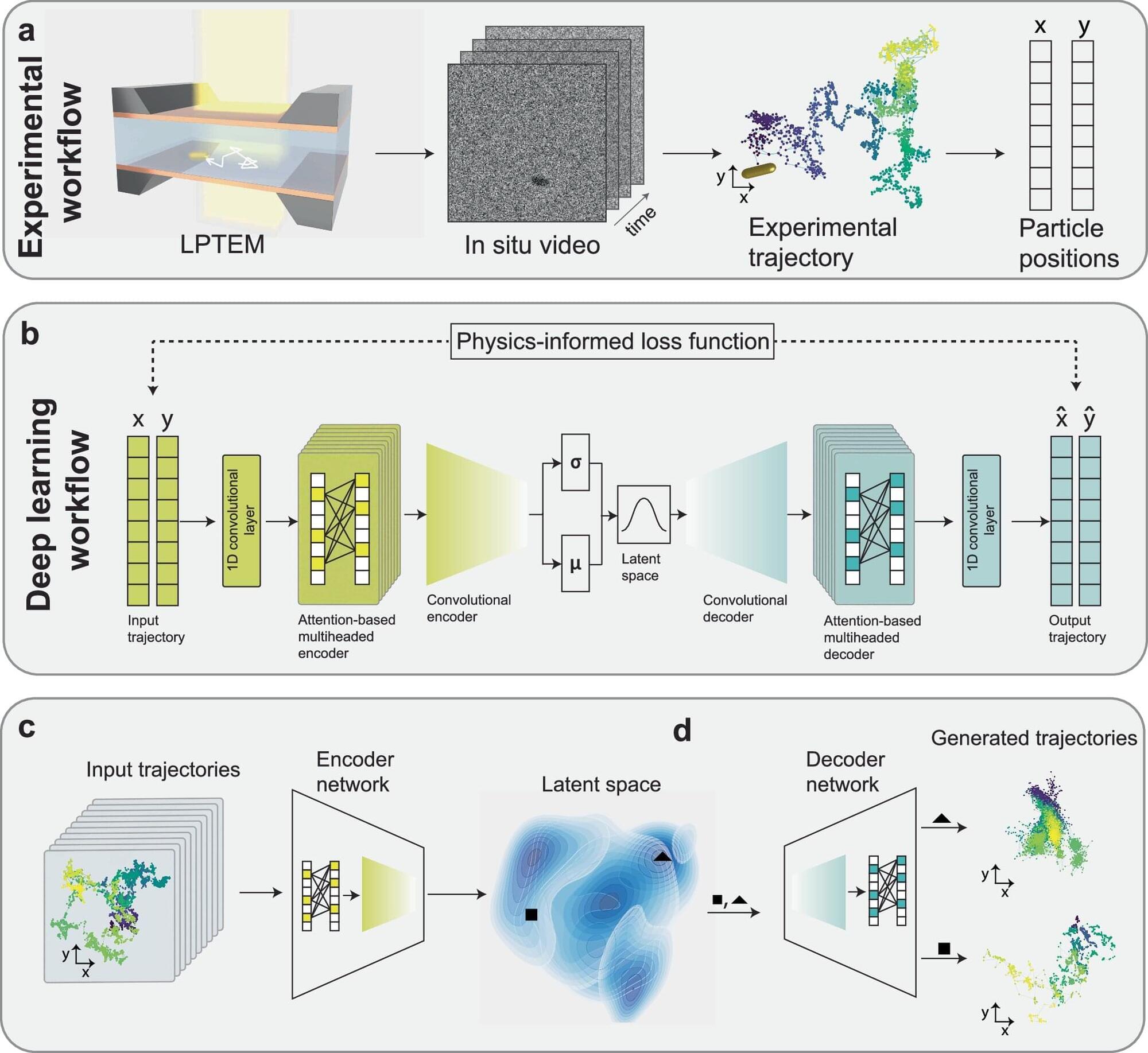
New AI tool deciphers mysteries of nanoparticle motion in liquid environments

Nanoparticles—the tiniest building blocks of our world—are constantly in motion, bouncing, shifting, and drifting in unpredictable paths shaped by invisible forces and random environmental fluctuations.

Better understanding their movements is key to developing better medicines, materials, and sensors. But observing and interpreting their motion at the atomic scale has presented scientists with major challenges.

Researchers in Georgia Tech’s School of Chemical and Biomolecular Engineering (ChBE) have developed an (AI) model that learns the underlying physics governing those movements.

/* */