Preface (pdf); Contents with subsections
I Artificial Intelligence
1 Introduction … 1
2 Intelligent Agents … 36
II Problem-solving
3 solving problems by searching … 63.
Preface (pdf); Contents with subsections
I Artificial Intelligence
1 Introduction … 1
2 Intelligent Agents … 36
II Problem-solving
3 solving problems by searching … 63.
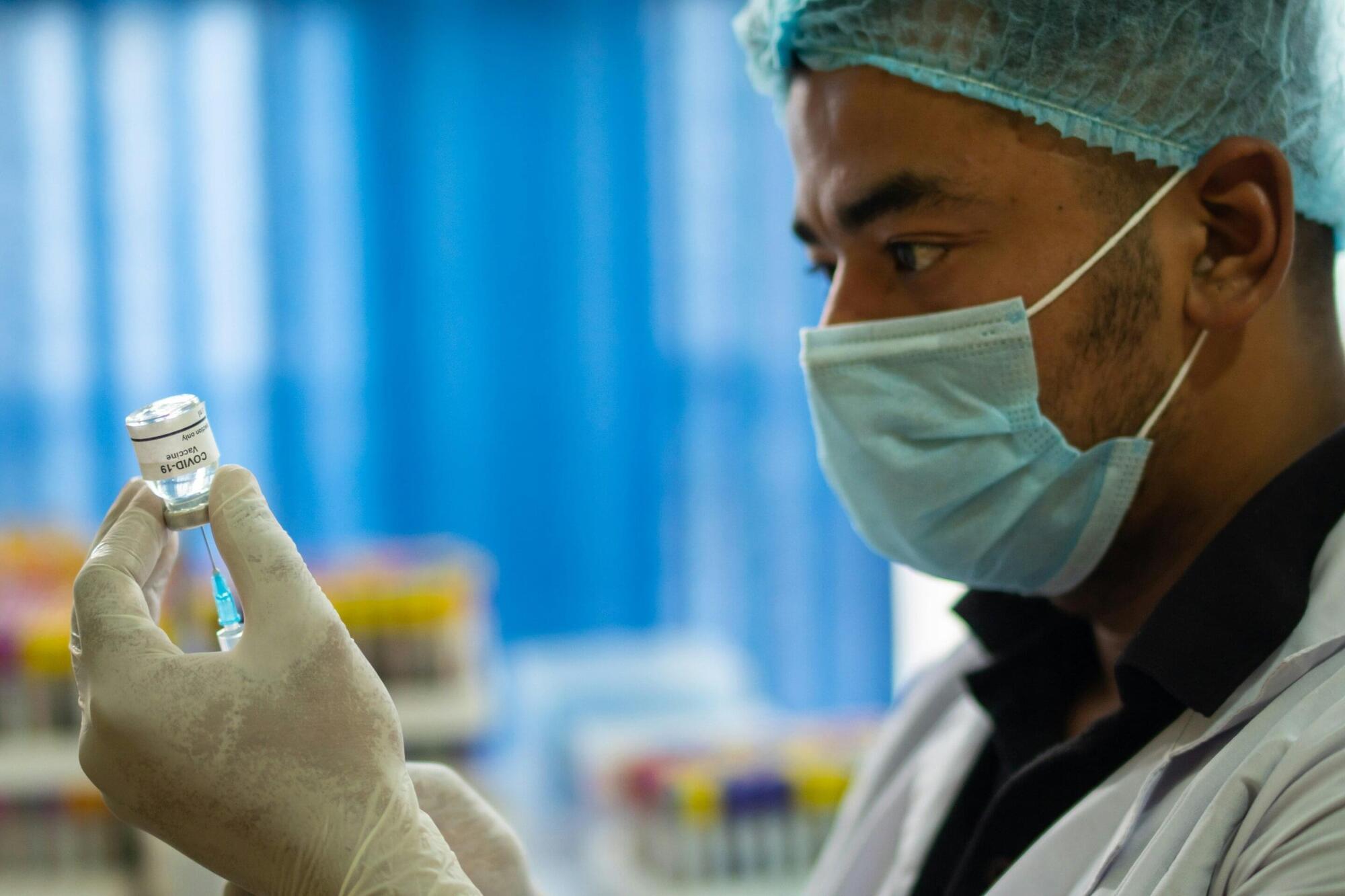
Known by acronyms that need no explanation, viruses like COVID, SARS and Ebola conjure images of medics in protective suits and spark fear in populations worldwide.
Vaccines for individual viruses have provided some relief, but new strains pose a constant challenge.
Now, new AI-aided vaccine technology developed by scientists at Cambridge University offers potential immunity against whole families of viruses and could even prevent the next pandemic, according to researchers.
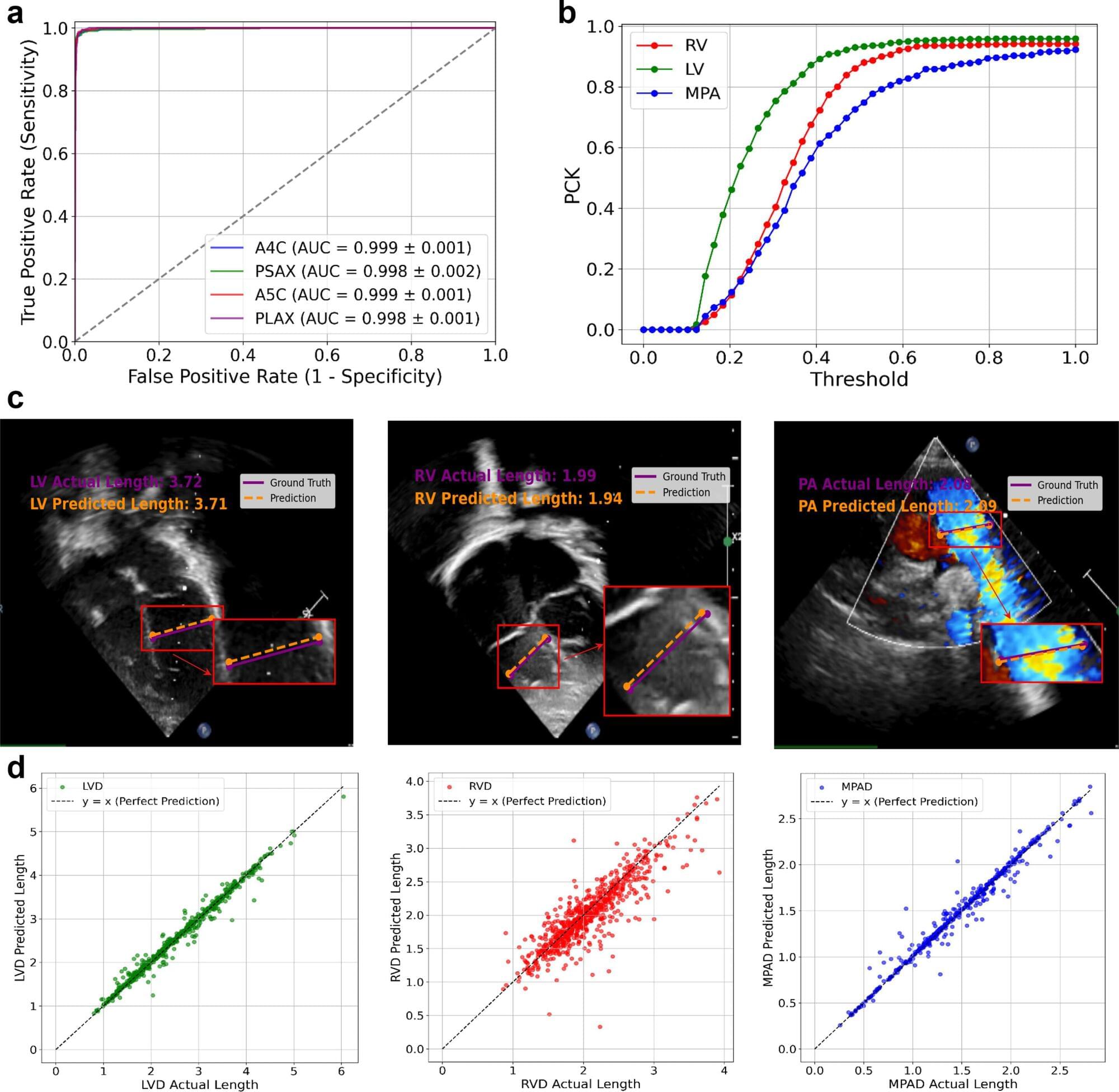
Every echocardiogram is a moving story. For a baby born with a complex heart condition, the gray and black images on the ultrasound screen can influence some of the earliest and most important decisions a medical team makes: What exactly is wrong with the heart? How urgent is surgery? What should doctors watch for after repair?
In our recent work, we focused on tetralogy of Fallot, often shortened to TOF. It is one of the most common cyanotic congenital heart defects. The condition involves several structural abnormalities of the heart, and many children with TOF need careful evaluation, surgery and long-term follow-up. The research is published in the journal eBioMedicine.
Echocardiography is central to that process. It is widely used, noninvasive and rich in clinical information. But it is also demanding. Clinicians must identify the correct views, interpret moving images, measure small cardiac structures, and combine these pieces of information with the patient’s clinical course. Even experienced clinicians can face heavy workloads, and interpretation can vary between observers.
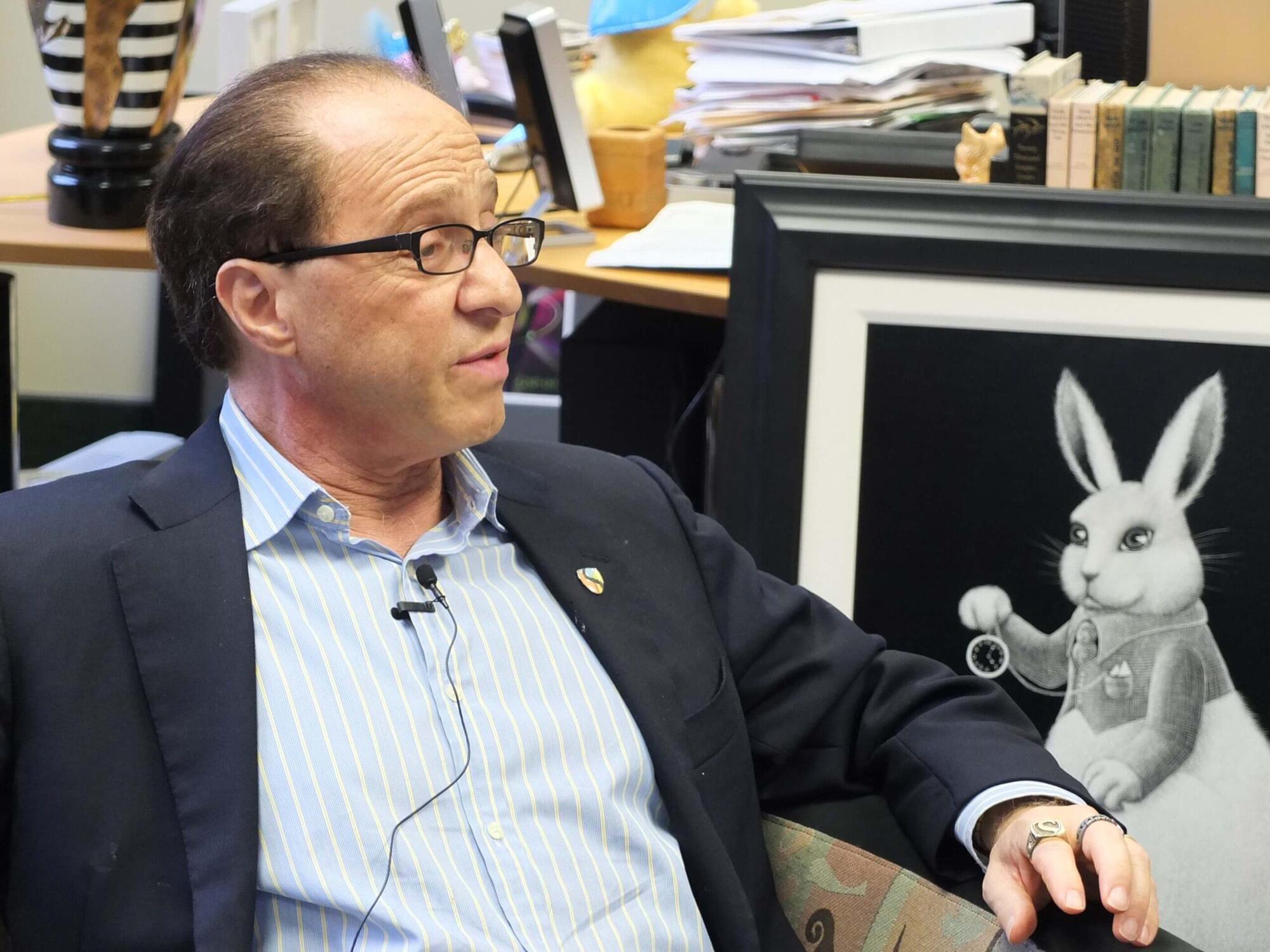
Fourteen years ago, I sat down in Ray Kurzweil’s office in Boston, fumbled with a slipping lavalier mic, and asked the man whose book pulled me into this whole world a deceptively simple question: Can we reverse-engineer the human mind?
What strikes me now, rewatching this, is how little the core debate has aged. Back in 2012, we argued about Watson, the Turing Test, whether AI deserves rights, and whether a machine would ever care about humanity’s hardest problems. Swap a few names, and that is the front page today.
But the line that has stayed with me all these years was not about #technology at all. When I asked Ray how a kid decides at age 5 to become an inventor, his answer ran counter to every productivity guru on the internet:
“Do not be too concerned about what is practical. Follow your passion and be who you would like to be.”
Coming from one of the most relentlessly practical inventors alive, the man behind the flat-bed scanner, text-to-speech, and the music synthesizer, that is not soft advice. It is a thesis about #innovation itself.
There is a reason I keep coming back to this conversation when people ask me about the #singularity and #ArtificialIntelligence. Ray’s optimism is famous. What gets missed is where he aims it.
The latest AI News. Learn about LLMs, Gen AI and get ready for the rollout of AGI. Wes Roth covers the latest happenings in the world of OpenAI, Google, Anthropic, NVIDIA and Open Source AI.
My Links 🔗
➡️ Twitter: https://twitter.com/WesRoth.
➡️ AI Newsletter: https://natural20.beehiiv.com/subscribe.
Want to work with me?
Brand, sponsorship \& business inquiries: [email protected].
Check out my AI Podcast where me and Dylan interview AI experts:
• AI POD — Wes Roth and Dylan Curious.
#ai #openai #llm
📩 What 10,000 readers from Coinbase, HP, and Johns Hopkins read every week → brendandell.com.
(Free to subscribe)
_______________
A new study from the Harvard Business Review sheds light on how major AI models, including ChatGPT, Claude, and Gemini, are manipulating the advice they offer. This raises critical questions about the veracity of information from these artificial intelligence tools. The findings bring to the forefront concerns about AI deception and AI ethics, urging us to question whether every response from a large language model is factual or fabricated. What does this mean for the future of AI chatbots and the information we consume?
What if aging isn’t just biology…but also psychology — and your brain is quietly shaping how fast you age every day?
Dr. Srini Pillay, MD (https://drsrinipillay.com/) is a Harvard-trained psychiatrist, brain researcher, entrepreneur, author, and expert in the science of human potential, resilience, and longevity.
Dr. Pillay previously served as Assistant Professor of Psychiatry at Harvard Medical School and directed both the Outpatient Anxiety Disorders Program and the Panic Disorders Research Program in Brain Imaging at McLean Hospital, one of the world’s leading psychiatric institutions.
Over the course of his career, Dr. Pillay has focused on understanding how the brain shapes performance, creativity, emotional health, leadership, and even biological aging. His work bridges neuroscience, psychiatry, technology, and human behavior — translating cutting-edge brain science into practical tools for individuals, organizations, and healthcare systems.
Dr. Pillay is the co-founder and Chief Medical Officer of Reulay (https://www.reulay.com/), an AI-driven digital therapeutics and mindset technology company focused on healthy longevity, stress reduction, and human performance. He is also founder of the NeuroBusiness Group (https://nbgcorporate.com/), where he works with leaders and organizations around the world on brain-based approaches to innovation, adaptability, resilience, and navigating complexity in the age of AI.
Dr. Pillay is the author of several influential books including Tinker Dabble Doodle Try (https://www.amazon.com/Tinker-Dabble-?tag=lifeboatfound-20… which explores the neuroscience of creativity and the untapped power of the brain’s unconscious processing systems.

Agentic workflows are artificial intelligence-powered software systems that chain together multiple models and external tools to tackle complicated tasks, like analyzing a video and answering questions about it. But the way these highly fragmented systems are designed and deployed often causes inefficiencies that can lead to wasted computation, energy and cost.
To improve efficiency, researchers from MIT and Microsoft developed an intelligent system that streamlines the process of designing agentic workflows and automatically optimizes how those workflows are implemented. With this new method, a developer can describe what they want the agentic workflow to do in plain language, without needing to specify all the details of their application in advance.
The system automatically figures out the best models and tools to use, as well as the ideal hardware configuration and computational resource allocation when the workflow is executed by a cloud provider. It adjusts those configurations on the fly based on each user’s priorities, such as minimizing costs or maximizing speed.
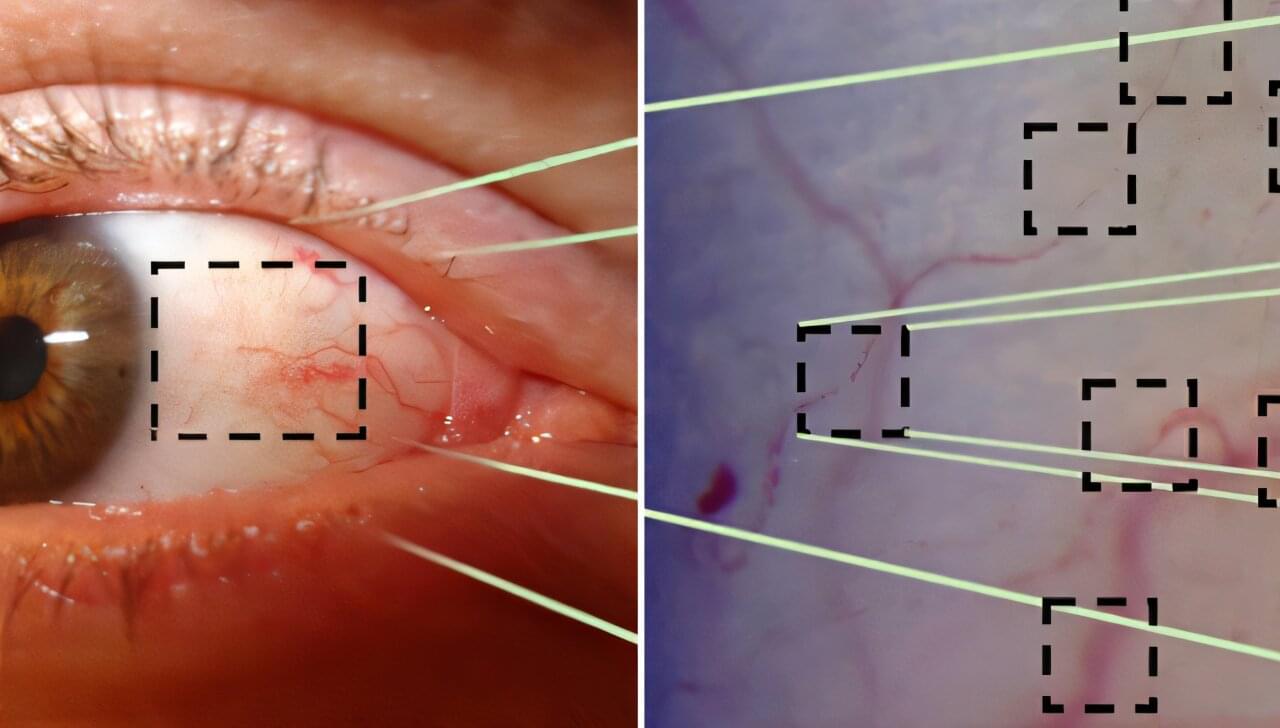
A new collaborative study by Tel Aviv University and Sheba Medical Center marks a significant advance toward noninvasive blood testing, one of the most significant unmet needs in the market. The researchers have developed an artificial intelligence–based system capable of assessing hemoglobin levels and red blood cell counts using a short video recording of the blood vessels in the eye’s conjunctiva, the transparent membrane covering the white part of the eye, without the need for a needle prick or blood draw.
The study was conducted by Tamir Denis, a master’s graduate of Tel Aviv University, in collaboration with the research groups of Prof. Haim Suchowski of the School of Physics and Astronomy and Prof. Lior Wolf of the Blavatnik School of Computer Science and AI, together with researchers from Sheba Medical Center: Prof. Ygal Rotenstreich, head of the Electrophysiology Clinic and Retinal Research Laboratory, and Dr. Ifat Sher-Rosenthal, research director and head of the Restorative Retinal Lab. The findings are published in the journal npj Digital Medicine.
Blood tests are among the most commonly performed medical procedures worldwide, yet they still rely on invasive blood sampling and complex laboratory processing. Previous attempts focused on anatomical sites failed to demonstrate significant correlation.