Toggle light / dark theme

Physicists extend the search for quantum black holes at the LHC

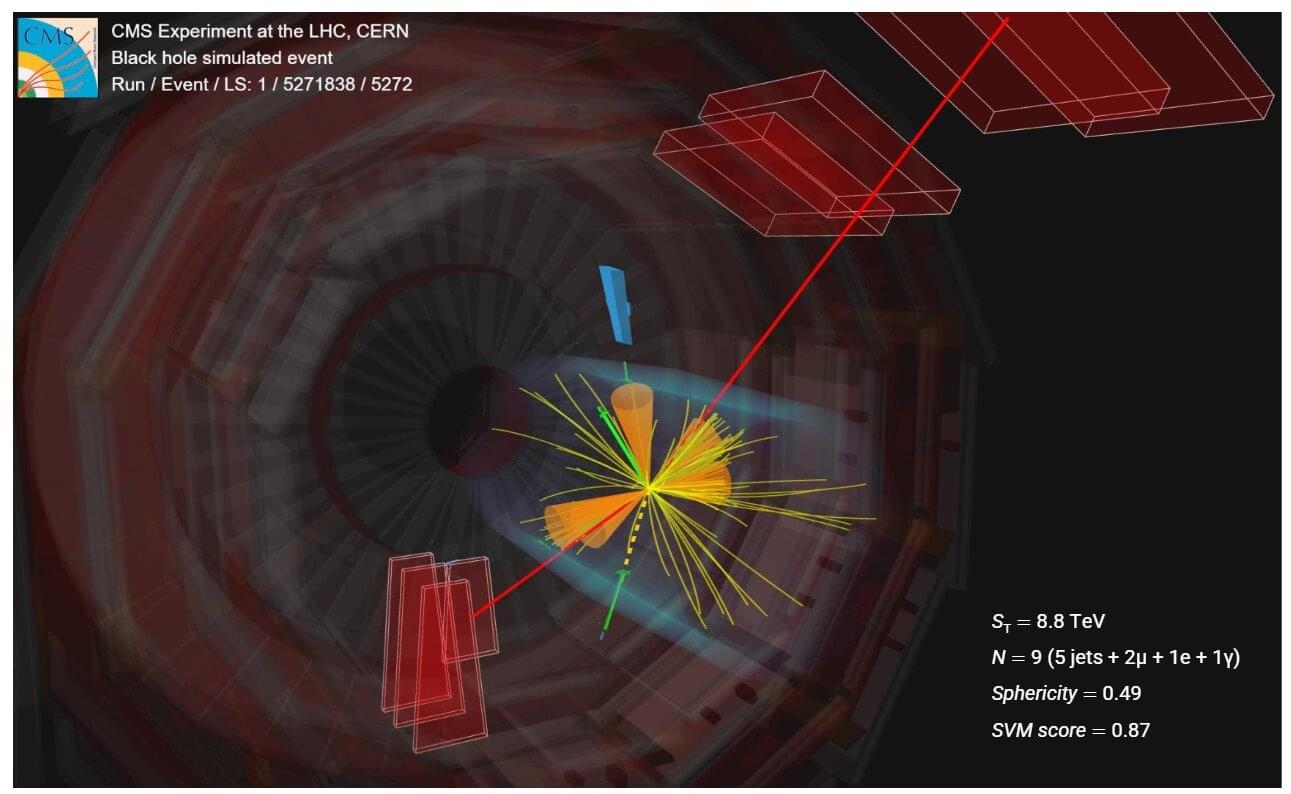
Physicists at UC Santa Barbara have extended the search for evidence of microscopic black holes produced at the Large Hadron Collider (LHC) at the European Organization for Nuclear Research (CERN). The formation of these tiny, fleeting objects at the LHC represents one way theorists have sought to resolve anomalies in our understanding of the basic structure of spacetime, while the method used to look for them demonstrates a new way of searching for new particles.

“Had we found evidence, we could have begun to directly study quantum gravity,” said Tamas Vami, a researcher in the Compact Muon Solenoid (CMS) experiment who is conducting his postdoctoral work under the guidance of UCSB physics professor Joe Incandela. “It’s a step toward unifying all of the known fundamental forces, which has been a goal of physicists for more than a century.”

But a null result does not make for a fruitless search, said Incandela Lab graduate student researcher Danyi Zhang. Quite the opposite.
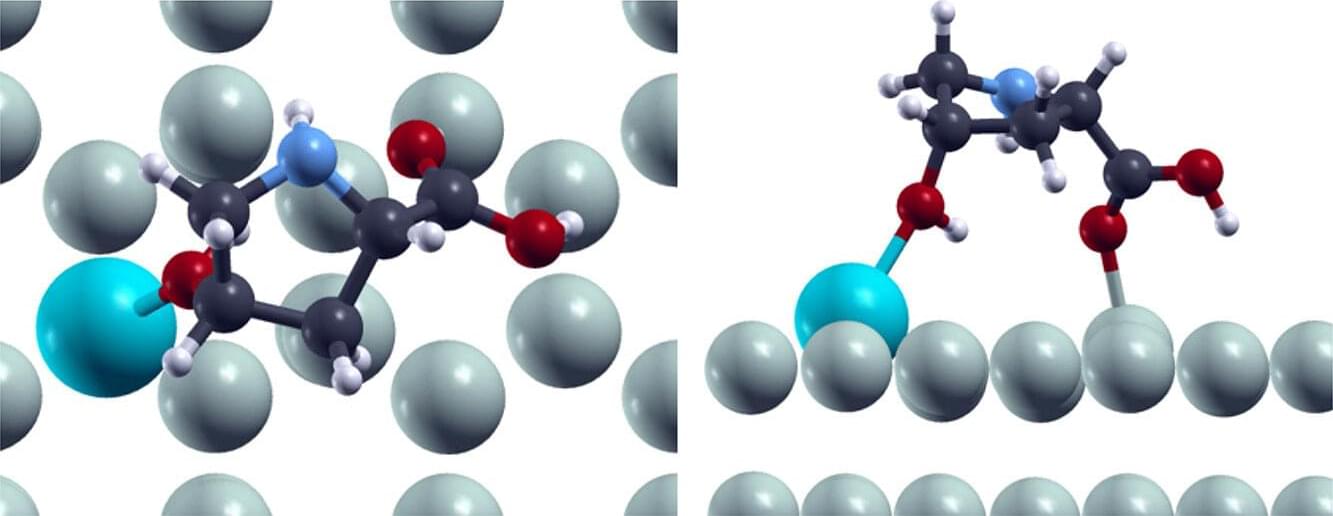
Amino acids and a bone mineral may help control magnesium implant breakdown, three student papers suggest

Seeing a bachelor’s thesis published in a scientific journal is relatively uncommon. For three theses linked to the same research group to result in scientific publications within just three months is downright rare. Yet that is exactly what has happened in Elsebeth Schröder’s research group at the Division of Quantum Device Physics.

To celebrate the milestone, Schröder invited all three student teams to a cake party at the Department of Microtechnology and Nanoscience.

“It feels fantastic, of course. I certainly wasn’t expecting this,” says Alva Limbäck, whose article “A density functional theory study of amino acids on pristine Mg(0001) and with sparse alloying elements” was published in Applied Surface Science in August, together with fellow students Olof Hildeberg, John Bolin and Amanda Goold.

An extremely stable quantum gas offers a new lens on strongly interacting systems

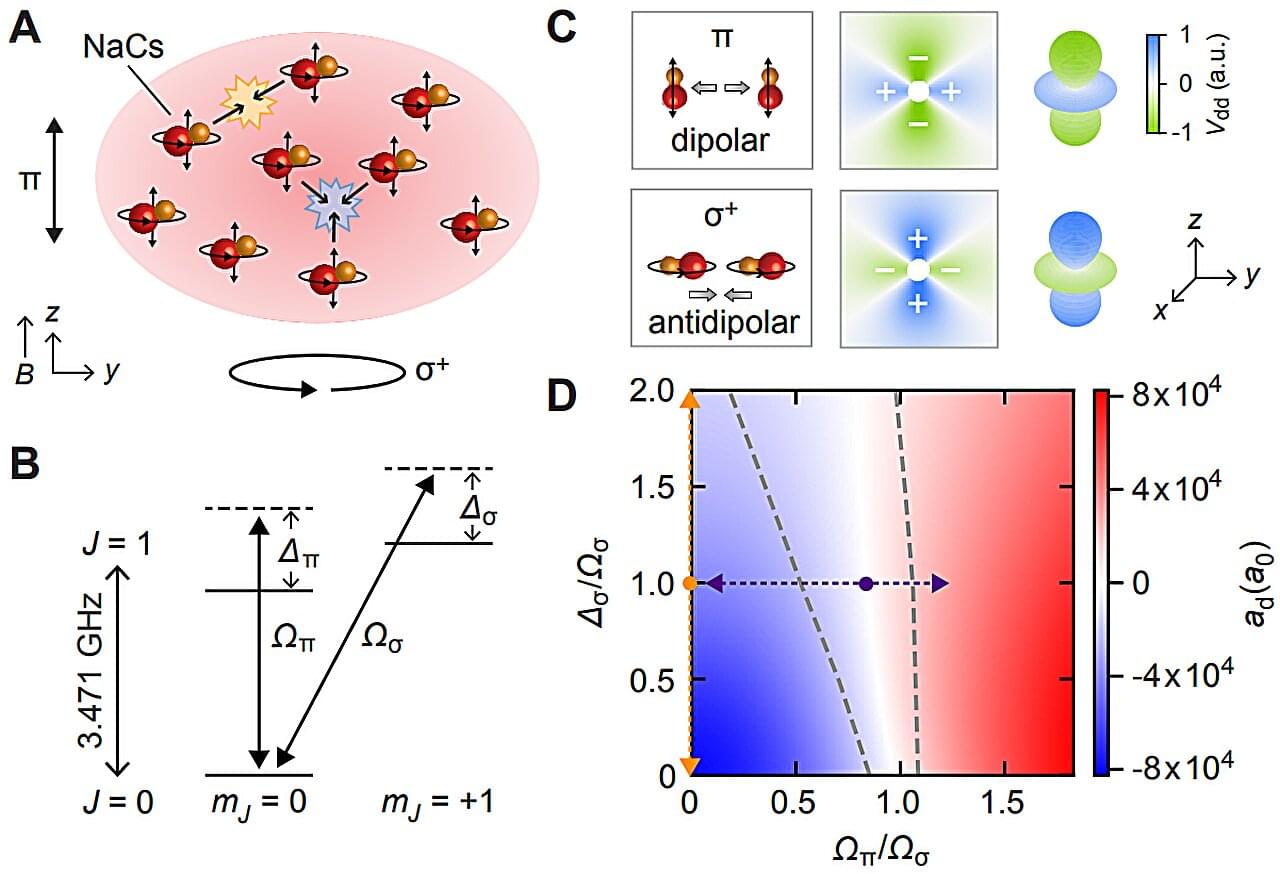
Molecular gases are a new form of artificial quantum matter. However, when these molecules collide, they are often lost extremely rapidly. Researchers from Radboud University and Columbia University have been able to suppress this collisional loss, paving the way for strongly interacting quantum matter. This new artificial quantum matter allows researchers to study quantum behavior relevant to electrons in real materials. Their results are published in Science.

Quantum gases of molecules are created by cooling to nanokelvin temperatures, only 0.000000001° above absolute zero. Under these conditions, quantum effects dominate, and the molecules behave collectively, forming a Bose-Einstein condensate in which many molecules share the same quantum state. This new artificial quantum matter acts as a controllable model material that allows researchers to study quantum behavior relevant to electrons in real materials.

Why do we need linear algebra in Quantum mechanics? |Maths of quantum mechanics

Why do we need linear algebra.
why do we need quantum physics.
why do we need quantum computers.
why do we need algebra in life.
quantum physics linear algebra.
quantum mechanics linear algebra.
linear algebra in quantum mechanics.
c algebra quantum mechanics.
do we need algebra in real life.
do you need linear algebra for computer science.
why is linear equation important.
why do we need to learn linear equations.
quantum mechanics and linear algebra.
quantum linear algebra.
linear algebra quantum mechanics.

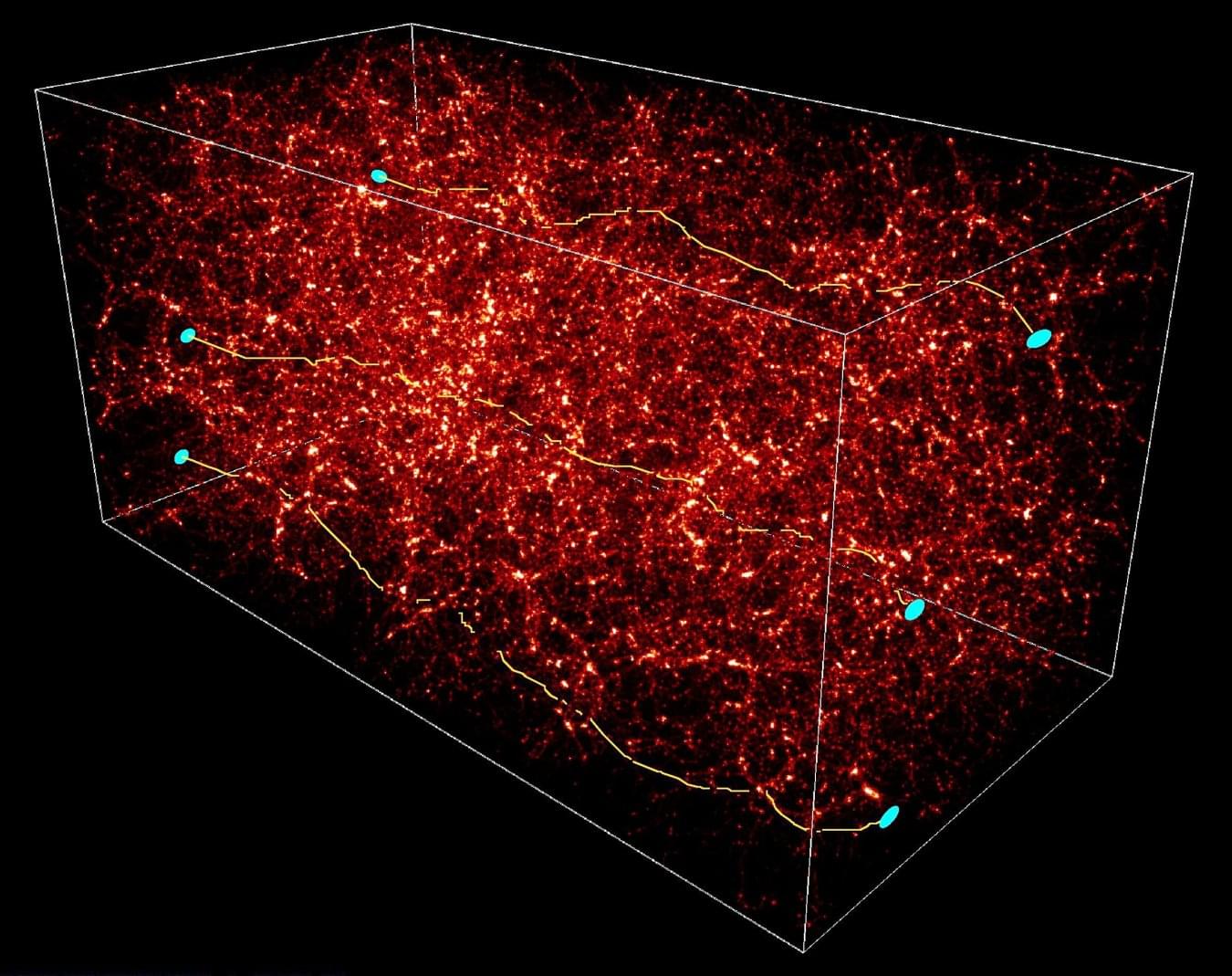
Lost quantum traces could reveal dark matter at the Large Hadron Collider

Particle collisions are inherently quantum, but much of that character is lost when we turn them into classical data. Sarah Alam Malik explores whether preserving more of it could help us spot signs of dark matter and other new physics

Real-time quantum jump in sound observed for first time

A Stanford team has documented the first direct observation of quantum jumps of sound in a mechanical resonator, completing an arc of scientific exploration that started more than 100 years ago.

Quantum jumps—sudden transitions from one energy state to another—have been theorized since the early 1900s. Scientists first demonstrated these jumps in trapped ions in 1986 and later in photons, the fundamental particles of light, in 2007. Observing quantum jumps of sound had remained elusive, but a team led by Stanford physicist Amir Safavi-Naeini has recorded these phenomena, publishing the findings in the journal Science.

“What this study shows will allow us to move forward with developing new quantum technologies with sound,” said Safavi-Naeini, associate professor of applied physics in the Stanford School of Humanities and Sciences. “We have seen that vibrating objects can exhibit quantum behavior, which is the prerequisite for many of the operations needed by quantum computing and sensing.”

New benchmark puts quantum computers to the test and reveals their limitations

Quantum computers are no longer theoretical concepts. Today, they are being developed to tackle a range of complex problems, including exploring financial risk, modeling complex molecules and optimizing massive logistics networks. However, until now, there has been no way to benchmark the computational power of different systems on the same scale to see how they compare.

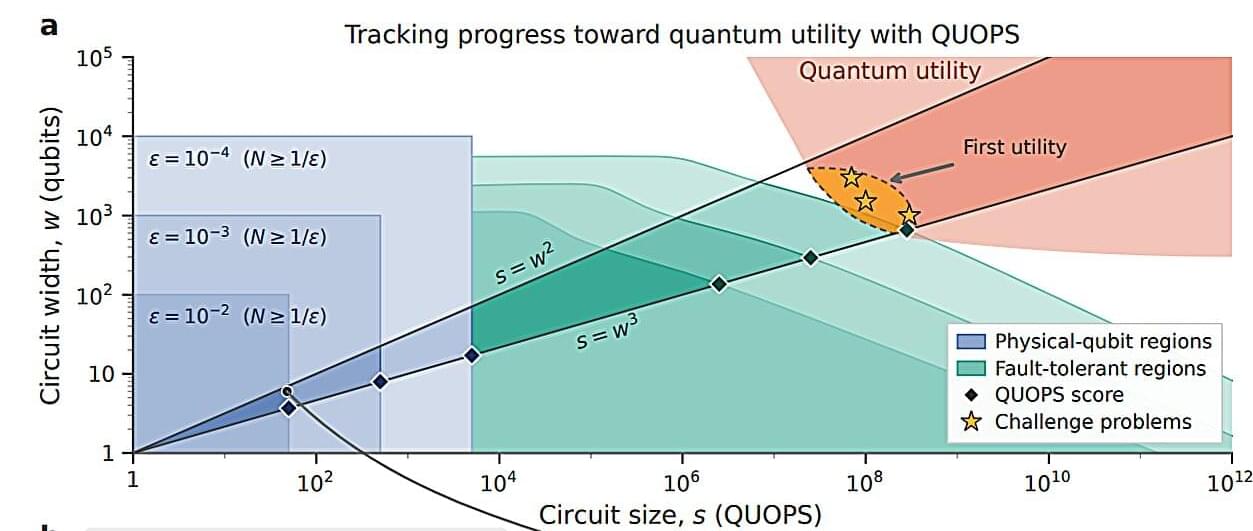
A team led by Sandia National Laboratories in the U.S. has devised a universal testing standard that provides an apples-to-apples performance measure. They put Google, IBM and Quantinuum hardware through the benchmark and not only found significant gaps between them but also discovered that current systems were still miles away from solving real-world problems.

The team calls its test Quantum Universal Operation Performance System, or QUOPS for short. It is designed to measure the size of the largest computationally relevant quantum circuits a quantum computer can successfully run, as well as the speed at which it can complete those operations.

A new bridge for quantum networks: Physicists convert microwaves to light using 2D magnets

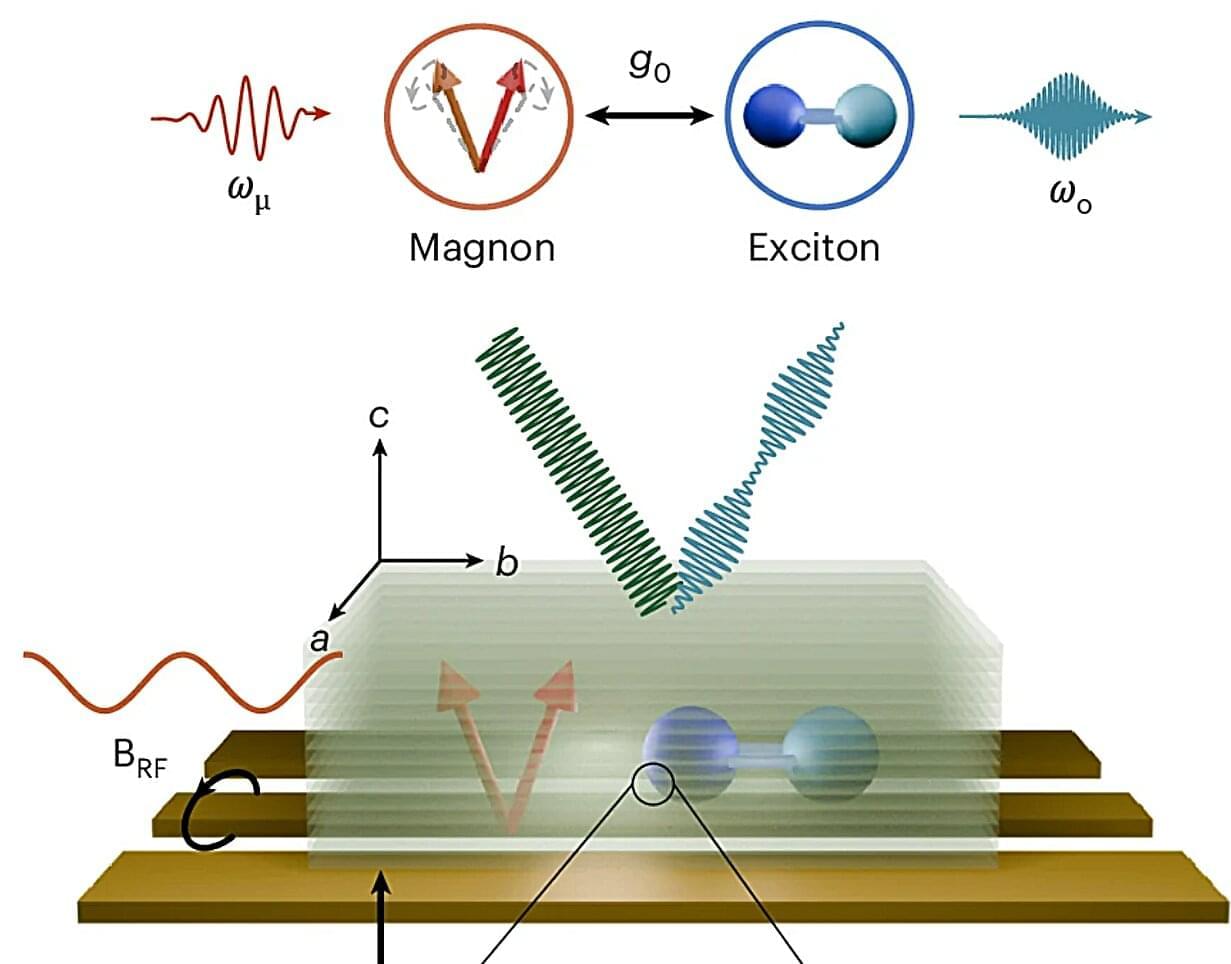
Physicists at The City College of New York have demonstrated a new way to transfer microwave signals onto light using magnetic waves inside a layered semiconductor. The work establishes a materials platform for building interfaces that could one day link quantum computers through optical networks. The research, titled “Microwave-to-optical transduction using magnon–exciton coupling,” was led by the Laboratory for Nano and Micro Photonics (LaNMP) at CCNY, headed by physics professor Vinod M. Menon. It appears in the journal Nature Materials.

Many of today’s leading quantum processors use microwave signals, while light is far better suited to carrying information over long distances through optical fiber. Linking the two requires a transducer: a device that converts a signal from one frequency range to another while preserving the information it carries.

The team turned to chromium sulfide bromide (CrSBr), a layered magnetic semiconductor. When driven by microwaves, the atomic magnetic moments in the crystal move collectively, producing waves known as magnons. These waves shift the energies of excitons, bound pairs of electrons and holes that interact strongly with light. As a result, laser light reflected from the crystal picks up a coherent optical signal that tracks the microwave drive. The approach takes advantage of the especially strong interaction between light and matter near exciton resonances.

Chemists overturn 40-year assumption about a key class of superconductors

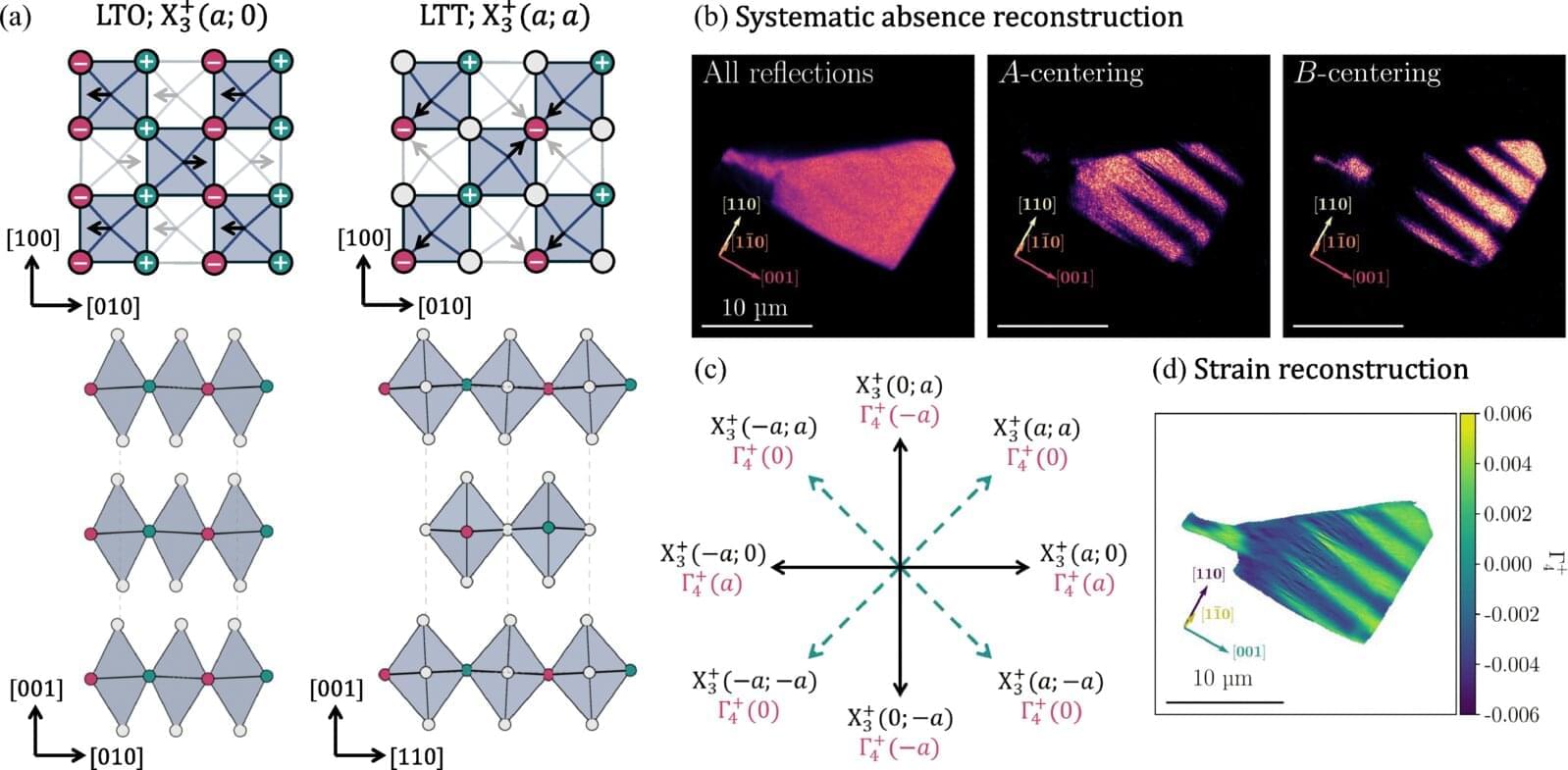
Scientists at Warwick have shown that a material treated for 40 years as a uniform, textbook superconductor is in fact a patchwork of different crystal structures throughout its bulk, using an advanced 3D imaging technique to see deep inside the crystal for the first time.

High-temperature superconductivity is widely regarded as one of the most significant scientific discoveries of the past 40 years. It promises technologies built on electricity that flows with zero resistance and magnets far more powerful than anything possible today, and it underpins research into future power grids, medical scanners and quantum computers.

The study, published in Physical Review Letters and led by researchers in the Department of Chemistry at the University of Warwick working with the European Synchrotron Radiation Facility (ESRF) in France, looked inside a type of superconductor called a cuprate, a copper-based material that can carry electricity with no resistance at unusually high, though still very cold, temperatures.