Toggle light / dark theme

World-First Brain Implant Successfully Treats Resistant Depression in a Patient

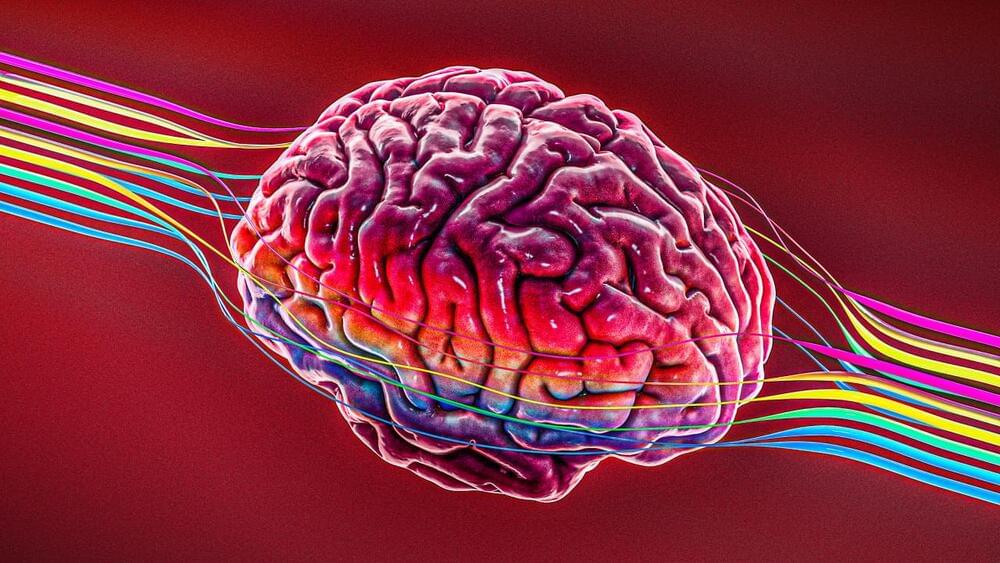
Although the idea of having a small device implanted in our skulls might sound terrifying to some, deep brain stimulation has had a successful past in other brain disorders such as Parkinson’s disease and epilepsy.


Depression can be a frighteningly relentless condition. Luckily, researchers around the world are constantly working on new treatment options, such as a newly designed brain implant for resistant depression.

Altogether, up to a third of people with depression don’t respond or become resistant to treatment. No medication or therapy type seems to help. For those with such treatment-resistant depression, the future can look especially bleak.

This is what happened to Sarah, a 36-year-old woman who’s had severe and treatment-resistant depression since she was a child. But a new proof-of-concept intervention has provided significant relief for Sarah, and could offer hope for many like her. The only catch? It requires a custom-designed ‘brain pacemaker’ for each person.

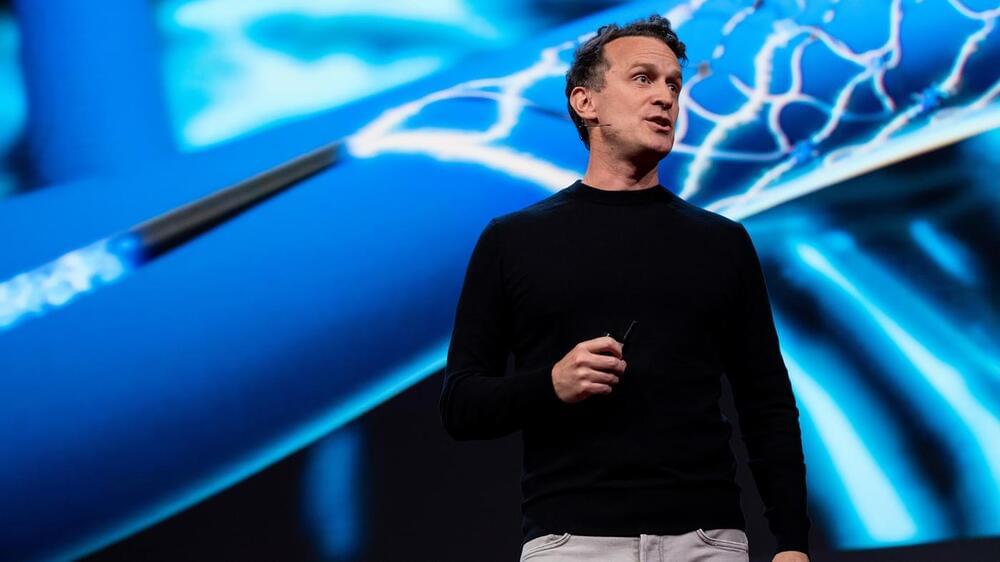
Neuralink Co-Founder Predicts That Humanity Will Get “Wrecked”

“We are going to get so wrecked,” he added.

The kind of value systems that humans have used to structure societies over history — regardless of their success in bringing about meaningful change — may soon no longer be relevant.

“Idk, I think the broader point is just that machines might end up having a lot more flexibility on how they organize themselves than we do,” Hodak pondered in a follow-up tweet. “It takes generations to upgrade cognitive technology in human societies.”

Scientists Rewired The Brain of a Mutant Worm Using Parts From a Hydra

Brains aren’t the easiest of organs to study, what with their delicate wiring and subtle whispering of neurotransmitter messages. Now, this research could be made a little easier, as we’ve learned we can swap some critical chemical systems with the host animal being none the wiser.

In a proof-of-concept study run by a team of US researchers, the microscopic worm Caenorhabditis elegans was genetically gifted pieces of a nervous system taken from a radically different creature – a curious freshwater organism known as Hydra.

The swap wasn’t unlike teaching a specific brain circuit a foreign language, and finding it performs its job just as well as before.

Dr. Leticia Toledo-Sherman — Senior Director, Drug Discovery, Tau Consortium, Rainwater Foundation

Developing drugs for a range of tauopathies — dr leticia toledo-sherman, senior director, drug discovery, tau consortium, rainwater charitable foundation.


Dr. Leticia Toledo-Sherman is Senior Director of Drug Discovery of the Tau Consortium (https://tauconsortium.org/) for The Rainwater Charitable Foundation (https://rainwatercharitablefoundation.org/medical-research) and also holds an appointment as Adjunct Assistant Professor of Neurology at UCLA.

Dr. Toledo-Sherman leads drug discovery activities for an international network of scientists working to develop therapies for Tauopathies, a group of neurodegenerative disorders characterized by the deposition of abnormal Tau protein in the brain.

Previously, Dr. Toledo-Sherman was Director of Medicinal Chemistry and Computer-Aided Drug Design at the CHDI Foundation, leading drug discovery programs for therapeutic development in Huntington’s Disease (HD). At CHDI, she also led a structural biology initiative critical to the understanding of the relationship between structure and biological function of huntingtin, the protein that when mutated causes HD.

Prior to joining CHDI, Dr. Toledo-Sherman was Executive Director of Chemistry at Lymphosign (now part of Pharmascience Inc), a privately held biotechnology company that applied rational design principles to the development of therapeutics for blood cancers. From 2000 to 2,004 she led a multi-site, multidisciplinary team using chemical proteomics and bioinformatics to discover therapeutic targets and to investigate the mechanism of action of drugs.

Fractal Brain Networks Support Complex Thought

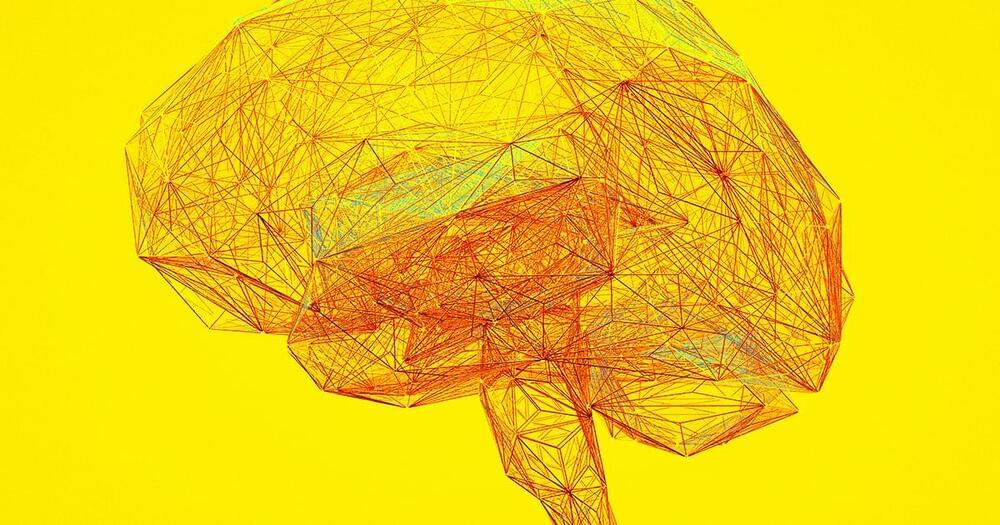
Summary: When people engage in complex thoughts, their brain networks organize into fractal-like patterns.

Source: Dartmouth College.

Understanding how the human brain produces complex thought is daunting given its intricacy and scale. The brain contains approximately 100 billion neurons that coordinate activity through 100 trillion connections, and those connections are organized into networks that are often similar from one person to the next.

Brain-cleaning sleeping cap gets US Army funding

Interesting.


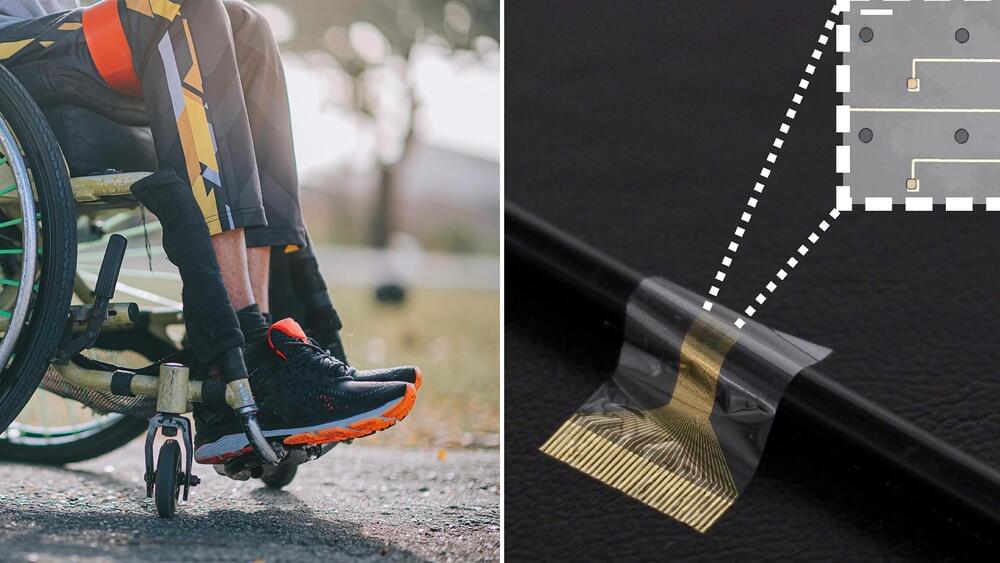
Everybody knows sleep is important, but there’s still a lot we don’t understand about what it actually does to the brain – and how its benefits could be boosted. To investigate, the US Army has awarded researchers at Rice University and other institutions a grant to develop a portable skullcap that can monitor and adjust the flow of fluid through the brain during sleep.

Most of us are familiar with the brain fog that comes with not getting enough sleep, but the exact processes going on in there remain mysterious. In 2012 scientists made a huge breakthrough in the field by discovering the glymphatic system, which cleans out toxic waste products from the brain during deep sleep by flushing it with cerebrospinal fluid. Disruptions to sleep – and therefore the glymphatic system – have been increasingly associated with neurological disorders such as Alzheimer’s.

Studying the glymphatic system could provide new insights into sleep disorders and how to treat them, but currently it requires big bulky MRI machines. So the US Army is funding researchers at Rice University, Houston Methodist and Baylor College of Medicine to develop a wearable skullcap.

Celebrity Instagram content linked to negative feelings, Facebook researchers say

Sept 30 (Reuters) — Major social media stars including Kim Kardashian, Justin Bieber and Charli D’Amelio are among celebrities whose Instagram followers experience more negative feelings about their self-image, according to internal Facebook (FB.O) research revealed by the Wall Street Journal this week, raising questions about the impact of celebrity culture online.

The Journal released the leaked research slide decks on Wednesday, which served as the basis of articles it published earlier this month saying that Facebook knew its apps harmed the mental health of some teenage girls and young users.

The research, titled “Social comparison on Instagram,” surveyed 100,000 people in March and April 2020 in nine countries, including the United States, Australia and Brazil.

New Research Exposes the Biological Basis of Empathy

Summary: The brain’s reward system plays a key role in helping behaviors and empathy.

Source: Tel Aviv University.

Are mammals at all able to demonstrate empathy for one another, engage in pro-social behavior, and help others in distress? New research from the Tel Aviv University examined the issue based on an animal model (rats) and found that just as with humans, rats are also split into various groups with different indicators, to the point that they only come to the aid of members of their group but do not help rats from other groups.

/* */