Toggle light / dark theme

We Might Have Found a Bacterium Responsible for Depression

Could a fecal transplant pill be the antidepressants of the future?

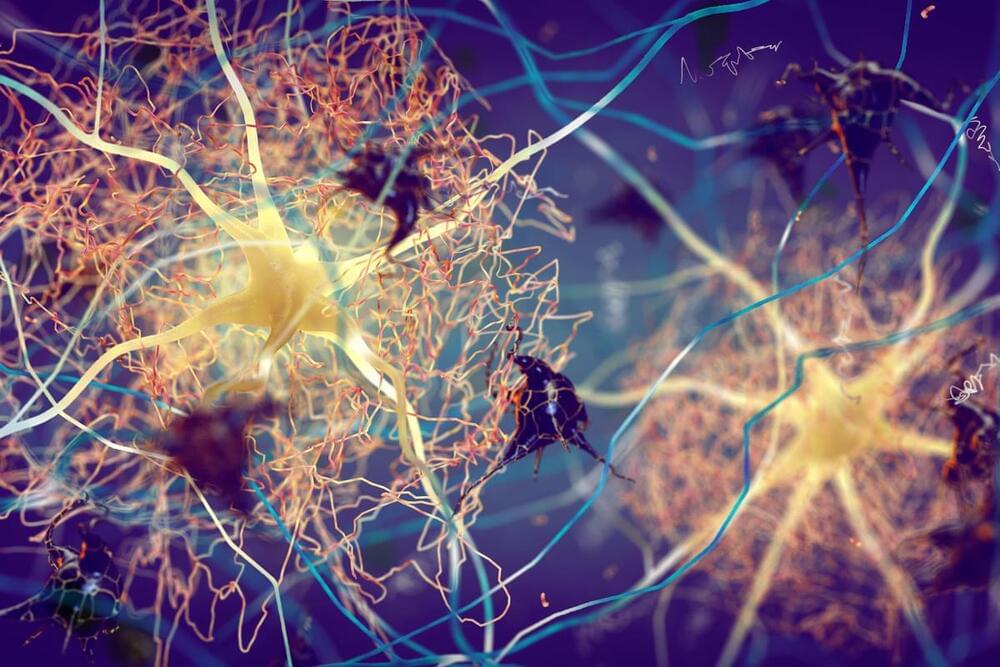
Depression is real, and it is complex. Most conditions that affect our brain chemistry are going to be complex, and there are no easy, simple answers. We can’t cure depression by just exercising more, eating better, or taking a short vacation to recharge (although there is some evidence that getting more money, especially to lift you out of poverty, helps relieve depressive symptoms).

Could you move from your biological body to a computer? An expert explains ‘mind uploading’

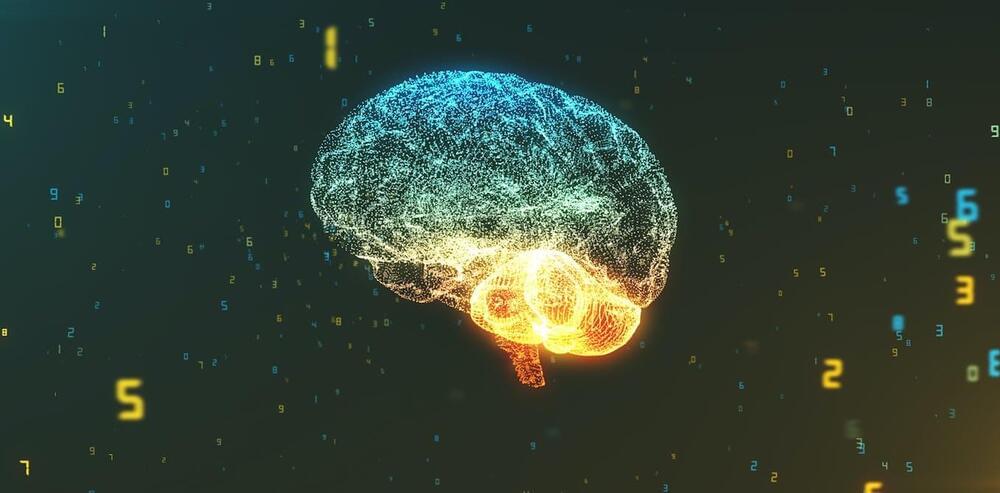
This is the concept behind mind uploading – the idea that we may one day be able to transition a person from their biological body to a synthetic hardware. The idea originated in an intellectual movement called transhumanism and has several key advocates including computer scientist Ray Kurzweil, philosopher Nick Bostrom and neuroscientist Randal Koene.

The transhumanists’ central hope is to transcend the human condition through scientific and technological progress. They believe mind uploading may allow us to live as long as we want (but not necessarily forever). It might even let us improve ourselves, such as by having simulated brains that run faster and more efficiently than biological ones. It’s a techno-optimist’s dream for the future. But does it have any substance?

The feasibility of mind uploading rests on three core assumptions.

‘Halo’ Device Coming in 2025 Is Designed to Induce Lucid Dreams

A new venture-backed startup is capitalizing on the productivity that can be channeled while lucid dreaming, Fortune reports.

Lucid dreaming is a state of being aware that you are dreaming during your sleep cycle and the ability to control or manipulate the dream narrative. As many as 70% of people experience the phenomenon at least once in their lifetime.

Prophetic, founded earlier this year, is tapping into a new unconscious market with an innovative headpiece called the “Halo”

Bottlenose dolphins can sense electric fields, study shows

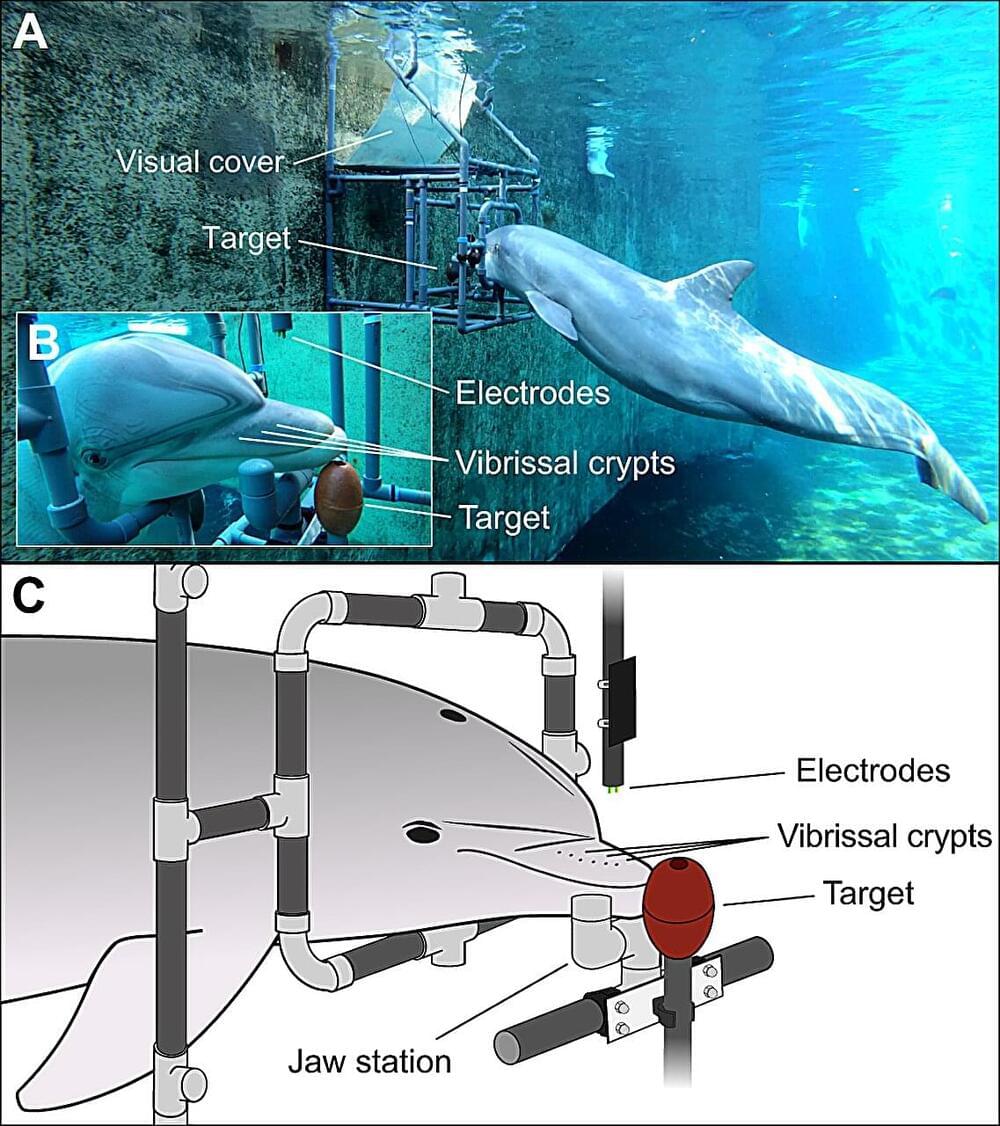
A small team of bio-scientists from the University of Rostock’s Institute for Biosciences and Nuremberg Zoo’s Behavioral Ecology and Conservation Lab, both in Germany, has found evidence that bottlenose dolphins can sense electric fields. In their study, reported in the Journal of Experimental Biology, the group tested the ability of two captive bottlenose dolphins to sense a small electric field.

Many creatures in the are able to sense an electric field—some sharks and the platypus, for example—but only one type of marine mammal has been found to have the ability: the Guiana dolphin. In this new effort, the research team wondered if other types of dolphins have the ability.

They chose to study for two reasons: a pair of were available for testing at the nearby Nuremberg Zoo, and prior research suggested that neural cells in the vibrissal crypts situated along the dolphins’ snouts strongly resembled the electric-field detectors observed in sharks.

New ‘Remarkable Connection’ Discovered Between Our Heart And Brain

In the few seconds it will take you to read this sentence, your sense of time may expand and contract, and your perception of the world could shift in ways you wouldn’t notice.

These subtle effects on the brain are imperceptible, ethereal tugs from the heart beating away inside your chest which, according to a new study, boosts motor function in short bursts too.

Neuroscientist Esra Al of the Max Planck Institute for Human Cognitive and Brain Sciences in Germany has been studying the heart’s influence on the brain for several years, building upon decades-old research and recent studies with more robust methods.

/* */