In a study published in Nature Mental Health, scientists from China and the United States have found that individuals suffering from chronic musculoskeletal pain (CMP) may face a higher high risk of brain aging.

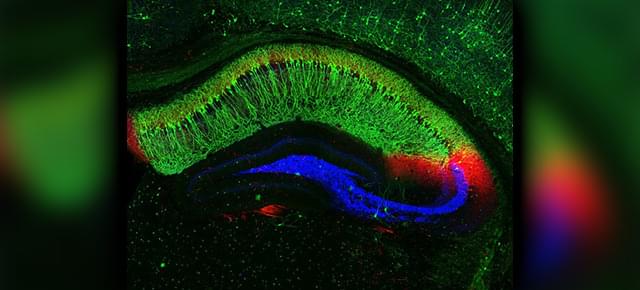
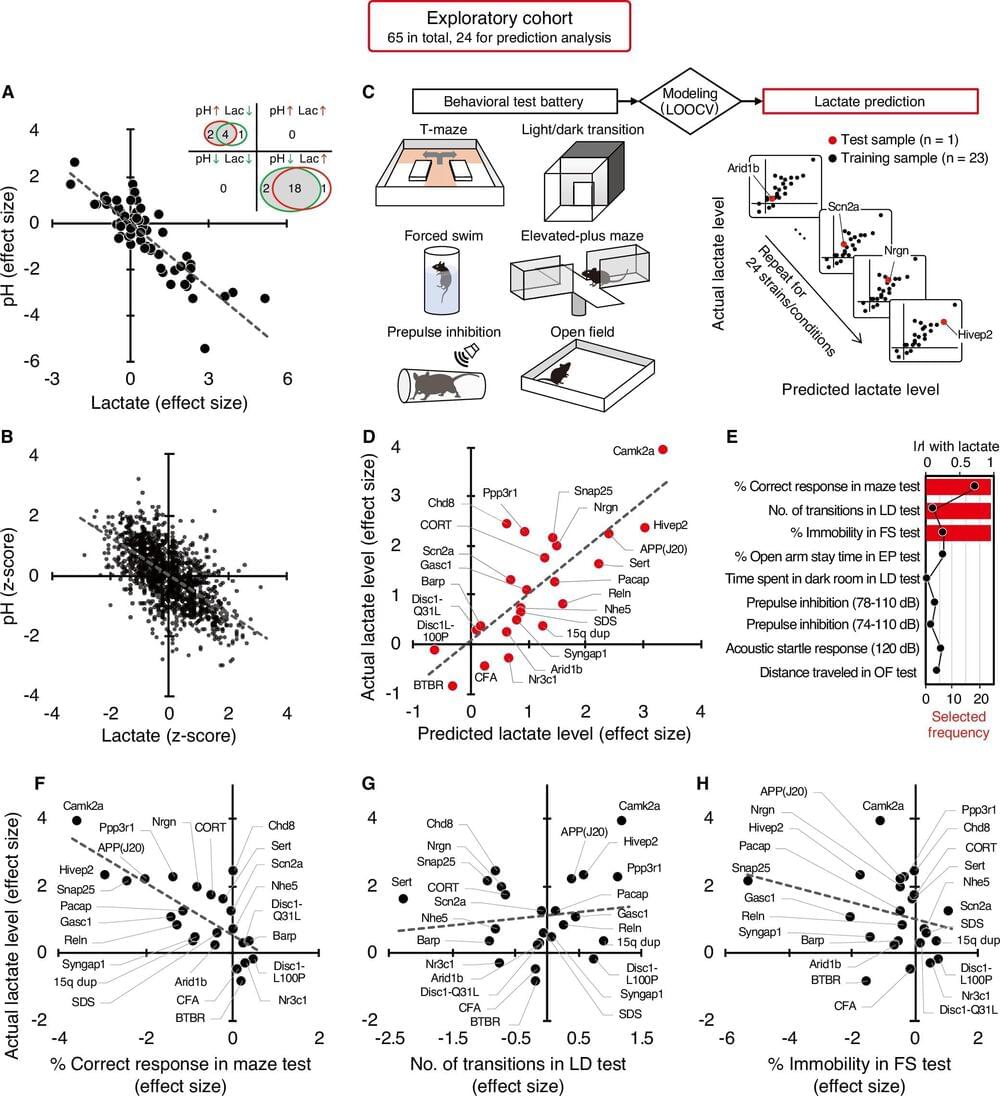
A global collaborative research group comprising 131 researchers from 105 laboratories across seven countries has published a paper in eLife. The study identifies brain energy metabolism dysfunction leading to altered pH and lactate levels as common hallmarks in numerous animal models of neuropsychiatric and neurodegenerative disorders, such as intellectual disability, autism spectrum disorders, schizophrenia, bipolar disorder, depressive disorders, and Alzheimer’s disease.
A groundbreaking theory claims that everything in existence possesses some form of consciousness — including the Sun itself.
Mark Solms discusses his new theory of consciousness that returns emotions to the centre of mental life.
Mark’s book \.
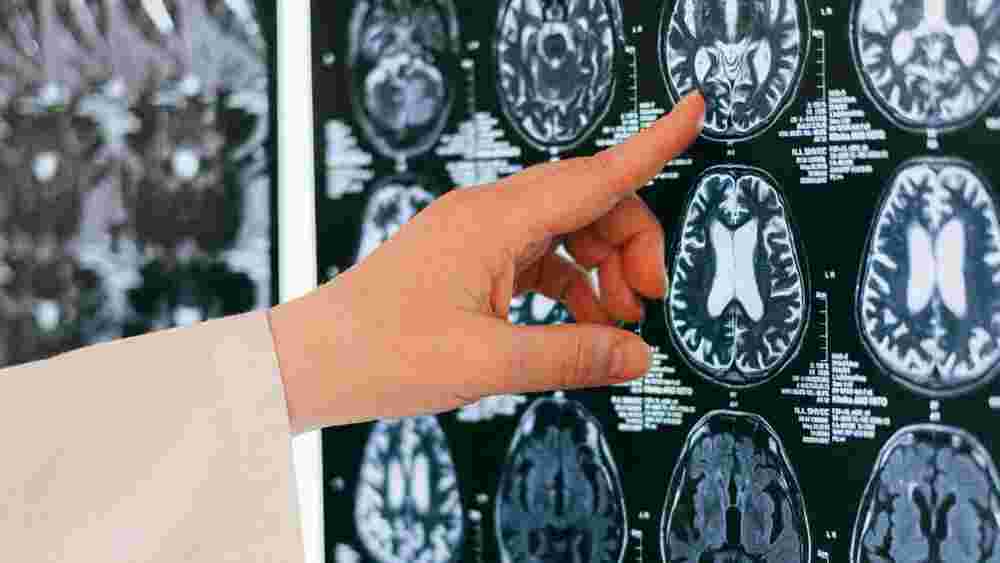
A brain tumor is the growth of abnormal cells in the brain or the area near it including nerves, pituitary gland, pineal gland, and membranes that cover the surface of the brain. Sometimes it can happen in the brain tissue as well. Brain tumours can be cancerous (malignant) or it can be non-cancerous (benign). However, both of them can be potentially life-threatening.
On the other hand, movement disorders refer to a cluster of neurological conditions that can either cause increased movements or decreased movements. For the unversed, brain tumours that are specifically affecting the brainstem, can sometimes cause various movement disorders.
A collaborative project to bring the promise of cell therapy to patients with a deadly form of brain cancer has shown dramatic results among the first patients to receive the novel treatment. In a paper published today in The New England Journal of Medicine, researchers from the Mass General Cancer Center, a member of the Mass General Brigham healthcare system, shared the results for the first three patient cases from a phase 1 clinical trial evaluating a new approach to CAR-T therapy for glioblastoma (GBM). The trial, known as INCIPIENT, is designed to evaluate the safety of CARv3-TEAM-E T cells in patients with recurrent GBM. Just days after a single treatment, patients experienced dramatic reductions in their tumors, with one patient achieving near-complete tumor regression. In time, the researchers observed tumor progression in these patients, but given the strategy’s promising preliminary results, the team will pursue strategies to extend the durability of response.
“This is a story of bench-to-bedside therapy, with a novel cell therapy designed in the laboratories of Massachusetts General Hospital and translated for patient use within five years, to meet an urgent need,” said Bryan Choi, MD, PhD, neurosurgeon and associate director of the Center for Brain Tumor Immunology and Immunotherapy, Cellular Immunotherapy Program, Mass General Cancer Center and Department of Neurosurgery. “The CAR-T platform has revolutionized how we think about treating patients with cancer, but solid tumors like glioblastoma have remained challenging to treat because not all cancer cells are exactly alike and cells within the tumor vary. Our approach combines two forms of therapy, allowing us to treat glioblastoma in a broader, potentially more effective way.”
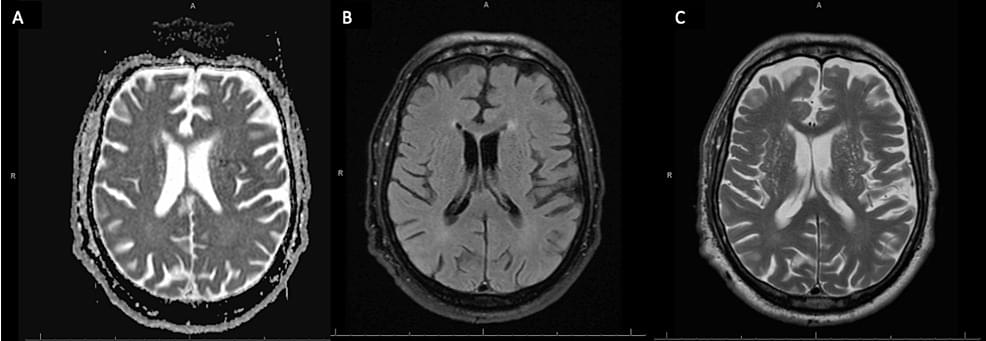
Diving into the complexities of Seronegative Autoimmune Encephalitis — a journey through diagnostic hurdles and treatment paths. Discover more: 👉 https://bit.ly/3TwTulh ✨
Seronegative autoimmune encephalitis (AE) is a rare, immune-mediated inflammatory syndrome that presents with a wide spectrum of neuropsychiatric symptoms, such as cognitive impairment, seizures, psychosis, focal neurological defects, and altered consciousness. This disease process presents with no identifiable autoimmune antibodies, which leads to uncertain diagnosis, delayed treatment, and prolonged hospital admissions. Early diagnosis and prompt treatment of AE should not be delayed, as early recognition and treatment leads to improved outcomes and disease reversibility for these patients. In this study, we present a case report of a 77-year-old male who presented with acutely altered mental status. This patient underwent an extensive workup and demonstrated no signs of clinical improvement throughout a prolonged hospital admission.
Traumatic brain injury (TBI) causes a high rate of mortality and disability, and its treatment is still limited. Loss of neurons in damaged area is hardly rescued by relative molecular therapies. Based on its disease characteristics, we transplanted human embryonic stem cell-(hESC-) derived cerebral organoids in the brain lesions of controlled cortical impact-(CCI-) modeled severe combined immunodeficient (SCID) mice. Grafted organoids survived and differentiated in CCI-induced lesion pools in mouse cortical tissue. Implanted cerebral organoids differentiated into various types of neuronal cells, extended long projections, and showed spontaneous action, as indicated by electromyographic activity in the grafts. Induced vascularization and reduced glial scar were also found after organoid implantation, suggesting grafting could improve local situation and promote neural repair. More importantly, the CCI mice’s spatial learning and memory improved after organoid grafting. These findings suggest that cerebral organoid implanted in lesion sites differentiates into cortical neurons, forms long projections, and reverses deficits in spatial learning and memory, a potential therapeutic avenue for TBI.
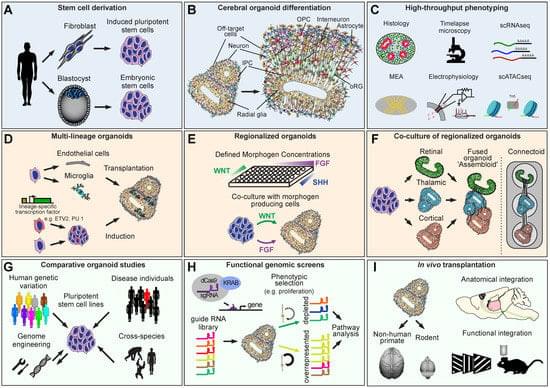
The cerebral cortex forms early in development according to a series of heritable neurodevelopmental instructions. Despite deep evolutionary conservation of the cerebral cortex and its foundational six-layered architecture, significant variations in cortical size and folding can be found across mammals, including a disproportionate expansion of the prefrontal cortex in humans. Yet our mechanistic understanding of neurodevelopmental processes is derived overwhelmingly from rodent models, which fail to capture many human-enriched features of cortical development. With the advent of pluripotent stem cells and technologies for differentiating three-dimensional cultures of neural tissue in vitro, cerebral organoids have emerged as an experimental platform that recapitulates several hallmarks of human brain development.