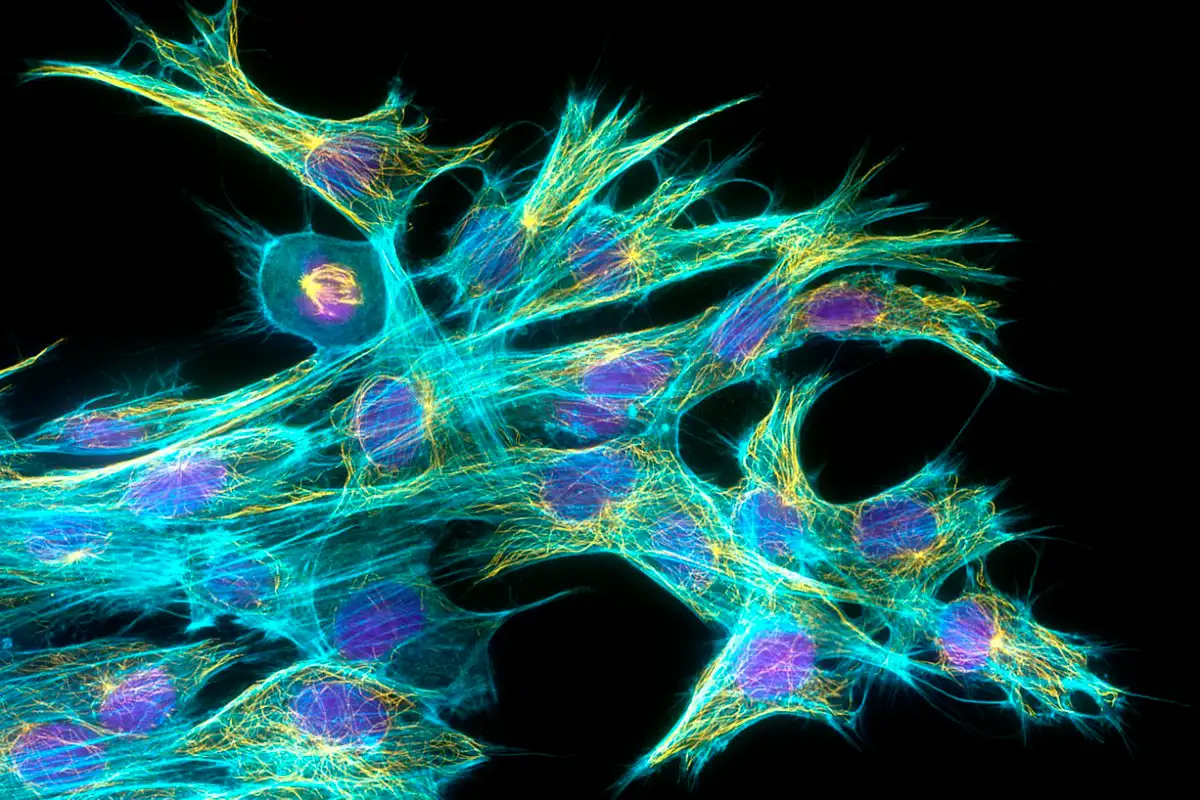
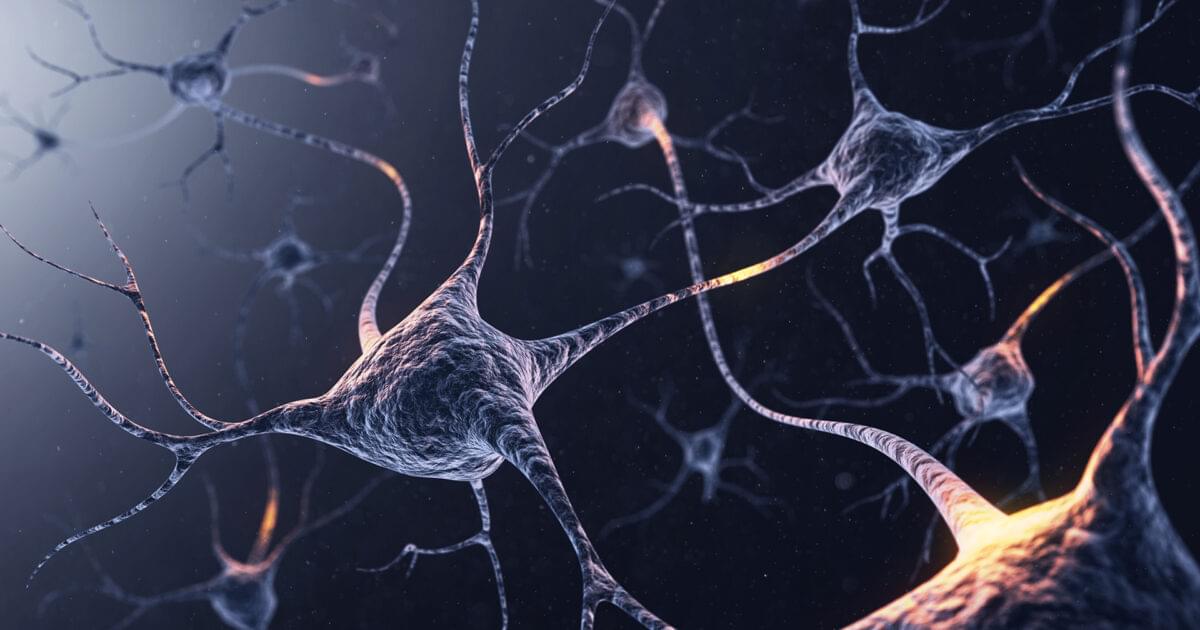
Researchers have identified a promising drug candidate, DDL-357, that improves memory in Alzheimer’s mouse models by increasing levels of a protective brain protein called clusterin (CLU).
Ultra-processed foods now dominate the food supplies of high-income countries, with over 50% of energy intake coming from ultra-processed foods in the United States. Observational data has revealed that greater ultra-processed food consumption is associated with adverse mental health outcomes, while data from randomized controlled trials has demonstrated improvements to mental health following reduction in ultra-processed food intake. Ultra-processed foods are known to contain high concentrations of microplastics, largely due to both the processing and packing procedures. In light of recent findings which demonstrated alarming microplastic concentrations in the human brain, we propose that microplastics may partially mediate the adverse mental health effects of increasing ultra-processed food intake. In this viewpoint, we discuss the overlapping mechanisms for adverse mental health, paucity of research in the area, and propose a Dietary Microplastic Index (DMI) to study this potential relationship.
Watch the full interviews with Dr. Christof Koch and Professor Michael Levin, which are discussed in this video, here:
• Bioelectric Fields: A Paradigm Shift In Bi…
• Famous Neuroscientist on 5-MeO-DMT and Int…
Hans Busstra talks to Dr. Bernardo Kastrup about the groundbreaking work of Professor Michael Levin and Dr. Christof Koch.
Levin’s research into bio-electric fields reveals that cellular networks use electrical signals not just for immediate physiological tasks, but to coordinate complex patterning and memory across tissues—suggesting a kind of distributed intelligence in living systems.
Christof Koch, meanwhile, champions Integrated Information Theory (IIT), which proposes that consciousness is an intrinsic property of certain physical systems with high levels of causal interconnectivity.
Both lines of inquiry challenge the traditional reductionist view that mind is merely an emergent byproduct of neural activity. Instead, they point to a more holistic, perhaps even fundamental, role for information and consciousness in nature. Though Levin and Koch make no explicit metaphysical claims in their work, their empirical findings and views are very much in line with analytic idealism.
Higher intakes of black tea, berries, citrus fruits and apples could help to promote healthy ageing, new research has found.
This study conducted by researchers from Edith Cowan University, Queen’s University Belfast and Harvard T.H. Chan School of Public Health, found that foods rich in flavonoids could help to lower the risk of key components of unhealthy ageing, including frailty, impaired physical function and poor mental health.
“The goal of medical research is not just to help people live longer but to ensure they stay healthy for as long as possible,” ECU Adjunct Lecturer Dr Nicola Bondonno said.
By 2030, there will still be over 1 billion of the world’s adolescents (aged 10–24 years) living in countries where preventable and treatable health problems like HIV/AIDS, early pregnancy, unsafe sex, depression, poor nutrition and injury collectively threaten the health and well-being of adolescents, suggests a new analysis from the second Lancet Commission on adolescent health and well-being.
Commission co-chair, Professor Sarah Baird, George Washington University (U.S.) says, The health and well-being of adolescents worldwide is at a tipping point, with mixed progress observed over the past three decades.
While tobacco and alcohol use has declined and participation in secondary and tertiary education has increased, overweight and obesity have risen by up to eight-fold in some countries in Africa and Asia over the past three decades, and there is a growing burden of poor adolescent mental health globally.